REVIEW · HAKONE
Hakone : Private Tour with Government-Licensed Guide
Book on GetYourGuide →Operated by JGA Inc. · Bookable on GetYourGuide
Hakone gets exciting fast. This private tour pairs the active-volcano heat at Owakudani with black boiled eggs and then lines up big views from the ropeway to Lake Ashinoko. I also like that you can choose 3-4 stops and build a day that fits your taste, not some rigid script. One real trade-off: Hakone is mountainous, so you will do a fair amount of walking.
If you want a guided day that feels efficient (and not like you’re wrestling buses and tickets), this fits well. The guide is licensed and English-speaking, and you’ll use public transport or local taxis between sites since a private vehicle is not included.
In This Review
- Key Points You’ll Care About
- The Real Hook: Volcano Heat, Fuji Views, and a Guide Who Keeps It Moving
- Price and Value: Paying for Time, Not Just Tickets
- Where the Tour Starts in Practice: Meet Near Hakone-Yumoto
- The Core Stop: Owakudani and the Black Boiled Eggs
- The Big Visual Payoff: Hakone Ropeway to Lake Ashinoko
- Lake Time and a Shrine Moment at Kuzuryu
- Choosing Your 3–4 Stops: How to Match Hakone to Your Taste
- Lake Ashinoko and Hakone Shrine
- Hakone Open-Air Museum and Art Museums
- Owaku-dani Valley plus the Volcano Theme
- Sengokuhara and Gora Park Zones
- Specialty Stops: Glass, Dolls, and Gardens
- Choanji Temple and Hakone Shrine
- Transfers, Taxis, and Getting Around Without Stress
- Lunch and Timing: How to Avoid the Usual Day Trip Traps
- What a Licensed Guide Changes in Real Terms
- Small Comfort Details That Make a Big Difference
- Who This Tour Fits Best
- Should You Book It? My Practical Take
- FAQ
- FAQ
- How long is the Hakone private tour?
- What does the price include?
- What is not included in the tour price?
- Can I choose which sites I visit?
- Where do I meet my guide?
- Is there a private vehicle included?
- What’s the language support?
- What should I bring?
- Is it possible to cancel and get a refund?
- Is the tour wheelchair accessible?
Key Points You’ll Care About
- Owakudani black boiled eggs are part food, part science-y volcano ritual
- Ropeway to Lake Ashinoko for classic sightlines toward Mount Fuji when skies cooperate
- Choose 3-4 stops from a strong art-and-culture menu, so you don’t waste time
- Licensed English/Japanese guide helps you move through Hakone without confusion
- Walking day with transfers by train/taxi, so comfy shoes matter
The Real Hook: Volcano Heat, Fuji Views, and a Guide Who Keeps It Moving
Hakone is one of those places where a self-guided day can feel like a puzzle. You’re dealing with hills, multiple transport options, and attractions spread out over a few zones. This tour solves the puzzle with a government-licensed guide and a private, flexible route.
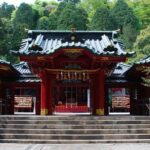
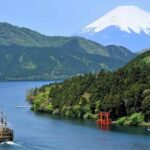
What makes it especially appealing is that the day has two strong “anchors.” First, you get the practical, sensory shock of Owakudani—the sulfurous gasses, the heat, and the famous local snack (the black boiled eggs). Second, you shift to scenery: the ropeway down to Lake Ashinoko, plus lake-time sights like the torii gate connected to Kuzuryu shrine.
A private guide also changes how you experience the area. Instead of just seeing places, you’ll understand why Hakone developed the way it did—its culture, history, and the logic behind the sites. And if you’ve heard stories about Hakone’s hot springs and religious landmarks but never knew how they connect, you’ll likely leave with a clearer picture.
You can also read our reviews of more guided tours in Hakone
Price and Value: Paying for Time, Not Just Tickets
At $171 per person for a 6–8 hour day, this isn’t a bargain tour. But it’s also not trying to be. The value is in four things you can’t easily DIY:
1) A licensed guide who can interpret what you’re seeing.
2) Customization: you pick 3-4 stops, not a fixed list.
3) Efficient transfers using public transport or taxis—so you’re not spending your “best hours” figuring routes.
4) Real-time adjustment if something runs late. In one case, a guide named Yumi handled a bus delay by finding an alternative route back to a hotel.
You do pay for that service up front, and you should budget for what’s not included: transportation fees, entrance fees, lunch, and personal expenses.
Where the Tour Starts in Practice: Meet Near Hakone-Yumoto
Most days begin in the Hakone area around Hakone-Yumoto Station. Pickup is limited to locations within a 10 km radius of that station, and your guide will meet you in the hotel lobby or at the station you request. The guide waits 10 minutes before the scheduled pickup time.
This matters because Hakone is so spread out. Starting at the right base saves time and reduces “dead travel” between zones. It also keeps your day from feeling like a commuter marathon.
One more note: the tour is walking-focused, but not a heavy hike in a single direction. Expect a mix of walking plus short transfers, depending on which 3-4 stops you pick.
The Core Stop: Owakudani and the Black Boiled Eggs
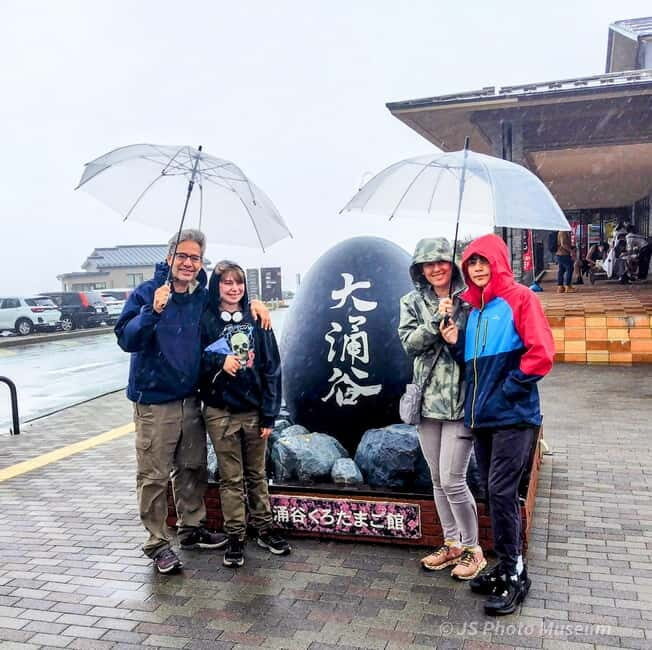
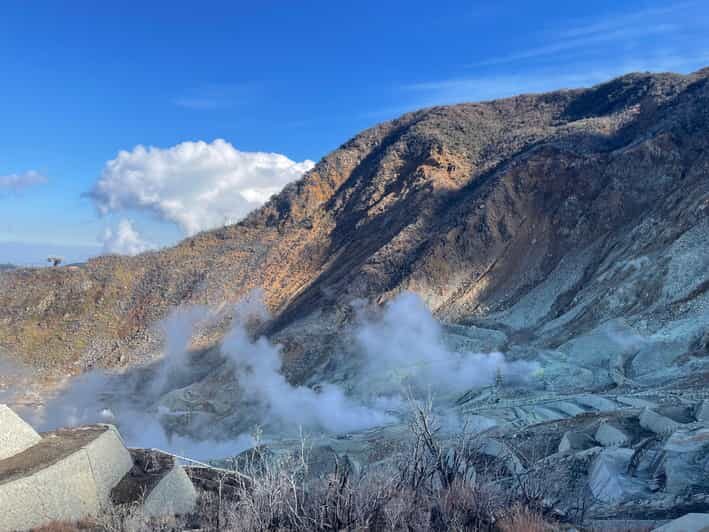
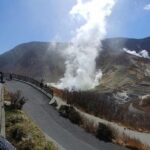
Owakudani is the day’s most memorable sensory moment. This is where you’ll see the ever-rising sulfurous gasses from an active volcano. The heat is part of what makes Hakone’s hot springs famous in the first place, and Owakudani turns that idea into something you can actually feel.
Then there are the black boiled eggs. They’re not just a fun souvenir—this is the local tradition tied to the mineral-rich hot-spring environment. You’ll try them right there, which makes the ritual feel meaningful rather than random.
What to watch for:
- The air near sulfur sources can be strong. If you’re sensitive, you’ll want to use your own judgment about how close you get.
- Wear shoes you can trust. Even when the paths are manageable, you don’t want to be thinking about slipping.
The Big Visual Payoff: Hakone Ropeway to Lake Ashinoko
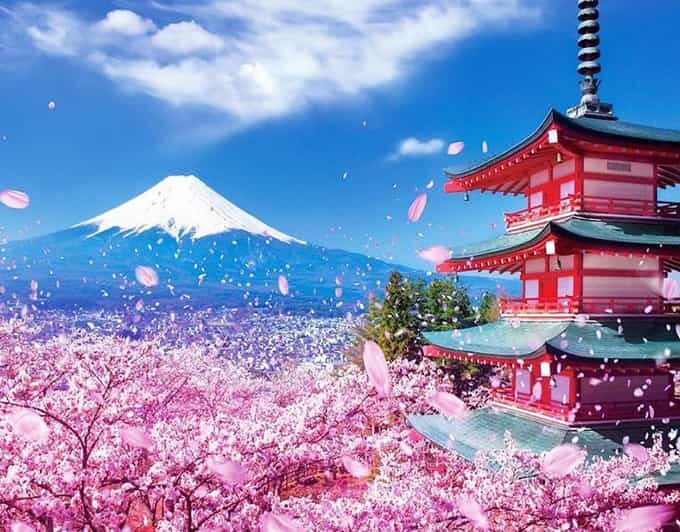
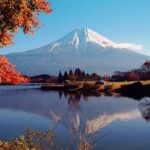
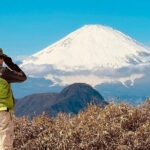
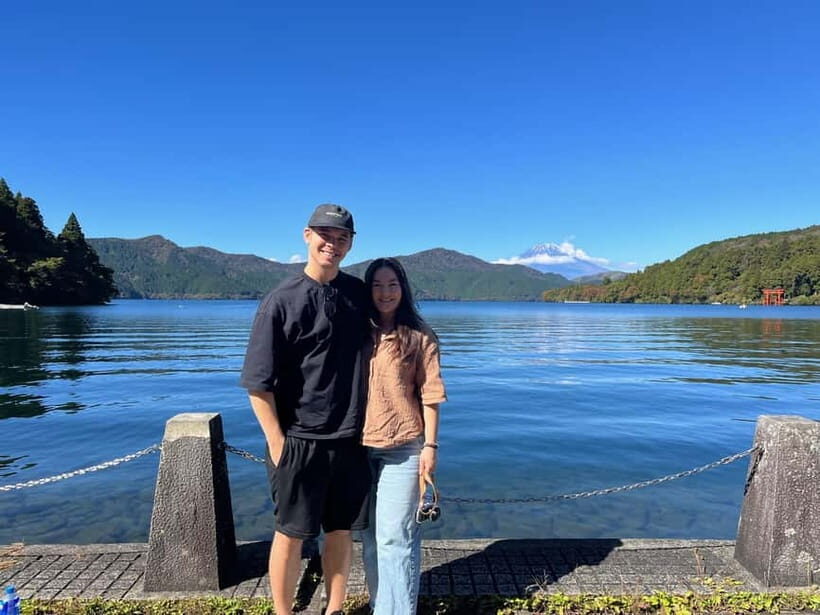
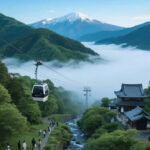
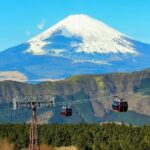
After the volcanic stop, the tour shifts gears. You ride the Hakone Ropeway down toward Lake Ashinoko. The payoff is the view: on clear days, you may get great sightlines toward Mount Fuji.
Even when Fuji isn’t fully visible, the lake and the surrounding slopes still feel like a reset button after Owakudani. The ropeway is also one of the most efficient ways to get scenic elevation changes without turning the day into a long walk.
Practical thought: ropeway conditions can vary with weather. If you’re aiming specifically for a Fuji view, you’re making a bet on the day’s sky. A guide can help you decide timing among your other picks so you’re not waiting around when conditions won’t cooperate.
You can also read our reviews of more private tours in Hakone
Lake Time and a Shrine Moment at Kuzuryu
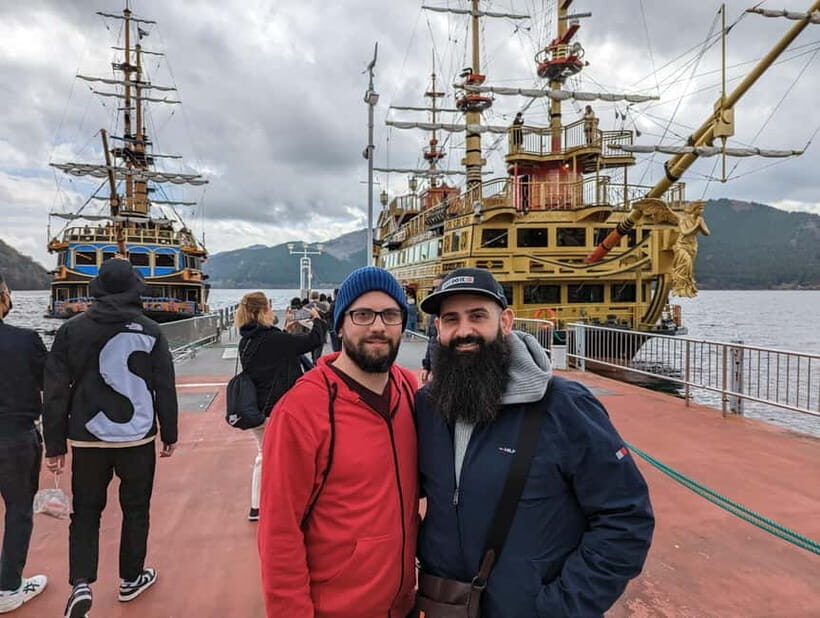
Next comes the lake experience. You’ll sail across Lake Ashinoko to visit the torii gate by Kuzuryu shrine, tied to the area’s nine-headed dragon deity.
This stop works for a few reasons:
- It adds a change of pace—more sitting, less walking.
- It gives the religious landscape a physical location, not just a picture in a guidebook.
- It’s a contrast to the industrial-feeling geology of Owakudani.
The lake segment also gives your legs a break. That matters because your other 1-2 stops from the museum/temple side can add up fast in time.
Choosing Your 3–4 Stops: How to Match Hakone to Your Taste
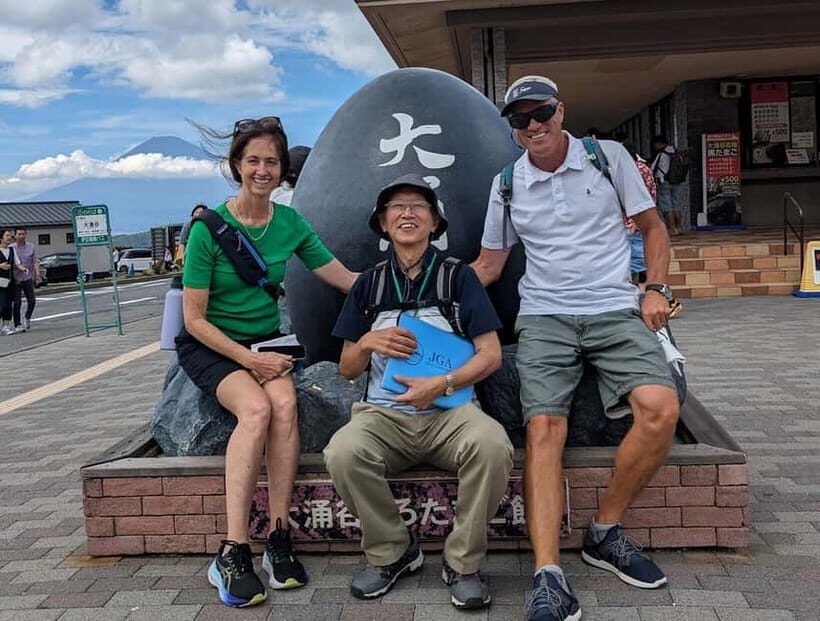
The tour lets you choose 3 to 4 sites from a list of options. The best approach is to think in themes: scenery plus a religious landmark, or volcano plus museums, or hot-springs era history plus art.
Here’s how I’d think about the choices you’re likely to make:
Lake Ashinoko and Hakone Shrine
If you want classic Hakone scenery plus cultural atmosphere, pairing lake time with a shrine stop can make your day feel balanced—geology, then belief and tradition.
Hakone Open-Air Museum and Art Museums
If you’re an art fan, Hakone is unusually strong on museums. You can choose one (or possibly two, depending on timing) such as:
- Hakone Open-Air Museum
- Pola Museum of Art
- Okada Museum of Art
- Hakone Museum of Art
- Narukawa Art Museum
Why this works: museums give you a structured experience with less “weather risk” than outdoor viewpoints. They also tend to be easier to pace within a 6–8 hour window than trying to add extra distant sights.
Owaku-dani Valley plus the Volcano Theme
If you want to lean into the volcano side, keep Owakudani as a must. Then use your remaining slots to round out the story—maybe with a shrine visit and one museum, rather than stacking too many overlapping views.
Sengokuhara and Gora Park Zones
Two options that support a more “Hakone town day” feel are:
- Sengokuhara
- Gora Park
This is a good combo when you want less museum intensity and more of a stroll-and-seeing day around the resort atmosphere.
Specialty Stops: Glass, Dolls, and Gardens
Hakone also offers some very specific niche attractions:
- Hakone Venetian Glass Museum (great if you like craft and design)
- Dollhouse Museum Hakone (fun, and a nice break from big museum halls)
- Hakone Shisseikaen (garden focused)
Choose these if you know you’ll enjoy small, focused exhibits. They can feel delightfully different from the standard Japan museum day.
Choanji Temple and Hakone Shrine
If you’re into temples, add Choanji Temple. If you’re into shrines, pair it with Hakone Shrine. With only 3–4 stops, you’ll want cultural sites that you feel actually curious about, not just ones you’ve heard of.
Transfers, Taxis, and Getting Around Without Stress
This is a walking day tour, and a private vehicle is not included. That means your guide will typically use public transportation or local taxis between chosen sights. Transportation costs and entrance fees are on you.
You’ll need Japanese yen on hand for transport. That single detail matters more than it sounds, because it helps you avoid delays at ticket counters or when taxi drivers only want cash.
If you do want a private vehicle, you can arrange it by contacting the provider directly. Private vehicles must be booked 5 days in advance, and the maximum number of passengers is 7.
Lunch and Timing: How to Avoid the Usual Day Trip Traps
Lunch is not included, and you’ll be making decisions based on how your guide sequences stops. Here’s what helps: pick your 3-4 sites early and share your theme with the guide.
One guide named Yumi built an itinerary around themes a client provided, and the guide also stopped for lunch at a restaurant she suggested. That’s the kind of planning that keeps you from hunting for food at the exact wrong moment—especially in mountainous areas where options can feel limited once you’re committed to a route.
My advice: if food is important, treat it as part of your planning, not an afterthought. Ask your guide to recommend a practical lunch stop along the way.
What a Licensed Guide Changes in Real Terms
A good guide does more than point at things. It helps you translate the place.
In the experience you’re considering, guides have shown how much they can adapt. One guide named Kate was described as building a custom itinerary and helping move efficiently through Hakone so you can actually enjoy the day instead of chasing connections. Another guide named Yumi prepared a themed plan and even handled an unexpected bus delay by finding another way back to a hotel.
That’s the hidden value: when plans shift, you still have a plan.
Small Comfort Details That Make a Big Difference
Bring:
- Comfortable shoes
- Cash
- Weather-appropriate clothing
Hakone is mountainous, so conditions can change fast. Layers help you stay comfortable at ropeways, lake edges, and outdoor volcano areas.
One more consideration: the tour is listed as wheelchair accessible, but it’s also marked as not suitable for people with mobility impairments. If mobility is a concern, you should confirm the real-world walking and transfer demands with the provider before booking.
Who This Tour Fits Best
This tour is a strong match if:
- You want a private guide rather than joining a large group
- You like choosing between major categories—volcano/temples/museums/lake views
- You want help navigating timing and transfers
- You care about context and culture, not just photos
It’s less ideal if:
- You want to avoid walking as much as possible
- You don’t want to handle cash for taxis and transport
Should You Book It? My Practical Take
I’d book this tour if you want Hakone to feel organized and meaningful. The combination of Owakudani, the ropeway, and Lake Ashinoko gives you a day with both atmosphere and variety, and the customization means you can tailor it to art, culture, or scenery.
Pass if you’re the type who loves wandering solo with minimal structure and you’re already comfortable stitching together Hakone transport on your own. In that case, you might save money.
But if you’re paying attention to value, this is one of those places where a good guide can turn a complicated region into a smooth, enjoyable day.
FAQ
FAQ
How long is the Hakone private tour?
The tour runs for 6 to 8 hours.
What does the price include?
It includes a licensed local English-speaking guide, meet-up help within the designated Hakone area, and a customizable tour of 3–4 sites.
What is not included in the tour price?
You’ll pay for transportation fees, entrance fees, lunch, and other personal expenses. Private vehicle costs are also not included.
Can I choose which sites I visit?
Yes. You choose 3 to 4 places from the list, and you should inform your guide post booking of your chosen sites.
Where do I meet my guide?
Pickup is available in locations within a 10 km radius of Hakone-Yumoto Station. Your guide waits in the hotel lobby or at the train station you request, about 10 minutes before pickup time.
Is there a private vehicle included?
No private vehicle is included. You’ll use public transportation or local taxis for transfers. If you want a private vehicle, it must be booked 5 days in advance.
What’s the language support?
The guide can speak English and Japanese.
What should I bring?
Bring comfortable shoes, cash, and weather-appropriate clothing.
Is it possible to cancel and get a refund?
Yes. There is free cancellation up to 24 hours in advance for a full refund.
Is the tour wheelchair accessible?
It is listed as wheelchair accessible, but it is also marked as not suitable for people with mobility impairments. You should confirm details with the provider based on your specific needs.