REVIEW · TOKYO
Tokyo: Private Mount Fuji and Hakone Day Trip with Guide
Book on GetYourGuide →Operated by TREKTIDE TRAVELS · Bookable on GetYourGuide
Fuji in one day is serious business. This private Mt. Fuji and Hakone trip is built for your pace, and I like that it targets the Mt. Fuji 5th Station plus the big Hakone highlights in one smooth loop. The one caution: weather can change fast, and views (and comfort) depend on layers and good timing.
What really makes this day different is the mix of classic Fuji culture and Hakone scenery. You’ll stop at places like Oshino Hakkai and Kitaguchi-hongu Fuji Sengen Shrine, then shift to lakes and volcanic sights—so the day feels varied, not repetitive.
You also get the practical upside of private van travel. Pickups can be from Tokyo, Hakone, or Kawaguchi, and drop-offs can go back to those same areas, which saves you from bus and train math when you just want to get moving.
In This Review
- Key things to know before you go
- Entering Mt. Fuji and Hakone on your own clock
- Where pickup and drop-off shape your whole day
- The 5th Station priority: Komitake Baiten and the Fuji views
- Oshino Hakkai: Fuji water folklore you can actually walk through
- Kitaguchi-hongu Fuji Sengen Shrine: a quiet spiritual reset
- Lake Kawaguchi, Oishi Park, and Chureito Pagoda: the classic postcard trio
- Mt. Kachi Kachi Ropeway: the view lift that saves time
- Lake Ashi and Owakudani Valley: the volcanic mood of Hakone
- Price and value: why $419 can be either great or disappointing
- What your guide really does besides driving
- How to pack for Fuji weather swings and a long standing day
- Who this tour fits best
- Should you book this Mt. Fuji and Hakone private tour?
- FAQ
- How long is the Mt. Fuji and Hakone private day trip?
- What pickup locations are available?
- Where can I be dropped off at the end of the tour?
- Is this tour private and is the guide English-speaking?
- Which stops are included on the route?
- How long do you spend at Mt. Fuji 5th Station?
- Are meals or drinks included?
- Are entry fees or admissions included?
- What should I bring for the day?
- Can I cancel for a full refund?
Key things to know before you go
- Private, customizable timing: Your guide can adjust the day to how you want to spend time at each viewpoint.
- 5th Station focus: You’re not just looking at Fuji from far away; you’re going up to the Komitake Baiten area.
- Fuji culture stops: Oshino Hakkai and Kitaguchi-hongu Fuji Sengen Shrine add meaning beyond photos.
- Hakone’s volcano theme: Owakudani Valley and Lake Ashi make Hakone feel like its own world.
- A long but doable route: Expect moderate walking at multiple stops and a full 10-hour day.
- Guide quality can vary: The experience hinges on how smoothly your driver/guide communicates and manages timing.
Entering Mt. Fuji and Hakone on your own clock
A day trip to Mt. Fuji can either feel rushed or rewarding. This one tries to give you the best of both: the itinerary covers the headline sights, but it’s private, so you’re not trapped behind a rigid bus schedule. That matters when Fuji is involved, because cloud cover and visibility can shift during the morning and afternoon.
What you get is a single-van plan that strings together high-demand locations: Mt. Fuji 5th Station, Oshino Hakkai, and a full Hakone circuit that includes Lake Kawaguchi, the ropeway, Lake Ashi, and Owakudani Valley. In practice, it’s the kind of day where you’ll be taking photos, yes—but also checking off distinctive places that each have their own vibe.
A practical note: the day runs about 10 hours, and the walking is described as moderate. That usually means short stretches more than huge hikes, but it adds up. Wear shoes you’d trust for uneven pavement and long standing times at viewpoints.
You can also read our reviews of more guided tours in Tokyo

Where pickup and drop-off shape your whole day
This tour offers 3 pickup options—Hakone, Kawaguchi, or Tokyo—and 3 drop-off options that match. That flexibility is a bigger deal than it sounds.
If you start in Tokyo, you’re likely trading some morning drive time for convenience. If you’re staying closer to the Hakone/Fuji area (Hakone or Kawaguchi), you’ll usually feel less rushed because you lose less time commuting across Honshu. Either way, private transport means you meet your driver directly at your hotel or Airbnb entrance and head out without extra transfers.
You’ll also want to think about how your return plan fits your evening. A full 10-hour day can push dinner late, so choose drop-off timing that keeps your night easy.
The 5th Station priority: Komitake Baiten and the Fuji views
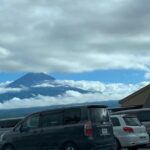
One of the core reasons people choose this trip is simple: you go to Mt. Fuji’s 5th Station area, specifically Komitake Baiten. A lot of Fuji sightseeing in the region stays at a distance, even when the viewpoint is excellent. Going up to the 5th Station changes the feel fast—you’re closer to the mountain’s scale, and the air can feel different around the higher elevation.
Expect about an hour here. That’s enough time to take in the views, walk around the area, and get a sense of the terrain without turning the day into a climb. The trade-off is that visibility isn’t guaranteed. Weather can shift quickly, and the tour operates in all weather conditions, so your best plan is to dress for cold, wind, or sudden mist.
Practical tip: layers matter more here than you’d think. Warm clothing is listed for a reason, and a hat plus sunscreen is a solid combo for higher-altitude sun when the sky is clear.
Oshino Hakkai: Fuji water folklore you can actually walk through
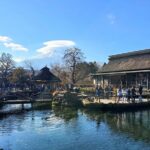
After the morning run toward Fuji, you’ll head to Oshino Hakkai. This stop gets about an hour for sightseeing, and it’s a popular reason: Oshino Hakkai is famous for its crystal-clear springs tied to Mt. Fuji, and it has a calm, old-school feel compared with the bigger tourist hubs.
Even if your main goal is photos, Oshino Hakkai tends to give you something more grounded: you slow down. You can stroll, look closely, and enjoy the “Fuji at human scale” feeling. It’s also a good buffer between more intense viewpoints. One stop is scenic and cultural, then you get to transition to lakes and Hakone’s more dramatic geography.
Kitaguchi-hongu Fuji Sengen Shrine: a quiet spiritual reset
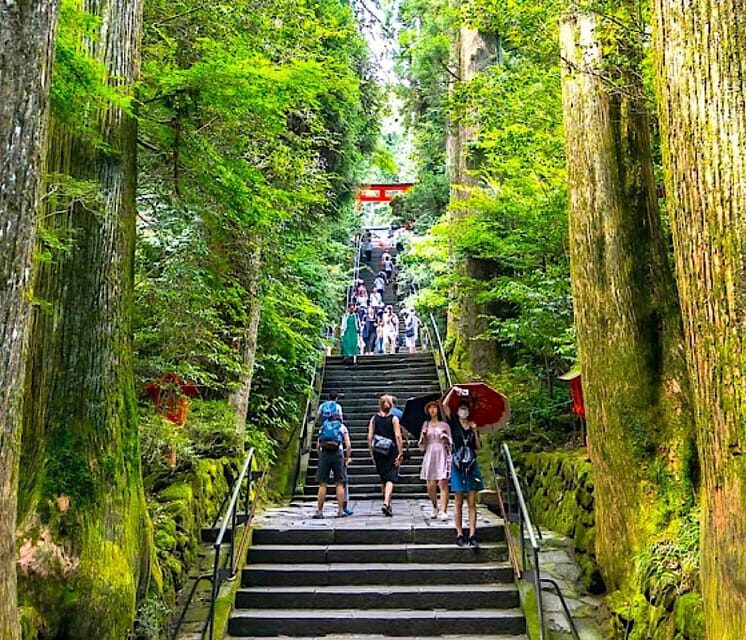
Next up is Kitaguchi-hongu Fuji Sengen Shrine for about 30 minutes. This is a shorter stop, but that’s exactly why it works in a long day. It gives you context for how Mt. Fuji is treated in Japanese belief systems, without eating the schedule.
If you like places that add meaning without turning into a museum visit, you’ll probably appreciate this. If you’re mostly focused on scenic photo time, think of it as a short pause to reset your expectations before the Fuji-lake views start rolling in.
You can also read our reviews of more private tours in Tokyo


Lake Kawaguchi, Oishi Park, and Chureito Pagoda: the classic postcard trio
Now you move into the Lake Kawaguchi area, with several photo-forward stops built in.
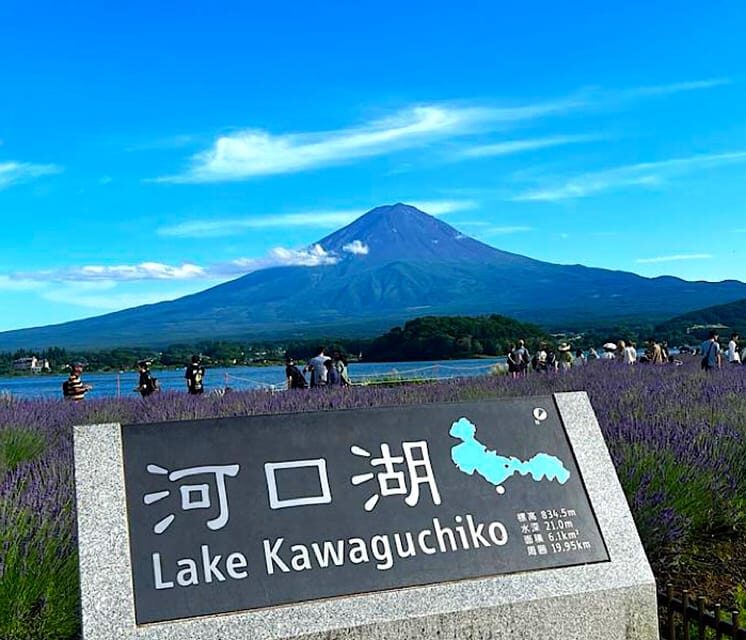
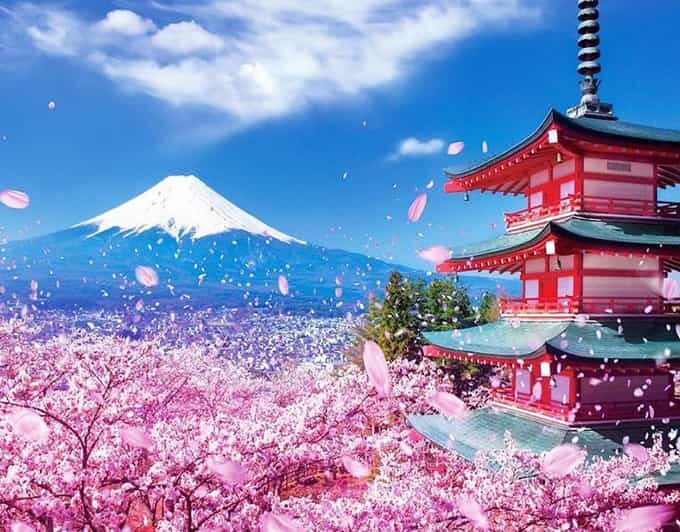
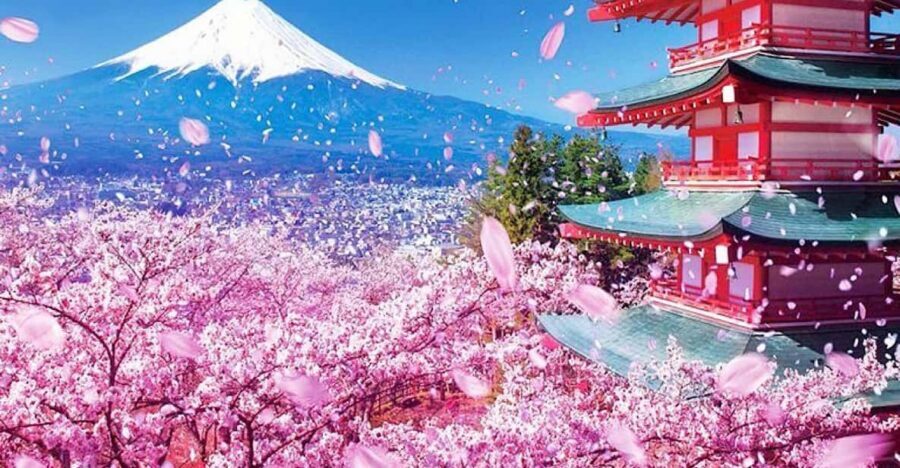
You’ll spend about an hour at Lake Kawaguchi, plus another stop at Oishi Park (about 30 minutes) and a visit around Chureito Pagoda (about 1 hour). Together, these give you a strong shot at the iconic Fuji-lake compositions, especially when the weather cooperates.
Why this grouping works: you’re not stuck at one location trying to force a single perfect view. Oishi Park and Chureito Pagoda both aim for different angles and sightlines, so if the clouds shift, you still get chances to capture what you came for.
The downside is also practical: these are popular viewpoints. With a private van you won’t have group-shuffling drama, but you can still feel the crowd pressure. Give yourself the full time on-site rather than sprinting through.
Mt. Kachi Kachi Ropeway: the view lift that saves time
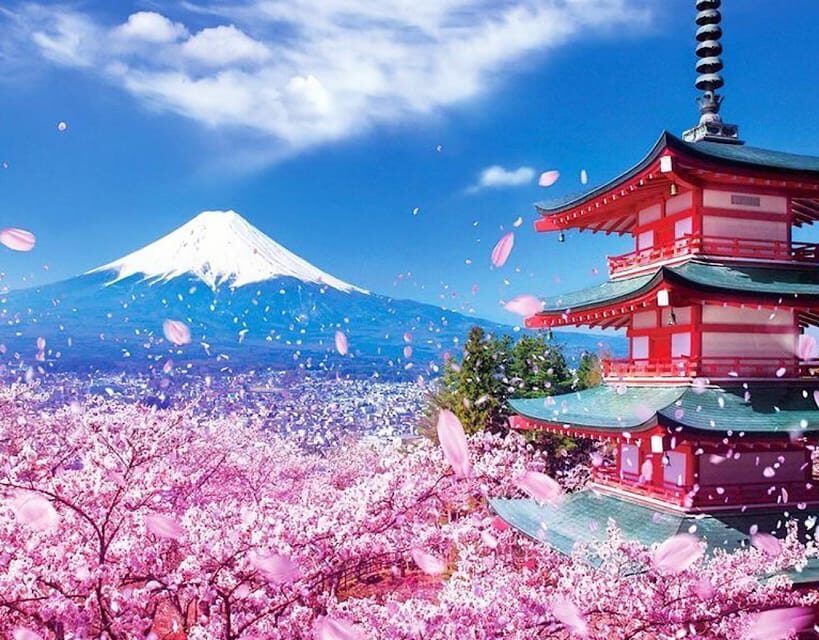
Hakone has its own set of scenery, and the Mt. Kachi Kachi Ropeway stop is about an hour. The ropeway is a time-saver in a route like this. Instead of doing a longer travel-and-walk loop, you get an elevated perspective that helps you appreciate how Hakone sits around the lakes and valleys.
If you’re the type who gets tired standing at one viewpoint for a long time, a ropeway break can be a good reset. Just remember the day’s theme: you’ll be switching between outdoors, walking, and viewpoint time in quick succession. Comfortable shoes still win.
Lake Ashi and Owakudani Valley: the volcanic mood of Hakone
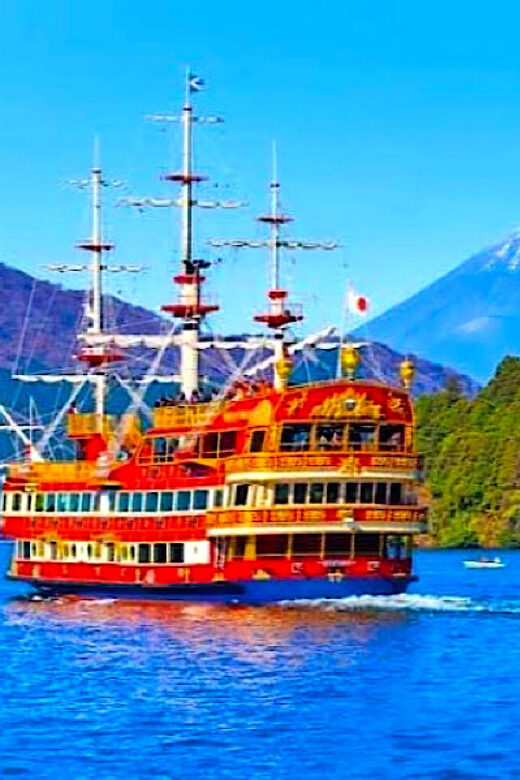
The last stretch leans more dramatic. You’ll visit Lake Ashi (about an hour), then Owakudani Valley (about an hour).
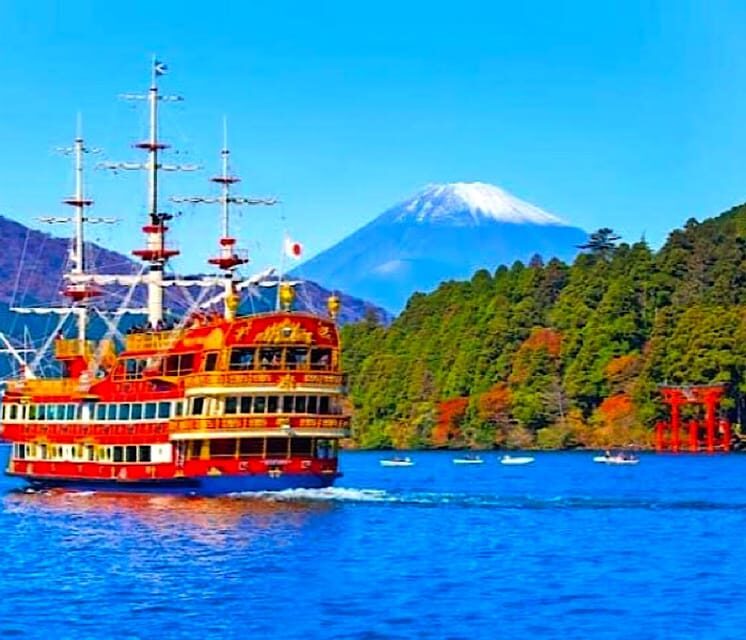
Lake Ashi tends to be the scenic contrast. It’s where Hakone feels elegant and wide, with water views that play nicely with the earlier Fuji-lake stops. You’ll get enough time to look, take photos, and enjoy the open feeling.
Then comes Owakudani Valley, which adds Hakone’s signature geothermal character. This area feels more rugged and otherworldly compared with calmer lakeside spots. It’s an ideal stop late in the day because it gives your memory a stronger punch—something you’ll remember as distinctly Hakone, not just “more Fuji views.”
Price and value: why $419 can be either great or disappointing
This tour lists at $419 per group up to 5 for a 10-hour private day, with a private English-speaking guide and round-trip van transport.
That price makes sense when:
- You’re traveling with 3–5 people and split the cost.
- You value not figuring out trains, timing, and transfer stress.
- You want private flexibility at Fuji-related stops where weather can change quickly.
The price can feel steep if:
- You’re traveling solo or as a couple and the group size doesn’t help you split costs.
- You expect the day to run like a guided lecture. This tour is more about movement and viewpoints than deep long-form cultural lessons.
The real value variable is your guide/driver dynamic. One example I came across highlighted how strongly personality and communication can affect the day—when the guide’s attitude was sour, the stops got shorter, and the timing didn’t match what the itinerary was supposed to deliver. That’s not the typical pattern, but it’s a useful reminder: in a private tour, you’re buying the full package, and the human factor is part of the product.
Names that show up in guide experiences for this tour style include Fahad, Sam, Shaon, and Hadi. The best sign isn’t the name—it’s how smoothly they handle your pace, keep things organized, and help you adjust when weather changes.
What your guide really does besides driving
Private guide time is useful in two main ways here.
First, you get a system for choosing priorities. The tour is marketed as customizable, so if you want more time on lakes and less on shorter shrine stops, or you’d rather move quickly between viewpoints, a good guide can shape the day around that.
Second, you get help navigating behavior and local expectations. In one high-rated experience, the guide Hadi was praised specifically for local customs and etiquette, plus for finding a less crowded shrine that felt more local and family-focused. That’s the kind of value that doesn’t show up in a basic checklist.
A final practical point: even with a plan, you’ll still be outdoors. Warm clothing, hats, water, and sunscreen are listed for a reason. If you show up prepared, the day feels smoother; if you don’t, the schedule can feel harder than it has to.
How to pack for Fuji weather swings and a long standing day
Weather can change quickly, and the tour runs in all conditions. Translation: you should treat the day like a layering challenge.
Bring:
- Comfortable shoes (you’ll stand and walk at multiple stops)
- Warm clothing and layers
- A hat
- Camera
- Sunscreen
- Water
Also note that smoking isn’t allowed, so plan around that.
If visibility is low, you’ll want to shift your mindset. Fuji days aren’t always about getting the perfect clear mountain view. You can still enjoy the places themselves—the shrines, springs, lakes, and volcanic valley are interesting even when the skyline is cloudy.
Who this tour fits best
This is a strong pick if you want:
- One-day access to Mt. Fuji 5th Station plus Hakone without juggling transit
- A flexible schedule rather than a group bus march
- A mix of scenic viewpoints and cultural stops (Oshino Hakkai and a Fuji shrine)
It’s also a decent match for travelers who prefer planning support. If you’re someone who gets stressed by route changes and complicated connections, private transport plus a guide is a real comfort.
If you dislike crowds at photo stops, plan for that reality and pace yourself. The day has multiple high-demand spots, so you’ll be sharing the space at peak hours.
Should you book this Mt. Fuji and Hakone private tour?
Book it if you want a single, private 10-hour plan that hits the Fuji 5th Station and then transitions into Hakone’s lakes and volcanic sites, with enough flexibility to adjust your time.
Think twice if:
- You’re going solo and the group pricing doesn’t help you split the cost.
- You’re extremely sensitive to guide communication and want a guarantee of chemistry. In private tours, the human factor is real.
My best advice: if you book, set expectations clearly at the start—what your top priority is (5th Station time, specific lakes, or extra viewpoint time). A good guide will lock in the day and protect your schedule so you don’t feel you’re rushing through the best parts.
FAQ
How long is the Mt. Fuji and Hakone private day trip?
The tour duration is 10 hours.
What pickup locations are available?
You can choose from 3 pickup locations: Hakone, Kawaguchi, or Tokyo.
Where can I be dropped off at the end of the tour?
There are 3 drop-off locations: Hakone, Tokyo, or Kawaguchi.
Is this tour private and is the guide English-speaking?
Yes. It’s a private group tour with a private English-speaking guide.
Which stops are included on the route?
The tour includes stops such as Oshino Hakkai, Kitaguchi-hongu Fuji Sengen Shrine, Mt. Fuji 5th Station (Komitake Baiten), Lake Kawaguchi, Mt. Kachi Kachi Ropeway, Oishi Park, Chureito Pagoda, Lake Ashi, and Owakudani Valley.
How long do you spend at Mt. Fuji 5th Station?
You’ll visit Mt. Fuji 5th Station (Komitake Baiten) for about 1 hour.
Are meals or drinks included?
No. Meals and drinks are not included.
Are entry fees or admissions included?
No. Entry and admission are not included.
What should I bring for the day?
Bring comfortable shoes, warm clothing, a hat, a camera, sunscreen, and water.
Can I cancel for a full refund?
Yes. You can cancel up to 24 hours in advance for a full refund.