REVIEW · TOKYO
Home made Ramen you made from scratch!!
Book on Viator →Operated by Hideki Ramen Cooking Studio · Bookable on Viator
Scratch ramen beats restaurant shortcuts. At Hideki Ramen Cooking Studio in Tokyo, you learn from-scratch ramen and share lunch you made yourself, with a max 4-person group for hands-on help from Hideki, who worked in ramen restaurants for about 10 years. One thing to plan for: alcohol and soft drinks cost extra.
This is a 3-hour class that starts and ends at the meeting point near Minamishinagawa (Shinagawa City), and it’s a convenient base if you’re also exploring Ginza, Shibuya, Shinjuku, Shinagawa, or flying via Haneda. In the kitchen, you’ll work on key ramen building blocks: dashi stock, nitamago (ramen-style boiled egg), and chashu pork, plus gyoza, with a take-home recipe booklet so you can try again later at home.
In This Review
- Key Things I’d Actually Note Before You Go
- Hideki’s Kitchen Is Close to Your Tokyo Plans
- The 3-Hour Schedule: What You’ll Cook (and Why It Matters)
- What makes this schedule valuable
- Dashi Stock: The Flavor Starting Line
- Nitamago: The Ramen Egg Trick You’ll Actually Reuse
- Chashu Pork: How Restaurants Get That Tender Bite
- Ramen Noodles and Soup: The Part That Feels Like Magic
- Gyoza: Learning to Finish the Meal, Not Just Start It
- Hideki’s Teaching Style: Clear Steps and Real Patience
- What You’ll Eat: Lunch Built from Your Work
- Price and Value: Why $115 Makes Sense for Skill, Not Stuff
- Logistics That Actually Affect Your Day
- Who Should Book This Ramen Class (and Who Might Skip It)
- Should You Book Hideki’s Scratch Ramen Class?
- FAQ
- How long is the ramen cooking class?
- What’s included in the price?
- How many people are in the class?
- Where does the class meet?
- Who hosts the cooking class?
- What will I cook during the class?
- When will I receive confirmation after booking?
- What is the cancellation policy?
Key Things I’d Actually Note Before You Go
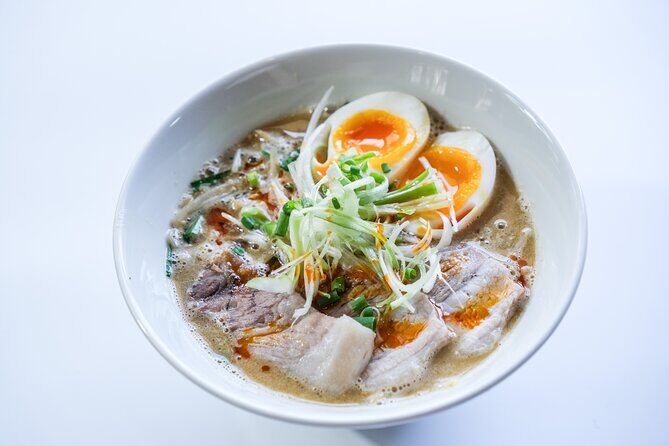
- From scratch, not from a kit: you make the noodle and soup parts, then assemble ramen
- Hideki’s step-by-step pace: the teaching style is patient and practical
- Multiple dishes in one session: ramen + gyoza + nitamago + chashu
- Small group (max 4): you get real attention instead of watching from the sidelines
- A real take-home recipe booklet: built for recreating what you learned
- Station-to-class help: clear communication and guidance if you run late
Hideki’s Kitchen Is Close to Your Tokyo Plans
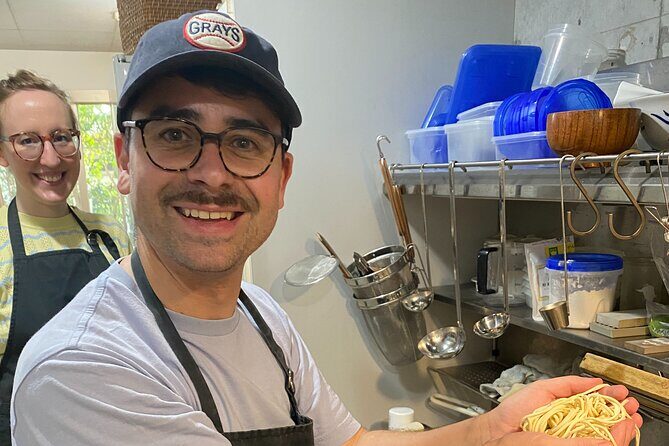
The meeting point is at Hideki Ramen Cooking Studio, 6-chōme-15-3 Minamishinagawa, Shinagawa City, Tokyo 140-0004. The location is handy because it keeps you near several major hubs. If your day includes stops around Ginza, Shibuya, Shinjuku, or Shinagawa, you’re not crossing town in every direction just to learn ramen.
The experience is built around a simple rhythm: you meet, you cook, you eat, then you’re back at the same starting point. That matters in Tokyo. You want something that fits between temple-hopping and train-hopping, not a day-long project.
Also, the class size is capped at 4 travelers. That’s a big deal for a cooking class. With fewer people, you’re more likely to get real feedback on what you’re doing, not just a few broad tips while the host repeats the same instructions for the group.
You can also read our reviews of more tours and experiences in Tokyo.



The 3-Hour Schedule: What You’ll Cook (and Why It Matters)
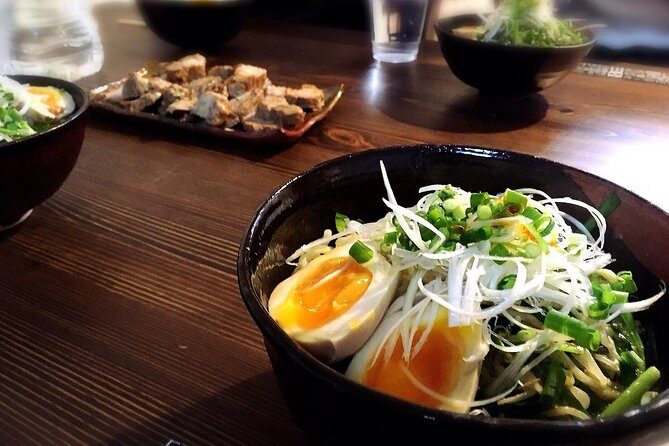
This class is about 3 hours, and it’s structured around the core components of ramen. You’re not just tasting soup and calling it a day. You’re learning how ramen flavor gets built, from stock to toppings to the finishing moment.
Here’s how the flow feels, based on what you do in the kitchen:
First, you work on the foundation: dashi. Even if you think you know ramen, stock is where the real difference shows up. Dashi is the base that gives the broth its character, and making it yourself forces you to pay attention to timing and technique.
Next comes the toppings. You’ll make nitamago, ramen-style boiled egg, and you’ll prepare chashu, boiled pork. These aren’t side quests. The egg and pork are what turn a bowl of broth into a proper ramen meal with texture, richness, and that restaurant-style balance.
Then you move into the fun part: the noodles and gyoza. Reviews emphasize making the noodles and soup from scratch, which is exactly what you should look for if you want to take skills home, not just recipes.
Finally, you eat lunch: the ramen you made from scratch. And yes, you get the satisfaction of eating something you built step by step, instead of wondering later if it would taste the same.
What makes this schedule valuable
Ramen can sound intimidating. It isn’t that ramen is complicated so much as it’s layered. This class breaks the layers into bite-sized tasks you can actually practice. By the time you sit down to eat, you understand what each component is supposed to do.
Dashi Stock: The Flavor Starting Line
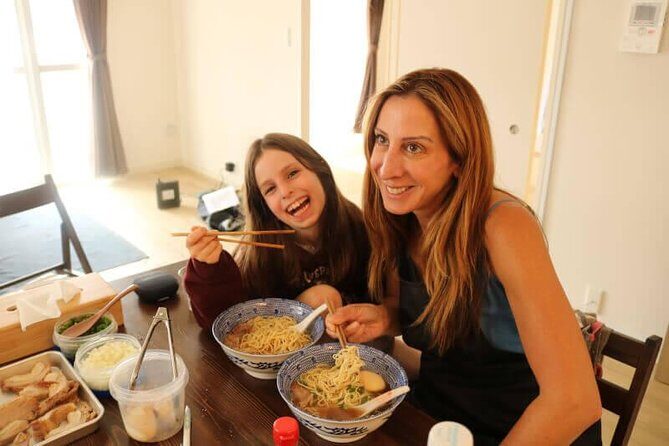
Dashi is the first thing you prepare in class. If you’ve only had ramen that came from a shop, this is where your perspective shifts. Homemade stock tastes different because you’re controlling the process, not just following instructions on a label.
In a class like this, the value isn’t theory. It’s learning what the stock process feels like in real time. You get to see how the broth changes as you prepare it, and how that affects the final bowl.
One practical reason I like this part of the lesson: once you understand dashi, you can adapt later. Even if you change toppings down the road, the broth base is still the starting point. That means you’re learning a skill, not memorizing one dish.
Nitamago: The Ramen Egg Trick You’ll Actually Reuse
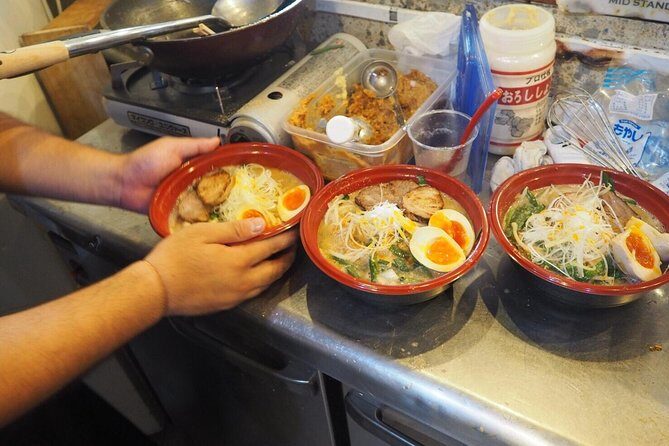
You’ll learn how to make nitamago, a ramen-style boiled egg. This is a favorite skill because it’s visually impressive and surprisingly doable at home once you’ve seen the method in context.
The egg part also teaches timing. The whole point of nitamago is getting that classic texture. You’re learning how ramen restaurants get that consistent result, and you’ll likely notice that small changes can shift the egg from tasty to wow.






Chashu Pork: How Restaurants Get That Tender Bite
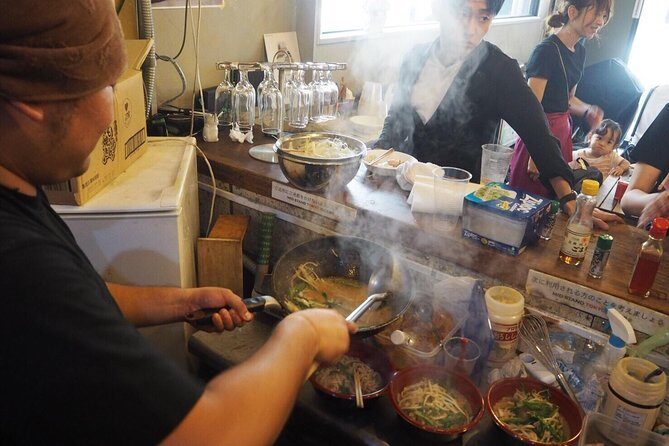
You also make chashu, boiled pork. Pork can go wrong fast when it’s underdone or overcooked. In this class, the goal is to give you a repeatable approach, with enough coaching that you don’t feel like you’re guessing.
One thing to love here is how the finishing stage gets handled. You get help so the pork ends up cooked in a way that matches the ramen experience you’re aiming for, not a random pot roast situation.
Even if you don’t plan to make chashu every week, this lesson is still useful. You’ll learn how to think about tenderness and timing, which transfers to other braises and cooked meats.
Ramen Noodles and Soup: The Part That Feels Like Magic
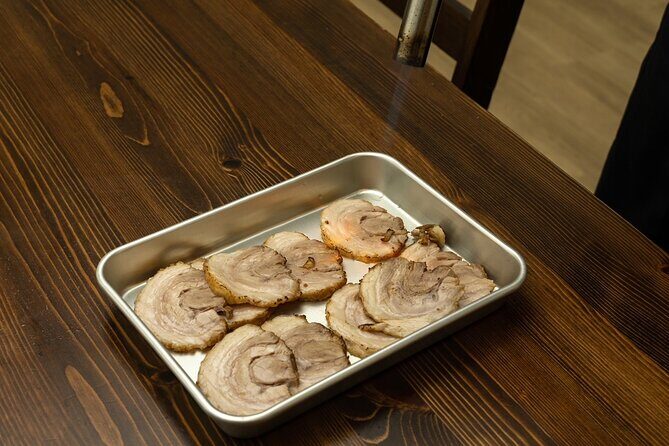
The reviews repeatedly call out making noodles and soup from scratch, and that’s the main reason this class stands out. A lot of ramen lessons focus only on toppings or broth flavoring. Here, you’re involved in the basics of the bowl: noodle and soup.
When you make noodles yourself, you learn why restaurant ramen feels different. It’s not only the broth. The noodle has a relationship with the soup. The class format helps you connect that relationship in real time, which makes it easier to recreate at home later.
The soup part matters for the same reason. If you’ve ever wondered why your bowl tastes like something is missing, it’s often the foundation. Dashi and how it’s handled set the stage for everything else.
Gyoza: Learning to Finish the Meal, Not Just Start It
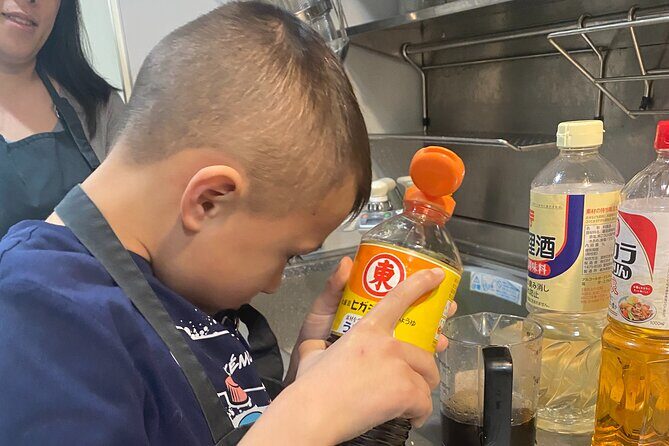
You’ll also cook gyoza dumplings alongside the ramen. This is one of those smart additions because gyoza is a natural pairing, and it changes the class from a single-dish project into a full lunch.
Gyoza is hands-on in the best way. You’re shaping, filling, and cooking, which means you’re learning through repetition. It’s also a dish you can bring back home pretty easily compared with ramen components.
And honestly, gyoza is the morale boost. When the dumplings start cooking, your whole schedule feels like it’s working. Then you get to eat what you made.
Hideki’s Teaching Style: Clear Steps and Real Patience
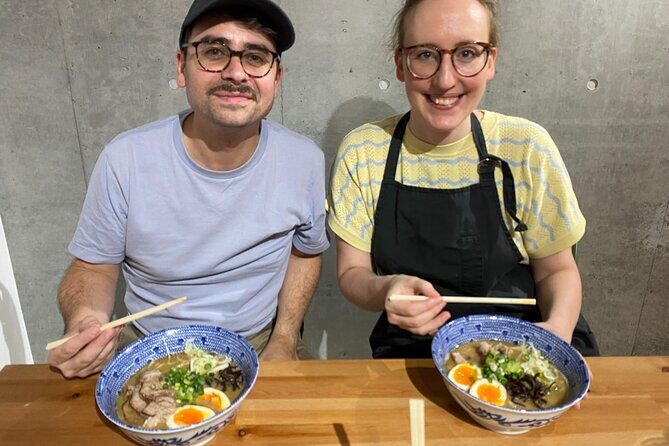
Hideki is the star here. The host worked at ramen restaurants for about 10 years, and it shows in how the class runs. Reviews highlight that he’s patient and walks people through each step.
That matters for a cooking class because your job is not to be a cooking wizard. Your job is to learn what you’re doing and why. A patient instructor keeps the class moving while still giving you a real chance to get it right.
There’s also good communication. One review mentions contact via WhatsApp when someone arrived late, and Hideki helped with the route. That’s useful if you’re the type who gets stuck in Tokyo trains for no reason, which is basically everyone at some point.
What You’ll Eat: Lunch Built from Your Work
Lunch is included, and it’s the ramen you make from scratch. You’re not finishing the class and leaving on an empty stomach with a recipe booklet you might use someday.
Eating in the same session is part of the learning. You taste the results while the process is still fresh in your mind. It also helps you understand texture, broth strength, and topping balance—things you can’t fully judge from reading instructions.
If you’re hungry during the day and you don’t want to hunt for a decent meal afterward, this inclusion is real value.
Price and Value: Why $115 Makes Sense for Skill, Not Stuff
At $115 per person, you’re paying for a short, structured, hands-on session with a pro host. What you get isn’t just one bowl of ramen. You get instruction and practice on multiple ramen components and gyoza, plus lunch.
Here’s the value logic I see:
- You’re learning core ramen building blocks (dashi, nitamago, chashu)
- You make the noodle and soup parts from scratch, which is harder than it sounds
- Small group size means more help per person
- Lunch is included, so you’re not paying extra for a meal
- You get a take-home instruction booklet, so you can repeat the process later
Alcohol is extra, but that’s common for cooking experiences. If you want tea or soda, you’ll likely pay separately too. Still, the class delivers enough food that you won’t feel deprived.
Also, this kind of class tends to book ahead. It’s commonly booked around 7 days in advance on average, so if ramen class is on your plan, don’t wait until the last minute.
Logistics That Actually Affect Your Day
This tour/activity ends back at the meeting point. That makes it easier to plan the rest of your Tokyo time block. You won’t lose half your afternoon trying to get back across town after cooking.
Confirmation comes within 48 hours of booking, subject to availability. It’s also near public transportation, and the meeting location is in an area that connects well to bigger neighborhoods.
One more detail that’s surprisingly useful: reviews describe Hideki escorting people to and from the train station. If you’re nervous about finding the place, that extra human help makes the whole experience feel smoother.
Who Should Book This Ramen Class (and Who Might Skip It)
This is ideal if you:
- want actual cooking skills, not just a food tasting
- love ramen enough to learn how it’s constructed
- prefer a small-group class with more hands-on guidance
- want something that includes lunch and ends without a big travel headache
You might think twice if you:
- only want a quick photo-and-eat activity
- hate hands-on kitchen work
- want an all-inclusive price with drinks included (alcohol/soft drinks cost extra)
Should You Book Hideki’s Scratch Ramen Class?
If you’re serious about ramen and you want skills you can repeat, I’d book it. The combination is strong: dashi, nitamago, chashu, noodles, gyoza, and a meal you can eat right away. Add in the small group size and Hideki’s patient, step-by-step teaching, and you’re getting a focused experience that feels worth the time and the cost.
If your goal is mainly to sample lots of Tokyo foods in one day, then a cooking class might feel slower than you want. But if you’re looking for one experience that teaches you something real, this one is an excellent fit.
FAQ
How long is the ramen cooking class?
The experience lasts about 3 hours.
What’s included in the price?
Lunch is included, and it’s the ramen you make from scratch. Alcoholic beverages and soft drinks are an additional cost.
How many people are in the class?
This activity has a maximum of 4 travelers.
Where does the class meet?
It starts at Hideki Ramen Cooking Studio, 6-chōme-15-3 Minamishinagawa, Shinagawa City, Tokyo 140-0004, Japan, and ends back at the meeting point.
Who hosts the cooking class?
Hideki hosts the class. He worked at ramen restaurants for about 10 years.
What will I cook during the class?
You’ll learn how to prepare dashi (soup stock), make nitamago (ramen-style boiled egg), cook chashu (boiled pork), and also make ramen and gyoza dumplings.
When will I receive confirmation after booking?
Confirmation is received within 48 hours of booking, subject to availability.
What is the cancellation policy?
Free cancellation is available. You can cancel up to 24 hours in advance for a full refund. If you cancel less than 24 hours before the start time, the amount paid is not refunded.