REVIEW · KYOTO
Private Highlights of Kyoto Tour
Book on Viator →Operated by WaRaiDo Guide Networks · Bookable on Viator
Kyoto hits you fast. This private highlights tour is built to get you oriented quickly and cover the big sights with a real guide. I love the two-route setup (northwest vs southeast), because you can shape the day around what you’re most excited about, whether that’s bamboo and Zen gardens or Fushimi’s red torii and Gion. I also like the private-small-group feel, with guides like Mie/Mia and Chako/Chouka who explain the why behind what you’re seeing. The only drawback: it’s a full day with steady walking, so comfortable shoes and a plan for crowds matter.
You start at Hotel Granvia Kyoto by Kyoto Station and then move around on public transport. You get a one-day city bus pass that you can keep using after the tour, which helps if you’re continuing sightseeing. Just keep in mind lunch is on your own, and Kyoto’s temple areas can get packed even when the guide is working the routes smartly.
In This Review
- Key points worth knowing before you go
- Entering Kyoto fast from Hotel Granvia and Kyoto Station
- Northwest route: Arashiyama, bamboo paths, Ryoan-ji, and the Golden Pavilion
- Southeast route: Fushimi Inari, a sake stop at Gekkeikan, and Kiyomizu’s old streets
- Nijo Castle and Sanjusangendo: two very different Kyoto “how it worked” lessons
- Nishiki Food Market: a smart option when you want Kyoto flavor without a food tour
- Gion finish and the 6 pm evening pivot
- How long it really takes and how the pacing feels
- Price and value: what $151.20 buys in Kyoto time
- The kind of traveler this fits best
- Should you book this Kyoto highlights tour?
- FAQ
- How long is the Kyoto highlights tour?
- Where does the tour start and what time does it begin?
- What are the two route options?
- What does the tour price include?
- Is lunch included?
- Can I cancel and get a refund?
Key points worth knowing before you go
- Two itinerary directions let you pick northwestern temples and bamboo, or southeastern shrines, sake, and old streets
- Private guide attention with top-tier English plus lots of context (often including symbolism in details)
- Admission is included for many major stops, so you’re not constantly paying at ticket gates
- Small group size (max 8) makes it easier to ask questions and adjust pacing
- You end in Gion, a great place to finish the day or pivot to an evening plan
Entering Kyoto fast from Hotel Granvia and Kyoto Station
The tour begins at Hotel Granvia Kyoto, near Kyoto Station, with a 9:00 am start. That matters more than it sounds. If you’re new to Kyoto, starting by the station helps you feel less lost right away. You’re also less dependent on taxis, because the plan uses public transport from the start.
You’ll travel by train and bus as needed, and the tour includes a one-day city bus pass. You can use that pass continuously after the tour, which is a quiet but practical bonus. If your day ends in Gion and you still want to hop somewhere nearby afterward, you’re already set.
This is also set up for a smooth day: you’ll get a mobile ticket, and the group size is kept small (up to 8). In the reviews, that small-group feel shows up a lot. People describe being met on time, getting a clear schedule, and having room to ask questions instead of being swept along like a factory tour.
You can also read our reviews of more private tours in Kyoto
Northwest route: Arashiyama, bamboo paths, Ryoan-ji, and the Golden Pavilion
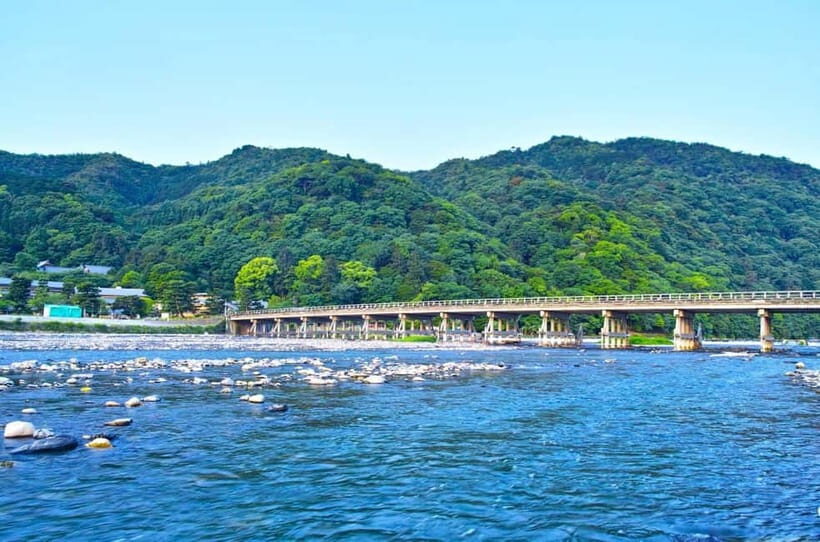
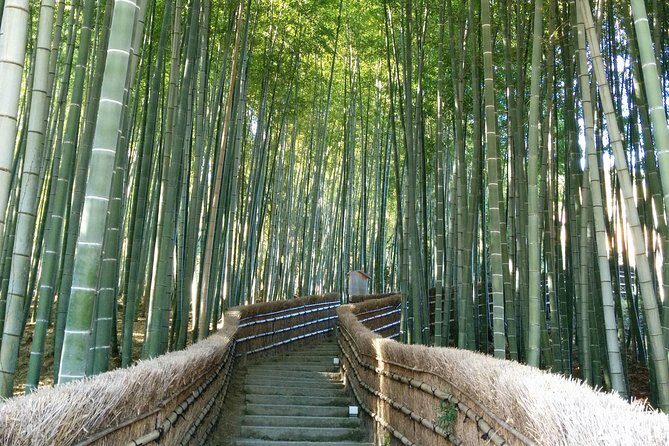
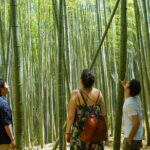
If you want Kyoto’s postcard scenes with a strong Zen and scenery angle, choose the northwest-bound itinerary. The day typically leads with Arashiyama Park, known for temples and that famous bamboo atmosphere. You’ll also have time around the area near Togetsukyo Bridge, the big wooden bridge near the bamboo grove.
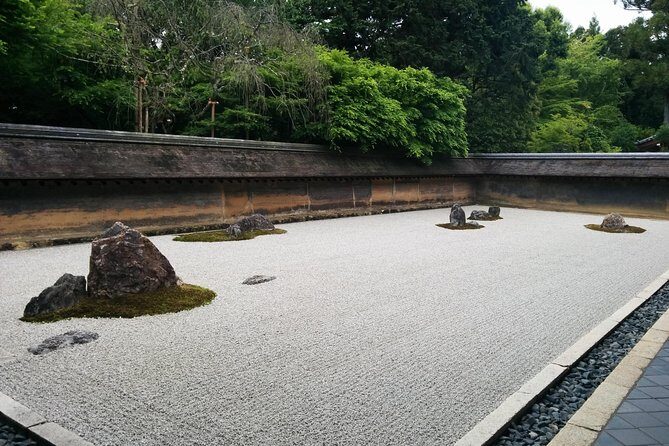
Then comes the Zen contrast: Ryoan-ji and its rock garden. The structure here is part of the lesson. You’re looking at 15 stones arranged to create multiple viewing interpretations depending on where you stand. It’s the kind of stop where a guide helps, because the garden feels simple until someone explains what the garden is trying to make you notice.
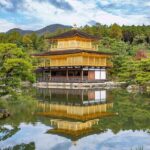
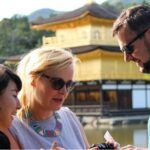
Next, you go to the Golden Pavilion (Kinkaku-ji). This is described as a three-story pagoda covered with gold leaves, set by a lake and backed by forest. It’s a major Kyoto icon for a reason. Even if you’ve seen photos, the real thing has a sharper feel in person—the reflections, the layered building, the way the grounds frame it.
Two more details shape this route:
- Nishiki Food Market is an option on the northwest side. If you like walking through food stalls and sampling at your own pace, this works well.
- Nijo Castle can be paired as another major cultural stop depending on the route mix.
The key thing to plan for on this side is timing and footing. Bamboo and temple grounds mean more walking than you expect. You’ll be moving around several distinct areas, often with short blocks of time at each stop (about 30–50 minutes at many locations). Bring shoes you don’t mind muddying a bit if weather turns.
Southeast route: Fushimi Inari, a sake stop at Gekkeikan, and Kiyomizu’s old streets
The southeast-bound itinerary is for you if you want Kyoto’s spiritual energy plus a classic mountain-shrine photo hit, and you don’t mind a little stair-and-slope effort.
A highlight here is Fushimi Inari-taisha Shrine, famous for its thousands of red torii gates covering the mountain path. There are also stone foxes and shrines, and the whole place has that layered feeling of being both scenic and sacred. The tour keeps time tight but meaningful—around 50 minutes—which is important because lines and crowd flow can change quickly.
Before or around that shrine segment, you may visit Gekkeikan Okura Sake Museum. It’s an older sake brand, and the visit is built around understanding how Japan’s rice wine is made and why sake culture matters. If you’ve tried sake in Tokyo or at home and want the “how it’s made” and “why it’s treated seriously” angle, this stop gives you context without turning into a long museum day.
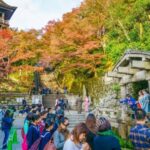
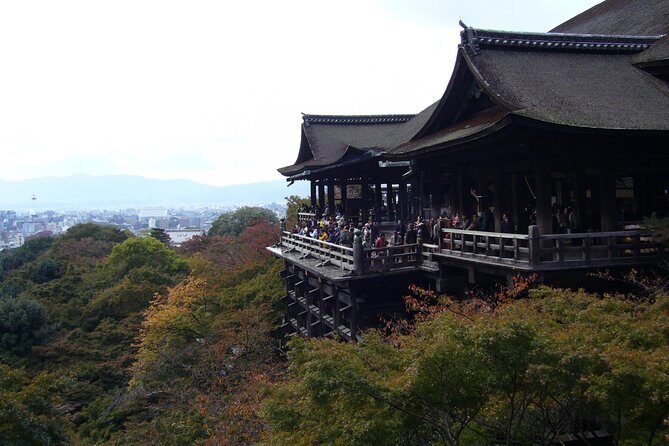
Then you head to Kiyomizu-dera. This is a hilltop landmark dating back to the 8th century, and the balcony views are the star. You’ll also have time on the historic approach areas like Ninenzaka and Sannenzaka, where the slopes and traditional streets give you that Kyoto atmosphere you only get when you walk it, not just look at it.
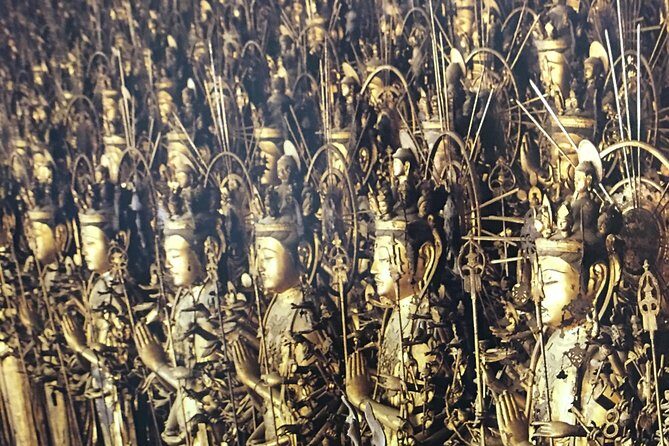
On this side, you can also get Sanjusangendo, with its 1001 Kannon statues. That stop is visually intense. It’s not just a number game either. The sheer repetition makes it feel like an entire space built around devotion and attention to detail.
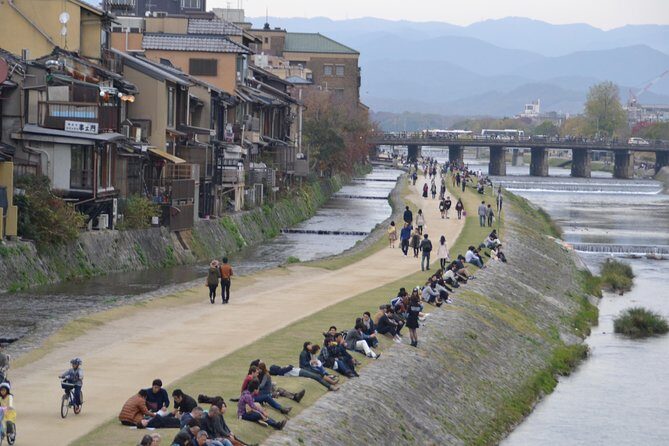
Finally, the tour ends in Gion, which is a great way to close the day. Many people like ending here because you get a shift in vibe—from temples and shrines to the quieter lanes and evening-friendly atmosphere.
Nijo Castle and Sanjusangendo: two very different Kyoto “how it worked” lessons
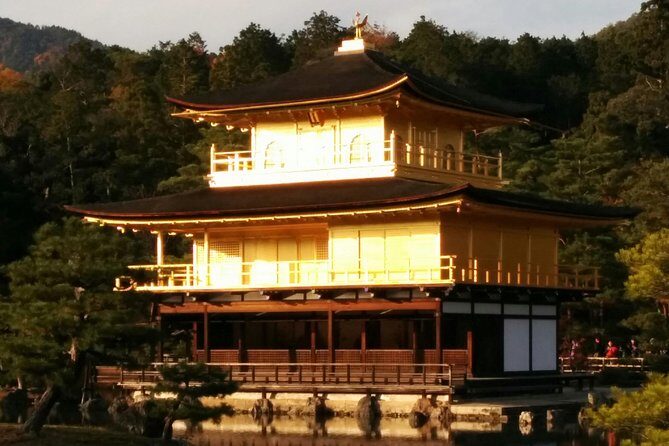
Even if your day starts on the northwestern or southeastern side, you’ll likely touch Nijo Castle and Sanjusangendo at some point. And these two stops do something useful: they broaden Kyoto beyond scenery.
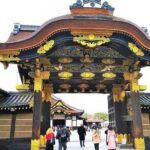
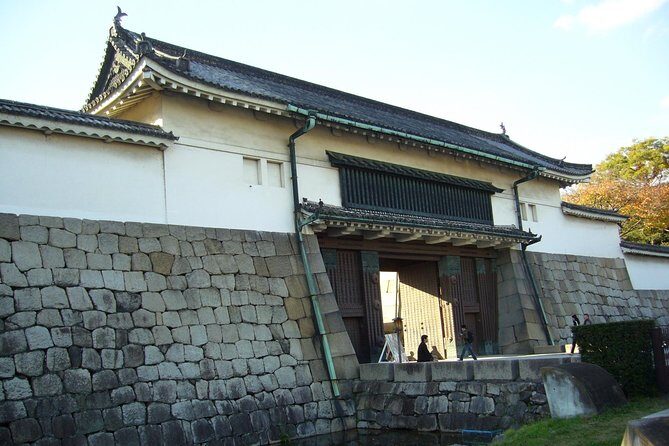
Nijo Castle links directly to the Tokugawa Shogunate era, built in the early 17th century. The highlight is touring the original living quarters of the shogun. That means you’re seeing power, architecture, and daily life as one system, not just admiring walls and gates.
The other stop, Sanjusangendo, is almost the opposite. Instead of political space, you get religious space on a massive scale: 1001 Kannon statues. The “why” behind the number is something your guide can explain in plain language, and it’s usually the kind of detail that makes the stop stick after you leave.
In the reviews, a big theme is how guides make these places easier to understand. People specifically call out guides who explain symbolism in decorations and sculptures. That’s the difference between seeing a famous site and actually getting something from it.
Nishiki Food Market: a smart option when you want Kyoto flavor without a food tour
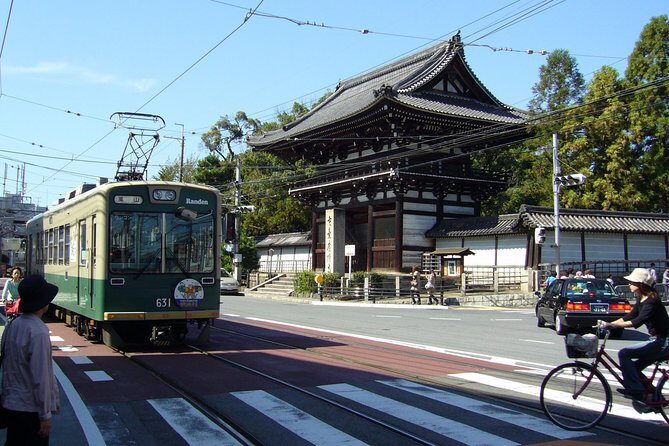
If you choose the version that includes Nishiki Food Market, you get a different kind of Kyoto highlight. It’s a food market area, but what makes it worthwhile on a limited-time day is the sensory tour it creates. You’re not locked into one restaurant. You can browse and snack as you like.
This also helps with the tour’s structure. Lunch is not included, so you’ll need to plan your own meal. Nishiki can turn that lunch gap into a practical win: eat when you’re hungry, and keep moving without wasting time hunting.
If you’re not in a food mood that day, remember the itinerary notes Nijo Castle as an alternative option in this area mix. Either way, you’re getting a culturally meaningful stop rather than just breaking for convenience.

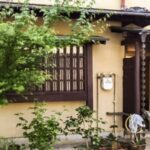
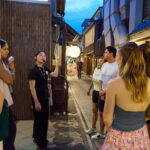
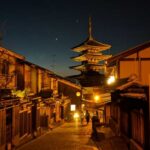
Gion finish and the 6 pm evening pivot
At the end of the day, the tour concludes in Gion. That’s a strategic ending point. You’re already done with the heavy temple blocks, and you’re placed in one of Kyoto’s most iconic neighborhoods for the next stage of your day.
The information also notes an additional Gion-focused tour that starts at 6:00 pm. So if you want to keep going after the highlights day, you’ve got an easy handoff option rather than trying to figure out your evening from scratch.
How long it really takes and how the pacing feels
The tour runs about 7 hours. That can sound either short or long depending on your energy level, but the stop timing clues help: many stops are around 30–50 minutes. There’s enough time to walk the key paths, see the main sights, and still regroup without feeling rushed every second.
That pacing is one reason people rate this so highly. In the reviews, you see repeated praise for guides who hit the right amount of information, keep questions flowing, and adjust for weather. Even in rainy conditions, the tour structure still works because you’re moving through indoor and covered areas as needed, then stepping out for outdoor highlights.
Still, this is not a sit-down day. You’ll walk—some of it on slopes and temple approaches. If your travel style is gentle and slow, you may find this “full-day highlights” format a bit intense.
Price and value: what $151.20 buys in Kyoto time
At $151.20 per person, this tour is priced for serious first-time coverage: a private guide for a half-day-to-full-day block, plus public transport, plus a city bus pass, plus admission at multiple major sites.
What makes it feel like value is the combo:
- Professional English-speaking guide for the whole day
- Admission tickets included at key temples and sites like Kinkaku-ji, Kiyomizu-dera, Nijo Castle, Sanjusangendo, and Ryoan-ji (and others listed as included)
- Public transportation handled as part of the plan
- A bus pass you can keep using after the tour
Lunch and food are not included, so you’ll still budget for that. But compared to piecing together a day of tickets plus a private guide just for part of the day, this structure is the point.
One more practical value detail: the day starts near Kyoto Station and uses transit. That lowers stress. Less time lost to figuring out which line goes where means more time in the actual places you came to see.
The kind of traveler this fits best
This is a strong pick if:
- it’s your first time in Kyoto and you want the highest-impact sights
- you care about context—not just photos—especially for temples, shogunate-era architecture, and shrine meaning
- you want a guide who can steer you through crowd flow and answer questions without making you feel rushed
It may be less ideal if you prefer:
- a slow walk with fewer stops
- lots of free time with no schedule
- a totally food-centered day (you do get food options like Nishiki, but it’s not a dedicated tasting tour)
Based on the guide names and the pattern of praise, you’ll likely get a guide who talks history and also makes the day feel human. People specifically credit guides like Mia/Mie and Chako/Chouka for good pacing, humor, and staying friendly even when conditions are not perfect.
Should you book this Kyoto highlights tour?
Yes—if your goal is to see the biggest Kyoto icons with a pro guide and you’re okay with a full day of walking. The tour’s value comes from the structure: two smart itinerary directions, multiple paid admissions included, and a finish in Gion so your day doesn’t end in transit limbo.
Book it early if you can. It’s often reserved about 55 days in advance, and this kind of tight, guide-led plan is popular for a reason. If you’re going during busy seasons or you want a specific route (northwest vs southeast), planning ahead makes your life easier.
If you’re the type who wants to understand Kyoto’s temples and neighborhoods instead of just ticking off a list, this tour is built for that.
FAQ
How long is the Kyoto highlights tour?
It runs for about 7 hours.
Where does the tour start and what time does it begin?
The meeting point is Hotel Granvia Kyoto near Kyoto Station, and the start time is 9:00 am.
What are the two route options?
You choose either a northwest-bound route (including stops such as Arashiyama Park, Ryoan-ji, Kinkakuji Golden Pavilion, and options like Nishiki Food Market or Nijo Castle) or a southeast-bound route (including Fushimi Inari Shrine, Kiyomizu-dera, and Gion, with options like Gekkeikan Sake Museum and Sanjusangendo).
What does the tour price include?
Included are a professional English-speaking guide, public transportation, and a one-day city bus pass you can keep using after the tour. Many key sites also have admission included (based on the stop list).
Is lunch included?
No. Food and drinks and lunch are not included, so you’ll plan lunch on your own.
Can I cancel and get a refund?
Yes. Free cancellation is available if you cancel up to 24 hours in advance for a full refund.
If you tell me your travel dates and which vibe you want (bamboo/Zen vs torii/shrines/sake), I can help you choose the better route mix for your day.