REVIEW · TOKYO
Sushi Making in Tokyo at a Michelin-Listed Restaurant
Book on Viator →Operated by Japan Destinations · Bookable on Viator
Sushi lessons in Tokyo feel like a cheat code. You’ll wear a sushi chef outfit, learn nigiri technique from a Michelin-listed team at a standing counter in Shibuya, and make 10 pieces that you’ll also get to eat.
I especially like how the class is built around doing, not just watching. You’re in a small group (max 10), which makes it easier to get real-time guidance and adjust your technique as you go. One possible drawback: there’s at least one reported case of the venue being closed due to an internal oversight, so it’s smart to stay alert the day of.
In This Review
- Key Highlights Worth Booking For
- Michelin-Listed Standing Sushi in Shibuya: Why This Feels Like Real Value
- From Sasazuka Meeting Point to Chef Costume: How the Experience Starts
- Crafting Nigiri Yourself: What You Learn While Making 10 Pieces
- The Chef’s Counter-View: Tasting 10 Upgraded Nigiri Pieces
- Tea or Sake Pairing: A Small Detail That Makes the Class Feel Complete
- The Souvenir You’ll Actually Use: Commemorative Chopsticks
- Price, Group Size, and Timing: What to Know Before You Go
- The price
- Group size
- Duration
- Logistics and transport
- A Realistic Heads-Up: When Things Go Wrong (and How to Handle It)
- Who This Sushi-Making Class Suits Best
- Should You Book This Sushi-Making in Tokyo (Michelin-Listed) Class)?
- FAQ
- How long is the sushi-making experience?
- Where does the experience take place?
- What is the price per person?
- What will I make during the class?
- How much sushi will I taste besides what I make?
- Is tea or sake included?
- What’s included in the package?
- What if I have dietary restrictions?
- What’s the maximum group size?
- Is transportation included?
Key Highlights Worth Booking For
- 10 nigiri pieces you make: you practice the core steps yourself, not just take photos.
- 10 chef-made bites to compare: you taste the chef’s selection using upgraded ingredients.
- Michelin-listed standing sushi experience in Shibuya: authentic counter energy, not a classroom setup.
- Chef costume + tools included: less hassle, more fun, and you start learning immediately.
- Tea or sake set included: a simple pairing moment that makes the meal feel complete.
- Commemorative chopsticks souvenir: a small keepsake you’ll actually use after the trip.
Michelin-Listed Standing Sushi in Shibuya: Why This Feels Like Real Value
This class is priced like a hands-on meal plus instruction, and that’s exactly what you get. For about $99.08 per person, you’re not only paying for a dinner—you’re paying for a short, structured lesson at a Michelin-listed counter, where you make your own nigiri and then taste the chef’s version.
What makes it feel like good value is the ratio of “you do” time to “you watch” time. You’ll craft 10 pieces yourself, and then you’ll taste 10 pieces made by the chef, including upgraded ingredients. That built-in comparison is the part that helps your brain lock in what “good” looks and feels like.
The setting is also part of the appeal. This happens at Tachiguisushi Sushikawa, described as a standing sushi spot in Shibuya, with an Edo-style vibe. Standing counters tend to feel more immediate: the process happens in your space, and you’re closer to the hands and timing that matter.
A few more Tokyo tours and experiences worth a look
From Sasazuka Meeting Point to Chef Costume: How the Experience Starts
The meeting point is in Shibuya’s Sasazuka area: 151-0073 Tokyo, Shibuya, Sasazuka, 1-chōme626 プライムブリス笹塚. The activity ends back at the same place, and it’s near public transportation—handy in Tokyo, where you’ll often be switching lines.
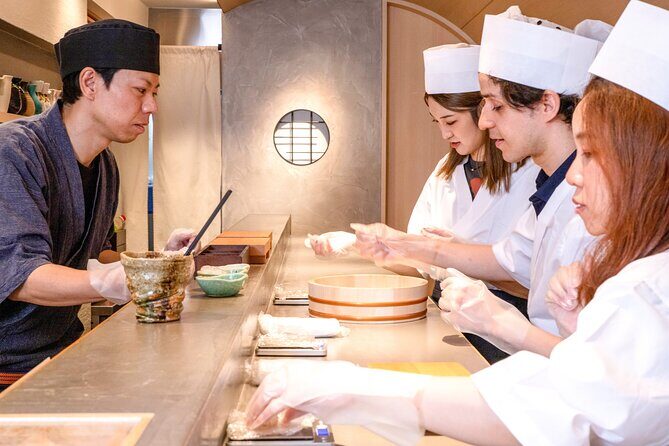
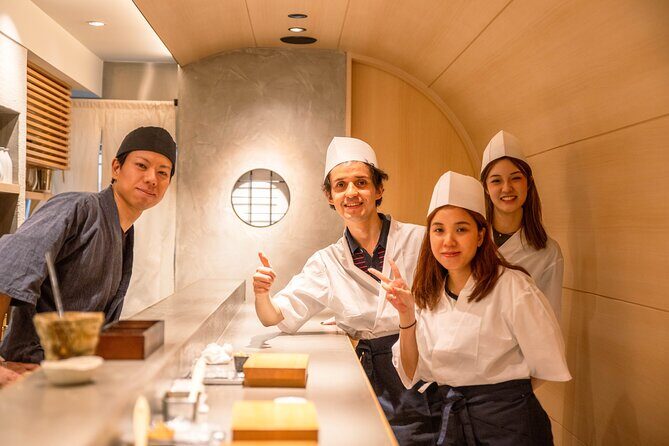
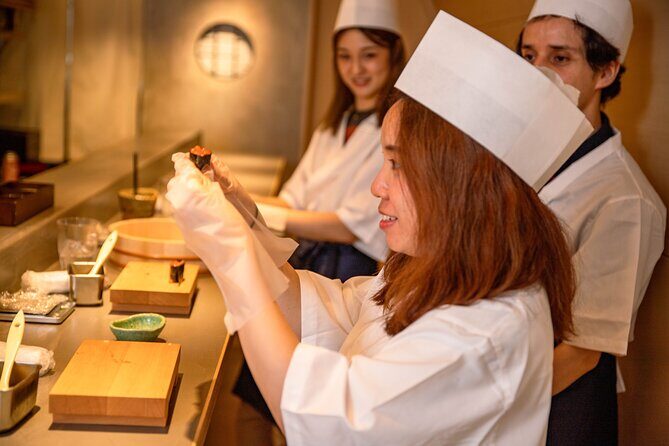
You’ll be greeted by an English guide, and you’ll start by stepping into the role. The class includes a sushi chef costume, plus all the tools you need. That matters more than it sounds. In a lot of “food experiences,” you spend time figuring out logistics. Here, the goal is to get you making sushi fast.
Once you’re suited up, you’re not just dressing for a picture. The costume cues the tone: you’re participating like a student at a counter, not sitting like a spectator in a studio. It’s a small thing, but it helps you stay focused when the lesson starts moving.
Practical tip: wear comfortable shoes. Even if you’re not told you’ll be standing the whole time, standing-counter sushi setups usually mean you’ll spend part of the class on your feet.
Crafting Nigiri Yourself: What You Learn While Making 10 Pieces
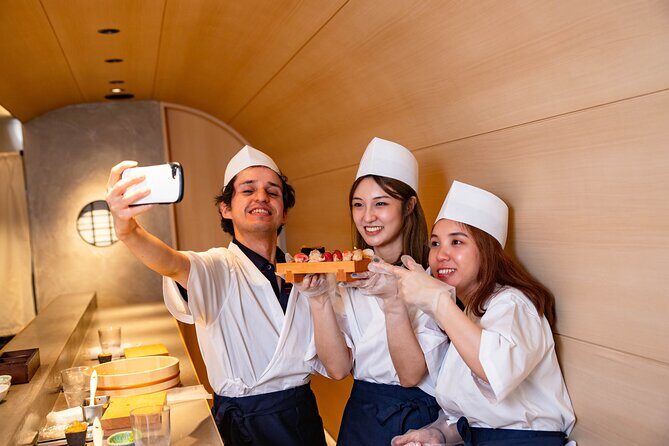
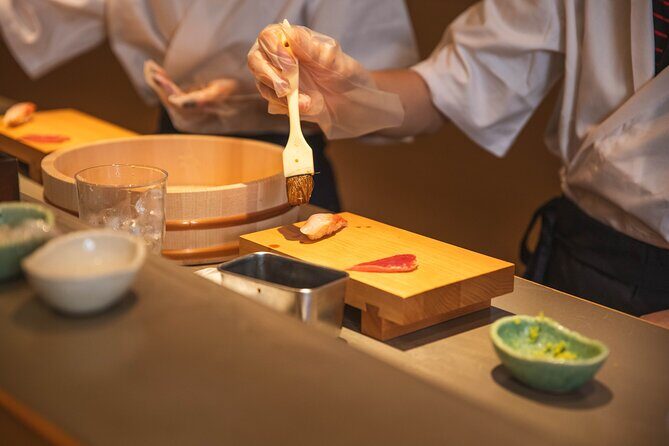
The core of the workshop is learning how to make authentic nigiri sushi with expert guidance. The experience is clearly designed around repetition and feedback: you’ll make 10 pieces yourself, while the chef guides the process.
For most people, nigiri feels deceptively simple. Rice. Fish. Shape. Done, right? Then you try it and realize it takes touch—pressure, moisture, and how the pieces hold together. The class format sets you up for that reality check in a supportive way. You’ll get coaching while you practice, and you’ll be able to compare your output later to the chef’s.
Here’s what makes this segment useful beyond the novelty:
- You’ll leave with a mental checklist for what makes nigiri work: texture, portion, and how the fish sits on top of the rice.
- You’ll understand the “why” behind technique, because you’re making the food in real time rather than memorizing a recipe.
- You’ll get confidence for ordering or even attempting at home later, because you’ll know what to look for.
You should also expect the group to stay small (max 10). That matters when you’re learning a hands-on skill. It’s much easier to get your question answered, and it’s easier for the chef to notice what needs adjusting.
If you have food restrictions, the experience asks you to inform the team in advance so they can consult for suitable options. Don’t wait until you arrive—this type of class depends on planning the ingredients and workflow.
The Chef’s Counter-View: Tasting 10 Upgraded Nigiri Pieces
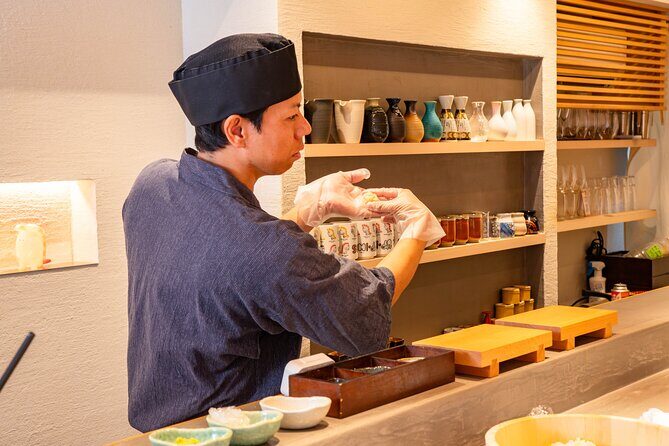
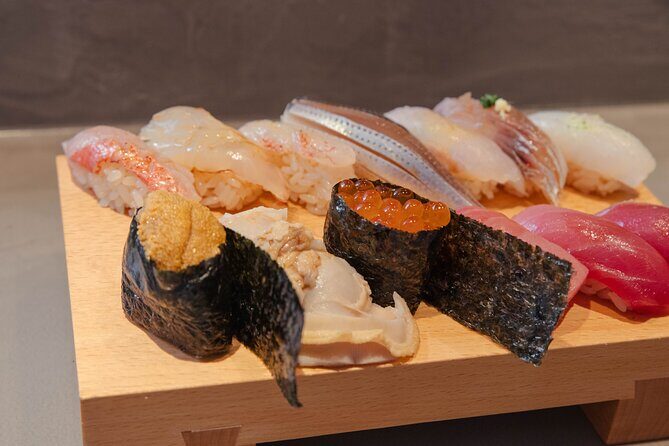
After you make your 10 pieces, you’ll taste 10 pieces made by the chef, with upgraded ingredients. This is where the experience really clicks for a lot of people, because it turns your practice into a lesson with clear benchmarks.
Think of it like this: you make your version, then you eat the chef’s version right after. Your senses aren’t switching topics. They’re comparing. That immediate comparison helps you notice the differences you can’t see on day one—like how fish texture changes with temperature, or how the balance of rice and fish creates a cleaner bite.
You’ll also get to savor your creations alongside the chef’s sushi. That’s not just “included.” It’s strategically smart. You don’t have to guess how your effort stacks up—you learn in the moment.
What to do in your tasting phase:
- Eat slowly enough to notice mouthfeel and how the bite changes after the first second.
- Pay attention to how the fish sits relative to the rice.
- If you’re taking notes for home later, now is the moment. Once you leave, you’ll remember the vibe but not always the details.
Tea or Sake Pairing: A Small Detail That Makes the Class Feel Complete
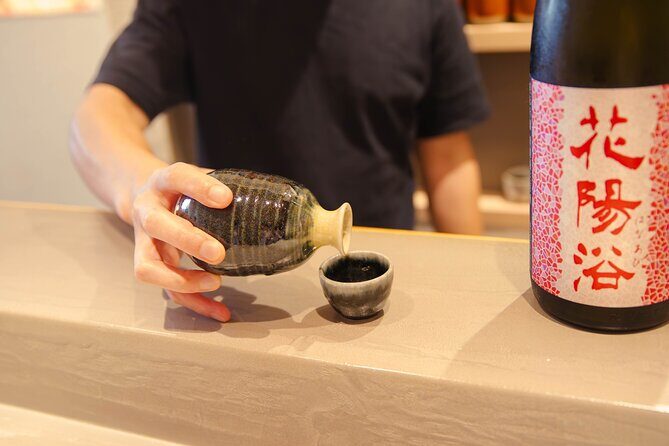
You’ll enjoy a complimentary Japanese tea or sake set during the experience. The choice is yours, and it adds a calming pause between making and eating.
Why this matters: in Japan, drinks often function as a reset button for flavor. Tea can keep flavors clean, while sake can round things out and bring out richness. Even if you’re not a “pairing” person, having something included makes the meal feel finished, not like a snack break between lessons.
If you choose sake, remember it’s part of the experience, not a party invitation. Keep it steady, especially since you’ll likely be focused on standing at the counter during the class.





The Souvenir You’ll Actually Use: Commemorative Chopsticks
At the end, you take home a pair of commemorative chopsticks. It’s a simple souvenir, but it fits the experience. This isn’t a generic postcard-style giveaway. It’s tied directly to sushi culture, and it’s something you can use on your next home meal to remember the technique you practiced.
In a city full of food gadgets, “useful keepsake” is a big deal. These chopsticks are the kind you won’t immediately toss in a drawer.
Price, Group Size, and Timing: What to Know Before You Go
The price
At $99.08 per person for about 1 hour 30 minutes, you’re paying for:
- Tools and chef costume
- Instruction from sushi chefs in a Michelin-listed setting
- A meal that includes what you make and what the chef makes
- A drink set (tea or sake)
- A souvenir
- An English guide
That’s why this can be more cost-effective than it looks. You’re not just buying fish. You’re buying the lesson structure plus two rounds of eating.
Group size
The group max is 10 travelers. For a workshop, that’s the sweet spot where you still feel personal help. If you’ve ever taken a class where you’re lost in the crowd, this setup should feel easier to manage.
Duration
Expect about 1 hour 30 minutes. That’s long enough to make 10 pieces and still taste the chef’s selection without rushing. Tokyo activities can be tight, so this length is practical for fitting into your day.
Logistics and transport
Private transportation isn’t included, and the meeting point is near public transport. Plan on using trains or walking connectors to get there smoothly.
A Realistic Heads-Up: When Things Go Wrong (and How to Handle It)
One review included a blunt warning: the restaurant was closed when the group arrived, despite advance booking. The guest said they tried contacting the vendor and had no response for a time.
I can’t predict whether you’ll face this problem. But I can tell you how to protect yourself:
- Keep your booking confirmation handy on your phone.
- Check the day-of timing and the meeting location carefully.
- If anything looks off, contact the operator through the same channel you booked with, as quickly as possible.
Most of the time, these classes run as planned. Still, in Tokyo—where weather and schedules can shift—having a calm backup plan is smart.
Who This Sushi-Making Class Suits Best
This experience is a great match if you:
- Want a hands-on Tokyo food experience, not a long meal where you do nothing
- Like learning skills you can use later (even if you only practice a little at home)
- Enjoy counter-style eating and being close to the action
- Want a structured class that includes both instruction and a substantial tasting
It’s also a good option for food-focused travelers who care about authenticity. The class is described as an Edo-style setting and a standing sushi restaurant experience, which generally feels more like Japan than a touristy food demo.
If you’re traveling with limited time, the 1.5-hour length can work well. If you’re the type who needs a lot of downtime, you might find it a little fast—but the pace is part of the charm.
Should You Book This Sushi-Making in Tokyo (Michelin-Listed) Class)?
If you want to learn nigiri in a real sushi counter setting and you like the idea of making 10 pieces with chef feedback, I think this is a smart buy. The combination of making your own nigiri, tasting the chef’s improved version, and getting tea or sake included makes it feel like a complete experience, not just a class ticket.
Book it if:
- You’re excited to practice with your hands
- You want a small group setting (max 10)
- You like taking home an actual sushi-related souvenir
Consider booking cautiously if:
- You’re extremely time-sensitive and can’t risk any last-minute hiccups
- You rely on precise dietary accommodations and haven’t informed the team in advance
If you’re flexible and you show up ready to learn, you’ll get something most food tours can’t offer: the skill behind the flavor.
FAQ
How long is the sushi-making experience?
It lasts about 1 hour 30 minutes.
Where does the experience take place?
It’s in Tokyo, with the meeting point in Shibuya (Sasazuka): 151-0073 Tokyo, Shibuya, Sasazuka, 1-chōme626 プライムブリス笹塚.
What is the price per person?
The price is $99.08 per person.
What will I make during the class?
You’ll make 10 pieces of nigiri sushi yourself.
How much sushi will I taste besides what I make?
You’ll taste 10 pieces of sushi made by the chef, using upgraded ingredients.
Is tea or sake included?
Yes. A Japanese tea or sake set is included.
What’s included in the package?
Included are the tools needed for sushi making, the sushi chef costume, the meal (your sushi and the chef’s sushi), the tea or sake set, a souvenir, and an English guide.
What if I have dietary restrictions?
If you have food restrictions or vegetarian preferences, you should inform the team in advance so they can consult for suitable options.
What’s the maximum group size?
The class has a maximum of 10 travelers.
Is transportation included?
No, private transportation isn’t included. The meeting point is near public transportation.