REVIEW · HAKONE
Hakone Hachiri: Old Tokaido Highway Hiking Tour
Book on GetYourGuide →Operated by Coconuts Hike Japan · Bookable on GetYourGuide
Hakone Hachiri turns a postcard into a hike. You’ll follow the old Tokaido route through Hakone’s historic terrain, with big scenery stops at Lake Ashi and a real taste of Edo-era travel culture via the amasake tea house.
I love that this is beginner-friendly, with about 8 km of walking and plenty of built-in breaks for photos and snacks. I also like the small-group feel (up to 6) and the presence of a certified guide with wilderness first-aid training, often named Aki/Akihiro, who keeps the day safe and easy to follow.
One consideration: Mt Fuji isn’t guaranteed, and the route includes cobbles and some uneven sections, so you need comfortable shoes and a willingness to walk steadily for about 5–6 hours total.
In This Review
- Key highlights at a glance
- Walking Japan’s Old Tokaido: What Hakone Hachiri Really Is
- From Hakone-Yumoto With a Small Group and an Aki-Level Game Plan
- Sukumo River to Hatajuku: Warm-Up Hiking and Edo-Era Snacks
- The 400-Year Amasake Tea House Stop: More Than a Snack Break
- Cobbled Old Tokaido to Lake Ashi: Fuji Views If You’re Lucky
- Cedar Avenue and the Hakone Checkpoint Gate: The Edo Control Point Feeling
- Hakone Pass by Bus and Castle Ruins After Lunch
- Mishima Taisha and Genbe River: A Calm Ending at Station Time
- Price and Value: Is $167 Worth It?
- What to Bring and How to Walk Smart on Cobblestones
- Who Should Book Hakone Hachiri and Who Should Skip It
- Should You Book? My Take
- FAQ
- Where does the tour start?
- How long is the tour?
- How much walking is involved?
- Is Mt Fuji guaranteed?
- What language is the guide?
- How big is the group?
- Is lunch included?
- Is bus transportation between sites included?
Key highlights at a glance
- 400-year-old teahouse amasake at Hatajuku’s old-route stop
- Old Tokaido cobblestones plus cedar avenue photo moments
- Lake Ashi viewpoints where the Hakone Shrine torii often shows up
- Edo-era checkpoint atmosphere at the Hakone checkpoint gate
- Mishima Taisha + Genbe River to round out the day with calmer scenery
Walking Japan’s Old Tokaido: What Hakone Hachiri Really Is
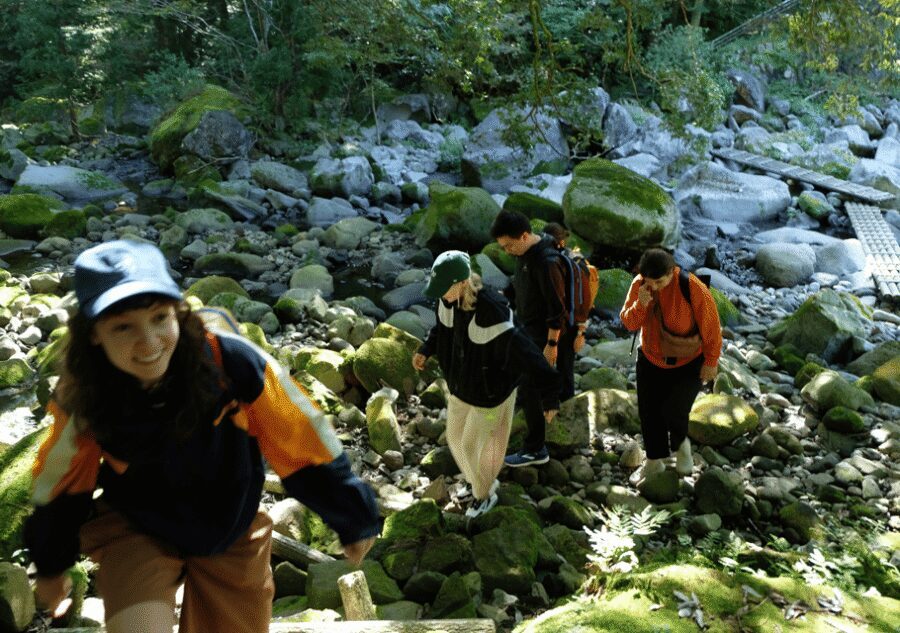
Hakone Hachiri is part of the old Tokaido Highway—the route that linked Kyoto to Edo (today’s Tokyo). The twist here is Hakone’s mountains. Long ago, travelers didn’t just “see Hakone.” They paid for the privilege with sweat and slow steps.
The name gives you the scale. Hachi means eight, and ri is roughly 4 km, so Hachiri refers to a difficult 32 km stretch of mountain path. This tour doesn’t try to force the whole brutal version. Instead, you hike a portion of the Heritage route and use buses to skip the steepest bits. That matters, because you’ll still get the feeling of old travel—without needing a mountain expedition budget in pain gel.
What you’re buying is perspective. Bullet trains move you fast. This route moves you slow, in the way Edo travelers must have understood—one checkpoint, one river crossing, one tea break at a time.
You can also read our reviews of more hiking tours in Hakone

From Hakone-Yumoto With a Small Group and an Aki-Level Game Plan
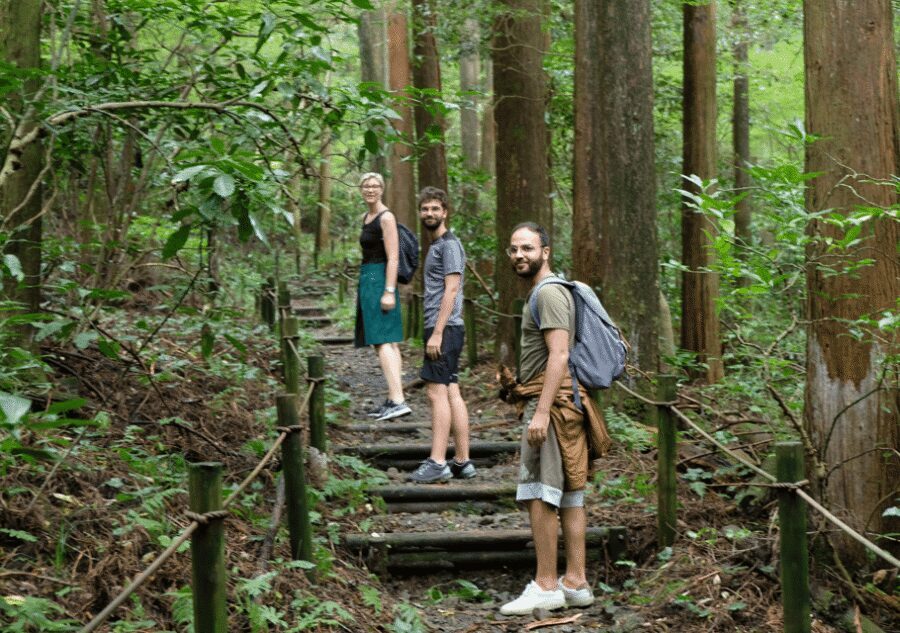
Your day starts at Hakone-Yumoto Station, at the ticket gate. The guide meets you there, then you ride together to the trailhead—often by a short black cab segment—so you’re walking sooner and without the hassle of hunting meeting points.
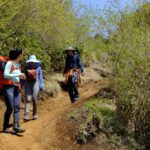
This is a small group capped at 6, which helps in two big ways. First, it makes the pacing kinder. Second, it gives the guide a better chance to watch footing on the uneven parts. In reviews, the guide is often described as attentive and flexible, including adjusting to a slower pace and paying attention to tricky or slippery sections.
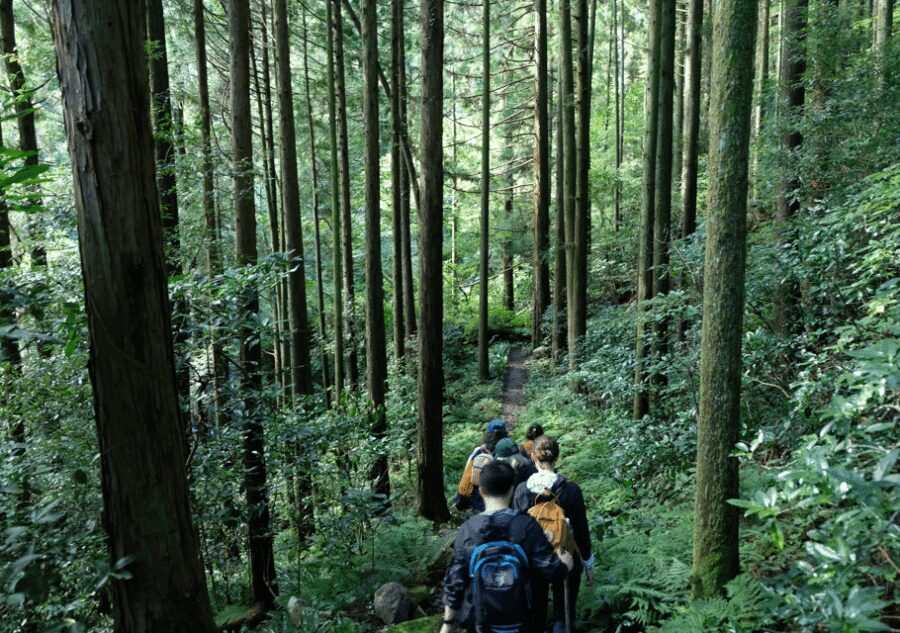
A lot of the hiking is described as gentle slopes or cobbled paths, and the tour is explicitly for beginners. Translation: you won’t need poles or alpine skills. You will want shoes with grip, because cobbles can be sneaky when you’re tired.
Sukumo River to Hatajuku: Warm-Up Hiking and Edo-Era Snacks
The morning opens with a walk along the Sukumo River (about 1 hour). This is a good start because river paths usually feel less intimidating than immediate steep climbs. You get that “I’m on the old road” feeling early, before the route mixes in cobblestones and postcard stops.
Next comes Hatajuku, where you’ll visit and have time to shop or pass by local spots (around 30 minutes). This isn’t a museum stop. It’s more like stepping into the idea of old-route life: small-route commerce, route snacks, and the sense that travelers would have passed through here and kept moving.
Then you transition to the teahouse stop by short bus/coach transfer (about 10 minutes). That short ride is a nice break that keeps the day from turning into a pure legs-only workout.
The 400-Year Amasake Tea House Stop: More Than a Snack Break
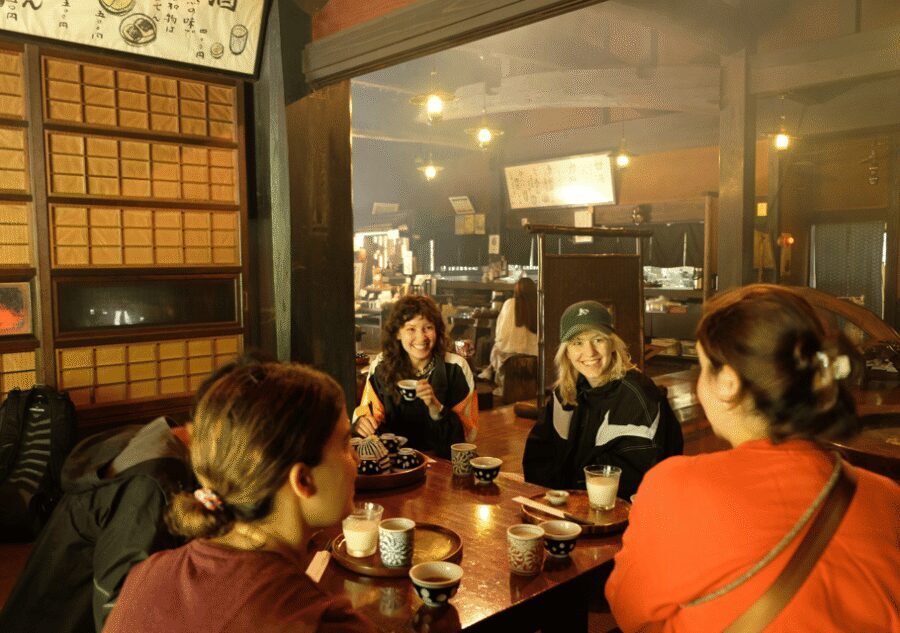
One of the strongest reasons to choose this tour is the amasake at a tea house with about 400 years of history. This is one of those experiences that sounds simple until you actually think about it: a drink that matches the rhythm of travel—warming, filling, and meant to be shared.
You’ll have about 30 minutes here for local snacks and the amasake itself. If you care about food as part of place (and not just a checkbox), this is where the day becomes memorable. It’s also where you get a more human side of the old-route story: travelers weren’t just hauling themselves across Japan. They were refueling, socializing, and taking short pauses that let them keep going.
The tour also tends to build these stops at realistic intervals. In reviews, the pacing is often described as well-balanced: a mix of walking time, then breaks for snacks and information.
Cobbled Old Tokaido to Lake Ashi: Fuji Views If You’re Lucky
After the tea stop, you hit the cobbles on the Old Tokaido Highway (about 45 minutes). Cobbles look charming in photos. In real life, they demand attention for a while. The upside: the texture of the route makes the Edo-era idea feel more solid. This isn’t “around-town walking.” It’s walking on a path built for foot travelers.
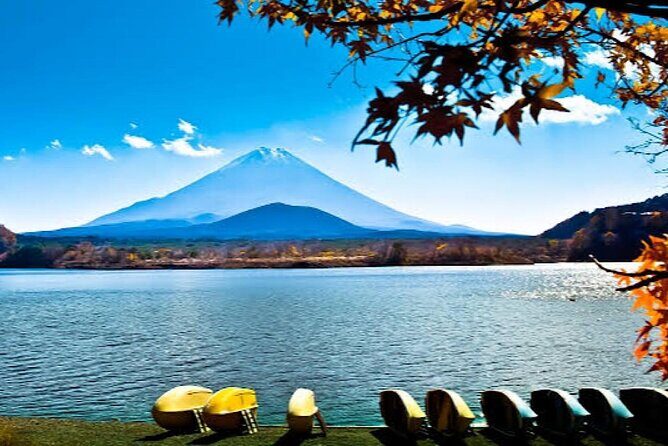
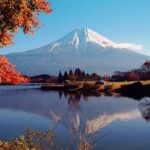
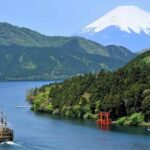
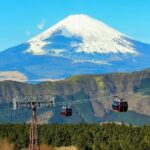
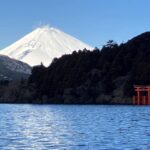
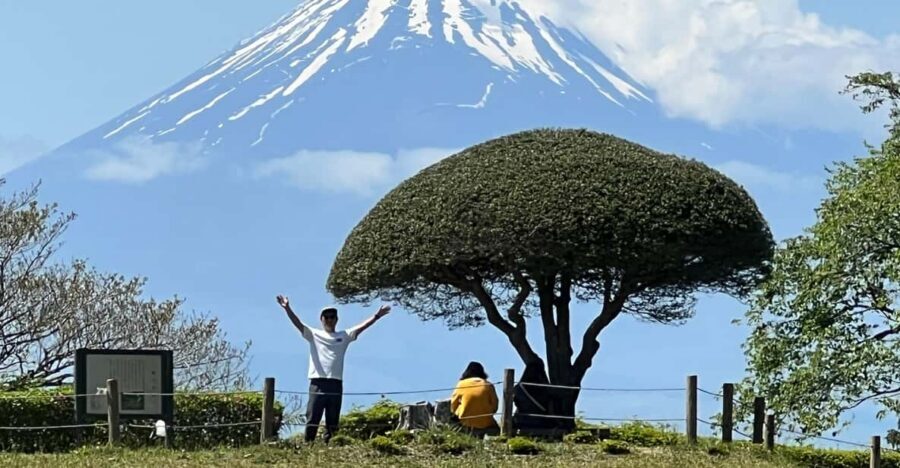
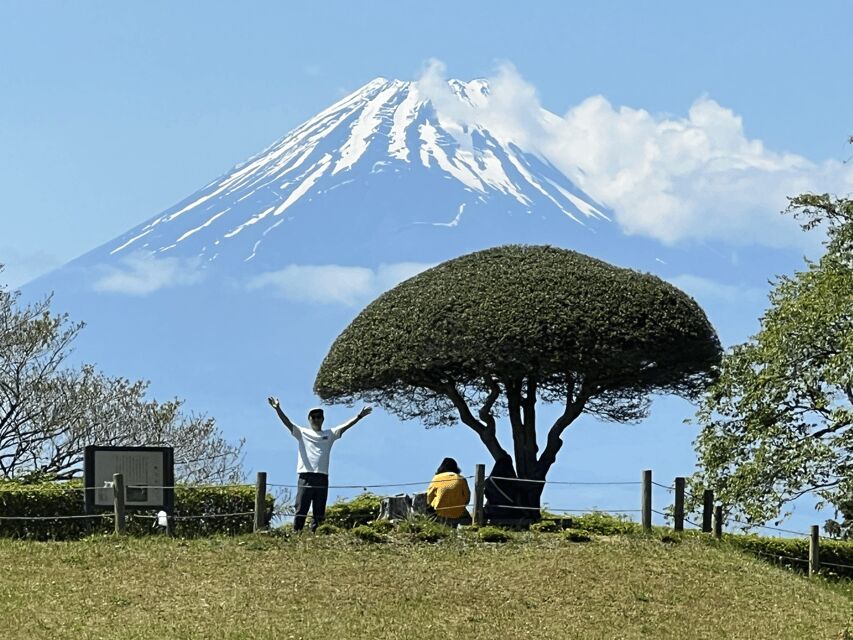
Then you arrive at Lake Ashi for a scenic pause (about 15 minutes). This is where the famous Hakone Shrine torii is often visible, and where Mt Fuji may appear if the weather is cooperative. You’ll also get time for photos and a walk-by viewing stretch.
Here’s the practical truth: Fuji views depend on conditions. But even without a clear mountain silhouette, Lake Ashi still delivers. It’s wide, calm, and cinematic, and it resets your senses after cobbles and forest walking.
Cedar Avenue and the Hakone Checkpoint Gate: The Edo Control Point Feeling
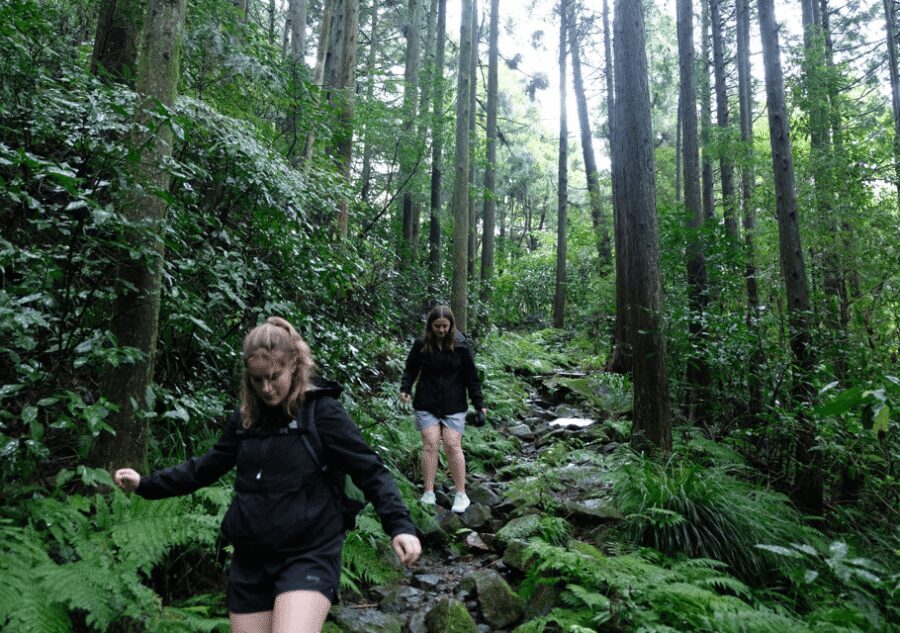
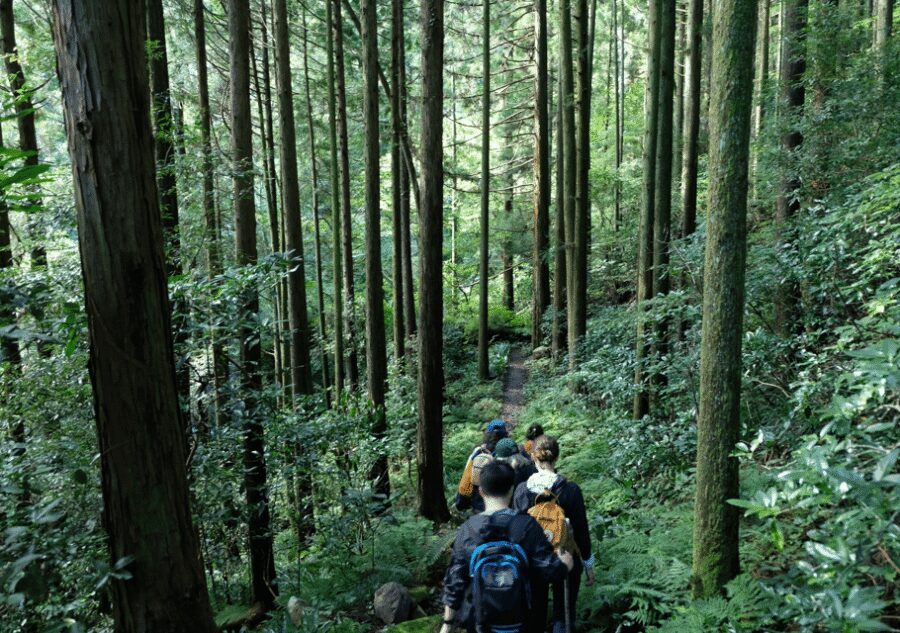
One of the tour’s best “how did travel work” moments is the walk through the ancient cedar avenue (trees are described as over 400 years old). The guide will often point out what to look for—so you’re not just staring at trees hoping they explain themselves.
This stretch connects the modern visitor with the route’s older rhythm: shaded walking, steady progress, and the sense that the road is funneling you toward a place of oversight.
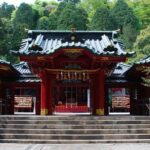
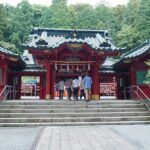
Then you pass the Hakone Checkpoint, the gate area where the Edo government controlled traffic of travelers. Even if you don’t see everything preserved like a set piece, the stop gives context. You start understanding that travel wasn’t just movement. It was also regulation, identity checks, and governance—every stop had meaning.
Hakone Pass by Bus and Castle Ruins After Lunch
After the checkpoint area, you’ll head through the Hakone Pass region by bus/coach (about 15 minutes), which is part of how the tour avoids the steepest sections of the old mountain trek.
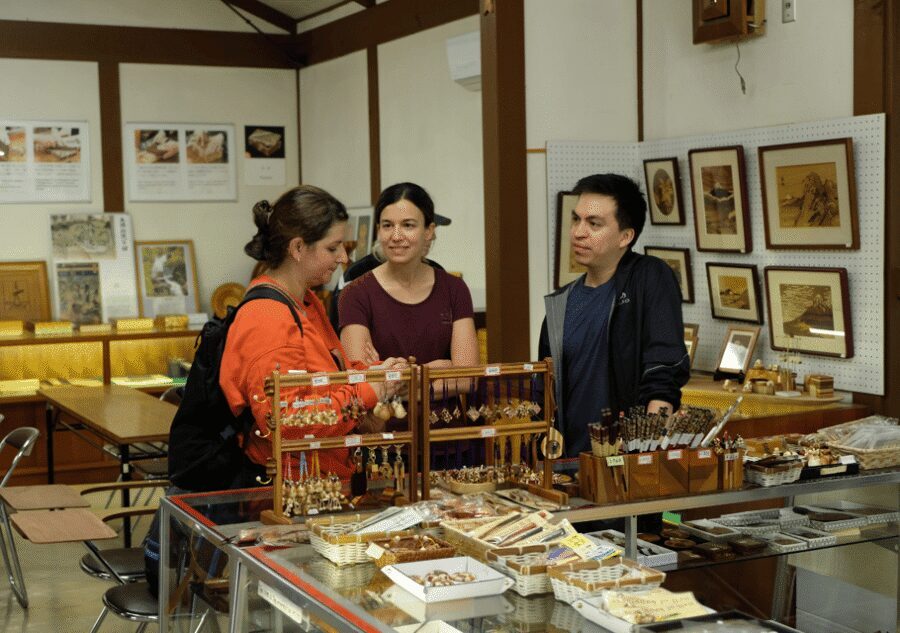
Then you visit castle ruins in the Yamanaka Castle Ruins area. The tour description doesn’t promise long stays or dramatic climb-battle mechanics here. It’s more about using the ruins to add layers beyond the hiking: why the region mattered, how power played out, and how mountain routes shaped politics.
Lunch is also part of this block. The important detail: food and drinks (including lunch at local restaurants) are not included. So budget time and cash/IC card planning for a meal on your own or plan to buy something at a nearby spot.
In other words, don’t treat lunch like a free bonus. Treat it like a chance to eat where you are.
Mishima Taisha and Genbe River: A Calm Ending at Station Time
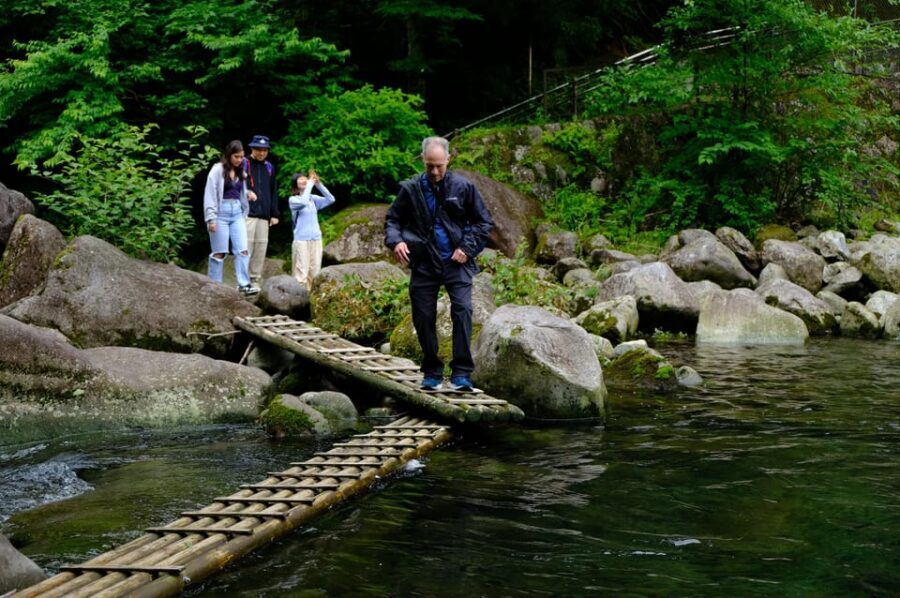
The last stretch depends slightly on your pacing and preferences. One path goes to Mishima Taisha Shrine (photo stop + visit + sightseeing, about 30 minutes), then an on-foot walk to Genbe River (about 30 minutes of sightseeing and walking). This shifts the day from route history to a more relaxed, scenic feel.
You’ll finish around 4:00 pm at Mishima Station (with the note that finishing may also be Odawara Station). Either way, you’re positioned to continue your trip.
If your next hop is Mishima to Odawara, a quick Shinkansen connection is mentioned as under 3,000 yen and around 15 minutes. That train ride isn’t included in the tour price, but the time math is great when you’re trying to keep a tight itinerary.
Price and Value: Is $167 Worth It?
At $167 per person for about 7 hours, the value mostly comes from what’s hard to DIY.
You’re paying for:
- a nationally certified mountain guide with wilderness advanced first aid training
- a route that strings together multiple meaningful sites without you needing to assemble the day
- small-group pacing (up to 6)
- the key included cultural stop: amasake at the tea house
What’s not included:
- lunch and general food/drinks
- some transportation segments between sites (by bus), based on what’s listed
So the fair way to judge value is this: if you want Hakone Hachiri as an organized day with a guide and historic context, this price starts to look reasonable. If you’re the type who loves planning every train and bus leg yourself, you might spend less. But you’ll likely miss the “why this spot matters” layer and the safety support—especially on cobbles and uneven sections.
For a beginner hike that mixes history, nature, and a very specific old-route tea stop, the cost-to-experience ratio feels pretty strong.
What to Bring and How to Walk Smart on Cobblestones
For this tour, pack like you’re going for a long walk, not just a casual stroll. The basics are simple and actually matter here:
- comfortable shoes (real grip helps)
- a sun hat
- hiking shoes if you have them
You should also expect 5–6 hours of walking even if the overall day runs about 7. The terrain is described as gentle slopes or cobbled paths, and it’s billed as beginner-friendly. Still, cobbles add effort, and roots/uneven ground can slow you down.
One safety tip I’m glad this tour is built around: a guide who gives pointers. In reviews, guides emphasize guidance through tricky or slippery sections, which helps you avoid the classic mistake of watching your phone instead of your footing.
If you’re visiting in winter, one review notes it can be cold mainly at higher points, with about 30% of the tour affected by chill. That’s your cue: bring layers, even if Hakone looks mild earlier in the day.
Who Should Book Hakone Hachiri and Who Should Skip It
This is a good match if you:
- like walking but don’t want a full-on 32 km grind
- care about Japanese history tied to geography
- enjoy nature stops like cedar avenues and river scenery
- want a guided day that explains what you’re seeing while you’re on the move
It’s not a good fit if you have mobility impairments. The tour is not suitable for that, and the cobbles plus ongoing walking time are part of why.
If you’re a first-time Japan traveler who wants something different from city-only days, this tour also makes sense. It gives you a Hakone day that feels more like travel through time than just seeing sights.
Should You Book? My Take
Book Hakone Hachiri if your idea of a great day is walking a real old route with context, then rewarding yourself at Lake Ashi and that 400-year-old amasake stop. It’s also a smart choice if you’re nervous about navigation: the guide handles the flow, you just focus on steps and views.
Skip it if you can’t do long walking time or if you want guaranteed Mt Fuji scenery. Fuji depends on weather, and the tour is about the journey whether or not the mountain appears.
If you’re comfortable with a beginner hike, bring good shoes, and show up ready to walk, this one is a satisfying mix of history + scenery + practical pacing—the kind of day that sticks after the photos fade.
FAQ
Where does the tour start?
The meeting point is at the ticket gate of Hakone-Yumoto Station.
How long is the tour?
The tour duration is listed as 7 hours.
How much walking is involved?
You’ll hike around 8 km, and you can expect 5–6 hours of walking during the day.
Is Mt Fuji guaranteed?
No. Mt Fuji views depend on weather conditions, though you may see it from different angles if conditions allow.
What language is the guide?
The live guide speaks English and Japanese.
How big is the group?
The tour is a small group limited to 6 participants.
Is lunch included?
No. Food and drinks, including lunch at local restaurants, are not included.
Is bus transportation between sites included?
The tour lists transportation between sites by bus as not included. The route uses bus/coach segments during the day, but the bus travel itself is not marked as included in the provided inclusions.