REVIEW · MUSASHINO
Seafood Sushi Diversity for All
Book on Viator →Operated by Rei: A Cultural Storyteller · Bookable on Viator
Sushi is a whole world, not one roll. This hands-on sushi diversity class in Musashino is interesting because it teaches the story behind what we call sushi today, then puts you to work making it with seasonal ingredients. I love the way the lesson breaks sushi down into clear techniques, and I love the patient teaching from Rei and Chie when questions pop up. One possible drawback: with a 4-hour pace, you may need a bit of focus to master everything without feeling rushed at the end.
Meet your group at JR Musashi-Sakai Station and head to a home-style workshop in a renovated traditional house. You’ll learn sushi rice basics, then create six types of sushi—so you leave with both skills and lunch built by your own hands.
In This Review
- Key things to know before you go
- Why this class is about more than rolling sushi
- Getting to the renovated workshop: Musashi-Sakai meets private transport
- The 4-hour plan: six sushi types, rice technique, and tool practice
- Sushi rice and vinegar: the step that makes everything taste right
- Tools, hygiene, and fish handling you should know before you trust your instincts
- Six sushi styles on your plate: what each one teaches
- Nigiri: the balance of pressure and shape
- Inarizushi: tofu pouch handling and rice packing
- Gunkan: keeping the rice secure with seaweed form
- Hosomaki: thin rolls and consistent wrapping
- Oshizushi: molding and layering for a clean slice
- Temari: shaping sushi into balls with a playful goal
- Eating what you made: exchanging bites and comparing methods
- Price and value: what $65.15 buys you in Musashino
- When to book and how long: morning timing plus flexible course options
- Who this workshop is best for (and who might want something else)
- Should you book this Musashino sushi class?
- FAQ
- Where do we meet for the sushi-making workshop?
- What time does the class start?
- How long does the experience take?
- Is the class private?
- What sushi types will I learn to make?
- Do I need prior sushi-making experience?
- Can the course length or content be changed?
Key things to know before you go
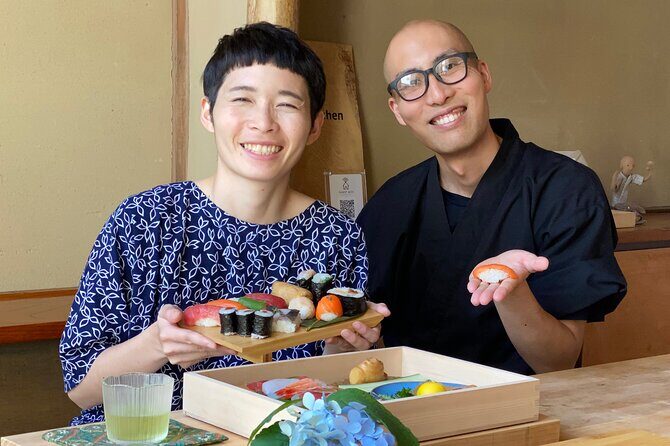
- Meet at JR Musashi-Sakai Station at 11:00 AM: plan to arrive a little early so you can find your way.
- Private group, not a big crowd: only your group participates, which usually means more attention and fewer waiting gaps.
- You make six sushi styles: nigiri, inarizushi, gunkan, hosomaki, oshizushi, and temari.
- You’ll use traditional tools and knives: the class is practical, not just theoretical.
- Beginner-friendly is real here: no prior sushi experience needed, and hygiene/fish handling are explained.
- You can adjust the course length: if you want more time (even a longer intensive option), you can ask.
Why this class is about more than rolling sushi
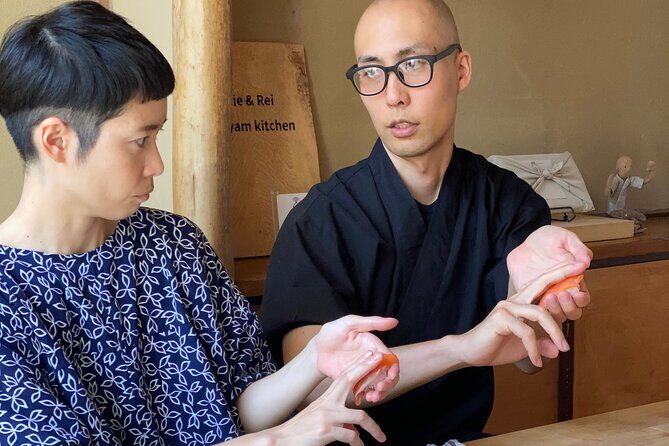
This workshop is built around a simple idea: food can create comfort and friendship, because shared effort builds understanding. The teacher frames sushi not as a single fixed thing, but as a tradition that changed over time and across different ways of living.
I like that the class starts with the meaning and evolution of sushi. It helps you connect the hands-on work to something bigger, so the techniques feel purposeful, not random. You’re not just making dinner; you’re learning how sushi fits into Japanese culture as it’s been shaped over time.
The experience also fits well with a modern travel mindset. You get something hands-on and local, without needing advanced skills or Japanese language fluency. And if you’re the type who likes learning how everyday things got made historically, this format delivers.
You can also read our reviews of more tours and experiences in Musashino.

Getting to the renovated workshop: Musashi-Sakai meets private transport
You meet at JR Musashi-Sakai Station at 11:00 AM. The group then drives to the home workshop in a private car, so you avoid the hassle of figuring out local routes with a full class schedule.
That transport detail matters more than it sounds. It keeps the morning smooth, especially if you’re traveling light or pairing the class with lunch afterward. It also means the class can stay tightly scheduled inside the workshop, instead of losing time to transit.
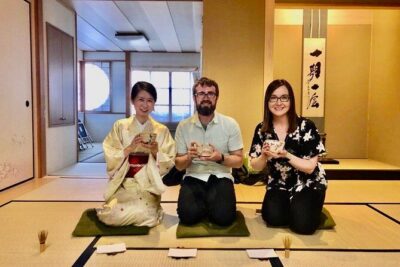
The workshop setting is a renovated traditional house, which makes the whole session feel special. It also helps you see how this kind of cooking fits into real domestic space—not just a generic cooking studio. One practical tip: arrive a few minutes early, because you’re starting exactly at 11:00.
The 4-hour plan: six sushi types, rice technique, and tool practice
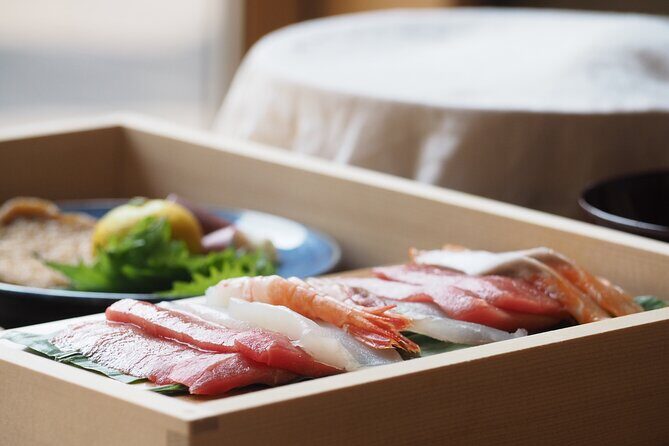
This class runs about 4 hours and ends back at the meeting point. That round-trip structure makes it easy to plan the rest of your day in Tokyo area suburbs.
You’ll go step by step, starting with sushi rice. The core skill is mixing rice with vinegar properly, because that’s what gives sushi its signature flavor and texture. If your rice is right, everything else becomes easier.
After the rice basics and an intro to sushi’s evolution, you move into making the six styles:
- Nigiri (hand-pressed sushi with toppings)
- Inarizushi (tofu pouches with rice)
- Gunkan (seaweed-wrapped style with rice held in place)
- Hosomaki (thin seaweed rolls)
- Oshizushi (layered sushi pressed and shaped in a mold)
- Temari (ball-shaped sushi)
You also practice with traditional tools, including Japanese kitchen knives. That’s important because sushi looks simple from the outside, but the details matter once you’re doing them with your own hands.
One small timing consideration: with six styles in one session, you’ll likely learn the method and technique clearly, but you may not have time to perfect every detail to restaurant-level precision. That’s not a deal-breaker, but it’s good to keep expectations realistic.
Sushi rice and vinegar: the step that makes everything taste right
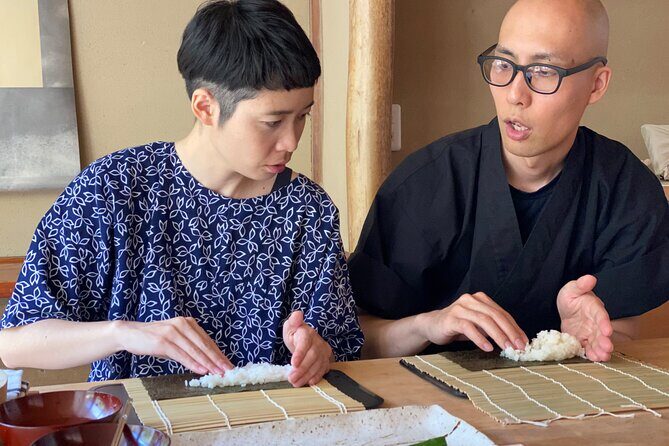
Sushi rice is the backbone of the class, and it gets real attention. You’ll learn how to mix vinegar into the rice, which affects taste, stickiness, and how the sushi holds together.
I like this approach because it prevents a common beginner problem: people think sushi is only about fish and rolling. Here, you get the foundation first, so later steps feel like they connect instead of feeling like separate crafts.
You’ll also learn the logic behind technique choices. Even when you’re focused on a specific sushi type, the class ties it back to the rice so you understand what you’re trying to achieve. That makes your results more consistent, even if you’re new.
Tools, hygiene, and fish handling you should know before you trust your instincts
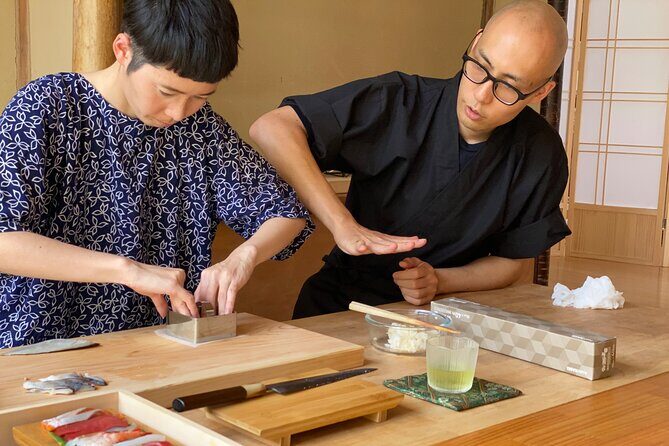
A good sushi class doesn’t just hand you ingredients and hope for the best. This one explains fish handling and hygiene in a clear, practical way.
That matters for two reasons. First, it helps you avoid mistakes that are easy to make when you’re nervous. Second, it gives you confidence to work safely and understand why certain steps exist.
You’ll practice using Japanese kitchen knives and traditional tools. If you’re used to standard Western kitchen tools, the hands-on explanation helps you adapt quickly. You don’t need to be a chef—just willing to follow directions and try.
Rei and Chie’s teaching style comes up for a reason: the guidance is patient, and they’ll explain steps again when you miss something. That repeat-friendly approach makes a big difference in a skill class. It turns confusion into understanding, without making you feel behind.

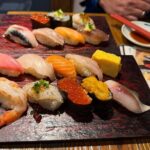
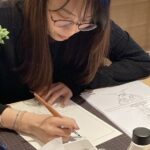
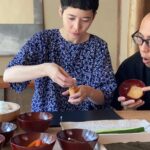
Six sushi styles on your plate: what each one teaches
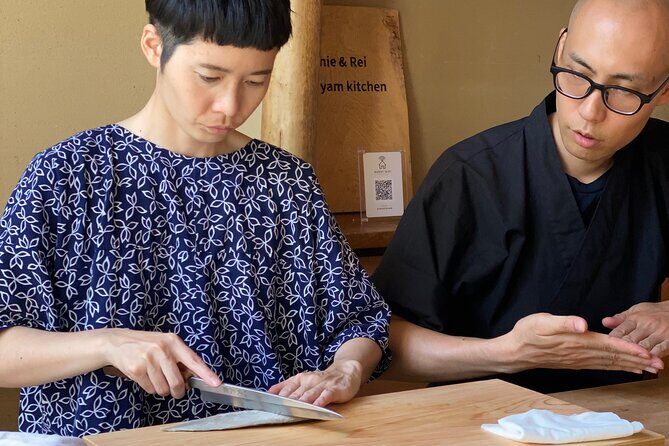
What’s great about this class is that each sushi style trains a different skill. You’re not just repeating the same motion six times.
Here’s what you learn from each type, in practical terms:
Nigiri: the balance of pressure and shape
Nigiri teaches hand-pressing technique. You’ll work on getting the topping positioned correctly and creating a neat shape that stays intact.
Inarizushi: tofu pouch handling and rice packing
Inarizushi is different because it’s not about rolling. You’ll learn how to fill and shape the rice inside tofu pouches, which rewards careful packing.
Gunkan: keeping the rice secure with seaweed form
Gunkan-style sushi teaches structure. The seaweed and rice need to work together so the rice stays in its form.
Hosomaki: thin rolls and consistent wrapping
Hosomaki is classic, but it’s not effortless. You’ll practice thin seaweed rolls, focusing on how to wrap evenly and keep the roll tight.
Oshizushi: molding and layering for a clean slice
Oshizushi uses a mold to press layered sushi into a shape you can cut or lift. This is where tool use feels real, because the mold does part of the work—if you prep correctly.
Temari: shaping sushi into balls with a playful goal
Temari sushi is ball-shaped, which makes it feel light and creative compared to strict rolling. It also teaches another kind of consistency: the same size and shape each time.
By the end, you don’t just know that these exist. You understand what makes each one distinct, because you’ll have built all of them.
Eating what you made: exchanging bites and comparing methods
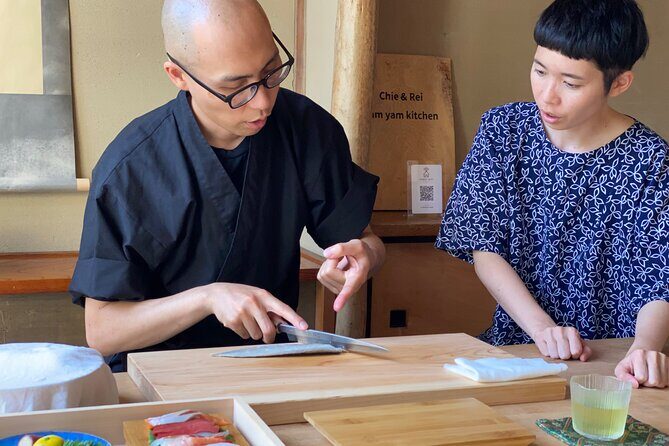
After you finish cooking, you get to enjoy what you made yourself. And yes, you also get time to exchange and try the sushi others in your group made.
That tasting part is more than a nice moment. It’s how you learn quickly. You can compare your hosomaki to someone else’s wrap tightness, or see how different rice pressure affects nigiri shape. It turns the class into a feedback loop without anyone making it awkward.
It’s also a social win. Sushi-making is teamwork by nature, especially when someone in your group is a beginner. And if you came as a family, this exchange-style tasting often becomes the highlight of the session.
Price and value: what $65.15 buys you in Musashino
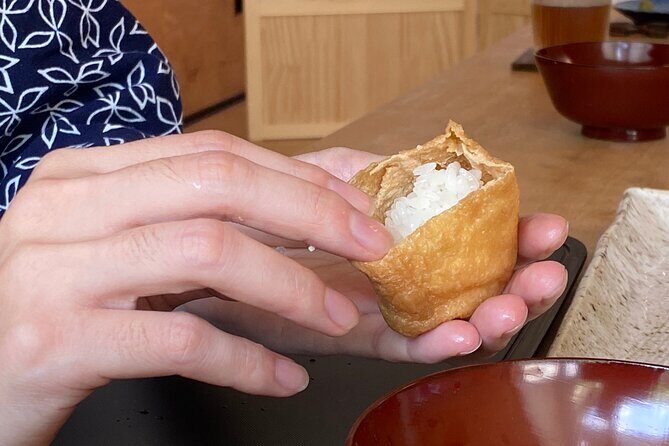
At $65.15 per person for about 4 hours, the value is in what’s included and how structured it is. You’re paying for instruction, traditional tools practice, and the full workflow—from sushi rice through six different sushi styles.
The private car pickup from JR Musashi-Sakai Station also adds practical value. You’re not losing time figuring routes, and you’re not squeezed into a mixed group schedule.
Also, your meal is built into the class. You’re not paying restaurant prices and then paying again for a lesson. Here, learning and eating are one combined experience.
One more value angle: if you’re traveling with kids or family members, a private workshop format can prevent the usual cooking-class frustrations. The pace and repetition are more adjustable, which tends to make the experience feel smoother for everyone.
When to book and how long: morning timing plus flexible course options
This class starts at 11:00 AM and returns you to the meeting point afterward. That makes it a nice morning activity, especially if you want lunch to be a planned, delicious part of your day instead of an improvisation.
On timing: the tour is typically booked about 24 days in advance on average. If you’re traveling during busy periods, booking earlier is smart so you can lock in your preferred date.
The provider also says the class length can be adjusted. They’ve held longer, multi-day intensive options before, including a 12-hour, 2-day format that includes everything from cooking rice to full preparation. If you want to go beyond a single session and build deeper technique, you can ask about modifying the course content and price.
Who this workshop is best for (and who might want something else)
This experience is open to all, no prior sushi experience required. That makes it ideal if you’re curious about Japanese food culture but worried you’ll feel lost.
It’s also a good fit if you like learning through making rather than watching. The class is structured around doing: rice, tools, then six sushi styles. If you’re the type who remembers better with your hands busy, you’ll likely enjoy the pacing.
Families tend to like it, too. The guidance style is patient, and the variety of sushi types keeps interest high. It also gives kids and adults different things to focus on, instead of one single repetitive task.
If you already have strong sushi skills and want a purely advanced technique session, you might find the 4-hour format a bit structured and introductory. But for most people, the mix of tradition, technique, and outcomes is exactly the point.
Should you book this Musashino sushi class?
Book it if you want a hands-on sushi experience in a real home setting, with traditional tools and clear instruction. The strongest reason to choose it is the combination of sushi rice fundamentals plus the fact that you’ll make six different sushi styles, not just one.
I’d also recommend it if you care about the cultural framing of sushi, not only the final bite. The class connects technique to how sushi developed, which gives your skills context you can carry home.
Skip it only if you’re looking for a quick snack stop or a purely observational experience. This is a working session. You’ll get the best results if you’re ready to cook, ask questions, and take your time learning what the teacher explains.
FAQ
Where do we meet for the sushi-making workshop?
You meet at JR Musashi-Sakai Station (2-chōme-1-12 Kyōnanchō, Musashino, Tokyo 180-0023, Japan). The activity ends back at the meeting point.
What time does the class start?
The start time is 11:00 AM.
How long does the experience take?
It runs for about 4 hours.
Is the class private?
Yes. It’s listed as a private tour/activity, so only your group participates.
What sushi types will I learn to make?
You’ll learn to make six types: Nigiri, Inarizushi, Gunkan, Hosomaki, Oshizushi, and Temari.
Do I need prior sushi-making experience?
No. The class is open to all with no experience required.
Can the course length or content be changed?
Yes. The class length can be adjusted, and you can contact the provider to change course content. The price is set based on what you choose.