REVIEW · MUSASHINO
Plant-Based Sushi Diversity for All (vegan-friendly)
Book on Viator →Operated by Rei: A Cultural Storyteller · Bookable on Viator
Sushi feels bigger when you learn the roots. In Musashino, Rei turns traditional tools and sushi history into hands-on bites, from vinegar rice to plant-based sushi. One thing to consider: some tools may be used for fish or meat outside this vegan class, even though everything is sanitized before you use it.
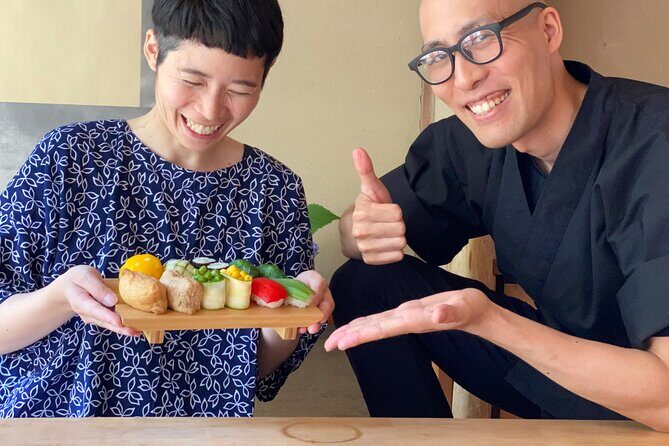
You’ll make six plant-based sushi types with seasonal ingredients, guided step-by-step. I like the way this class mixes technique with food you can actually eat right away, then swaps bites with the group so you get different ideas on the same theme.
Logistics are straightforward: you meet at 10:00 AM at JR Musashi-Sakai Station, ride to a home workshop by private car, then return to the same meeting point. You’ll use a mobile ticket, and it’s set up as a private activity for your group.
In This Review
- Key Highlights You’ll Care About
- Musashino Meeting: Start Time, Station Setup, and the Smooth Ride In
- Sushi’s Meaning Goes Beyond the Word: Rei’s Cultural Framing
- The Hands-On Core: Vinegar Rice and Traditional Knife Time
- Plant-Based Sushi Diversity: Six Types Built With Seasonal Ingredients
- The Workshop Flow: From Intro to You Eating Your Own Sushi
- Value and Price: What $65.04 Gets You (and Why It’s Not Just a Meal)
- Vegan-Friendly, but Read This Detail First
- Flex Options: Adjusting Length and Course Content
- Who This Class Suits Best (and Who Might Not Love It)
- Should You Book Plant-Based Sushi Diversity for All?
- FAQ
- Where do we meet for this experience?
- How long is the sushi-making workshop?
- Is the class vegan and beginner-friendly?
- What will we make during the class?
- Are the tools used only for vegan cooking?
- Can I cancel and get a refund?
Key Highlights You’ll Care About
- Rei’s sushi story ties modern plates to how people actually ate before industry changed food life
- You learn core technique by making vinegar-seasoned sushi rice
- You practice with traditional Japanese kitchen knives, not just plastic tools
- Six types of plant-based sushi, built from seasonal ingredients
- You finish by eating what you made and trading taste tests with the group
Musashino Meeting: Start Time, Station Setup, and the Smooth Ride In
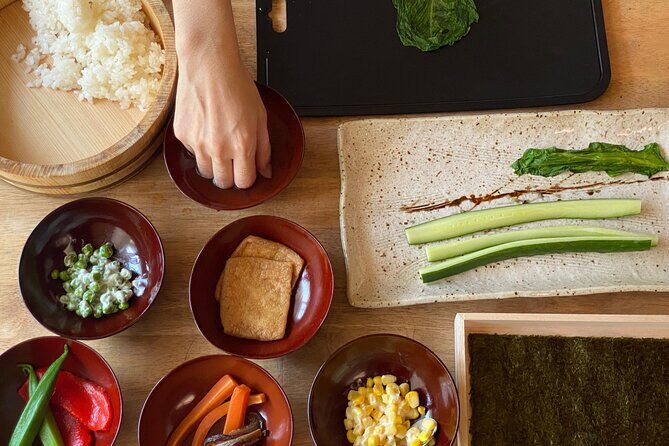
This experience begins in Musashino, with a clean meeting plan. You’ll meet at JR Musashi-Sakai Station at 10:00 AM, then you’ll travel to the workshop location in a private car with your group.
That private car part matters more than it sounds. In Japan, neighborhood addresses can be precise but hard to find if you’re arriving right at start time. Here, you get carried from the station into the workshop space, so you can focus on learning instead of plotting a route.
The workshop ends back at the meeting point, so you’re not stuck wondering how to get home after you’ve eaten your own sushi. It’s a nice way to keep the evening free for your next plan.
A few more Musashino tours and experiences worth a look

Sushi’s Meaning Goes Beyond the Word: Rei’s Cultural Framing
One reason this class stands out is how it defines sushi. You don’t just learn how to roll. You first learn what sushi means and how it evolved—because what many people call sushi today is only a small slice of a much larger tradition.
Rei’s approach is built around comfort, joy, and understanding through food. The class connects sushi to the idea that tradition isn’t one fixed answer. Instead, it’s shaped by time, place, and how people lived—especially when you imagine everyday life before the Industrial Revolution.
In practical terms, this matters because it changes how you look at your final plate. When you understand sushi as something flexible and regional, plant-based sushi stops feeling like a substitute. It starts feeling like a continuation of tradition—just in a modern, cruelty-free direction.
The Hands-On Core: Vinegar Rice and Traditional Knife Time
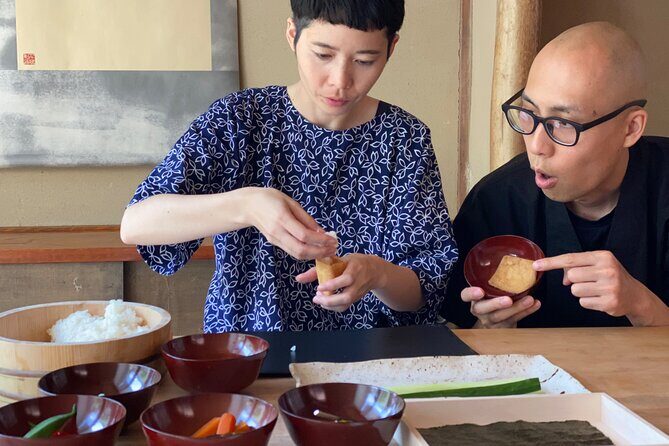
If you take one skill home from this class, make it the rice. You’ll learn how to make sushi rice by mixing it with vinegar, then you’ll use that rice as the base for the sushi you create.
Rice is where many sushi attempts go off track at home. Getting the right handling and seasoning isn’t just about taste. It affects texture, shape, and how well everything holds together when you form bites.
You’ll also practice with traditional Japanese kitchen knives. Knife skills are one of those things that feel small until you try to slice with the wrong tool. Here, you’ll learn how proper tools support the work—clean cuts, safer handling, and better control when you’re building tidy sushi pieces.
Plant-Based Sushi Diversity: Six Types Built With Seasonal Ingredients
This workshop is vegan and designed for beginners, so you’re not expected to show up knowing what sushi should look like. The target is six types of plant-based sushi, all made with seasonal ingredients and traditional tools.
What I like about the setup is that it doesn’t treat vegan sushi as a single style. You get variety, which helps you see technique patterns instead of memorizing one roll. Once you understand how the base rice works and how toppings are assembled, you can adapt what you make in your own kitchen later.
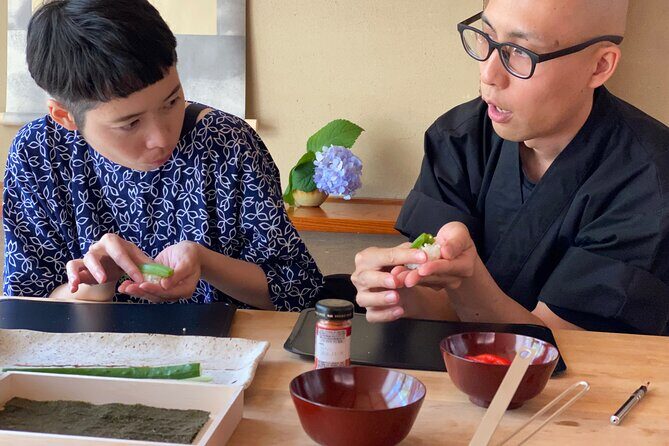
You’ll be guided through each creation step, with hands-on support throughout. So even if you’re new to sushi rice, molding, or knife work, you’re not left to guess.
Also, the “seasonal ingredients” note is more than marketing. It nudges you toward thinking like a cook, not just a person assembling toppings. Seasonal choices change flavor and texture, and that’s part of the sushi story: what people made with what they had.
The Workshop Flow: From Intro to You Eating Your Own Sushi
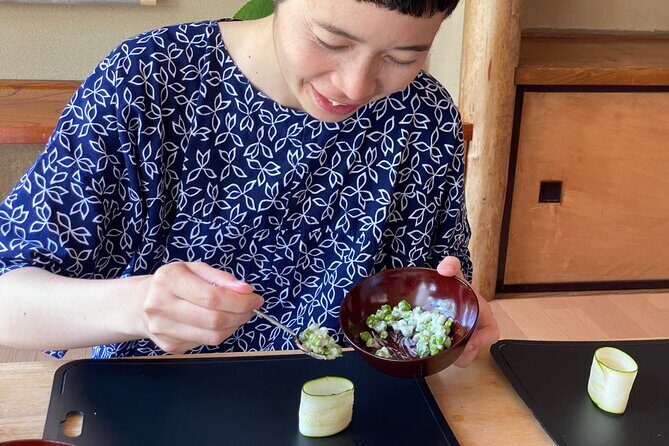
The class structure is efficient and easy to follow. You start with the sushi meaning/evolution conversation, then you move into rice-making, and then you shift into building and practicing your sushi creations.
A big part of the experience is that it ends with eating. You’ll enjoy the sushi you made yourself, and it’s also encouraged to exchange and try what others in the group made. That small social piece is where the learning sticks. You’ll notice different topping choices, different shapes, and different ways of balancing flavors using the same base method.
Because it’s private for your group, you’re more likely to ask questions without feeling like you’re interrupting a packed classroom. That’s a real advantage for hands-on classes, where timing matters and you want instruction when you need it.


Value and Price: What $65.04 Gets You (and Why It’s Not Just a Meal)
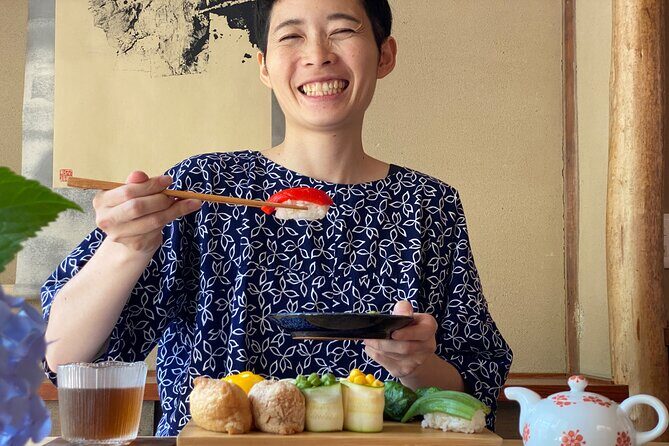
At $65.04 per person for about 4 hours, you’re paying for more than a tasting. You’re buying technique time with guidance, plus ingredients and the use of traditional tools.
Here’s why the value feels fair:
- Six plant-based sushi types means you’re not just doing one demo-style roll.
- Vinegar rice instruction gives you a repeatable foundation for future meals.
- Knife practice uses real kitchen tools, not only gimmicks.
- The class includes storytelling about sushi’s evolution, which adds context to what you’re making.
- You’re taken from JR Musashi-Sakai Station by private car, then brought back, which saves energy and keeps the schedule clean.
If you like structured learning that still feels like real life, this format delivers. It’s a craft class with food as the final product, not a lecture you escape after.
One small practical note: this can be booked ahead, with an average booking window of about 33 days. If you’re visiting during peak travel weeks, you’ll want to lock in dates early.
Vegan-Friendly, but Read This Detail First
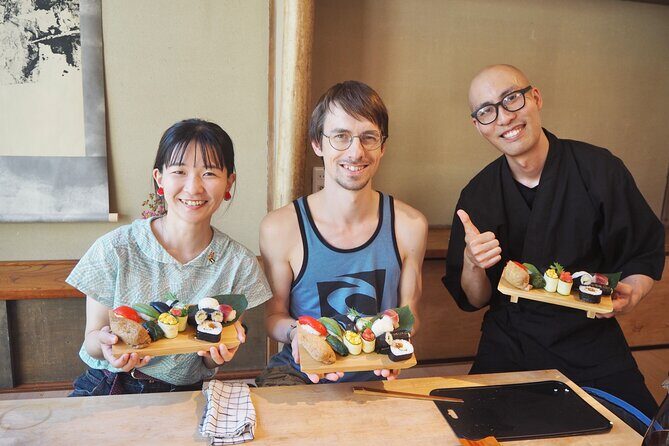
The class is vegan and open to all, with no experience required. That’s the big promise.
At the same time, you should know how the kitchen equipment is handled. All equipment is carefully washed and sanitized before your use, but some tools may also be used for cooking fish or meat outside of this vegan class.
What that means for you:
- If you follow vegan ethics only, this setup is clearly designed for you.
- If you have strict allergy rules or need guaranteed zero cross-contact risk, you should ask the provider questions before booking so you can feel fully comfortable.
It’s a sensible consideration for anyone with strong dietary needs, and it’s better asked up front than after you’re already on the train.
Flex Options: Adjusting Length and Course Content
The standard session is about 4 hours, but the class can be adjusted. For example, there’s been a 12-hour, 2-day intensive course that covers everything from cooking rice to full preparation.
If you want changes to course content, you can contact the provider. After hearing your preferences, the price can be set accordingly. That flexibility is useful if you’re returning to Japan and want a deeper workshop, or if you’re traveling with friends who want a slightly different balance between rice, knife work, and assembly.
Who This Class Suits Best (and Who Might Not Love It)
This is a great match if you want food learning that includes culture, not just technique. It’s also ideal if you’re traveling with a group that wants something interactive but not physically intense.
I especially think you’ll enjoy it if you care about:
- Plant-based cooking that doesn’t feel limited
- Traditional tools and real kitchen practice
- Understanding sushi as a changing tradition, not a fixed modern product
You might reconsider only if you’re looking purely for a quick sushi meal and nothing else. This class is built to teach, not just to feed you. If you want a short tasting only, you’d probably prefer a different kind of food experience.
Should You Book Plant-Based Sushi Diversity for All?
Book it if you want one session that covers technique, storytelling, and real eating. The most praised aspects here are exactly what matter in the end: an engaging workshop, learning how plant-based sushi fits into the broader sushi evolution, and making sushi with traditional tools while practicing the details yourself.
You should book it if you’re the type of traveler who likes to leave with skills you can actually use. Vinegar rice, knife handling, and how to build different sushi types are the kind of knowledge that follows you home.
Skip it only if cross-tool use for fish/meat outside the class is a deal-breaker for your needs, or if you only want a casual bite without hands-on instruction.
FAQ
Where do we meet for this experience?
You’ll meet at JR Musashi-Sakai Station. The class starts at 10:00 AM, and it ends back at the meeting point.
How long is the sushi-making workshop?
The class is about 4 hours (approx.).
Is the class vegan and beginner-friendly?
Yes. The class is vegan, open to all, and there’s no experience required.
What will we make during the class?
You’ll make six types of plant-based sushi using seasonal ingredients, and you’ll also learn to make sushi rice mixed with vinegar.
Are the tools used only for vegan cooking?
All equipment is washed and sanitized before your use, but some tools may also be used for cooking fish or meat outside of this vegan class.
Can I cancel and get a refund?
You can cancel for free up to 24 hours in advance for a full refund. If you cancel less than 24 hours before the start time, the amount paid is not refunded.