REVIEW · MUSASHINO
3-Hour Manga Drawing Workshop in Tokyo
Book on Viator →Operated by マンガワークショップ by ManRevo · Bookable on Viator
Tokyo gives you manga, and this workshop teaches the making.
I like that this is built around a one-page comic you can take home. In three hours, you move from a pencil rough to inking and black painting, so you end up with something that feels real, not just a practice sheet. I also like the small-group feel and the way the instruction is set up for different levels, with samples you can follow instead of being left to freestyle.
One thing to think about: the workshop runs in Japanese, and the professional manga artist may not be an English speaker. You still get English on the slides, and the staff can help, but if you need step-by-step spoken English the whole time, plan to rely on visuals and questions.
In This Review
- Key highlights before you go
- Kichijoji starting point: near Ghibli Museum, easy to find
- The 3-hour workshop structure: from pencil rough to finished page
- Sketching: you’re not starting from zero
- Inking: where your line control suddenly matters
- Inking tools and black painting: the contrast lesson you can use anywhere
- How the class handles different drawing styles
- Extra lines if you finish early: effect lines and emphasis
- Japanese instruction with English slides: how you ask questions without stress
- The manga Q&A angle
- Materials and what to bring: just yourself, then focus
- Price and value at $97.73: small group, pro artist, take-home output
- 3-hour vs 2-hour: when the shorter class might fit better
- Who this manga drawing workshop is best for
- Should you book this 3-hour Manga Drawing Workshop in Tokyo?
- FAQ
- What is the duration of the 3-hour manga drawing workshop?
- Where is the meeting point for this workshop in Tokyo?
- Is the workshop beginner-friendly?
- What language is the workshop taught in?
- What do I need to bring?
- How big is the group?
Key highlights before you go
- Kichijoji meeting point near the Ghibli Museum area, in Musashino
- Pro manga artist-led instruction with tools provided so you just show up
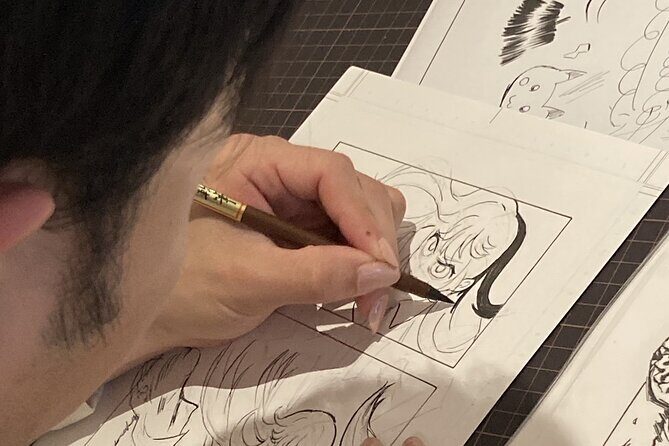
- A clear 3-hour flow: sketch → ink → black (plus extra lines if time allows)
- English slides during Japanese instruction, plus staff support
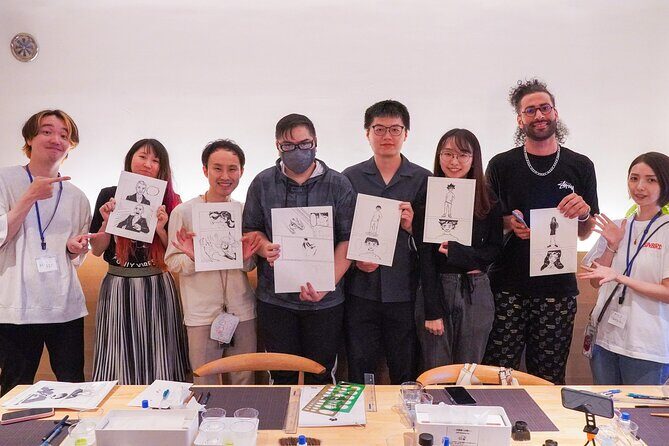
- Max 5 travelers, which keeps the room from feeling rushed
- You get to take your finished A4 page home as a real souvenir
Kichijoji starting point: near Ghibli Museum, easy to find
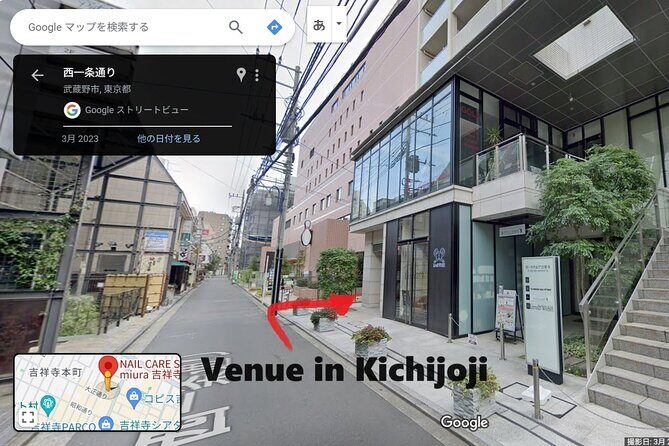
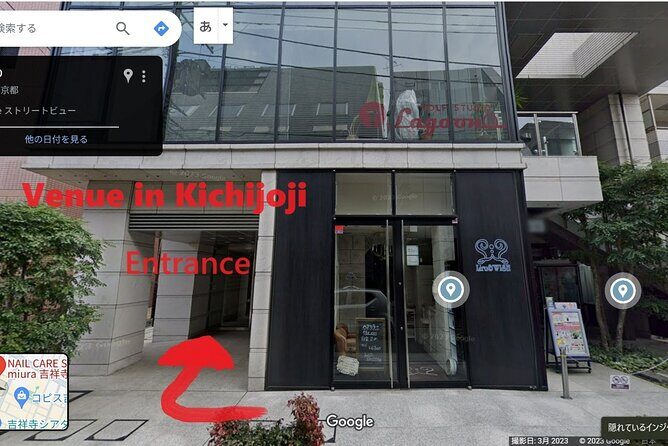
This workshop is in Musashino, specifically the Kichijōji area, near the Ghibli Museum in Mitaka. The meeting address is listed at Kichijōji Honchō in a place called H-square 吉祥寺 (H-square Kichijoji). If you’re already planning a day around the Ghibli Museum, this one fits naturally into the same neighborhood.
Why the location matters: Kichijōji is one of those Tokyo areas where getting around is straightforward. The workshop is also described as near public transportation, so you’re not stuck with a long, complicated commute. You’ll start and end back at the meeting point, which keeps the day simple.
You’ll receive a mobile ticket, so make sure you can access it on your phone before you leave. Also, service animals are allowed, which is a good practical note for travelers who need that.
You can also read our reviews of more tours and experiences in Musashino.


The 3-hour workshop structure: from pencil rough to finished page
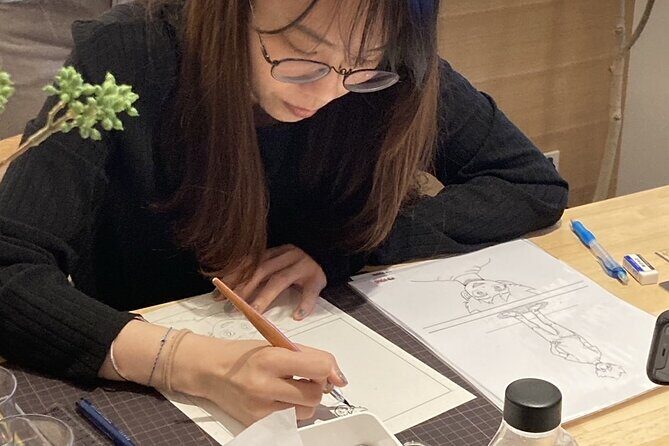
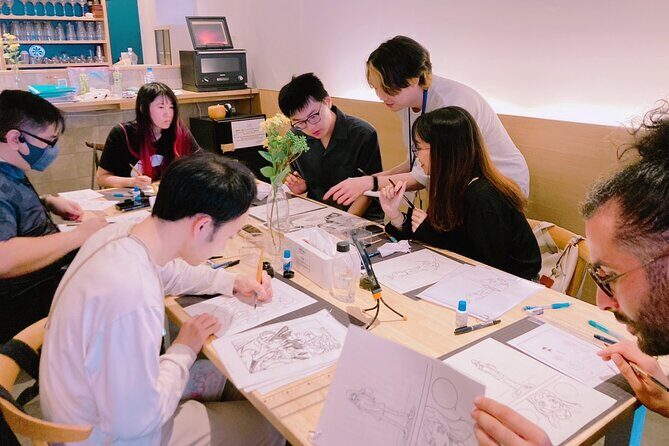
You’re aiming at a one-page manga on A4 manga paper. The schedule is tight, but the steps are clearly staged, which helps even if your drawing confidence is low.
Here’s the flow you can expect:
- Sketch on manga paper (A4 size)
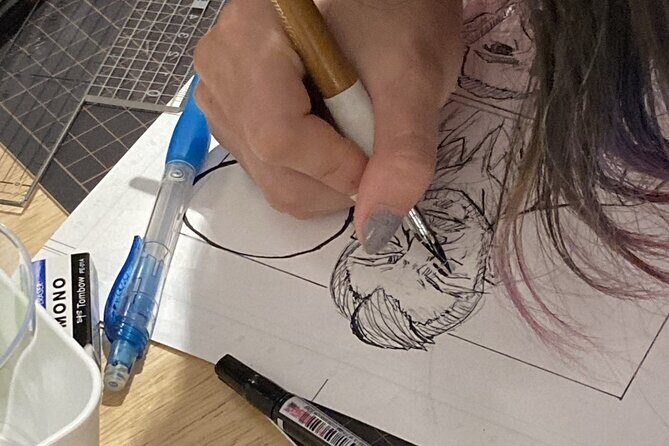
- Inking using specialized manga tools
- Painting black to lock in the contrast
- If you finish early, you get extra instruction on effect lines and similar finishing details
What’s smart about this structure is that each step solves a different problem. Pencil is about getting the layout and proportions right enough. Inking is about committing to line weight. Then painting black is where manga starts looking like manga, because you get that strong, readable shape contrast.
Sketching: you’re not starting from zero
Even though you’re drawing your own page, the workshop includes samples for each level. That’s a big deal. Beginners usually struggle most with the first decision: what to draw and how to turn a blank sheet into something workable. Samples give you a template to copy, adapt, or use as a guide while the artist walks you through technique.
In other words, you’re not being tested. You’re being taught.
Inking: where your line control suddenly matters
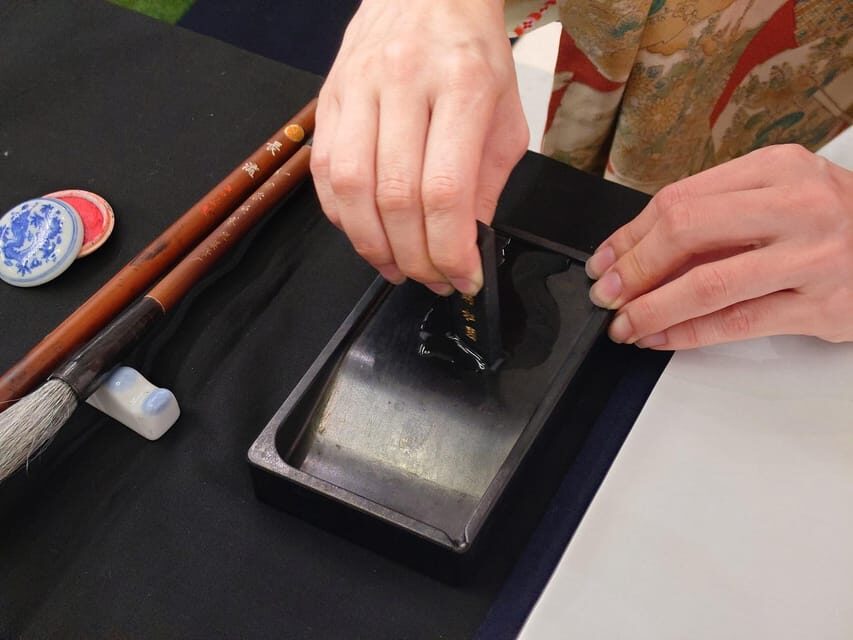
After your pencil sketch, you move to inking with specialized tools. Manga lines are not just “draw a line.” They’re about clean edges, consistent thickness, and confident direction. That’s why inking is the hardest part for many people.
The benefit here is that you only have a few hours, so the workshop focuses on the inking habits that make a difference fast. If you’ve never handled manga nibs or pens before, this is one of the best ways to learn without spending weeks learning tools on your own.
Inking tools and black painting: the contrast lesson you can use anywhere
The inking portion is where you’ll feel the technique come alive. You’re taking that pencil work and translating it into something that reads well on the page.
Then you’ll paint black. This step may sound basic, but it’s one of the key manga look-makers. In manga, black areas shape the page: they create balance, separate foreground from background, and add that dramatic graphic clarity.
If you’re new to black-and-white art, this is one of the best payoffs in the whole class. You’ll probably notice that your drawing suddenly looks more intentional once the black is in place.



How the class handles different drawing styles
A nice detail from the experience is that the instruction works even when you draw differently physically. One participant noted they were left-handed, and the instructor was still able to give useful advice for that. That tells me the teaching style isn’t one-size-fits-all. It’s more like: watch, adjust, try again.
Also, because you work in a step-by-step format, you’re less likely to spiral when you make a mistake. Mistakes become part of the process rather than a reason to give up.
Extra lines if you finish early: effect lines and emphasis
If you finish ahead of the main plan, you’ll get instruction on concentration lines / effect lines. These are the marks that tell the reader where to look and how to feel the action—speed, impact, tension, energy. In manga, these lines are basically visual punctuation.
This optional segment is valuable for two reasons. First, it helps your page feel complete. Second, even if you keep it simple, you’ll learn a reusable trick for future drawings: how line placement communicates motion without needing a complicated scene.
Don’t worry if you don’t have time. The core workshop still ends with a finished one-page manga that’s ready to take home.
Japanese instruction with English slides: how you ask questions without stress
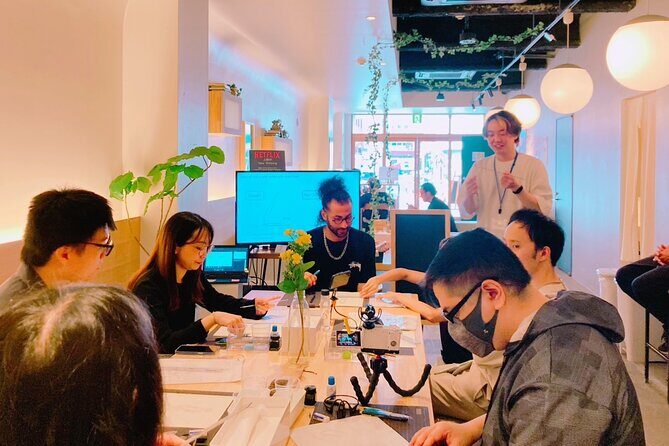
The workshop is conducted in Japanese, but the class also has English on the slides during instruction. That means you get the technique explained in a way you can follow even if you can’t catch every spoken word.
And the support doesn’t stop at slides. The organizer is described as friendly and able to speak fluent English, which is a huge comfort point if you’re worried about communication. Meanwhile, the professional manga artist may not speak English, but you can still get clear, useful advice through demonstration and direct guidance.
One reason this format works so well is that manga drawing is visual. You can watch a motion, copy a hand position, and compare results. Language helps, but technique is doing most of the job.
The manga Q&A angle
You can ask questions about the Japanese manga industry as part of the experience. That’s not the usual “sit down and draw” workshop. If you’re curious about how manga is made, published, and viewed, this is where you’ll get context that makes your artwork feel connected to a larger culture instead of just a hobby session.
You’ll also pick up practical mindset stuff: what artists focus on, what beginners should prioritize first, and how professional work habits translate into something you can practice.
Materials and what to bring: just yourself, then focus
One of the most convenient parts is that the workshop provides the tools and materials needed for the session. That’s a major value point because it removes uncertainty. You won’t show up wondering whether you have the right pen nib, paper, or inking kit.
So what should you bring?
- A willingness to follow step-by-step instructions
- Your curiosity (questions are encouraged)
- Yourself, because the kit is covered
If you’re traveling light, this is exactly the kind of workshop that won’t turn into a shopping quest beforehand.
Price and value at $97.73: small group, pro artist, take-home output
The price is listed at $97.73 per person, for about 3 hours. At first glance, that’s not cheap—Tokyo workshops often aren’t. But here’s why it can still feel fair for the value.
You’re paying for:
- A professional manga artist leading the session
- A structured process that turns your time into an actual finished A4 page
- Provided tools (so you’re not paying to figure out supplies)
- Small group size with a maximum of 5 travelers, which usually means more attention and fewer people competing for help
Small group matters. In a larger class, you can get stuck doing silent guesswork. With a group this size, you have better odds of getting correction when something isn’t working.
Also, the listing notes that this is booked about 11 days in advance on average. That’s a hint to reserve sooner rather than later if you’re visiting during a busy stretch.
3-hour vs 2-hour: when the shorter class might fit better
There’s also a 2-hour manga workshop option. That one shifts to inking a pre-drawn character sketch, plus black painting, and then speech bubbles and lines. If you want something more affordable and faster, or you prefer focusing on certain parts instead of building from sketch, the 2-hour format may be the smarter choice.
But if you want the full arc from pencil rough to ink and black, the 3-hour workshop is the one that gives you the most ownership over the drawing.
Who this manga drawing workshop is best for
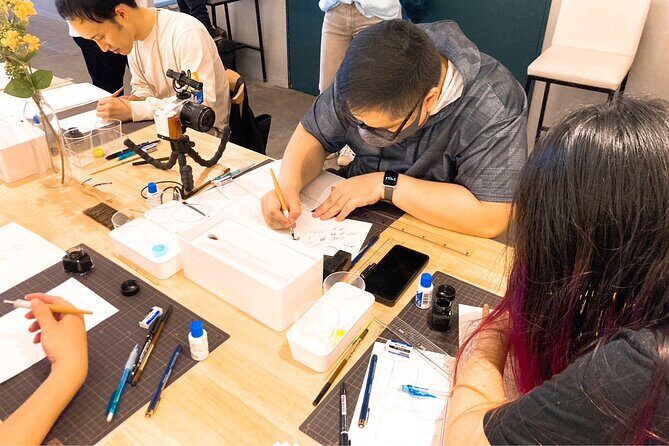
This is a beginner-friendly setup, with samples for different levels and guided steps. If you’ve always wanted to try manga drawing but felt intimidated by tools or technique, you’ll likely find this format manageable.
It also works well if you:
- Like hands-on art experiences more than museum-style viewing
- Want to bring home a personal souvenir that’s not mass-produced
- Enjoy cultural Q&A and want to learn how the manga world works
- Prefer small-group instruction where you can ask questions
You might feel less thrilled if you’re a professional artist looking for advanced critique. The workshop is about producing a clean, readable page within limited time, not about advanced portfolio development.
Should you book this 3-hour Manga Drawing Workshop in Tokyo?
If your goal is a fun, hands-on Tokyo experience that ends with a real take-home artwork, I think this is a strong pick. The combination of pro-led teaching, small group size, and a clear step-by-step path from sketch to ink makes it beginner-safe without being watered down.
Book it especially if you want manga technique with cultural context, and you don’t mind that the spoken instruction is in Japanese because you’ll have English on the slides and staff support.
One practical check before you decide: if you absolutely need spoken English from the instructor at all times, the artist may not be an English speaker. It still sounds doable thanks to slides and organizer help, but it’s worth keeping your communication needs in mind.
FAQ
What is the duration of the 3-hour manga drawing workshop?
The workshop is listed as lasting about 3 hours.
Where is the meeting point for this workshop in Tokyo?
The meeting point is at H-square 吉祥寺 in Kichijōji Honchō, Musashino (Tokyo 180-0004), and the activity ends back at the meeting point.
Is the workshop beginner-friendly?
Yes. The class provides samples for each level, and beginners are specifically welcomed.
What language is the workshop taught in?
The workshop is conducted in Japanese, and it also includes English on the slides during instruction.
What do I need to bring?
The workshop says it has all tools needed, so you mainly need to bring yourself.
How big is the group?
The maximum group size is listed as 5 travelers.