REVIEW · AOMORI
Full-Day Jomon World Heritage Site Tour in Northern Tsugaru Area
Book on Viator →Operated by Tomio Yokouchi · Bookable on Viator
Jomon time feels close. This full-day Northern Tsugaru tour strings together World Heritage Jomon sites and the famous red torii climb at Takayama-Inari shrine, with English guiding from Tomio Yokouchi. I especially liked how Tomio keeps the story clear as you move from one site to the next, and how fast you get that jaw-dropping shrine photo moment. One thing to plan for: lunch isn’t included, so you’ll want to budget time and snacks.
You’re on the move for about 7 hours, starting at 8:30am, with pickup offered and a mobile ticket to keep things simple. This is a private setup too, so it’s just your group, not a large bus crowd.
Most of the main stops list free admission, so your money mostly goes toward the guide and the day’s transportation. If you want the hands-on pottery option at Shikiro en, budget extra and don’t forget that pottery shipping can add another layer to the cost.
In This Review
- Key Highlights You’ll Actually Care About
- Why Jomon World Heritage Feels Real in Northern Tsugaru
- Tomio Yokouchi and the Private-Group Pace That Works
- Stop 1: Odai Yamamoto Ruins and the Start of Jomon Clay
- Stop 2: Lake Jusanko for a Short Nature Reset
- Stop 3: Takayama-Inari Shrine and the Red Torii March
- Stop 4: Shikiro en and Pottery Making with Jomon-Style Decoration
- Stop 5: Tagoyano Kaizuka Shell Midden and Coastal Clues
- Stop 6: Kamegaoka Ruins and the Shako-chan Figurine
- Stop 7: Tsuru no Maihashi Bridge for Mt. Iwaki Photos
- Add-On Reality: KARCO Museum and Pottery Shipping Costs
- Price and Value for a Group Up to 3 in Aomori
- Who Should Book This Jomon Tour (and Who Might Pass)
- Should You Book the Full-Day Jomon World Heritage Tour?
- FAQ
- How long is the Jomon World Heritage Site tour in Northern Tsugaru?
- What sites will we visit during the tour?
- Is the tour guided in English?
- Is lunch included?
- Is pickup included?
- Can I do pottery making, and what will it cost?
- What is the cancellation policy?
Key Highlights You’ll Actually Care About
- Three Jomon World Heritage stops (out of 17 total) in one efficient day with context between sites
- Takayama-Inari shrine’s hundreds of red torii gates for classic Northern Japan photo drama
- English guiding by Tomio Yokouchi, who can adjust the pace to your interests
- Real archaeological variety: clay-pot fragments, a shell midden, and stone-age ruins
- Optional pottery experience at Shikiro en, plus possible shipping fees if you order pieces
Why Jomon World Heritage Feels Real in Northern Tsugaru
Jomon sites can sound distant on paper. In Northern Tsugaru, they stop feeling abstract because you’re standing where everyday life left evidence: pottery fragments, coastal leftovers, and small artifacts pulled from the ground.
I like that this day doesn’t try to do everything. It picks three World Heritage Jomon locations and then adds supporting stops that make the region feel like a living place, not just an outdoor museum. You get the mix: archaeology, nature breaks, and a Shinto shrine scene people travel for.
The Jomon theme is the backbone, but the day’s flow matters too. You’re not just hopping between points; the guide ties each stop to the next, so you can connect what you’re seeing—especially once the tour starts mentioning how early clay work, coastal diets, and tiny figurines fit together.
You can also read our reviews of more historical tours in Aomori
Tomio Yokouchi and the Private-Group Pace That Works
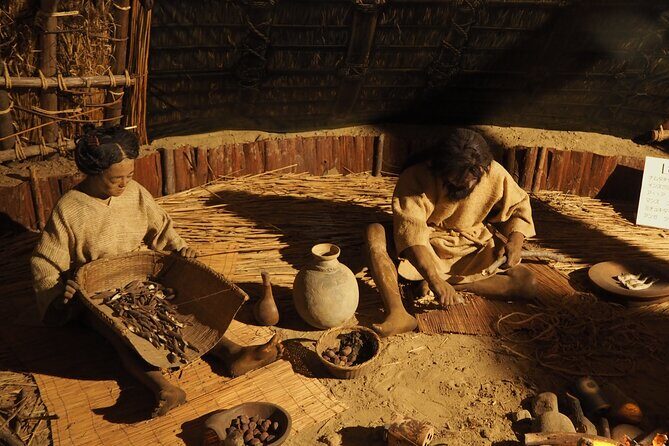
This is a private tour/activity, so only your group participates. That sounds like a small detail, but it changes the whole feel of the day. You can ask questions without waiting for a microphone shuffle, and you can move at a speed that matches your comfort.
English guiding is included, and the provider is Tomio Yokouchi. I found this kind of tour works best when the guide is more than a translator of facts—they help you notice what matters on-site. From the feedback you can expect an active day, with Tomio’s energy keeping things moving while still letting you look around.
Pickup is offered, which helps in a region where public transit can be less convenient for a full loop. That said, there’s also a note for private transport: 5,000 JPY for the guide’s private car and petrol cost is listed as not included. If your pickup route triggers that, you’ll want to plan for it so the day doesn’t turn into a last-minute surprise.
Stop 1: Odai Yamamoto Ruins and the Start of Jomon Clay
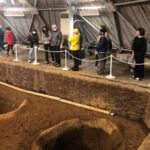
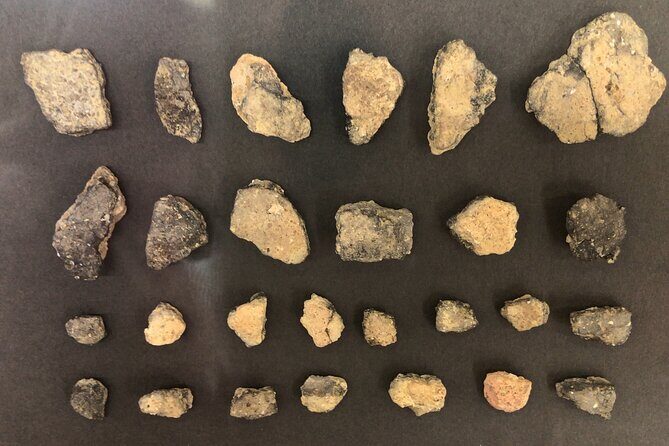
You begin at Odai Yamamoto Ruins, one of the 17 Jomon World Heritage sites in Northern Japan. The big idea here is time depth. This area holds the oldest fragments of clay pot in Northeast Asia, and it’s tied to the beginning of the Jomon period.
Even if you’re not a pottery person, this stop clicks because it teaches you how archaeologists date beginnings: small pieces, used wisely, tell bigger stories. When you see fragments that old, it reframes what clay means—less as craft, more as technology and everyday routine.
The stop is listed for about 2 hours, which is a good amount of time. If you only glance for 15 minutes, you’ll miss the point. Use that time to slow down and look at the relationship between site explanation and what remains on the ground.
Admission here is free, so you don’t need to budget tickets. The only “cost” is your attention—this is the kind of stop that rewards curiosity.
Stop 2: Lake Jusanko for a Short Nature Reset
After the archaeology-heavy start, you get a breather at Lake Jusanko (Lake Jyusan). This is a shorter stop—about 30 minutes—and that’s on purpose.
Think of it as your reset button. When you’re switching between ancient sites, your brain starts blending details unless you give it a pause. A quick lakeside break helps you come back sharper for the shrine and the shell midden later in the day.
Admission is listed as free, so again this isn’t about spending. It’s about rhythm: ruins, then a nature pause, then shrine visuals that feel like a completely different world.
Stop 3: Takayama-Inari Shrine and the Red Torii March
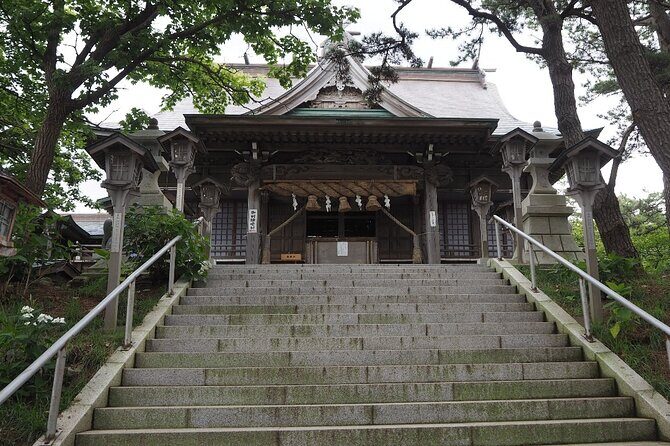
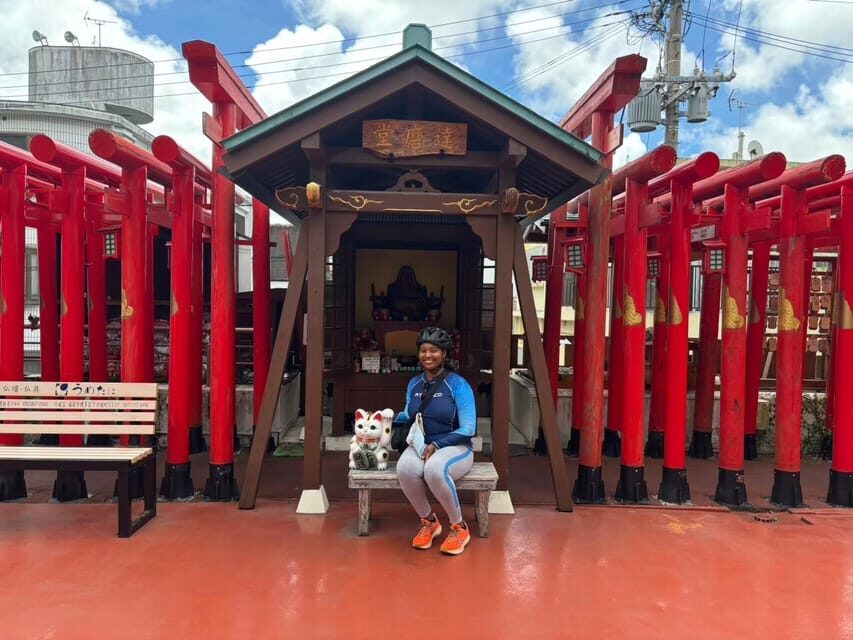
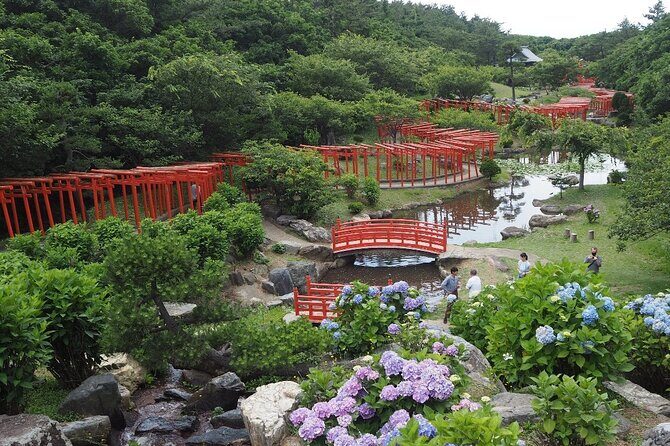
If your camera has a favorite lens, bring it. Takayama-Inari shrine is known for its hundreds of mysterious red torii gates lining up toward a small hill.
This stop is listed for about 1 hour, and that’s enough time to do two things well: walk into the torii corridor at a relaxed pace, and then linger long enough to catch different angles. The value here isn’t just the photos—though yes, the scenery is the reason most people plan the stop. The value is also in how you feel the approach. Torii gates aren’t random decorations; they’re a visual way to guide you upward toward the sacred area.
You’ll see why this shrine is famous in the region. It’s easy to get your bearings quickly because the torii line gives you a clear path. If you’re sensitive to crowds in tight spaces, aim to spend extra time near the start or the midway point rather than only pushing to the far end.
Admission is listed as free, which helps keep this day good value.
A few more Aomori tours and experiences worth a look

Stop 4: Shikiro en and Pottery Making with Jomon-Style Decoration
Next comes Shikiro en, tied to a potter (Ichinohe-san) who appears on TV for making pottery with Jomon decoration. This is the most hands-on cultural piece of the day.
The stop is listed for about 1 hour. Even if you skip the full pottery making, watching the process and hearing the connection to Jomon patterns can deepen what you saw at Odai Yamamoto Ruins. Suddenly the clay story isn’t only ancient fragments—it’s visual tradition carried forward.
Here’s the practical part: pottery making is listed as extra. If there are more than 3 people, pottery making costs 4,000 yen per person, and there’s also a pottery shipping cost of 8,000 yen per booking. So if you’re in a group larger than three and you’re thinking of ordering pieces, you’ll want to budget for both the making fee and shipping.
Also note: pottery making is optional. If you just want to see, the main stop is still included in the overall day, with admission listed as free.
Stop 5: Tagoyano Kaizuka Shell Midden and Coastal Clues
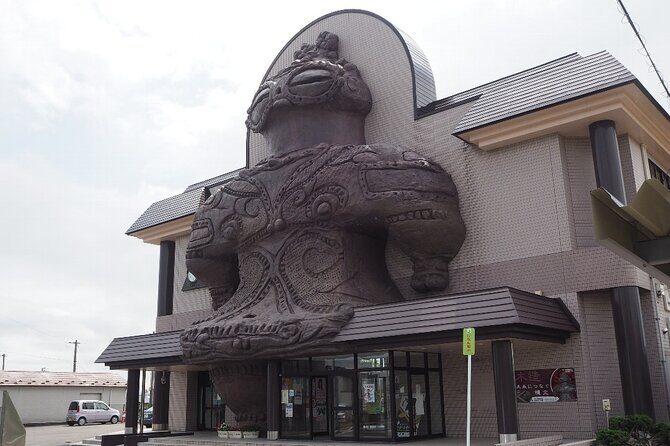
At Tagoyano Kaizuka, you’re stepping into a shell midden—leftover layers from long-term coastal living. This is one of the 17 World Heritage Jomon sites in Northern Japan.
The stop is about 1 hour, which works well because the concept is easy but the details take time. Shell middens are powerful because they point to diet, seasonal habits, and how people used their environment. They’re not just “old trash heaps.” They’re records.
This stop also makes the whole day feel more three-dimensional. Odai Yamamoto Ruins points you toward early pottery; Takayama-Inari brings in spiritual and visual Japan; Tagoyano Kaizuka brings you back to survival and daily routine along the coast. That combination is what turns an archaeology day into a real region story.
Admission is listed as free, so again, this stop is mostly about what the guide helps you notice.
Stop 6: Kamegaoka Ruins and the Shako-chan Figurine
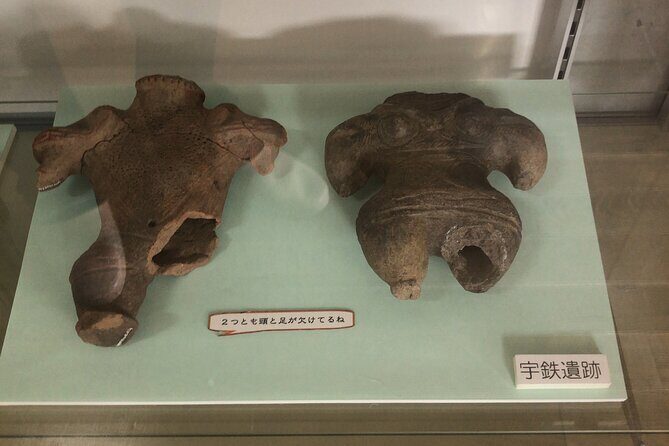
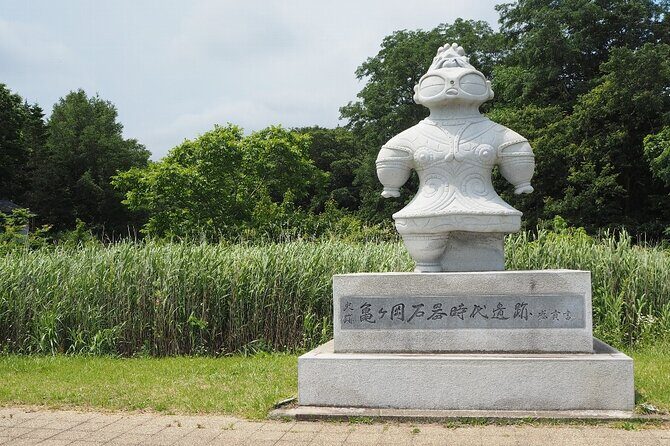
Then you’ll head to Kamegaoka Stone Age Era Historic Ruins, another World Heritage Jomon site. This is a shorter stop—about 30 minutes—but it has a strong hook: the famous google-eyed clay figurine named SHAKO-CHAN was found here.
I love that kind of detail because it gives the past a face. Even with a brief stop, being able to tie the site to a specific artifact helps you remember it later. You’re not just saying, “There were ruins.” You’re saying, “Here’s an object that shows a human touch.”
For 30 minutes, don’t treat it like a photo stop only. Use the time to connect the figurine to what people were doing around it. That’s the difference between seeing something once and understanding it.
Admission is listed as free, so you don’t have extra ticket pressure on your schedule.
Stop 7: Tsuru no Maihashi Bridge for Mt. Iwaki Photos
The last listed stop is Tsuru no Maihashi Bridge, built of Aomori hiba wood. It’s also noted as one of the best photo spots for Mt. Iwaki.
This is listed for about 1 hour, which suggests the day isn’t rushing you through a quick snap. Use this time to find your angle and watch how light shifts across the view. Even if you’re not obsessed with photography, this kind of stop helps you end the day with something visually satisfying after all the archaeology.
Admission is listed as free. And since the tour ends back at your meeting point, this bridge stop is a neat finish line—one last “Northern Japan” moment before you head home.
Add-On Reality: KARCO Museum and Pottery Shipping Costs
A few expenses can appear if you want extras, and it’s worth mapping them in your head before you commit.
- Jomon Museum KARCO: listed at 300 yen per person (not included)
- Pottery making: 4,000 yen per person if there are more than 3 pax (not included)
- Pottery shipping: 8,000 yen per booking (not included)
The key value question is this: do you want a souvenir you can use, or a souvenir you have to ship? If you love the idea of taking a Jomon-inspired piece home, pottery making can be a memorable way to do it. If you’re traveling light and hate paperwork and logistics, consider skipping the pottery order and instead enjoy the watching and photos.
Also, the pottery shipping cost being per booking means your total can rise if your group decides at different moments. If you do pottery making, decide early as a group so you don’t scramble later.
Price and Value for a Group Up to 3 in Aomori
The tour price is listed at $273.15 per group (up to 3). For a full day of English guiding plus multiple World Heritage sites plus a pickup option, that can be solid value—especially if you’re paying for a private experience rather than joining a larger group.
What you’re really buying isn’t just transportation. You’re buying:
- someone to connect the story across the stops
- free admission sites that you might not fully understand without context
- a rare combination of archaeology + shrine visuals + optional pottery
Then subtract the extras. Lunch isn’t included, and there may be additional transport cost depending on the pickup logistics (5,000 JPY listed as not included for the guide’s private car and petrol). If you add pottery making or KARCO, your total will rise.
Still, if you’re traveling as a small group and want a guided day that feels organized, the price makes sense. It’s often more cost-effective to pay for a private guide than to stitch together multiple day-trips yourself—especially when you want the meaning explained, not just the map visited.
Who Should Book This Jomon Tour (and Who Might Pass)
This tour is a good match if you:
- want Jomon World Heritage context without doing heavy research on your own
- like shrine photography and want a very specific must-see: Takayama-Inari
- enjoy hands-on culture like pottery making (even if you only watch, the craft angle matters)
- prefer an English-guided private day where you can ask questions
It may be less ideal if you:
- hate spending a full day out without included meals
- want only one type of attraction (this day mixes archaeology, spirituality, and craft)
- plan to order pottery without thinking about shipping fees first
If you’re the kind of person who enjoys details—small artifacts, site clues, the reason a figurine is famous—this day will reward you.
Should You Book the Full-Day Jomon World Heritage Tour?
Yes, if you want a focused Northern Tsugaru day that mixes major Jomon sites with a shrine that’s genuinely striking. I’d book it when you’re already in Aomori and you want one guided day that does more than checklist sightseeing.
Book it with your eyes open if you’re hungry during long gaps—bring snacks or plan your own meal before or after. And if pottery is on your wish list, price out pottery making and shipping early so you don’t get surprised at the end.
FAQ
How long is the Jomon World Heritage Site tour in Northern Tsugaru?
It runs for about 7 hours, starting at 8:30am and ending back at the meeting point.
What sites will we visit during the tour?
You’ll visit 3 of the 17 Jomon World Heritage sites in Northern Japan, plus additional cultural stops including Takayama-Inari Shrine and a pottery stop.
Is the tour guided in English?
Yes. English guiding by a professional guide is included. The tour provider is Tomio Yokouchi.
Is lunch included?
No. Lunch is not included.
Is pickup included?
Pickup is offered, but private transportation costs of 5,000 JPY for the guide’s private car and petrol are listed as not included.
Can I do pottery making, and what will it cost?
Pottery making at Shikiro en is optional. It costs an extra 4,000 JPY per person if there are more than 3 pax, and pottery shipping costs 8,000 JPY per booking.
What is the cancellation policy?
You can cancel for a full refund up to 24 hours before the experience start time, and cancellation is free.