REVIEW · MUSASHINO
Small Town in the Big City: Tasting Tokyo’s Kichijoji
Book on Viator →Operated by Culinary Backstreets Walks · Bookable on Viator
Kichijoji is Tokyo’s food shortcut. In just 6 hours in Musashino, you get a focused look at yakitori and other classic tastes, without spending your day jumping between far-off neighborhoods. I like that the walk keeps food at the center: old-school grill spots sit right next to the shine and convenience of a modern department store food hall.
You’ll also spend time in the Inokashira Onshi Park area and surrounding shopping streets, where you can sample street-side favorites and nibble your way through everyday local life. One thing to keep in mind: this is a walking-focused experience with no private transportation, and it runs only in good weather.
In This Review
- Key Things That Make This Kichijoji Tour Worth It
- Small-Town Vibes Inside Big Tokyo: Why Kichijoji Works
- Starting at Kichijōji Station and Getting Your Bearings Fast
- The Depachika Stop: Department Store Food Halls Done the Local Way
- Inokashira Onshi Park Area: Food Meets Everyday Shopping Streets
- Old-School Yakitori and the Joy of Ordering Without Guessing
- Lunch, Snacks, Coffee/Tea, and Why Included Food Adds Real Value
- Senbei With a Three-Generation Maker: Learning Texture, Technique, and Patience
- What the Mobile Ticket and Small Group Mean for Your Day
- Weather and Walking Reality: The One Practical Consideration
- Who This Tour Suits Best (and Who Should Skip It)
- Should You Book This Kichijoji Food Tour?
- FAQ
- How long is the tour?
- Where do I meet, and where does the tour end?
- What does the tour price include?
- Is private transportation included?
- How many people are in the group?
- Is the ticket mobile?
- What is the booking and confirmation process?
- Is admission included for the stops?
- What happens if the weather is poor?
- Can I cancel for a refund?
Key Things That Make This Kichijoji Tour Worth It
- Max 6 people means you can actually hear what’s going on and ask questions without shouting.
- Depachika food-hall time gets you locally loved tastes in a place most visitors walk past.
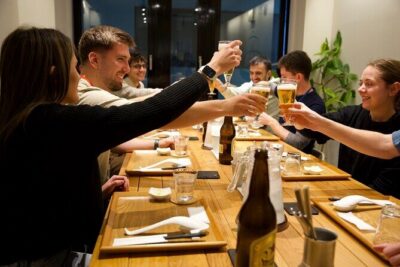
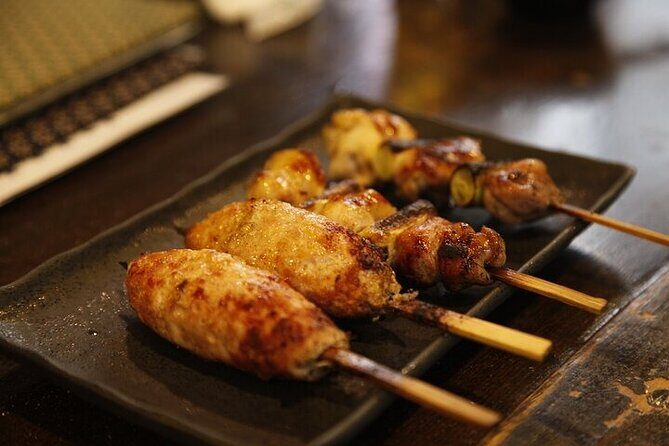
- Yakitori + street snacks like octopus balls turn lunch into a true sampler platter.
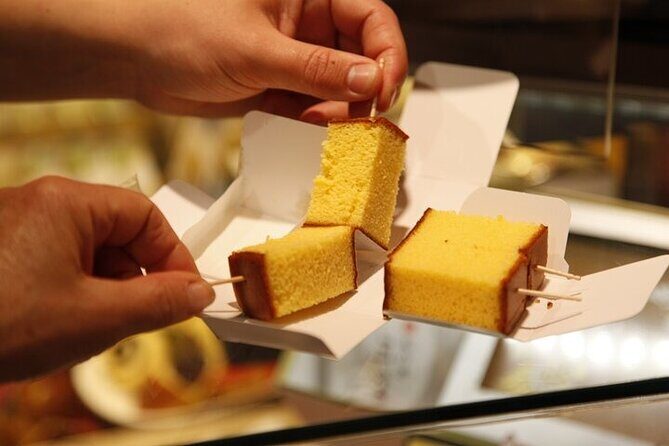
- Senbei from a multi-generation maker adds texture and technique, not just flavor.
- Lunch, coffee/tea, snacks, and bottled water included lowers the day-to-day spending on food.
Small-Town Vibes Inside Big Tokyo: Why Kichijoji Works
Kichijoji has a smart kind of charm. It feels like Tokyo scaled down to something you can actually explore on foot, with local shopping streets and everyday restaurants sitting side by side. That’s the main reason this tour clicks: you’re not trying to cover Tokyo. You’re learning one neighborhood well.
I also like the pace. A 6-hour food tour sounds long until you realize you’re constantly moving between places and constantly eating small portions. You get variety without feeling like you’re at a marathon tasting event.
And there’s a practical bonus for first-timers: this is a neighborhood where Tokyo-style food culture shows up clearly. You’ll see how people snack, how they buy daily supplies, and how department store food halls fit into regular life, not just special occasions.
You can also read our reviews of more food & drink experiences in Musashino
Starting at Kichijōji Station and Getting Your Bearings Fast
You meet at Kichijōji Station, and the tour ends back at the same place, which makes logistics easier. If you’re arriving by train, you can build the rest of your day around it without guessing how far you’ll wander.
From the start, expect a “walk-and-taste” rhythm. You’ll be transitioning between different styles of food stops, from casual counters to more formal indoor dining. That matters because Tokyo food isn’t one thing. It’s many formats, and Kichijoji is a good place to see those formats together.
Also, with a group size capped at six, you’re not getting shoved through crowds. It feels more like going with a small team that knows where to stop and when to order.
The Depachika Stop: Department Store Food Halls Done the Local Way
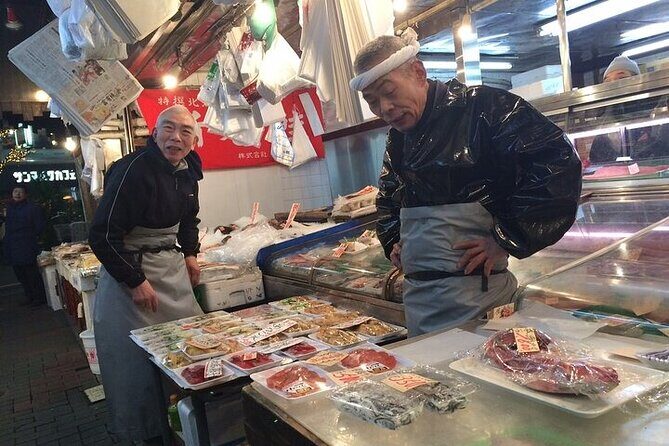
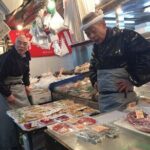
One of the most rewarding parts of this experience is the depachika (the basement food hall) detour. These places can feel overwhelming if you enter without context, but the tour gives you a guided path through the choices so you’re not just grabbing whatever looks shiny.
This is where you’ll notice how Japanese food culture honors both tradition and trends. You may pass highly prized pickles, fruit that’s dressed up like a special occasion, and a section that leans into Japanese junk food. It’s a fun contrast: polished displays for everyday treats, not just fancy gifts.
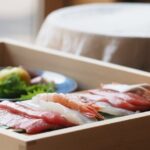
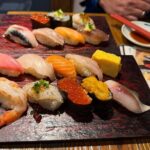
Then the tour moves you toward a sushi counter that’s a local favorite. That’s a smart move because sushi can turn into guesswork for visitors. Instead of trying to pick a random place, you’re being pointed to a spot locals clearly trust.
If you’re the kind of person who likes learning what to buy in Tokyo rather than only trying what’s famous online, this depachika segment is a big win. It teaches you how to shop by vibe: what’s cared for, what’s popular, and what fits the moment.
Inokashira Onshi Park Area: Food Meets Everyday Shopping Streets
After the department store stop, the tour leans into the neighborhood’s real texture around the Inokashira Onshi Park area. The name may sound like a park day, but the practical food action happens right where locals shop and snack along the nearby shotengai (shopping street).
This is where you’ll start rubbing elbows with people who are doing normal errands. That sounds minor, but it changes everything about your experience. You stop seeing Tokyo as a theme park and start seeing it as a place with routines.
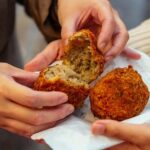
Along this stretch, the tasting becomes more street-oriented. You can sample items prepared and served street-side, including yakitori skewers and octopus balls. These aren’t “one big plate” meals. They’re small, portable bites that match how people actually eat while out and about.
The value here is not just the flavor. It’s learning how the food fits the environment. When street snacks appear alongside daily shopping, you understand why they’re there—and why locals keep buying them.
Old-School Yakitori and the Joy of Ordering Without Guessing
Yakitori is one of those foods where the details matter. In Kichijoji, you get the old-school approach: grilled skewers from places that feel built around repeat customers and quick, confident service.
I love how this tour makes yakitori feel less like a mystery. You’re not stuck staring at a menu trying to translate your way into correctness. Instead, you’re moving from one taste to the next and getting a sense of what people come for.
There’s also something comforting about having a plan. Tokyo is so good at variety that it can trick you into decision fatigue. Yakitori on this walk acts like an anchor: it’s familiar enough to enjoy quickly, and varied enough to still feel like discovery.

Lunch, Snacks, Coffee/Tea, and Why Included Food Adds Real Value
At $195 per person for a roughly 6-hour experience, the price looks simpler once you realize what’s included. You get lunch, plus snacks, coffee and/or tea, and bottled water. That’s not just convenience. It’s budget control.
Without included food, a Tokyo neighborhood day can turn into constant extra spending. Here, you pay once and you eat as you go. You’re also less likely to break the flow by hunting for the next place to sit.
From a value standpoint, this matters most for people trying to balance food with sightseeing time. You can treat the tour as your meal plan for the day, then spend the rest of your afternoon doing non-food wandering.
Senbei With a Three-Generation Maker: Learning Texture, Technique, and Patience
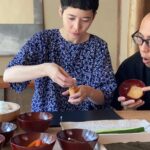
One stop brings you to a senbei maker tied to three generations of craft. Senbei is easy to overlook if you only focus on the headline foods like ramen or sushi. This part of the walk helps correct that.
The payoff is in the experience of learning how something crunchy becomes more than a snack. Senbei is about texture and timing. It’s also about taste that stays interesting after the first bite.
This is the kind of food moment I appreciate because it shifts you from only eating to also understanding. You start noticing why certain crackers stay crisp and why some flavors feel more developed, even when the portions are small.
And again, the small-group setup helps. You’re not watching from afar. You’re in the right place to get the story alongside the food.
What the Mobile Ticket and Small Group Mean for Your Day
This tour uses a mobile ticket, which cuts down on friction at the start. You don’t need to hunt for paper confirmations or print anything.
The group limit of six travelers is also a quality signal. Smaller groups move slower in a good way. You get time to look, ask, and eat without feeling rushed by a big crowd schedule.
Duration is listed as about 6 hours, so plan your day like you’ll still be hungry after the tour is done. The bites are filling, but they’re also designed to keep you moving and sampling a variety of styles.
Weather and Walking Reality: The One Practical Consideration
This experience is weather-dependent and requires good weather. Since there’s no private transportation, you should be ready for walking and public-transit time around the meeting point.
If you’re visiting during a season known for sudden rain or if you hate being outside, this is the one part to take seriously. In that case, consider scheduling a day where you have an extra buffer or flexibility.
Who This Tour Suits Best (and Who Should Skip It)
This tour is a strong match if you want a guided way to eat in Tokyo’s neighborhood style. I think it’s especially good for:
- First-time visitors who want Kichijoji specifically rather than generic “big city highlights”
- People who like street snacks and department store food halls in the same day
- Anyone who values small-group attention and eating that feels like local routine
It might not be ideal if you’re expecting a mostly indoor, sit-down experience. You’ll be walking between food spots and you’ll need to plan around the weather.
Should You Book This Kichijoji Food Tour?
Yes—if your goal is to understand Tokyo through one neighborhood and through real food formats, not just a list of famous dishes. The mix of depachika sushi, yakitori, street-side bites like octopus balls, and a maker-focused senbei stop gives you variety with a coherent theme.
Also, the timing and value work in your favor. At 6 hours with lunch and drinks included, it’s a practical day-plan. And with only up to 6 people, it’s less chaotic than big group food crawls.
Book early if you can. The tour’s average booking window is 83 days in advance, which tells me this is a popular slot.
FAQ
How long is the tour?
It runs about 6 hours.
Where do I meet, and where does the tour end?
You start at Kichijōji Station (address listed as 2 Chome-1 Kichijoji Minamicho, Musashino, Tokyo 180-0003) and the tour ends back at the meeting point.
What does the tour price include?
Coffee and/or tea, snacks, bottled water, and lunch are included.
Is private transportation included?
No. Private transportation is not included.
How many people are in the group?
The maximum group size is 6 travelers.
Is the ticket mobile?
Yes, the tour uses a mobile ticket.
What is the booking and confirmation process?
You’ll receive confirmation at the time of booking.
Is admission included for the stops?
The provided details list admission as free for the stops shown, and the tour mentions a mobile ticket.
What happens if the weather is poor?
This experience requires good weather. If it’s canceled due to poor weather, you’ll be offered a different date or a full refund.
Can I cancel for a refund?
Yes. You can cancel up to 24 hours in advance for a full refund. If you cancel less than 24 hours before the start time, the amount you paid will not be refunded.