REVIEW · MUSASHINO
Small Town in the Big City: Tasting Tokyo’s Kichijoji
Book on Viator →Operated by Culinary Backstreets · Bookable on Viator
Tokyo tastes better when you slow down. I love how this Kichijoji food tour zooms in on one real neighborhood, and I love that meals plus drinks are built into the price. The main drawback is the cost, and booking timing can be a bit of a gamble if your plans are rigid.
This experience is interesting because it mixes Tokyo’s famous food culture with everyday local shopping rhythm. You’ll hit a department store food hall area (the depachika style that locals use for everyday favorites), then keep going into Kichijoji’s shotengai shopping street for more casual bites like yakitori and octopus balls.
One more consideration: it’s a small-group tour (max 6), so the vibe is close and chatty, not a sit-and-watch show. If you’re sensitive to lots of walking and constant food stops, pace yourself and tell your guide if you want slower breaks.
Key things I’d plan around
- Kichijoji-focused, not “everywhere in Tokyo”: you get neighborhood immersion instead of a rushed checklist.
- Depachika stop: you’ll eat your way through a Tokyo department store food-hall mindset, from classic items to newer trends.
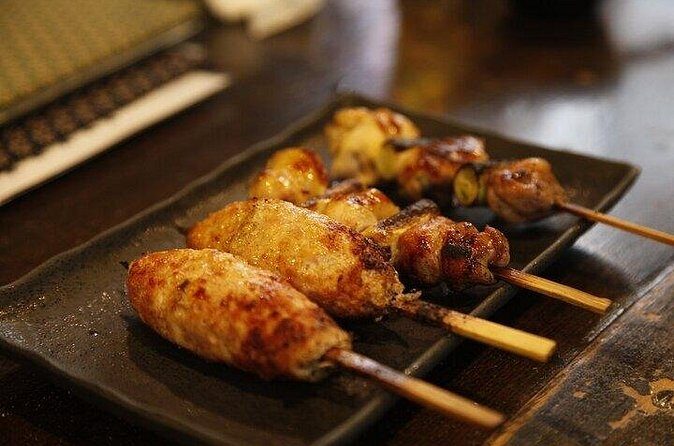
- Local street-food style tastings: yakitori and octopus balls are part of the mix, served in a very casual way.
- Craft stops matter: you’ll meet a family senbei maker with a three-generation setup.
- Small group of up to 6: more questions, more interaction, less waiting.
- Guides with strong English: names you may hear include Elly, Michelle, Ken, and Diana, and the emphasis is on explaining food and culture clearly.
In This Review
- Kichijoji: the Tokyo “small town” feel (with big-city food)
- The vibe and pacing: small group walking, lots of eating
- Stop 1: Kichijoji kickoff—your neighborhood orientation through food
- The depachika experience: department store food hall tastes like Tokyo life
- Shotengai street food: yakitori and octopus balls in local lanes
- Senbei craft with three generations: why this stop hits
- Meals, drinks, and portion sanity: the value math of $195
- Guides and authenticity: what you should look for on the day
- One caution: reservation reliability and last-minute stress
- Who this is best for (and who should think twice)
- Should you book the Kichijoji tasting tour?
- FAQ
- How long is the Kichijoji tasting tour?
- What is included in the tour price?
- How many people are in the group?
- Where does the tour start and end?
- Is private transportation included?
- Do I need an admission ticket?
- Can I get a refund if I cancel?
Kichijoji: the Tokyo “small town” feel (with big-city food)
Kichijoji has that rare Tokyo trick: it feels like a neighborhood where people actually live their lives, not a themed stage made for visitors. That matters on a food tour because you taste better when you’re not sprinting between landmarks. You’re in the lanes where locals pop in for daily needs, then you turn those errands into meals.
This is also why the tour’s structure works. Instead of hopping across town, you start in Kichijoji and then spend the longer chunk around the area of Inokashira Onshi Park and the surrounding food and shopping zones. The end result is a smoother day—still active, but easier to enjoy—because the food themes stay consistent: casual streets, department store counters, and traditional snack craft.
And you’ll notice a smart approach to food quantity. Some tours can go heavy. Here, the pacing is designed so you can sample without feeling like you’ve stuffed yourself into a food coma. When a guide knows the neighborhood well, they also know where to stop and how much to pour into your experience.
The vibe and pacing: small group walking, lots of eating
Plan on a 6-hour day. In practice, that means it’s not a quick “grab-and-go” experience, but it also isn’t an all-day marathon with endless standing in lines. The tour starts back where it meets you, so you’re not scrambling to find your way at the end.
Group size is capped at 6. That’s a big deal in Tokyo, where getting attention can be hard in busy places. A small group means you can ask questions about what you’re eating—how it’s made, what to try next, and what to notice even if you’re not a hardcore foodie.
Guides are also a core part of the value here. From the names associated with the tour—Elly, Michelle, Ken, and Diana—the consistent theme is clear, friendly English and strong knowledge of the venues. You’re not just being fed; you’re being taught how to read Tokyo’s food culture in real time.
My one caution for pacing: since there are multiple tasting stops, show up with a light appetite. You don’t want to arrive stuffed from breakfast. Also, if you know you have dietary restrictions, it’s worth checking directly with the operator before you go, since the tour style is built around multiple food counters and street-style snacks.
You can also read our reviews of more food & drink experiences in Musashino
Stop 1: Kichijoji kickoff—your neighborhood orientation through food
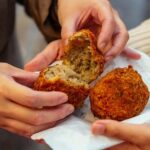
You start with an hour in Kichijoji. That first hour does a practical job: it gives you bearings fast, so the rest of the walking feels logical instead of random.
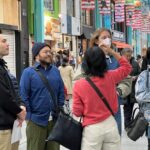
This part is where the tour’s “small town in the big city” idea becomes real. Kichijoji isn’t just a list of eats. It’s shopping lanes, local rhythm, and a laid-back atmosphere you can feel even between bites. It’s also where you set expectations for the day—so later when you’re in department store food halls and street stalls, you know what you’re looking at.
Even if you only have time to wander a single Tokyo neighborhood well, Kichijoji is a strong pick. You’re likely to notice that the area holds both old-school and modern food culture at the same time: traditional snack culture beside sleek counters and contemporary taverns.
The depachika experience: department store food hall tastes like Tokyo life
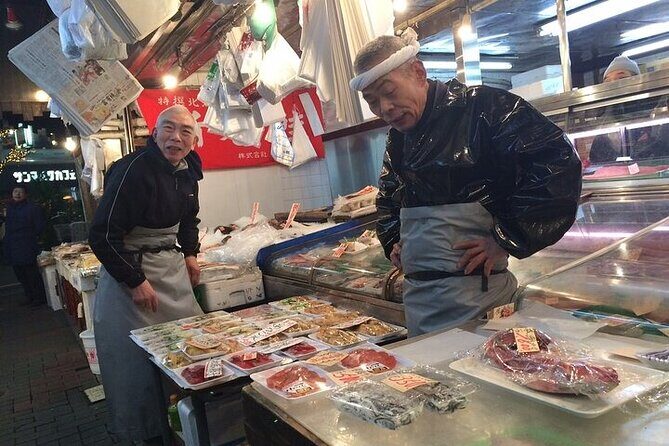
The longer tasting segment ties into Inokashira Onshi Park’s surrounding area, and it begins at a depachika-style department store food hall. This is one of Tokyo’s smartest food inventions: a place that feels curated, clean, and easy to navigate, while still offering the kind of everyday foods locals actually buy.
Here’s what to expect in that food hall style:
- Pickles and preserved bites that feel very Japanese, very “local daily life.”
- Fruit that looks like it belongs in a display case, not a snack bag.
- Japanese junk-food aisles, where the fun is seeing what’s new, quirky, and packaged for easy tasting.
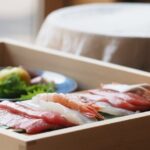
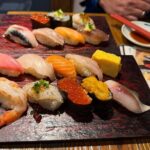
- A sushi bar stop that’s described as a local favorite.
What I like about including a depachika stop on a food tour is that it gives you a different lens than street-only eating. You get to see how Tokyo does food quality and variety in a way that’s accessible even if you’re not fluent in the language.
Also, because these are structured counters, it’s usually easier to learn what you’re eating without the chaos of trying to decode menus on your own. You get answers in real time, and you can taste multiple styles without losing the plot.
Shotengai street food: yakitori and octopus balls in local lanes
After the department store stop, the tour shifts into Kichijoji’s shotengai shopping street energy. This is where the day becomes more playful and casual—more like eating with people than eating like a museum visitor.
You’ll walk through the everyday shopping lanes and rub shoulders with locals who are picking up daily essentials. That context matters. It helps you understand what foods are “routine” versus what’s “special occasion.”
Food highlights here include:
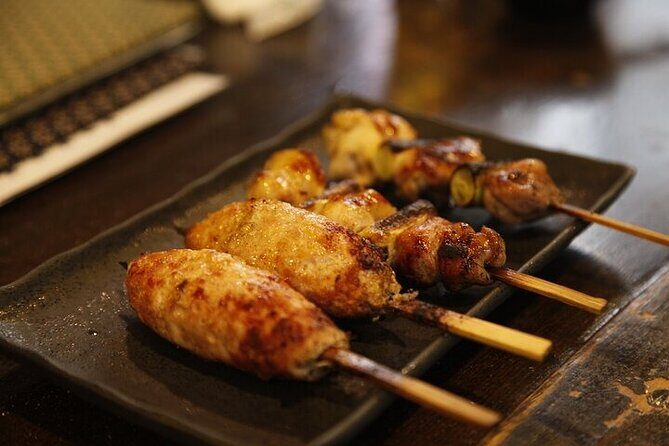
- Yakitori skewers, sampled street-side.
- Octopus balls (often called takoyaki style treats in Tokyo contexts), again served in a quick, snackable way.
This is also the part of the day where guides tend to shine. In a good tour, you don’t just eat; you learn what makes Japanese street snacks worth repeating later in your own trip. You start picking up the patterns: how skewers are seasoned, what people order together, and what tastes are meant to be eaten hot and fast.
The takeaway for you: if you’re worried you’ll only end up with “filler snacks,” this is the section that keeps it real. It’s not fancy food for photos; it’s food that fits the street.
Senbei craft with three generations: why this stop hits
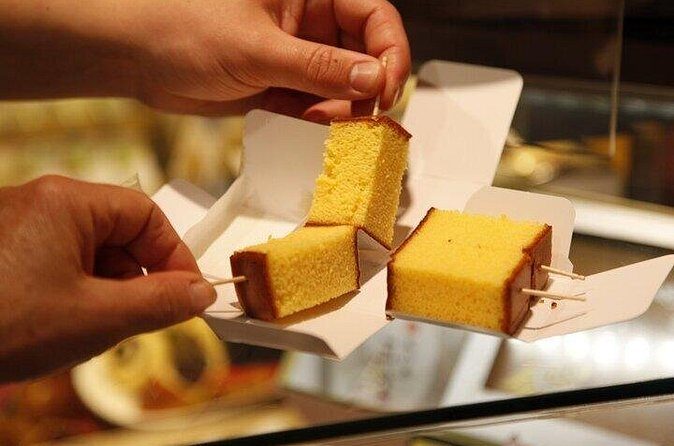
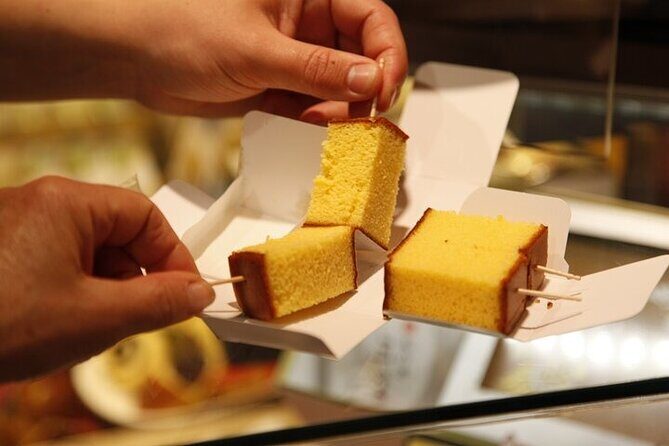
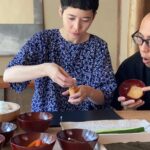
One of the most memorable parts of the experience is meeting a family senbei maker with a three-generation setup. That kind of craft stop changes how you experience snacks.
Senbei sounds simple until you watch the process and learn the small decisions behind it—timing, texture, flavor balancing, and how tradition stays alive through repetition and tweaks. When a tour includes a craft maker like this, you get more than a bite. You get a story you can actually remember later.
What makes this stop feel valuable is that it bridges “what you eat” with “how people learn their craft.” You’re not only consuming food; you’re seeing how food expertise is passed down and maintained.
If you like food culture that’s hands-on and human—rather than only counters and storefronts—this is a standout.

Meals, drinks, and portion sanity: the value math of $195
The price is $195 per person for about 6 hours. At first glance, that can feel like a lot—until you look at what’s actually included.
Your ticket covers:
- Meals
- Lunch
- Snacks
- Coffee and/or tea
- Alcoholic beverages
It’s also described with free admission for the stops. The key thing is that the tour reduces your guesswork. In Tokyo, buying multiple small foods can add up fast. Here, you’re paying for an organized path plus curated tastings plus the guide’s explanations, and those included items cover the day’s main “food spending.”
Is it still pricey? Yes. But for a small-group tour with multiple venue stops, drinks included, and guide-led sampling, it’s closer to a priced itinerary than a casual walking snack session.
My practical advice on value: if you already plan to spend heavily on food around central Tokyo each day, this tour can be a way to “buy the guidance” and lock in a full day of tastings without surprise costs. If you’re the kind of traveler who eats small portions and prefers to snack on your own, then the cost might feel harder to justify.
Guides and authenticity: what you should look for on the day
The strongest praise tied to this tour is the guide factor: clear English, engaging energy, and real connections with the owners of the places you visit. Names that come up for leading this experience include Elly, Michelle, Ken, and Diana, and the common thread is that the guide isn’t just reciting facts.
A guide who has rapport can change everything:
- You get better explanations of what to notice.
- You’re more likely to be guided through the right choices at each stop.
- It feels less transactional and more like a friendly food introduction.
Another high point is that you’re not only tasting; you’re walking, talking, and learning while you eat. That helps the time feel worth it, because the day becomes a story, not a sequence of transactions.
If you want to get the most out of your guide, bring one question you care about—like how to choose yakitori styles, what to order at a depachika sushi counter, or how senbei differs by texture. A small group makes those questions easier to answer.
One caution: reservation reliability and last-minute stress
No tour is perfect, and the only real red flag in the provided feedback is about inconsistent booking attempts and repeated cancellations. In other words: if you’re building your Tokyo plan around this being your one guaranteed fixed event, you could get frustrated by last-minute changes.
So here’s the practical approach I’d take: build this tour into the trip as a high priority, not as the sole foundation of your schedule. Give yourself flexibility, and avoid treating it as the only time you’ll be in that neighborhood. If you have to choose, I’d rather you keep a buffer day or be ready to shift the order of your neighborhood wandering.
Who this is best for (and who should think twice)
This tour is a great fit if you:
- Want a real neighborhood experience rather than a bus-route highlights tour.
- Enjoy guided tastings that include both street snacks and depachika-style counter food.
- Like learning from food makers and cooks, not only from menus.
- Prefer small group days (up to 6 people) where conversation is part of the plan.
It may be less ideal if you:
- Don’t enjoy a walking-heavy day.
- Hate the idea of multiple tastings in one afternoon (even with reasonable portion pacing).
- Have very specific dietary needs and haven’t confirmed beforehand whether substitutions are possible.
Should you book the Kichijoji tasting tour?
If you’re looking for a Tokyo food day that feels local—Kichijoji-style local, not just “tourist local”—this is one of the smarter ways to spend time. The mix of depachika counter eating, shotengai street snacks, and a senbei craft meeting gives you variety without feeling random. Add in the small group size, strong English guide experiences (with names like Elly, Michelle, Ken, and Diana), and the fact that meals, snacks, and drinks are included, and the value starts to make sense.
Just don’t treat it like a single-point-of-failure plan. Because there’s feedback about booking inconsistency and cancellations, give yourself a little scheduling breathing room.
If you want the best call: book it if Kichijoji sounds like your kind of Tokyo. Skip it if you only want minimalist eating, or if you can’t handle any chance of schedule shifts.
FAQ
How long is the Kichijoji tasting tour?
It runs for about 6 hours.
What is included in the tour price?
Meals, coffee and/or tea, alcoholic beverages, lunch, and snacks are included.
How many people are in the group?
The tour has a maximum of 6 travelers.
Where does the tour start and end?
It starts at KICHIJOJI STA.1 Chome-6 Kichijoji Minamicho, Musashino, Tokyo 180-0003, Japan, and ends back at the meeting point.
Is private transportation included?
No. Private transportation is not included.
Do I need an admission ticket?
Admission tickets are listed as free for the stops.
Can I get a refund if I cancel?
Yes. You can cancel for a full refund up to 24 hours in advance of the experience start time.