REVIEW · MUSASHINO
Explore Kichijoji: Walk Through One of Tokyo’s Beloved Districts
Book on Viator →Operated by Musashino city urban tourism corp. · Bookable on Viator
Kichijoji feels like Tokyo you can actually breathe in. This 2-hour stroll helps you connect the dots between shopping streets, temple calm, and postwar street-food culture—without rushing. I especially like how the tour pairs walkable local streets with storytelling, and I like the finish at Harmonica Yokocho, where you get one drink and two yakitori skewers. The one thing to consider: at this length, you’ll do a lot of “see and sample the vibe,” not deep shopping or museum time.
Kichijoji is about a 15-minute train ride from Shibuya or Shinjuku, and it has that lived-in neighborhood feel people move to (and keep coming back to). The group size is small—maximum 8—so the guide can actually slow down with you. Price is $45.98 per person, which can feel high if you hate guided formats, but it’s easier to accept when you factor in the yakitori stop and the tight time window.
In This Review
- Key Highlights You Should Care About
- First, Where Kichijoji Fits Into Your Tokyo Plan
- Getting Your Bearings on Sunroad Shopping Street
- Gesso-ji Temple: Calm Timing and Real Local Roots
- Nakamichidori Shopping Arcade: Where Old Shops Stay in the Story
- Harmonica Yokocho: One Drink, Two Yakitori, and Postwar Street Energy
- The Guides Matter: Kate and Michi’s Style of Local Storytelling
- Price and Value: Is $45.98 Worth a 2-Hour Walk?
- Where You’ll Start and How to Plan Your Afternoon
- Should You Book This Kichijoji Walk?
- FAQ
- How long is the tour, and what time does it start?
- How much does it cost per person?
- What is included at Harmonica Yokocho?
- Is admission required for the stops?
- Is there a mobile ticket?
- What’s the group size limit?
- Where do I meet and where does the tour end?
- When will I receive confirmation after booking?
- What is the cancellation policy?
Key Highlights You Should Care About
- Small group (max 8) so the guide can keep the pace friendly.
- Sunroad Shopping Street: around 300 meters with about 150 shops—good for fast orientation.
- Gesso-ji Temple: a quiet Zen stop that explains why Kichijoji formed where it did.
- Nakamichidori arcade streets: where older stores and newer cafés sit side by side.
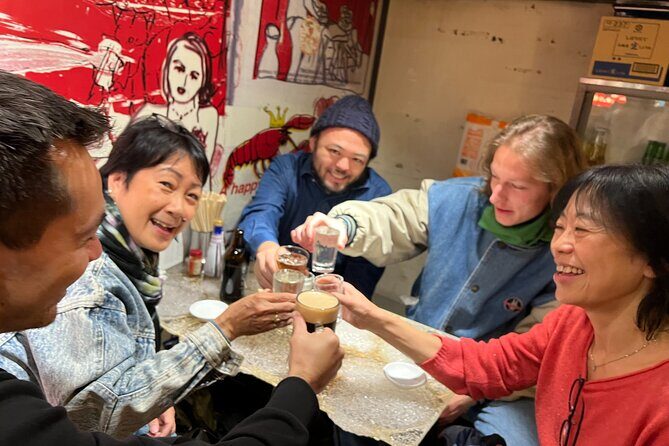
- Hamonika/Harmonica Yokocho ends the tour with a drink and two yakitori skewers.
- Two hours is just enough to understand the district without exhausting your feet.
First, Where Kichijoji Fits Into Your Tokyo Plan
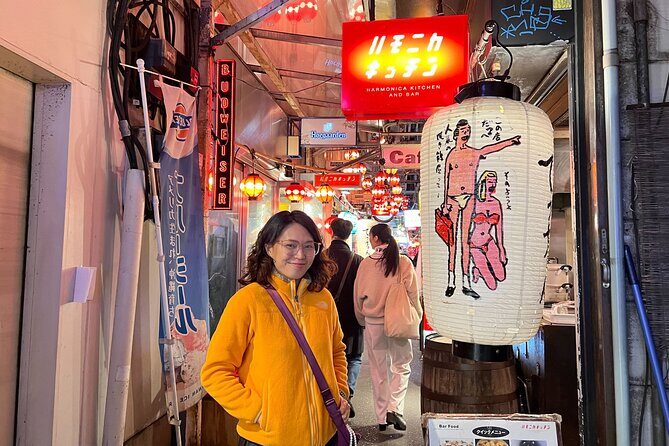
If you’re basing yourself in Shibuya or Shinjuku, Kichijoji is a smart switch. It’s close enough for an easy afternoon, but it doesn’t feel like the same rush. The walk tour is built for that purpose: you get a guided snapshot of the district’s street life and texture—then you can continue on your own afterward.
You’ll also notice how the tour naturally links Kichijoji to nearby culture. Harmonica Yokocho is near the Ghibli Museum area, so if you’re pairing this with a museum day, ending the tour there makes practical sense. And because it starts at 3:00 pm, you’re usually walking in comfortable light, with fewer “everything closes in 30 minutes” worries.
You can also read our reviews of more tours and experiences in Musashino.

Getting Your Bearings on Sunroad Shopping Street
The tour kicks off at Sunroad in Kichijoji. This is a covered-feeling shopping street experience, about 300 meters long with roughly 150 shops. Even if you don’t buy anything, it’s ideal for a quick mental map: you see how locals shop, snack, and move from block to block.
I like this stop because it does two jobs at once. First, it gives you that immediate neighborhood feel—Tokyo, but not the camera-on-every-corner kind. Second, it sets up the rest of the walk. Once you’ve walked Sunroad, the temple and side streets feel like chapters of the same place, not random attractions stitched together.
Potential drawback: Sunroad is active, and if you’re the type who prefers wide-open scenery over dense streets, this first stretch can feel a little “in it.” Still, it’s only about a quarter-hour here.
Gesso-ji Temple: Calm Timing and Real Local Roots
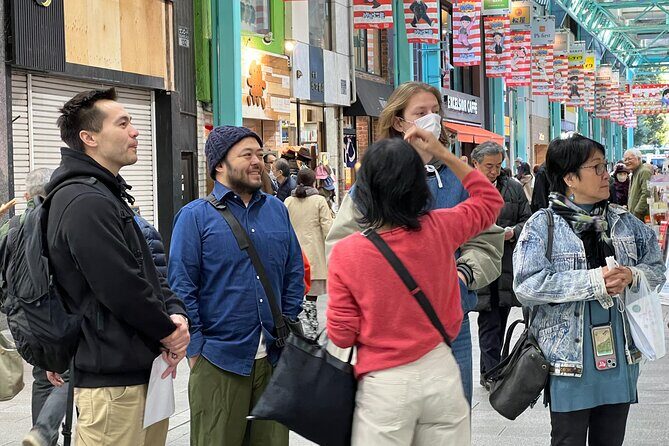
Next comes Gesso-ji Temple, and it’s not just a pretty pause. The temple is described as the heart of Kichijoji’s history and the reason the town formed in the first place. That matters because it changes how you see the surrounding streets—you start noticing how the community grew around place and practice.
This stop is also one of the best “reset moments” on a Tokyo walking tour. You get Zen Buddhist greenery and a quieter pace, which helps you enjoy the rest of the walk rather than just endure it. One of the more memorable things I took from the guide approach here is the way they connect local history—down to major events—with why Kichijoji became what it is today, including a mention of a major earthquake tied to the town’s early formation centuries back.
Practical note: even when admission is free, temples still have etiquette. Keep your voice down and be respectful with photos.
Nakamichidori Shopping Arcade: Where Old Shops Stay in the Story
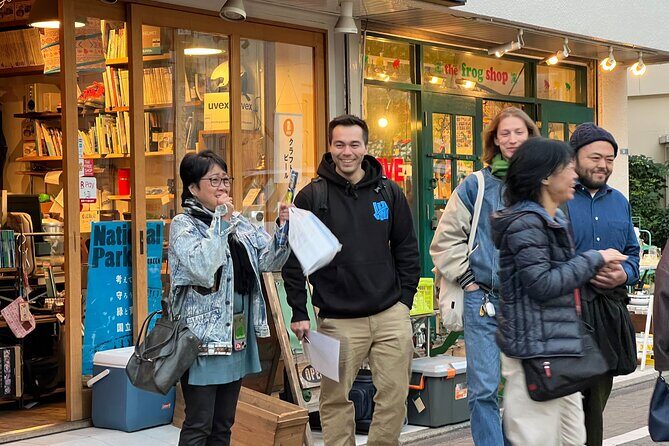
After the temple calm, you shift into Nakamichidori, plus nearby side streets. This part is about contrast: older shops you’d expect to find in long-established Tokyo, alongside newer cafés and sweets spots.
I like Nakamichidori because it’s the “everyday Tokyo” section. It’s where you can actually imagine living here rather than only visiting. The guide helps you read what you’re looking at—what might be a long-running style of store versus something newer trying to fit into the neighborhood rhythm.
If you’re interested in crafts or small finds, this is also where the tour can turn into a shopping-friendly wandering mode. In the feedback I’ve seen, people specifically enjoyed getting pointed toward artisan stores and even antique or pottery-focused shops. That doesn’t mean every storefront sells the same things each day, but it does mean the guide is paying attention to what’s worth noticing.
Consideration: Because this is a shopping-area stroll, your enjoyment will depend on how you feel about walking through retail streets. If you want scenery over storefronts, this will still be useful, but it may not feel as “wow” as a museum.
Harmonica Yokocho: One Drink, Two Yakitori, and Postwar Street Energy

The tour ends at Harmonica Yokocho, a narrow alley maze known for small bars and eateries. The name comes from the alley shape—tiny passages that resemble harmonica reeds.
This is where the experience earns its keep. You’re not just shown a cool street; you get food and a drink right in the setting—one drink and two skewers of yakitori. It’s a simple, very Tokyo way to finish: you stand, you smell the grill, you compare bites, and suddenly the whole neighborhood story clicks.
Why I think this stop works so well:
- It’s social without being long.
- It turns a food alley into something you can taste, not just look at.
- It’s also easy to continue your evening afterward since it’s near Kichijoji Station’s north exit.
Possible drawback: It’s a tight alley type of environment. If you’re sensitive to crowds or noise, go with the expectation that this is lively and close-quarters.



The Guides Matter: Kate and Michi’s Style of Local Storytelling

This is a small-group walk, and the guide plays a big role in making it feel like more than just “walk here, then walk there.” Names that show up for warm, helpful guiding include Kate and Michi.
From what people highlight, the good guides here focus on:
- showing special places you’d likely miss on your own,
- explaining how the district grew over time,
- mixing tradition with modern retail trends you can see while walking.
That guide skill is especially valuable in a place like Kichijoji, where the charm is subtle. You don’t need big monuments for the district to feel memorable—you need context. The best guides give you that context quickly, so you can actually enjoy your stroll instead of guessing what you’re looking at.
Group size stays small (up to 8), which helps the guide keep things on track while still making room for questions. It also makes the vibe less rushed.
Price and Value: Is $45.98 Worth a 2-Hour Walk?
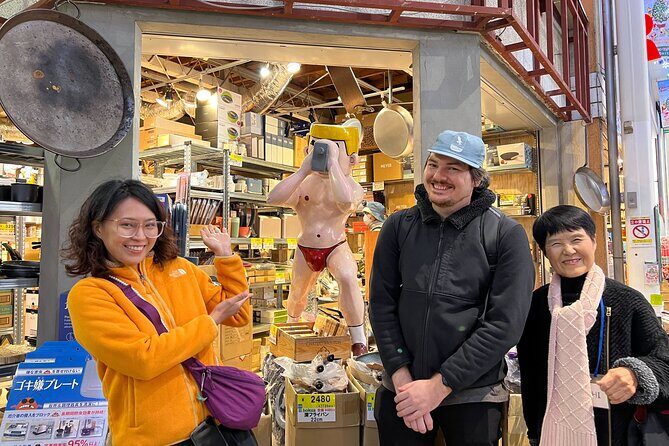
$45.98 for about two hours sounds like a lot until you break down what you’re actually buying. You’re not paying to enter paid attractions, because the stops listed are free admission. So your money goes toward guided time, local context, and the most concrete inclusion: yakitori plus a drink at Harmonica Yokocho.
Here’s how I’d judge value for you:
- If you like guided walks that help you understand what you see, this is solid value for a compact afternoon.
- If you’re a self-guided explorer who hates schedules and just wants to wander, you might resent paying for a “walk with directions.”
- If you plan to visit nearby culture spots (like the Ghibli Museum area), the timing and ending location make it more practical, which increases value.
One extra thing: this experience tends to be booked around 33 days in advance on average. If your dates are fixed, I’d treat it like something you should plan ahead for rather than a last-minute whim.
Where You’ll Start and How to Plan Your Afternoon
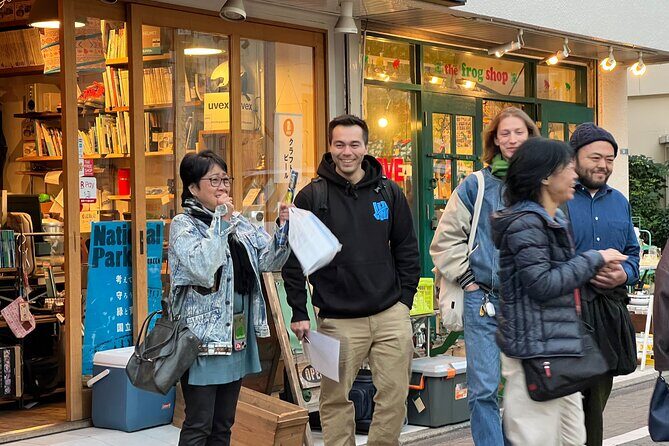
The meeting point is at 1-chōme-1-24 Kichijōji Minamichō, Musashino. The tour starts at 3:00 pm. You’ll finish at Harmonica Yokocho, 1-chōme-1 Kichijōji Honchō, Musashino—a short walk from the north exit of Kichijoji Station.
That finish matters. It gives you flexibility: after yakitori and a drink, you can keep exploring Kichijoji, head toward nearby attractions, or return toward Shibuya/Shinjuku without backtracking.
If you’re building an itinerary for the day, I’d plan this as a “neighborhood understanding” block. Don’t schedule a must-see museum piece immediately after unless you have time cushion—food stops and alley wandering can naturally run a few minutes long.
Should You Book This Kichijoji Walk?
I’d book it if you want an easy way to experience a Tokyo neighborhood that feels local rather than tourist-rushed. The small group size helps, the walking length is manageable, and the ending at Harmonica Yokocho gives you a real reward—yakitori and a drink—not just photo ops.
I’d skip it or shop for alternatives if you:
- hate guided formats,
- want deep shopping time (two hours is not long),
- or prefer open landscapes over dense street scenes.
For first-timers to Kichijoji, this kind of guided orientation is especially useful. You get the “why” behind the streets—temple roots, shopping streets, and the alley-food culture—all in one afternoon.
FAQ
How long is the tour, and what time does it start?
The tour lasts about 2 hours and starts at 3:00 pm.
How much does it cost per person?
The price is $45.98 per person.
What is included at Harmonica Yokocho?
You can enjoy one drink and two skewers of yakitori at Harmonica Yokocho.
Is admission required for the stops?
The stops listed (including Sunroad, Gesso-ji Temple, and the shopping arcade areas) show admission as free.
Is there a mobile ticket?
Yes, the tour uses a mobile ticket.
What’s the group size limit?
The tour has a maximum of 8 travelers.
Where do I meet and where does the tour end?
You meet at 1-chōme-1-24 Kichijōji Minamichō, Musashino, Tokyo, and you end at Harmonica Yokocho at 1-chōme-1 Kichijōji Honchō, Musashino. Harmonica Yokocho is a short walk from the north exit of Kichijoji Station.
When will I receive confirmation after booking?
Confirmation is received within 48 hours of booking, subject to availability.
What is the cancellation policy?
You can cancel for a full refund up to 24 hours in advance of the experience. If you cancel less than 24 hours before the start time, you won’t receive a refund. Cut-off times use the local time where the experience takes place.