REVIEW · TOKYO
Tokyo:Samurai sword and archery class from a samurai descendant
Book on Viator →Operated by 戸山流備前会/Toyama-Ryu BIZENKAI · Bookable on Viator
A real samurai workshop beats most photo stops. This class at the Toyama-Ryu Bizenkai dojo in Machida teaches you katana handling plus practical training blocks like iai and gekken, ending with bow-and-arrow time. I also like the small-group setup (max 15) because you get corrections, not just a quick demo by the door—plus the instruction is led by Master Yoshioki Sumida.
One consideration: this is not a casual “try it once” activity. It’s physically demanding and you can expect your arms and legs to feel it for a day or two.
In This Review
- Key highlights to look for
- Why this Machida dojo class feels more real than a stunt
- The 2.5-hour flow: what you do from first lesson to final practice
- Iai with a mock sword: the part that fixes your form
- Gekken sparring: when timing matters more than strength
- Test cutting and blade line checks: what you’re really learning
- Bow and arrow time: the samurai weapon that changes your posture
- The “not tourist trap” factor: small-group pace and real instruction
- Price and value: is $198.20 actually fair for what you get?
- Who should book this class (and who might not)
- Getting there: location is outside central Tokyo
- What to wear and what the dojo provides
- Weather and comfort: the one practical constraint
- So, should you book it?
- FAQ
- How long is the samurai sword and archery class?
- Where does the class meet?
- How large is the group?
- What do you learn during the session?
- What equipment and uniform are included?
- Do I need experience with swords or archery?
- Is the class entertainment or actual training?
- Is the activity affected by weather?
- What is the cancellation policy?
Key highlights to look for
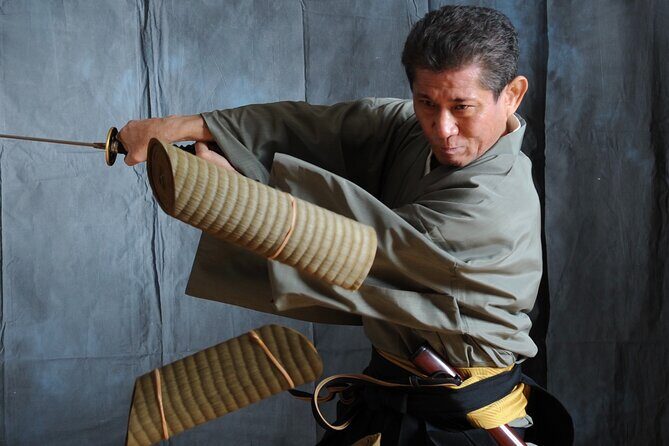
- Small-group attention with a cap of 15 so you can get hands-on corrections
- Structured sword training across iai (draw/swing basics), gekken (timing and defense), and partner sparring
- Test cutting and blade-check drills so you learn what “proper line” even means
- Samurai bow experience using a real bow and arrow as part of the session
- Toyama-ryu demonstration (7th grade) that shows harder techniques in context
- Little downtime between practice phases, so the 2.5 hours stays busy
Why this Machida dojo class feels more real than a stunt
If you’re tired of add-on shows that feel designed for photos, this is the opposite. The setting is a dojo just outside Tokyo, and the whole flow is built around training: lecture, uniform change, then repeated practice segments. The vibe is disciplined and focused, not performative.
What makes it especially appealing is the balance between culture and mechanics. You don’t only hear “samurai were cool.” You learn the parts and logic behind sword handling, timing, and movement. Then you get to practice with mock swords and partner drills, so the theory has weight.
And yes, the instructor is the big reason people rave about this experience. Master Yoshioki Sumida is described as a master of swordsmanship and also horseback archery, which matters because it explains why this class treats the sword like a system—not a magic trick.
A few more Tokyo tours and experiences worth a look



The 2.5-hour flow: what you do from first lesson to final practice
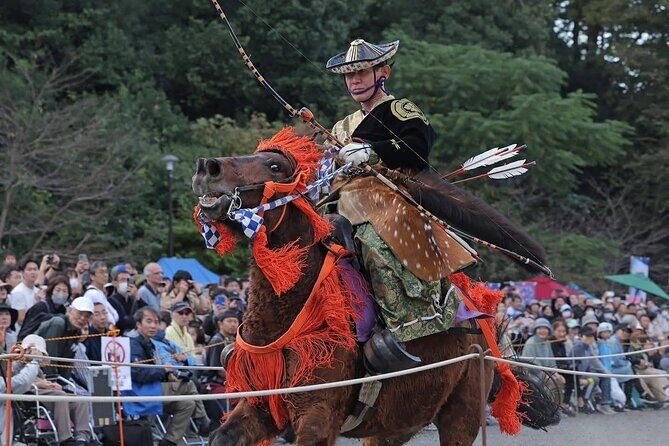
The session runs about 2 hours 30 minutes and is designed as four-ish action blocks, with minimal dead time. The exact order can feel like a sequence of “stations,” but here’s the practical map of what you’ll experience.
1) Arrival and quick orientation
You meet at 3-chōme-14-14 Haramachida, Machida, Tokyo 194-0013, Japan and get a short lecture at the dojo. Then you change into training wear. There’s also a small admin detail up front: the operator asks your height and weight so they can prepare your clothing.
2) Blade basics and safety mindset
Before you start swinging, you’re taught the basics of handling the sword and how the practice is organized. Safety gets emphasized throughout, and the pacing is built so you can learn without rushing into wild motions.
3) Iai practice: mock sword draw and swing
This is the lesson where you learn how to handle and swing the mock sword. Think of it as getting your body to move in the right sequence—stance, grip, draw/swing mechanics, and follow-through.
4) Gekken practice: timing, defense, and sparring
In the gekken lesson, you work on attack and defense timing, then spar using a moch sword (practice sword). This is where it becomes clear that sword work isn’t about arm strength. It’s about timing and distance.
5) Blade line check and test cutting
There’s also an activity where you check the blade line with a mock sword. Then you try test cutting, including slashing in ways that are harder than they look—especially cutting multiple targets while moving.
6) Bow and arrow practice
Finally, you try a bow using real equipment. The bow is treated as the samurai’s older core weapon, so it’s not a gimmick try-out.
7) Toyama-ryu demonstration
You may also see a live demonstration of Toyama-ryu 7th grade, showing advanced, difficult techniques. This isn’t staged entertainment; it’s presented as something you’ll understand better because you trained through the basics first.
You’ll leave tired, not just “inspired.”
Iai with a mock sword: the part that fixes your form
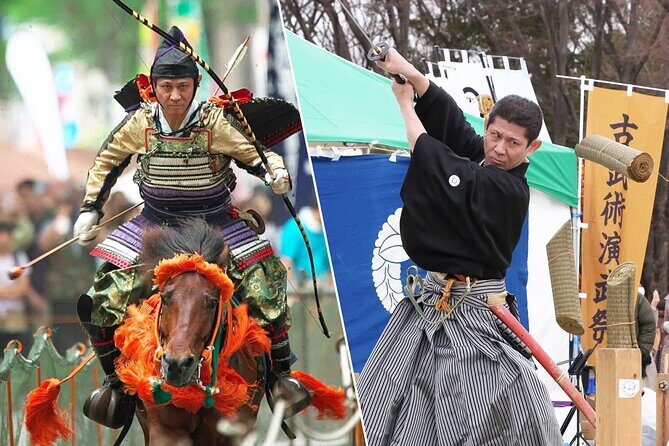
The iai segment is where many beginners have their first real lesson: sword basics are about alignment.
You’ll practice how to handle the mock sword, how to swing it, and how to get your body into positions that allow clean technique. Even if you’ve seen sword videos online, you’ll likely notice how hard it is to keep your movement controlled and your line consistent.
One practical benefit: the instructor’s approach is step-by-step, and the class is built to keep you safe while you learn. The goal isn’t to let you “figure it out.” It’s to correct your posture, timing, and swing so you don’t develop bad habits right away.
Gekken sparring: when timing matters more than strength
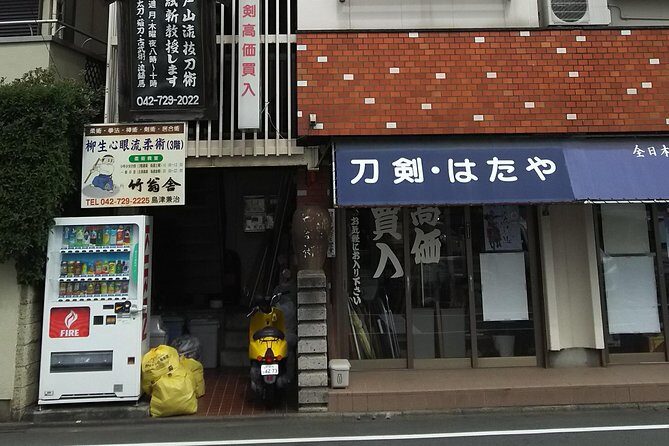
In gekken, you shift from solo motions to interaction. You learn the timing of attack and defense, then spar with a practice sword.
This is where the class earns its 5-star reputation. Sparring with foam-type practice tools (as described for safety practice) still forces you to pay attention. You can’t just swing. You have to respond.
Also, the class is described as demanding. Slashing with correct timing while moving and managing distance is genuinely difficult. That’s not a downside—it’s why it feels real. You’ll quickly understand why this isn’t a “hobby demo.”
Test cutting and blade line checks: what you’re really learning
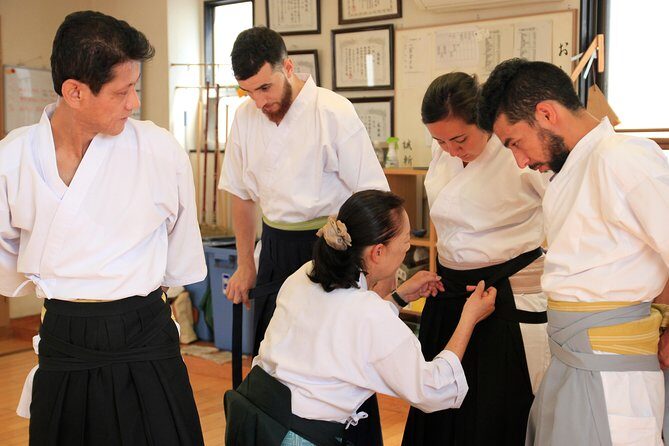
The blade line check is a deceptively useful drill. Even without deep sword knowledge, you’ll start to see how the blade’s path affects what happens when you cut.
Then comes try test cutting. The instruction includes slashing multiple targets while moving, and the difficulty is part of the lesson. Moving slashes require coordination: you need your body in the right position before the strike, and you can’t rely on raw force.
You’ll likely leave thinking about the cut in a more technical way than you did before. It’s not only “did it cut?” It’s “was the technique aligned?”





Bow and arrow time: the samurai weapon that changes your posture
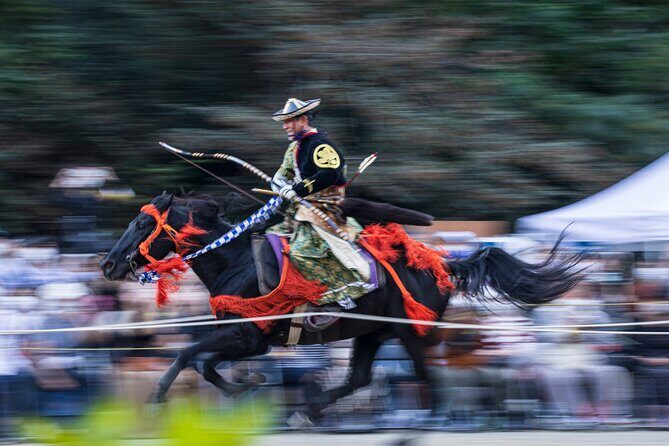
The class includes bow and arrow practice using real equipment. That’s a big deal because a bow isn’t like throwing a toy. Your stance, breath, and aim matter.
Also, the bow is presented as the main weapon of the samurai about 1,000 years ago, which gives the session historical context beyond modern martial arts culture. You’ll feel that shift immediately, because the technique emphasizes calm control rather than aggressive swinging.
If you’ve only done sports casually, expect your shoulders and core to work in a different way than sword practice. It’s still physical training, just with a different rhythm.
The “not tourist trap” factor: small-group pace and real instruction
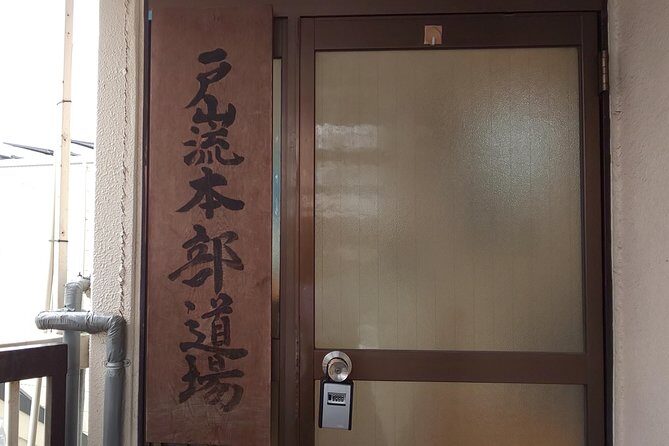
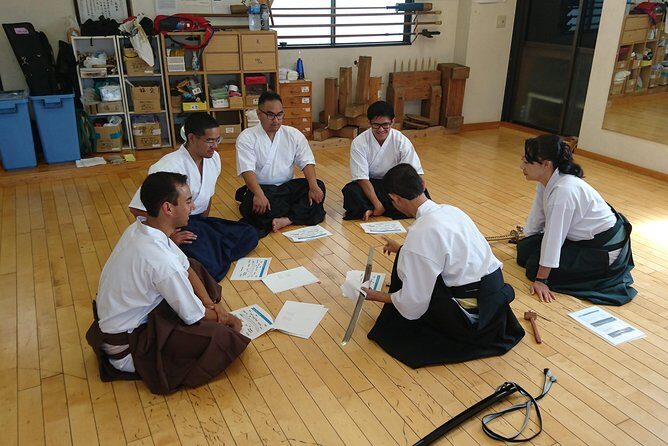
This class is set up like training, not entertainment. The dojo segments are connected, and the pacing keeps you busy. One of the most praised elements is the personal attention—getting corrected and encouraged through each step.
The teacher is described as funny, passionate, and patient, but also strict about safety and technique. That blend matters because you want both: the encouragement to stay relaxed and the discipline to keep your form clean.
If you’re the kind of traveler who likes doing one memorable thing well, this fits. It’s also suited if you want something hands-on that doesn’t require prior skills. The data says most travelers can participate, and the structure supports beginners moving toward better technique.
Price and value: is $198.20 actually fair for what you get?
At $198.20 per person, this is not a budget class. But it’s also not a short “look and leave” experience.
You get:
- A 2.5-hour training session
- Small-group teaching (up to 15)
- Training uniform and equipment provided
- Sword lessons with mock swords and practice sparring
- Bow and arrow practice with real equipment
- Blade line drills and test cutting
- A culture lesson on samurai sword use and history
- A live Toyama-ryu demonstration
To me, the value comes from the mix: you’re not just watching sword moves. You’re practicing sword mechanics, then switching to archery, then returning to blade-specific drills. That combination is hard to replicate in a typical “martial arts demo” package.
The only extra cost note is that facility charter fees are not included (not specified in the basic price), and if you want a facility exclusively you’d need to contact the provider.
Who should book this class (and who might not)
This works best for you if:
- You want an activity that feels like real dojo training
- You enjoy physical learning that’s challenging but guided
- You like clear structure: lesson, drills, practice, then harder techniques
- You care about Japanese history connected to what you’re doing with your body
You might think twice if:
- You hate physical activity or you’re injury-prone. This is training and can leave you sore.
- You want something purely passive and relaxing. This isn’t that.
- You’re very uncomfortable with concentration and repetition. You’ll need focus.
Getting there: location is outside central Tokyo
The meeting point is in Machida. It’s still “Tokyo,” but plan like you’re heading to the edges. If you’re staying in a far-off area, give yourself extra time, because reaching the dojo can take longer than you’d expect.
The studio can be a little tricky to find, so use your map app early and don’t rush your arrival. Mobile ticket entry makes the last step easier once you’re there.
What to wear and what the dojo provides
You’ll change into training wear on arrival. The operator asks your height and weight so the clothes are prepared, which is a nice touch for comfort and mobility.
Provided during class:
- Practice uniform
- Practice sword / bokken (training sword)
- Real bow and arrow
You should come ready to move. Comfortable layers help you get settled before training, but once you’re in the dojo wear, the class is all about stance and technique.
Weather and comfort: the one practical constraint
The experience requires good weather. If it’s canceled due to poor weather, you’ll be offered a different date or a full refund.
Also remember: sword and bow practice is repetitive by design. Even if you feel fine at the moment, you can expect soreness after.
So, should you book it?
If you want one Tokyo-area experience that mixes real technique, historical context, and hands-on practice, I’d book this. It’s hard, but guided. It’s not a tourist gimmick, and the small group helps you learn instead of simply stand there.
Book this if you can handle physical effort and you want to leave with actual skills—at least enough that you understand how much discipline sits behind every good cut.
FAQ
How long is the samurai sword and archery class?
It runs about 2 hours 30 minutes (approx.).
Where does the class meet?
The meeting point is 3-chōme-14-14 Haramachida, Machida, Tokyo 194-0013, Japan.
How large is the group?
The class has a maximum of 15 travelers.
What do you learn during the session?
You’ll receive a lecture and then practice iai (handling and swinging a mock sword), gekken (timing of attack and defense and sparring with a practice sword), blade line checks, try test cutting, and try bow and arrow.
What equipment and uniform are included?
You’ll get practice uniform and practice equipment including a practice sword/bokken, plus real bow and arrow.
Do I need experience with swords or archery?
The information says most travelers can participate, so you do not need prior experience. The class is taught step-by-step.
Is the class entertainment or actual training?
It is described as training, not entertainment, and it includes difficult techniques as part of the lesson and demonstration.
Is the activity affected by weather?
Yes. It requires good weather. If canceled due to poor weather, you’ll be offered a different date or a full refund.
What is the cancellation policy?
Free cancellation is offered. You can cancel up to 24 hours in advance for a full refund. If you cancel less than 24 hours before start time, the amount paid is not refunded.