REVIEW · MUSASHINO
Experience Mikoshi Parade in Kichijoji, Tokyo!
Book on Viator →Operated by Musashino city urban tourism corp. · Bookable on Viator
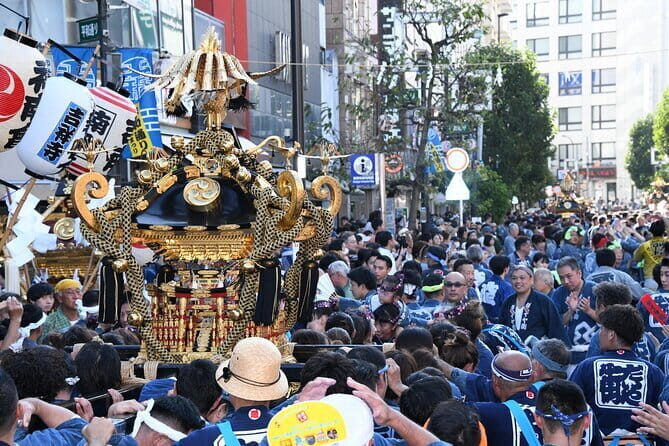
A mikoshi feels like a heartbeat in Kichijoji. This experience lets you see the Kichijoji Autumn Festival up close, with up to 11 portable shrines (mikoshi) moving through neighborhood streets in distinct district styles. On top of the street energy, all the mikoshi gather for a final moment that’s all about sound, rhythm, and coordinated celebration.
I love that, on September 12, you can wear a hanten festival jacket and join locals in carrying a mikoshi through the lively shopping streets. I also like the stop at Musashino Hachimangu, where the guide helps you connect today’s festival to the shrine’s role in the area, including the post-fire rebuilding that shaped the town around it.
One possible drawback: the whole thing requires good weather, and you’ll spend time standing and moving along parade routes where the pace comes from the crowd and the carriers, not from a comfy walking itinerary.
In This Review
- Key Things to Know Before You Go
- Kichijoji Mikoshi Parade: What You’re Really Seeing
- Price and Value: Why $39.02 Can Make Sense Here
- Two Days, Two Different Moods: Sept 12 vs Sept 13
- Stop 1: Kichijoji Daiyagai and the Hanten Jacket Moment
- Stop 2: Musashino Hachimangu on Sept 13 and the Final Mikoshi Gathering
- The Mikoshi Carrying Experience: Style, Sound, and Group Power
- Guide Factor: How Mr. Yamamoto and Kate Make It Click
- Getting There and Building a Smart Day Around It
- What’s Included, What Isn’t, and What to Bring
- Who Should Book This Mikoshi Parade in Kichijoji
- Should You Book This Mikoshi Parade Experience?
- FAQ
- What dates are the Mikoshi Parade in Kichijoji offered?
- How long does the experience last?
- How much does it cost per person?
- Is this a private tour?
- What’s included in the tour price?
- Are snacks included?
- Can I carry a mikoshi?
- Where is the meeting point?
- Is the shrine admission free?
- What happens if the weather is bad?
Key Things to Know Before You Go
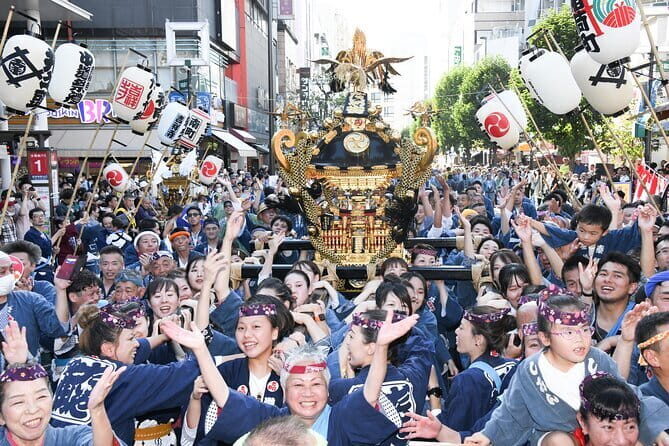
- Carry experience on Sept 12: You’ll get a hanten jacket and join the mikoshi carriers through the shopping street.
- Up to 11 mikoshi total: One from Musashino Hachimangu plus ten from each town district, each with its own carrying style.
- Two-day festival format: Sept 12 emphasizes the street carrying moment, while Sept 13 leans into the shrine visit and the final gathering.
- Musashino Hachimangu’s central role: The festival’s meaning becomes clearer when you understand how the shrine shaped the neighborhood.
- Guide support with real names: Staff like Mr. Yamamoto and Kate are part of the experience, and they clearly care about getting you ready.
- Short, focused time: About 2 hours, starting and ending back at the same meeting spot.
Kichijoji Mikoshi Parade: What You’re Really Seeing
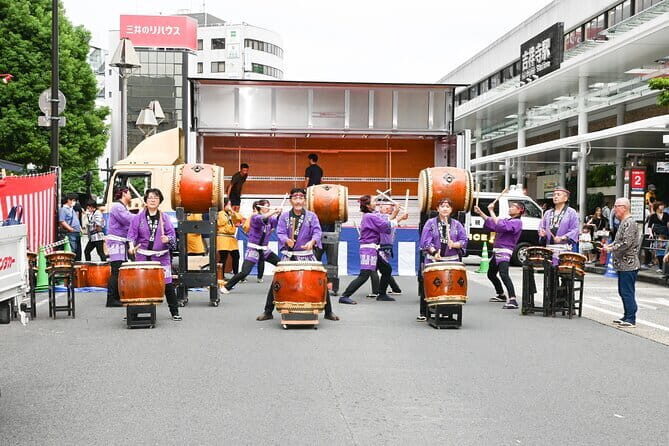
Kichijoji has a way of feeling both local and easy to reach. You can get there in about 15 minutes by train from Shibuya or Shinjuku, and it’s a great add-on day with Inokashira Park nearby. But the mikoshi parade is the main event, and it’s not the kind of performance you just watch from the sidelines. This is a festival where movement matters. The carriers set the tempo. The chanting supports the rhythm. The crowd’s attention helps power the moment.
The headline attraction is the number of mikoshi. The festival features up to 11 portable shrines, including one tied to Musashino Hachimangu and ten from each district of the town. That matters because you’re not just seeing one repeating float-like object. You’re seeing multiple groups, each with its own distinct style of carrying, chanting, and celebrating. In plain terms: the parade feels like several celebrations happening at once, then coming together at a highlight.
If you like Tokyo that feels less staged, this kind of street festival is a strong pick. Even if you’re new to Japanese shrine culture, the guide framework helps you understand what you’re watching without turning it into a lecture. You’ll also get practical value from the format: about two hours, with free shrine admission and a guide to help you navigate where the action is.
You can also read our reviews of more tours and experiences in Musashino.


Price and Value: Why $39.02 Can Make Sense Here
At $39.02 per person for roughly 2 hours, you’re paying for a few things that add up fast in real life:
- A professional guide to explain what you’re seeing and where the key moments are.
- The chance to participate on September 12 by carrying a mikoshi with a hanten jacket.
- Built-in festival timing (instead of wandering around and hoping you stumble into the right crowd).
In most parts of Tokyo, if you want cultural context and access to an active event, you end up either paying more for a longer tour or sacrificing the participation piece. Here, you get a short time commitment plus the “hands-on” option on Sept 12. The tour also provides a mobile ticket, so you’re not juggling paper tickets during a busy street scene.
The one tradeoff is that snacks are not included. If you’re doing it after other sightseeing, plan a simple meal or bring a drink for later. Also, the pace is dictated by a festival crowd, so don’t expect the luxury of long rests or lots of sit-down time.
Two Days, Two Different Moods: Sept 12 vs Sept 13
This is one experience offered across two dates, but the feel shifts.
On September 12, the experience leans toward action in the shopping-street heart of Kichijoji. You’ll join locals in carrying a mikoshi during the afternoon stretch, and you’ll get that hanten jacket moment that makes you look and feel like part of the event, not a distant observer. It’s ideal if you want participation, rhythm, and street-level energy.
On September 13, the focus shifts slightly toward Musashino Hachimangu and then the larger shared demonstration of all mikoshi together. You’ll visit the shrine area, learn about its connection to the community, then end with the highlight where all groups come together. This is a great choice if you prefer starting with context and then watching the larger unified show of the festival.
If your schedule allows only one day, pick based on your personality: want to carry? Choose Sept 12. Want the shrine-first story and the final gathering highlight? Choose Sept 13.
Stop 1: Kichijoji Daiyagai and the Hanten Jacket Moment
Kichijoji Daiyagai is one of the big shopping streets, and it’s also where the festival energy concentrates. For September 12, the timing runs from 3:00 p.m. to 6:00 p.m., and within that window, your guided experience focuses on the carrying participation segment.
What makes this stop special is simple: you’re not just passing by decorated items. You’re joining people who actually carry the mikoshi. The tour sets you up with a hanten festival jacket, which helps you blend in quickly. It also signals you’re expected to move with the group, not merely watch.
There’s a practical upside here: when a festival is happening in a shopping street, you get a sense of everyday life continuing around the event. Stores, sidewalks, and normal urban flow are all nearby. That contrast can be striking if you’re used to big theme-park style entertainment.
What to watch for as a participant: the experience is timed (you’re with the group for about 1 hour 40 minutes at this stop), and the activity involves movement and standing in a crowd. Comfortable shoes matter more than you think. If you’re the kind of person who needs lots of personal space, this part may feel intense, but that’s also the point. The mikoshi carriers don’t perform for emptiness; they perform for a street full of people.
Stop 2: Musashino Hachimangu on Sept 13 and the Final Mikoshi Gathering
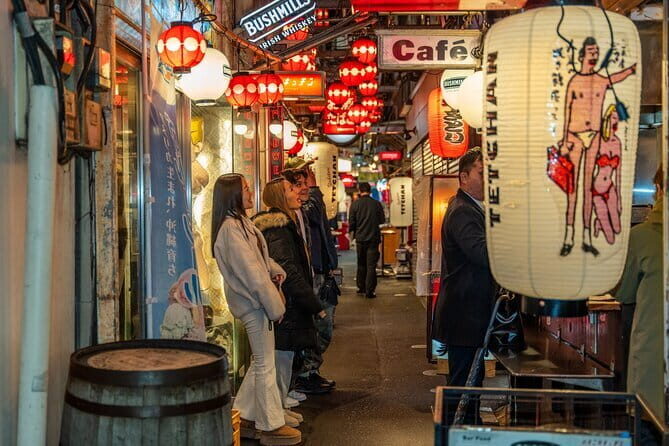
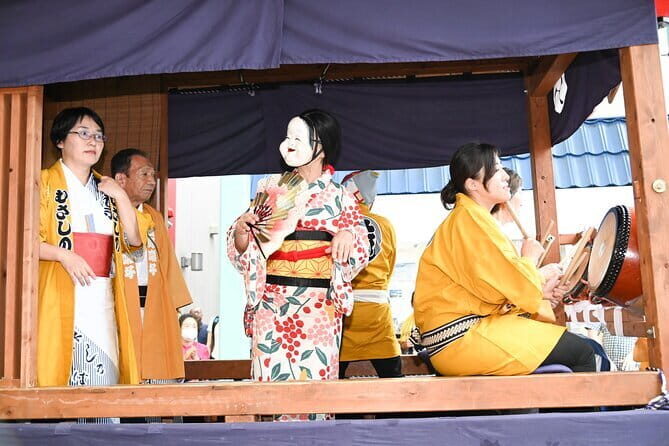
Musashino Hachimangu is a guardian shrine of Kichijoji with roots stretching back to an earlier era. The shrine’s story includes a major disruption in the 17th century, when the Great Meireki Fire forced people to rebuild and re-form the community in the area. Today, locals visit for New Year’s and a range of family and festival moments, which is a key detail: the shrine isn’t just for tourists. It’s part of how people mark time.
On September 13, you visit the shrine from 3:00 p.m. to 5:00 p.m. The guide helps you connect the festival practices to that neighborhood relationship. Then you stroll through town in a festive spirit and witness the demonstration when all the mikoshi come together.
This is the “big picture” segment. If the street carrying is your beat-by-beat energy, this stop is where it clicks into place. Seeing multiple district groups unite gives you a better sense of why each group carries and chants in its own style—because all those differences still funnel into one shared celebration.
Time-wise, this segment is shorter—about 20 minutes in the scheduled plan for the shrine-related portion—but it’s designed to lead into the highlight rather than replace the main action.




The Mikoshi Carrying Experience: Style, Sound, and Group Power
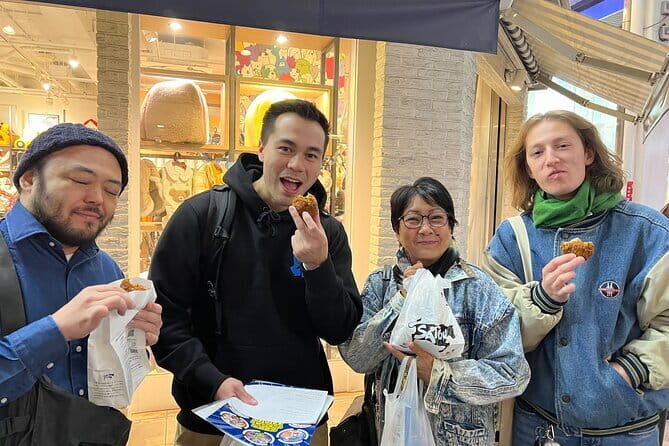
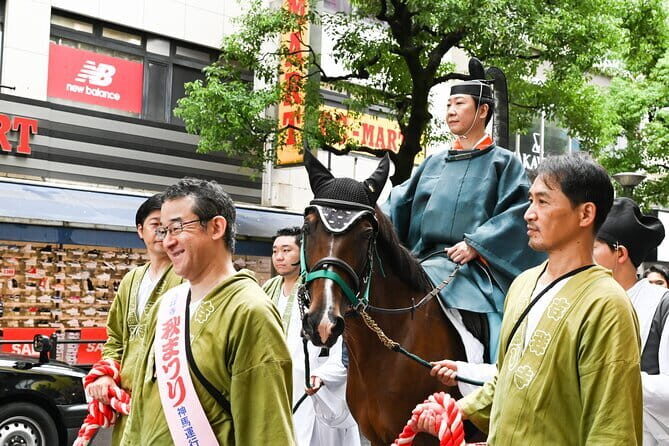
Mikoshi parades work because they’re collective. You don’t get a separate performance bubble where one person “does the show.” Instead, the whole group creates the momentum. The tour description highlights that each district group has its own distinct style of carrying, chanting, and celebrating, and that’s exactly what you’ll notice as you move through the route.
For you, the key value is that the experience gives you a structured way to understand what you’re seeing while also letting you participate on Sept 12. That’s a rare combo in Tokyo, where many cultural activities are strictly observational.
If you carry a mikoshi, you’ll quickly learn that it’s not only about strength. It’s about timing, coordination, and responding to the rhythm around you. Even if you don’t know any of the tradition ahead of time, the guide helps you interpret the moment so you can follow the flow without feeling lost.
One note for expectations: the experience is about participation, but it’s still a city festival. You’re moving through public streets with people in motion. So plan to be flexible. If something shifts—carriers moving faster, the crowd thickening—your group adjusts with it.
Guide Factor: How Mr. Yamamoto and Kate Make It Click

A good festival guide doesn’t just point. They explain why. This tour leans into that, and the human element shows in the way staff interact with you before and during the experience.
In particular, Mr. Yamamoto is mentioned for kindness and for helping participants feel comfortable enough to join the carrying experience. Kate is also referenced as part of the staff support and encouragement. What you’re getting from them, at least based on what participants highlight, is a warm, practical approach: quick answers if you have questions ahead of time, plus on-the-ground guidance during the activity.
That matters because festivals can be intimidating for first-timers. When you don’t know what things mean, the whole event can feel like noise and motion. When you do have context—why the shrine matters, why the mikoshi styles differ, why everyone gathers at the highlight—you’re more likely to remember the experience for the right reasons.
Getting There and Building a Smart Day Around It
Kichijoji is only about 15 minutes by train from Shibuya or Shinjuku. That’s a huge planning advantage because you can pair this with a normal Tokyo day instead of treating it like a full-day expedition.
A simple strategy:
- If you’re visiting around Inokashira Park, plan the parade afterward or before, depending on your preferred day flow.
- Arrive early enough to get your bearings in the neighborhood, because parade streets can get crowded quickly.
- Wear shoes you don’t mind getting tired in. You’re in festival movement mode.
The tour start point is 1-chōme-1-24 Kichijōji Minamichō, Musashino, Tokyo 180-0003, Japan. It ends back at the meeting point. That means you can plan your next activity nearby without worrying about a long walk back across town.
The activity is near public transportation, and confirmation is received within 48 hours of booking, subject to availability. Also, the company running the experience is Musashino city urban tourism corp., which is a reassuring detail for local organization and consistency.
What’s Included, What Isn’t, and What to Bring
Included is straightforward:
- A professional guide
- A mobile ticket
Not included:
- Snacks
So you’ll want to plan food and hydration around the tour window. Since snacks aren’t provided, I’d recommend grabbing something easy before you meet, especially if you’re doing the Sept 12 afternoon carrying segment.
As for clothing, the tour provides the hanten jacket for the Sept 12 carrying part. You’ll still want your own basics: comfortable footwear, weather-appropriate layers, and a small bag you can handle in a crowd. Since the experience requires good weather, bring a plan for sudden changes (even a simple light layer can help).
If you’re wondering about participation, the tour notes that most people can take part. Still, be realistic: it’s a street festival. You may need to tolerate standing and moving with the group.
Who Should Book This Mikoshi Parade in Kichijoji
I’d point you to this experience if you want one of these:
- A Tokyo cultural activity where you’re not only watching—you’re participating on Sept 12.
- A shorter tour format that still includes real context at a major local shrine.
- A festival that connects multiple neighborhood districts, then brings them together in a shared highlight.
You might also like it if you’re traveling with a group and want privacy. This is a private tour/activity, and only your group participates, which usually means your guide can pace explanations more naturally for your needs.
If you’re the type who loves planning with precision, the timing is clear enough to build around: stop 1 stretches across the main afternoon for Sept 12, while Sept 13 centers on shrine time and the unified mikoshi gathering highlight.
And if you’re sensitive to crowds, take the weather and your comfort level seriously. The experience happens in public streets with festival foot traffic. The tradeoff is that you get the real atmosphere, not an empty street and a staged photo moment.
Should You Book This Mikoshi Parade Experience?
Book it if you’re excited by the idea of seeing multiple district mikoshi and you value a guide who helps you understand what’s happening—especially if Sept 12 is on your schedule and you want to carry with a hanten jacket.
Think twice if you’re strongly uncomfortable with crowds or if you’re only traveling during a period when you expect poor weather. Since the experience requires good weather, you’ll be relying on conditions being right for the parade to run.
My bottom-line advice: if you want a real festival moment in Tokyo with a clear short time commitment, this is a smart choice—particularly because it blends participation (on Sept 12) with shrine context (especially on Sept 13). It’s the kind of experience that gives you stories to talk about long after the photos fade.
FAQ
What dates are the Mikoshi Parade in Kichijoji offered?
The tour is offered on September 12 and September 13.
How long does the experience last?
It lasts about 2 hours (approx.).
How much does it cost per person?
The price is $39.02 per person.
Is this a private tour?
Yes. It’s a private tour/activity, and only your group will participate.
What’s included in the tour price?
A professional guide is included. Admission is free, and you’ll also receive a mobile ticket.
Are snacks included?
No. Snacks are not included.
Can I carry a mikoshi?
On September 12 (from 3:00 p.m. to 6:00 p.m.), you can carry a mikoshi with the locals during the parade segment.
Where is the meeting point?
The meeting point is 1-chōme-1-24 Kichijōji Minamichō, Musashino, Tokyo 180-0003, Japan.
Is the shrine admission free?
Yes. The tour notes that the admission ticket is free for both parts of the itinerary.
What happens if the weather is bad?
This experience requires good weather. If it’s canceled due to poor weather, you’ll be offered a different date or a full refund.