REVIEW · TOKYO
Kamakura Walking Tour with Local Guide Including Hokokuji Temple
Book on Viator →Operated by Nippon PLUS · Bookable on Viator
Kamakura is a smart escape from Tokyo. This full-day tour takes you to the colorful Tsurugaoka Hachimangu shrine, then into the Hokokuji bamboo grove for a calmer, greener change of pace. I love how the route mixes big-name sights with time to actually slow down and look, not just snap photos and rush on.
You’ll also get a real local guide, and the experience feels smoother because you’re not figuring everything out alone. In past group runs, guides like Take, Hiroyuki Iwai, Steve, and Kobata san have stood out for organizing the day well, sharing clear context, and staying flexible when plans need adjusting.
One thing to plan for: the tour includes guiding and pickup/drop-off, but some temple admissions and in-town transport are extra, so check your budget before you go.
In This Review
- Key highlights to know before you book
- Why Kamakura Makes Such a Great Tokyo Day Trip
- The 9-Hour Game Plan (And How to Pace Yourself)
- Tsurugaoka Hachimangu: The Bright Start That Sets the Tone
- Hokokuji Bamboo Grove: Where the Day Slows Down
- Komachi Street: The Real-Life Break for Snacks and Souvenirs
- Kotoku-in Great Buddha: Big Size, Simple Impact
- Hasedera Temple: Eleven-Faced Kannon and a Thoughtful Finale
- Guide-Driven Value: The Part You Feel More Than You See
- Price and What You’ll Pay On Top of the Tour
- Who This Tour Fits Best (And Who Might Skip It)
- Should You Book This Kamakura Walking Tour?
- FAQ
- How long is the Kamakura walking tour?
- What time does the tour start?
- Is hotel pickup and drop-off included?
- How big is the group?
- Are tickets included for every stop?
- What are the entrance fees for the paid temple stops?
- Is lunch included?
- Do I need to pay for transportation inside Kamakura?
- Is the tour suitable for people who don’t walk much?
- Can I cancel for a full refund?
Key highlights to know before you book
- Tsurugaoka Hachimangu’s shrine complex gives you a strong starting point for understanding Kamakura
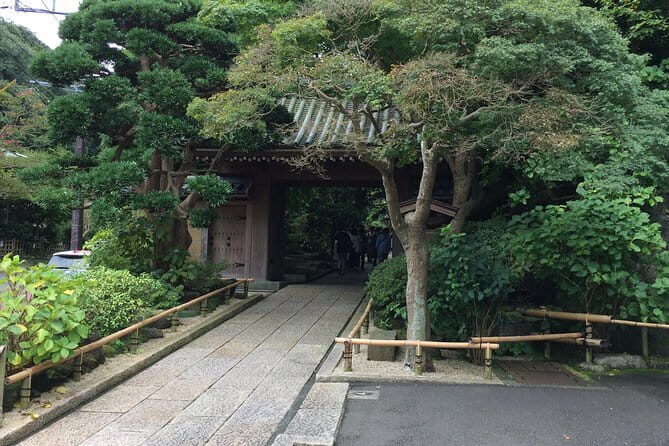
- Hokokuji’s bamboo grove is the calm reset in the middle of the day
- Kotoku-in’s Great Buddha (14 meters / 47 feet) is a quick stop with a big visual punch
- Komachi Street gives you a practical break for snacks and shopping
- Small group pacing (limited to five) with hotel pickup keeps the day from feeling chaotic
Why Kamakura Makes Such a Great Tokyo Day Trip
Kamakura is one of those places where the “day trip” label doesn’t feel accurate. Yes, it’s reachable from Tokyo, but once you’re there, the vibe is different—temples, sea-air energy, and lots of history you can see with your own eyes.
What I like most about this tour format is that it’s built around walking between meaningful stops. You’re not doing a theme-park version of Japan. You’re doing a real religious and cultural route: Shinto at the start, Buddhist landmarks mid-day, then a street market-style interlude on Komachi Street.
It also helps that the day is paced around timed visits—so you’re not guessing how long you should spend somewhere. The whole thing runs about 9 hours, with extra time set aside for travel, meaning you’re more likely to arrive at each site without a panicked sprint.
You can also read our reviews of more walking tours in Tokyo
The 9-Hour Game Plan (And How to Pace Yourself)
This is a full-day outing that starts at 9:00 am. From there, the schedule assigns blocks of time to each place, and the remaining hours are for getting around. Translation: you’ll be moving through Kamakura for most of the day, not just “popping in” once or twice.
You also need to be ready for moderate walking. Nothing is described as extreme, but you should wear comfortable shoes because shrines and temple grounds usually involve paths and stairs.
The upside is that the day is structured enough to keep you from wasting time. You’ll go in an order that makes sense: start at a major shrine, transition to Hokokuji’s Zen atmosphere, move to the shopping street, then hit the big Buddha and finish with Hasedera.
If you like a tight plan but still want breathing room to look around, this is a good match.
Tsurugaoka Hachimangu: The Bright Start That Sets the Tone
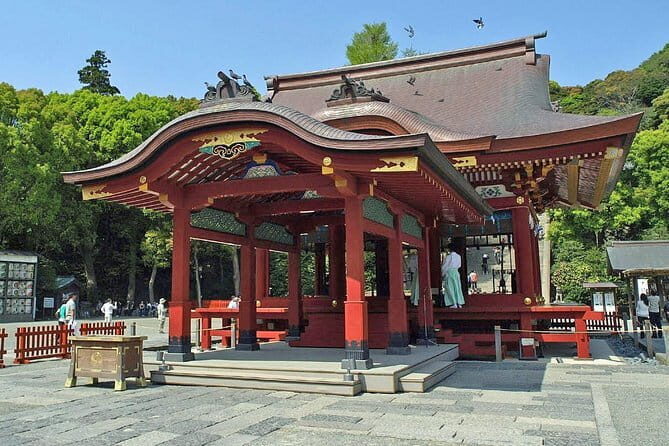
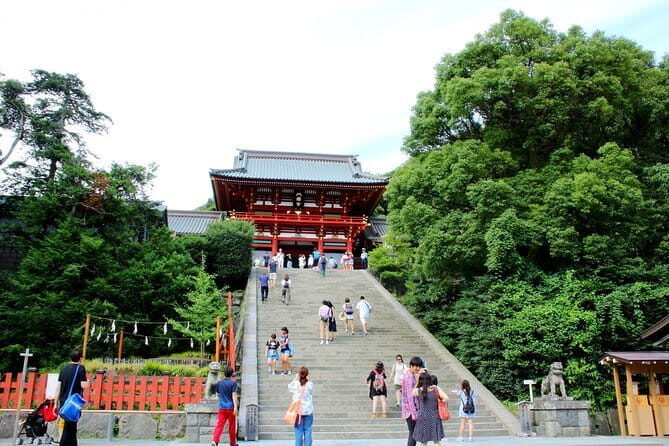
Your day begins at Tsurugaoka Hachimangu, Kamakura’s key shrine. Admission here is free, and the stop is about 30 minutes—long enough to get your bearings, take in the main views, and understand why Kamakura grew around this religious center.
This shrine is visually loud in the best way: vivid colors, strong symmetry, and a main approach that instantly feels like the heart of town. If you’ve ever visited a shrine and felt you were just admiring objects, you’ll likely appreciate how a guide helps you connect what you’re seeing to Kamakura’s role in Japan’s past.
The drawback of a fast, 30-minute shrine slot is simple: you might want more time for photos or quiet wandering. But as a day-start, it’s a smart choice because it anchors your brain before you move into Buddhist sites.
Hokokuji Bamboo Grove: Where the Day Slows Down
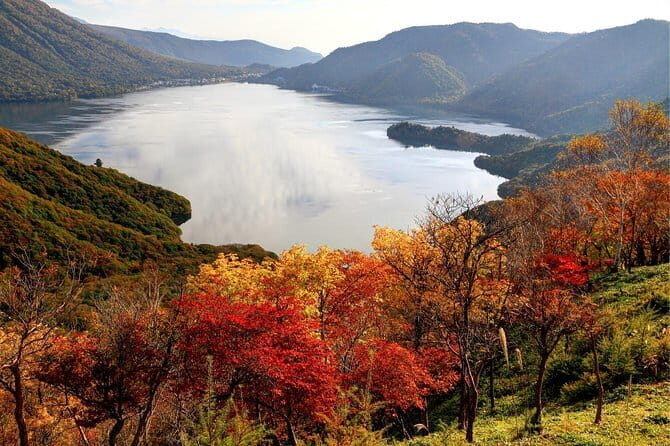
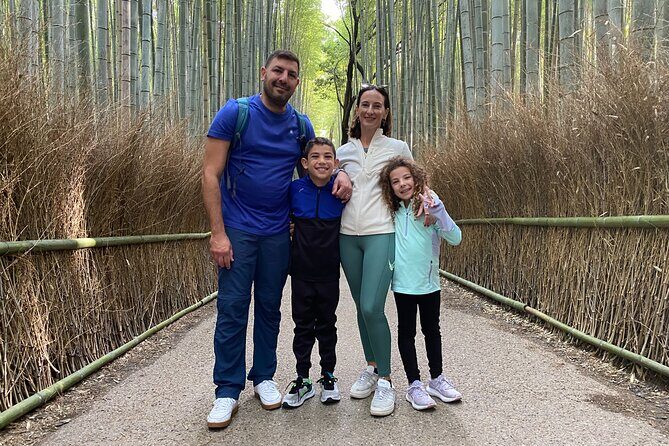
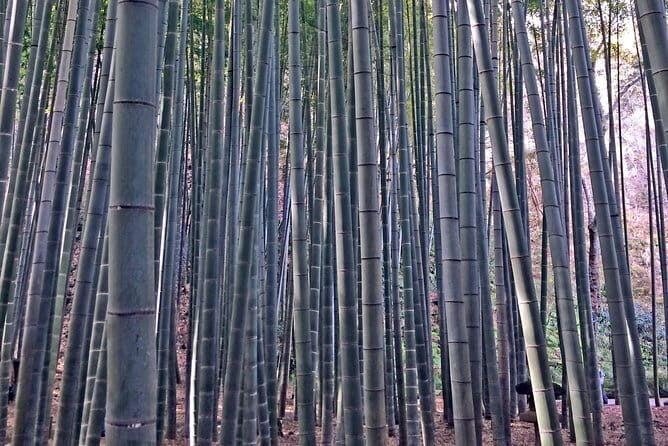
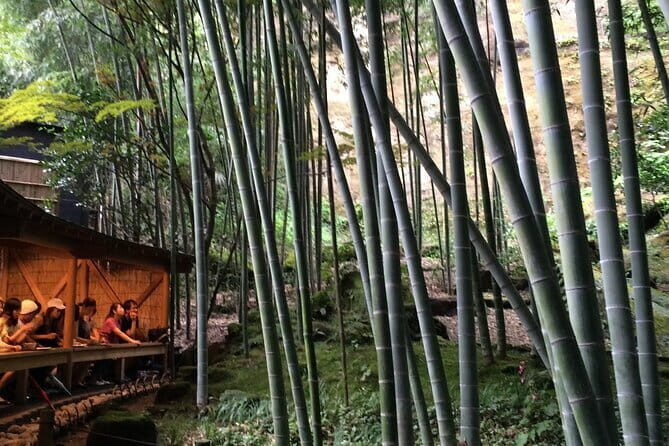
Next up is Hokoku-ji Temple, famous for its bamboo grove. This is where the pace changes. You get about 1 hour here, but the most important part is the feeling: a Zen temple site where bamboo creates a natural focus—quiet, rhythmic, and calming.
Admission is not included for the bamboo grove, and you should budget ¥400 per person for entry. That cost is worth thinking of as part of “earning” the atmosphere. You’re paying for access to a managed experience, not just standing outside a fence.
A practical tip: bamboo looks best when you pause instead of rushing through. If your phone camera always turns your visits into a blur, try one thing: put the phone away for a minute, then re-shoot once your eyes adjust to the light between stalks.
This stop is often the emotional center of the day. When it works, the rest of Kamakura feels more connected, not like separate attractions.
Komachi Street: The Real-Life Break for Snacks and Souvenirs

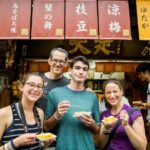
After Hokokuji, you’ll head to Komachi Street, with about 2 hours set aside. Admission is free, and this is your chance to shift gears from temple mode to town mode.
Komachi Street is known for shopping, so think of it as your practical reset. This is where you can:
- pick up small gifts or snacks
- grab something for lunch if you want to eat while walking
- buy the kind of souvenirs you actually use later (not just random keychains)
Because lunch and drinks aren’t included for you or the guide, Komachi Street is a smart place to handle that on your own schedule. If you’re picky about food, arriving with energy helps—don’t wait until you’re starving to figure out where to eat.
Also, this is a good time to recharge your legs. The walking doesn’t stop completely, but you get a break long enough to recover before the big Buddha visit.
You can also read our reviews of more guided tours in Tokyo



Kotoku-in Great Buddha: Big Size, Simple Impact
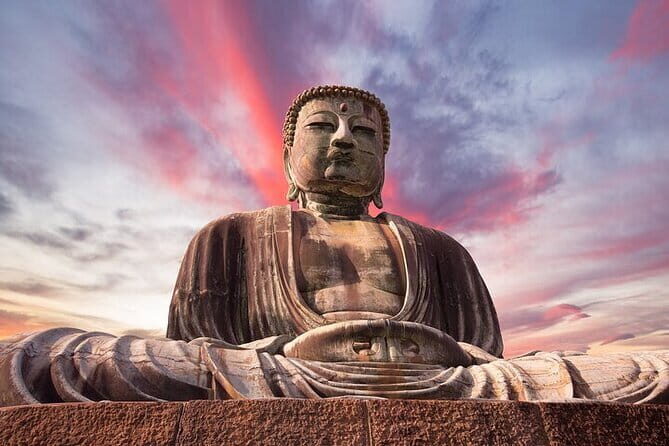
Then comes Kotoku-in (Great Buddha of Kamakura), the 47-foot (14-meter) bronze Buddha statue. Your visit is around 30 minutes, and entrance is not included. You should budget ¥300 per person for the Kotoku-in admission.
This is one of those sights where “how big is it?” is almost irrelevant once you see it. The Great Buddha hits hard because it’s not hiding behind details. It’s a massive form that dominates the space, and it’s easy to feel small in a good way.
This stop is timed, so you won’t spend all day there—but that’s part of why it works. After the bamboo grove and shopping street, it gives you a visual conclusion that feels complete.
One practical consideration: the Great Buddha area can be photo-friendly, but it also draws attention fast. If you want calmer viewing, slow down and move slightly away from the busiest angles. Let people flow, then return when the crowd thins.
Hasedera Temple: Eleven-Faced Kannon and a Thoughtful Finale
To finish, you’ll visit Hasedera Temple. This is where the day gets more reflective again. You’ll see the Eleven-Faced Kannon, and the stop is about 30 minutes.
Admission is not included for Hasedera Temple, with an entrance fee of ¥400 per person. Even with only a half hour, a site like this usually offers multiple viewpoints and spaces where you can just look without feeling like you’re behind schedule.
A common mistake on temple visits is trying to “do everything.” With Hasedera’s timed stop, you’ll have more fun if you pick one or two areas you care about most and give them attention.
By now, you’ve moved from shrine to bamboo to Buddha to temple finishing. The tour’s structure helps you notice the differences between Shinto and Buddhist spaces without turning the whole day into an academic lecture.
Guide-Driven Value: The Part You Feel More Than You See
A walking tour lives or dies on the guide. The most praised aspect of this experience is how the guides handle the day: organizing where you go, explaining what you’re seeing, and helping you handle local transit.
In past runs, guides such as Take and Hiroyuki Iwai have been highlighted for history context and for helping the group navigate public transportation to Kamakura. Others like Steve have brought extra teaching support, including prepared materials that make Buddhism and Kamakura feel easier to understand.
There’s also a human element: guides have shown flexibility when plans get thrown off. That matters on a day trip, where timing and energy can change fast.
For you, the value is simple: you’re spending less mental energy figuring out logistics and more energy actually looking. That’s a big deal in Japan, where routes can be straightforward but still feel intimidating when you’re tired.
Price and What You’ll Pay On Top of the Tour
The tour price is $146.59 per person, and it runs about 9 hours. Hotel pickup and drop-off are included, and you also get the professional guide fee.
What’s not included matters for budgeting. You should expect extra costs for:
- In-town transportation: around ¥2000 per person
- Hase-dera admission: ¥400
- Kotoku-in admission: ¥300
- Hokoku-ji bamboo grove admission: ¥400
- Lunch and drinks (for you and the guide)
If you’re budgeting quickly, the temple admissions total ¥1100 per person. Add the ~¥2000 transit estimate and you’re at about ¥3100 in likely extras, before your meals.
Is it worth it? For me, the answer depends on your style. If you’re the type who hates wasting time figuring out trains and prefers a ready-made route with context, the price can feel fair. If you love planning every detail yourself, you could do Kamakura cheaper—but you’ll likely spend more time in transit confusion and fewer minutes soaking up what you’re seeing.
Who This Tour Fits Best (And Who Might Skip It)
This is a strong choice if you want a guided Kamakura day that hits the headline sites without the stress. The small group size (limited to five) also helps. You get more chances to ask questions and less standing around waiting for someone to catch up.
It’s especially good for:
- first-time visitors to Kamakura from Tokyo
- people who want Shinto plus major Buddhist stops in one day
- travelers who prefer public transit done with a guide’s help
- anyone who wants structure without rushing every corner
You might consider a different approach if you’re trying to avoid paying extra admissions and transport, or if you want a more flexible day with fewer scheduled stops. The plan is built for a full sweep, not lingering all day in one temple.
Should You Book This Kamakura Walking Tour?
If you want an efficient, guide-led Kamakura experience with a mix of Tsurugaoka Hachimangu, the Hokokuji bamboo grove, the Great Buddha, and Hasedera, this tour is a solid bet. The biggest wins are the small group feel, hotel pickup/drop-off, and the way the day is explained so the sights connect instead of feeling random.
Book it if you like having someone plan the route and help you navigate. Consider skipping or adjusting expectations if you’re on a tight budget for entrances and transit, or if you prefer a more independent pace.
Either way, Kamakura is one of Japan’s best “leave Tokyo for a day” choices—and this route does a smart job showing you why.
FAQ
How long is the Kamakura walking tour?
The tour lasts about 9 hours.
What time does the tour start?
It starts at 9:00 am.
Is hotel pickup and drop-off included?
Yes. Hotel pickup and drop-off are included.
How big is the group?
It’s a small group limited to five, and it’s also described as a private tour where only your group participates.
Are tickets included for every stop?
Not all admissions are included. Tsurugaoka Hachimangu is free, while Hokokuji bamboo grove, Kotoku-in, and Hasedera Temple require separate entrance fees.
What are the entrance fees for the paid temple stops?
Hokokuji Temple bamboo grove is ¥400 per person, Kotoku-in (Great Buddha) is ¥300 per person, and Hasedera Temple is ¥400 per person.
Is lunch included?
No. Lunch and drinks are not included for you or the guide.
Do I need to pay for transportation inside Kamakura?
Yes. Transportation to/from attractions for customers and the guide is listed as around ¥2000 per person and is not included.
Is the tour suitable for people who don’t walk much?
It’s recommended for a moderate physical fitness level, so you should expect some walking during a full-day schedule.
Can I cancel for a full refund?
Yes. You can cancel up to 24 hours in advance for a full refund. If you cancel less than 24 hours before the start time, the amount is not refunded.