REVIEW · KYOTO
Kyoto: Gion & Pontocho Food Tour with 13 Dishes
Book on Viator →Operated by Travel Japan Together · Bookable on Viator
Kyoto at night tastes better with a guide. This Gion & Pontocho food tour strings together shrine atmosphere, classic streets, and real table-side tastings, so you’re not just walking by pretty places. You also get help with language, which matters a lot when you’re deciding what to try and asking smart questions.
I love two things most: the no language barriers setup, and the sheer variety packed into up to 13 dishes. My only caution is that this is a night walk in a geisha district, so don’t plan on seeing geisha up close as part of the main payoff.
In This Review
- Key Things I’d Watch for on This Tour
- A Kyoto Night Plan That Actually Makes Sense
- Yasaka Shrine at Night: Red Gates and Easy Perspective
- Entering Gion: Machiya Streets, Old-Style Architecture, and Quick Geisha Reality
- Pontocho After Dark: Narrow Alleys and the Izakaya Mood
- The Real Star: Up to 13 Dishes (and Two Drinks) That You Don’t Have to Guess at
- How Each Stop Works Together (Not Just Separate Sightseeing)
- Guides Make the Difference: Friendly Explanations and Real Tips
- Price and Logistics: Is $105.71 a Good Deal?
- Who This Food Tour Is Perfect For (and Who Might Prefer Another Plan)
- How to Prepare So You Enjoy Every Bite
- Should You Book This Gion and Pontocho Food Tour?
- FAQ
- How long is the Kyoto: Gion & Pontocho Food Tour?
- How much does the tour cost?
- How many dishes and drinks are included?
- Where do the food stops take place?
- What sights are included besides food?
- What time does the tour start?
- What is the meeting point?
- What is the tour end point?
- Is there a limit on group size?
- Can I cancel for free?
Key Things I’d Watch for on This Tour
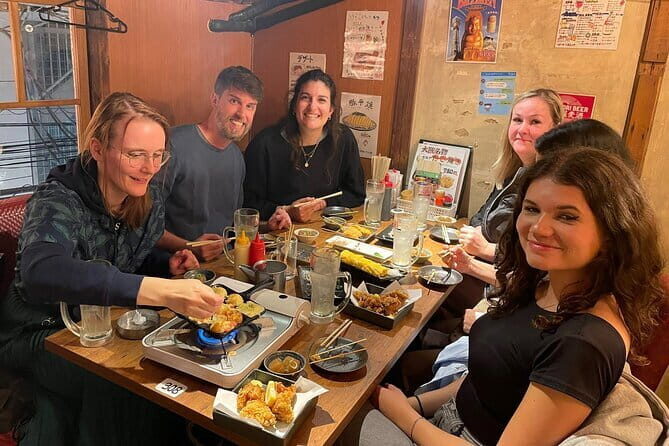
- Small group (max 10) keeps the pace human and questions possible.
- Up to 13 dishes across a restaurant and an izakaya means you sample a spread, not just a few bites.
- Two included drinks (alcoholic or non-alcoholic) help you settle into the rhythm of Kyoto evening eating.
- Yasaka Shrine first sets a calm tone before the lantern-lit streets and food stops.
- Guide translation makes the tastings feel intentional instead of guesswork.
A Kyoto Night Plan That Actually Makes Sense
Kyoto can feel like two different cities: what you see by day, and what you feel at night. This tour leans into the night version. You start around 7:00 pm and spend about 3 hours walking through Gion and Pontocho, with tastings timed as you go. It’s a smart way to compress a lot into one evening without spending hours hunting for where to eat.
The big value is that this isn’t just a “walk and eat whenever.” It’s structured. You get food at a restaurant and then at an izakaya, which changes the vibe mid-route. At the shrine and in the streets, the guide helps you connect what you’re seeing to how people live around it. Then at the table, you translate that context into flavors you’ll remember.
If you’re worried about ordering, reading menus, or asking questions, this tour is built for that. And because the group is kept small (up to 10 people), it stays conversational rather than rushed.
You can also read our reviews of more food & drink experiences in Kyoto
Yasaka Shrine at Night: Red Gates and Easy Perspective
You begin at Yasaka Shrine, one of the area’s most famous Shinto sites. It’s known for its red main gate and the lantern-lit paths that make the whole area feel more cinematic after dark. Even with a short stop (about 30 minutes), it works as an anchor point.
Why this start matters: shrine grounds teach you how to read Kyoto’s layers. Gion and Pontocho are often marketed as culture and tradition, but Yasaka Shrine gives you the spiritual backbone that makes that tradition feel real. You’re not just looking at postcard streets—you’re walking from a religious landmark into an entertainment district, and your guide can explain how that shift plays out.
One practical note: night footing in shrine areas is usually fine, but you still want decent walking shoes. You’re switching between compact streets and stone paths, and the evening pace stays active.
Entering Gion: Machiya Streets, Old-Style Architecture, and Quick Geisha Reality
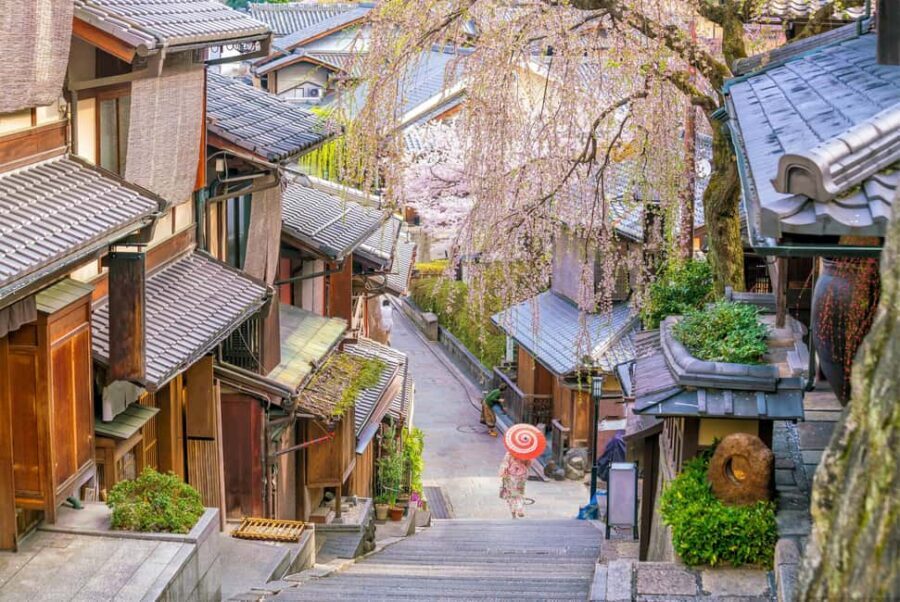
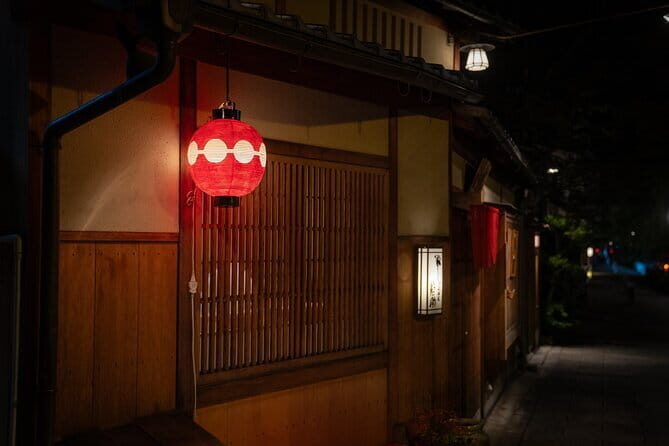
After the shrine, you head into Gion, Kyoto’s best-known geisha district. This is where the famous wooden machiya houses and traditional storefront rhythms show up. You’ll get time to walk through the area’s charming streets, including the well-known Hanami-koji area.
Here’s the reality check I appreciate: this is an evening tour. That doesn’t mean geisha spotting is impossible, but it’s not the guaranteed main event. The payoff is the streetscape and the context your guide gives. Kyoto evening atmosphere is in the details—wood grain, narrow alleys, and the way the district feels when the crowds spread out.
What I like is that the guide’s explanations help you notice what you’d normally miss. Instead of seeing random storefronts, you start recognizing patterns: where people used to live and how those buildings connect to tea houses and traditional performance culture.
Pontocho After Dark: Narrow Alleys and the Izakaya Mood
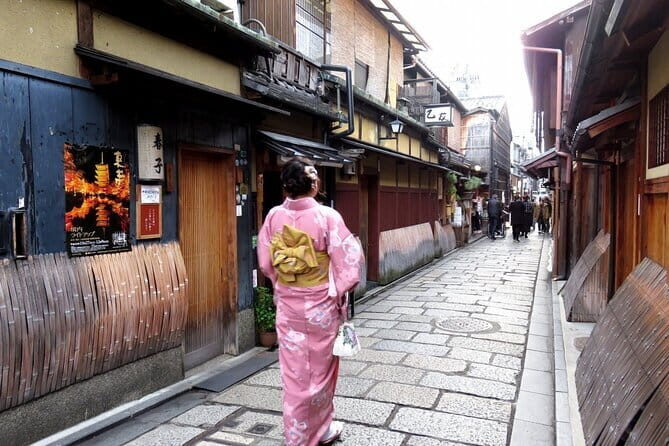
Next up is Pontocho, the historic riverside district famous for its narrow lanes and traditional houses set between the Kamogawa River area and nearby streets. At night, this is exactly the kind of neighborhood where dinner feels like part of the scenery.
Pontocho is also where the tour leans hardest into food. You’re not just walking past restaurants. You’re heading into one and then into an izakaya setting where the table experience changes your whole evening. Izakayas are built for shared ordering, casual conversation, and small plates that keep coming.
That matters because this tour is designed around sampling. If you only eat at one place, you’d miss the contrast of Japanese meal styles. Here you get both: one restaurant stop for a composed set of dishes, and then a more relaxed izakaya stop that feels like an authentic night out.
The Real Star: Up to 13 Dishes (and Two Drinks) That You Don’t Have to Guess at
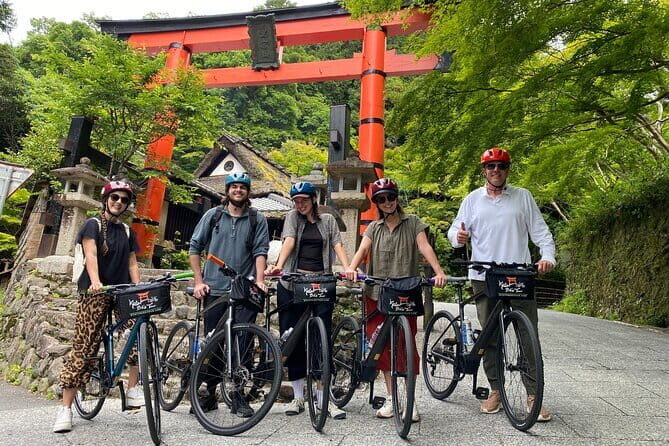
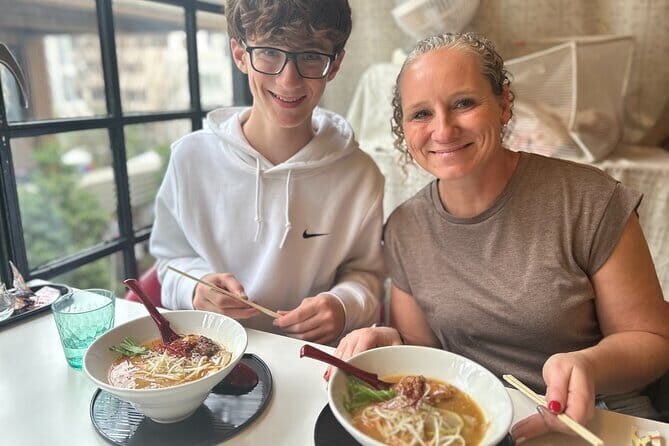
The headline promise is up to 13 dishes, plus two drinks. That’s the backbone of the value here. You’re paying for guided ordering help, translation support, and a planned spread—so you’re not gambling on random menu choices.
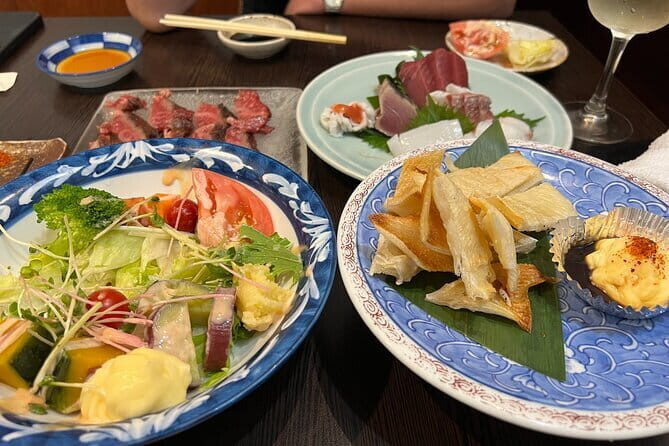
What kind of dishes should you expect? Based on the tour’s described tastings, you’ll likely see classic Kyoto staples such as:
- Crispy tempura
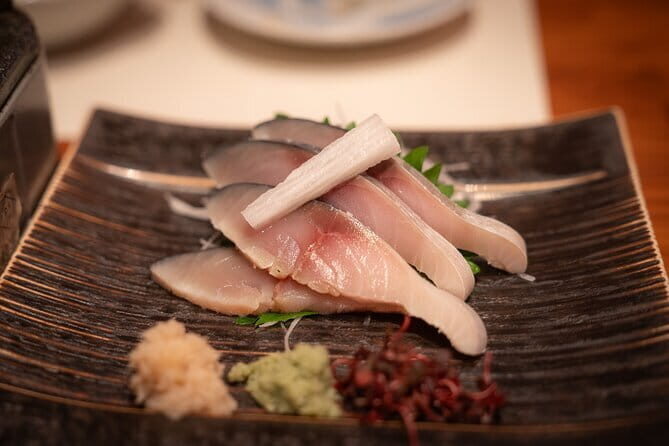
- Fresh sashimi
- Japanese fried chicken
- Tofu-based bites and other traditional small plates
A tour like this is a shortcut to learning how Japanese food “thinks.” For example, tempura isn’t just about crunch; it’s about timing and texture. Sashimi isn’t just raw fish; it’s about delicacy and freshness and letting simple flavors lead. Fried chicken in a Japanese style often hits different than Western fried chicken, with lighter seasoning and a satisfying chew.
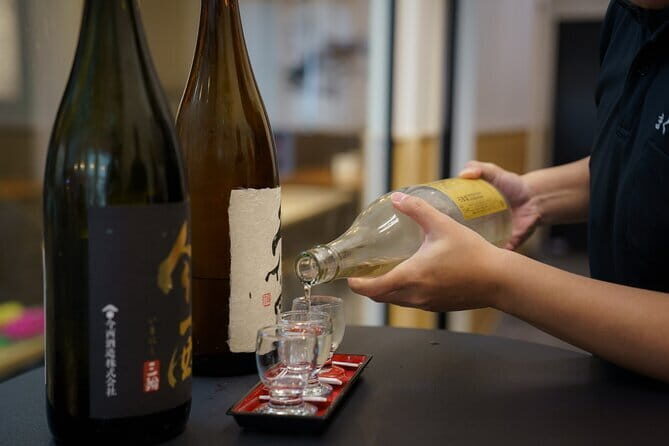
You also get two drinks included—alcoholic or non-alcoholic. That reduces one of the biggest trip budget traps on food tours. Yes, extra drinks cost extra, but having two included helps you set your own pace without feeling pressured.
A few more Kyoto tours and experiences worth a look


How Each Stop Works Together (Not Just Separate Sightseeing)
This tour’s flow is simple, and that simplicity is part of why it’s good.
1) Yasaka Shrine gives you a cultural and spiritual opening, so your evening has a sense of place before you start eating.
2) Gion walking time is for orientation: machiya streets, district context, and an easy pace for photos and explanations.
3) Pontocho finishes the story with a food-first neighborhood feel, where the izakaya stop is the emotional payoff.
Because the itinerary is compact, you also avoid the common problem of food tours that scatter you across too many locations. You’re walking enough to feel Kyoto, but not so much that you’re wiped out before dinner.
If you like structure—short stops with clear purpose—this tour fits that preference. If you prefer total freedom to wander without any schedule at all, you might find it a bit guided. But for most first-timers, the guidance is the point.
Guides Make the Difference: Friendly Explanations and Real Tips
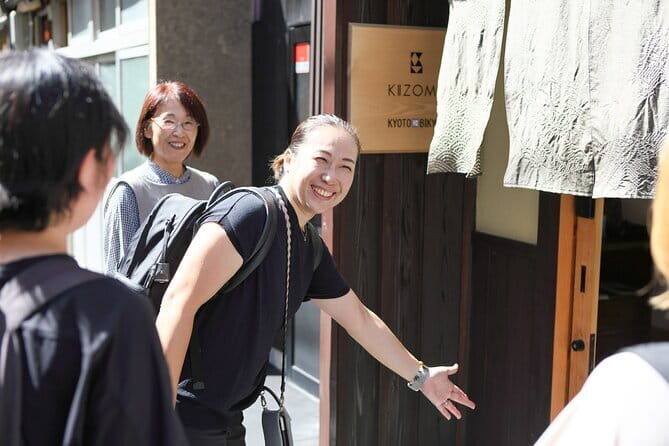
Small groups also help the guide do more than read facts. The best tours feel like you’re getting Kyoto coaching for the evening.
In past departures tied to this experience, guides have been praised for staying friendly and engaging, with solid English, and for adding practical side tips. For example, one guide named Kohtaro has been noted for recommending where to buy good matcha, plus sharing timing advice on when sights feel quieter. Others named in the tour experience—such as Yuna, Meiko, Moto, and Takuma—have been described as providing history-and-food connections, clear explanations, and an easy back-and-forth question vibe.
Even if your guide isn’t the one mentioned above, the pattern is consistent: you’re meant to leave knowing not only what you ate, but why it fits the district.
Price and Logistics: Is $105.71 a Good Deal?
At $105.71 per person, you’re paying for more than snacks. You’re paying for:
- a local guide on foot,
- food at two venues (restaurant + izakaya),
- up to 13 dishes,
- and two drinks.
Food at multiple spots plus guide time is usually where food tours justify themselves. If you try to recreate this on your own, you’d be budgeting for both meals and the lost time of figuring out what to order and where to go. Even with the help of menus, the language and ordering friction can be real.
What’s not included? Extra drinks. If you’re a big drinker, you’ll want to pace or plan for additional spending. Also, the dishes come as part of a set tasting flow, so you’re not choosing every single item à la carte.
Logistics are straightforward: the tour uses a mobile ticket, and the meeting location is near public transportation at a FamilyMart in Gion. The tour ends at Kyoto-Kawaramachi Station, which is convenient for your next stop—especially if you’re planning dinner afterward or heading back to your hotel.
Who This Food Tour Is Perfect For (and Who Might Prefer Another Plan)
This tour is a strong match if:
- you’re in Kyoto for a short stay and want a high-efficiency evening,
- you want help ordering and translating without feeling stuck,
- you like walking through neighborhoods and learning while you do it,
- you enjoy traditional Japanese food variety rather than one meal highlight.
It may be less ideal if:
- you hate structured schedules and prefer full free time,
- you have strict dietary needs that require heavy menu customization (the tour data doesn’t spell out accommodations—so you’ll want to clarify before booking),
- you’re expecting a geisha viewing tour as your main goal. This is about food, streets, and shrine context.
In general, it’s a first-timer friendly plan. Even if you’re a seasoned Japan traveler, the district-focused route and the guided tastings make it worth considering.
How to Prepare So You Enjoy Every Bite
A few small things can make this evening smoother.
Wear shoes you can walk in. The tour is about 3 hours, and you’ll move through shrine paths and narrow streets. Also, plan to arrive a little early so you can meet the guide without rushing.
With tastings, come hungry but not starving. A set of up to 13 dishes adds up fast, and you’ll want energy for walking afterward.
If you have food preferences, don’t stay silent. Ask the guide about what’s included and what style the dish is. The tour’s whole point is that language barriers are handled for you, so use that to your advantage.
And if you’re thinking about buying matcha or treats later, ask your guide for suggestions while you’re still in the neighborhood. One reason guides get excited about matcha is that Kyoto has plenty of options, but the best ones aren’t always the most obvious from street level.
Should You Book This Gion and Pontocho Food Tour?
If you want an evening in Kyoto that feels both cultural and delicious, this is an easy yes. The combination of Yasaka Shrine, Gion street time, Pontocho night atmosphere, and up to 13 dishes with two included drinks gives you a complete Kyoto experience without the stress of planning meals and decoding menus.
I’d book it if you’re traveling with anyone who wants to eat well but doesn’t want to spend the whole night asking for clarification at restaurants. It’s also ideal if you value a small group and a guide who can connect what you’re seeing to what you’re tasting.
Skip it only if your top priority is total freedom or if you’re aiming for a guaranteed geisha sighting. For food and neighborhood storytelling, this tour hits the sweet spot.
FAQ
How long is the Kyoto: Gion & Pontocho Food Tour?
It runs for about 3 hours.
How much does the tour cost?
The price is $105.71 per person.
How many dishes and drinks are included?
You get food up to 13 dishes and two drinks, which can be alcoholic or non-alcoholic.
Where do the food stops take place?
You’ll eat at 1 restaurant and 1 izakaya.
What sights are included besides food?
You visit Yasaka Shrine, then spend time walking through Gion and Pontocho.
What time does the tour start?
The start time is 7:00 pm.
What is the meeting point?
The tour starts at FamilyMart, 300 Gionmachi Kitagawa, Higashiyama Ward, Kyoto, 605-0073, Japan.
What is the tour end point?
The tour ends at Kyoto-Kawaramachi Station (Kyoto, Otabichō, 河原町西入真町52).
Is there a limit on group size?
Yes. The tour has a maximum of 10 travelers.
Can I cancel for free?
Yes, free cancellation is available up to 24 hours in advance for a full refund.