REVIEW · TOKYO
Tokyo’s Authentic and Finest Taiko Drumming Workshop
Book on Viator →Operated by Eva Kestner International Taiko Drum Academy · Bookable on Viator
Your hands start drumming fast. In Shibuya, Eva Kestner International Taiko Drum Academy turns Japanese rhythm and history into a hands-on workshop. You learn beats, perform a traditional or contemporary piece, and leave with a personalized video.
I love that you show up empty-handed because all drums and sticks are provided. I also love the small-group setup, built for direct coaching and quick feedback.
One thing to plan for: this is loud and physical, so wear breathable clothes and expect sore legs.
In This Review
- Key Things to Know Before You Go
- Taiko Drumming in Shibuya: What This Workshop Really Delivers
- Meet Eva Kestner: An Instructor Built for Teaching Real People
- Inside the Workshop: From Rhythm Basics to a Performed Piece
- Foundations: How to hit, how to listen, how to coordinate
- Rhythm training: The point where it clicks
- Learning a piece: Traditional and contemporary side by side
- What’s Included: Drums, Sticks, Support, and That Personalized Video
- All gear is provided
- Language and support during the learning
- Personalized video: a practical souvenir
- Fitness, Noise, and Comfort: How to Prepare Without Ruining Your Day
- Dress for movement
- Bring water
- Hands: plan for minor friction
- Noise level: plan your Tokyo schedule
- Logistics in Tokyo: Finding the Studio and Building a Smooth Day
- Price and Value for $120: Where Your Money Goes
- Who This Taiko Workshop Fits Best (And Who Might Want Another Option)
- Should You Book Eva’s Taiko Workshop in Tokyo?
- FAQ
- How long is the taiko drumming workshop?
- Is prior taiko experience required?
- What should I bring, if anything?
- Are drums and sticks provided?
- Do I get anything after the class?
- What is the maximum group size?
- Is there free cancellation?
Key Things to Know Before You Go
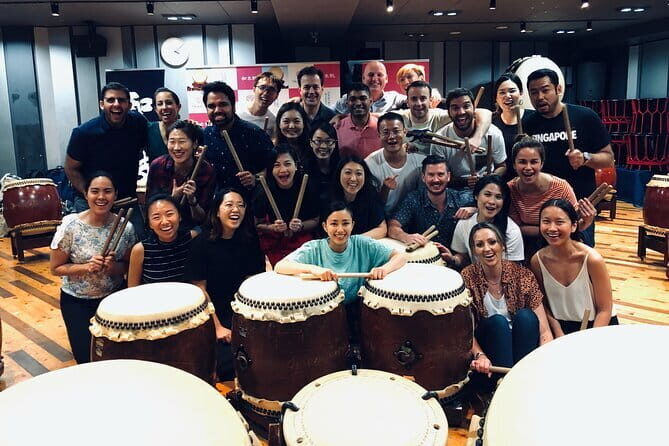
- Small-group size (max 15) keeps instruction personal and practical
- All equipment included means you do not waste time hunting for gear
- English + Japanese support helps if your Japanese is rusty
- 90 minutes of rhythm training takes you from foundations to a performed piece
- Personalized video gives you something concrete to practice later
- Near public transportation makes it easier to fit into a packed Tokyo day
Taiko Drumming in Shibuya: What This Workshop Really Delivers
If you want a Tokyo activity that feels genuinely Japanese, taiko is one of the best routes. Not because it looks cool on camera, but because it teaches rhythm you can feel in your body. This workshop in Shibuya is built around learning the fundamentals, then putting them to work in a real performance setting.
The big selling point here is how fast you move from explanation to action. You are not stuck watching from the side. You get time for foundations, time for rhythm training, and time to play a traditional or contemporary taiko piece under Eva’s direction. That structure matters. It helps you get results even if you have never touched a drum before.
You also get context. Eva includes a brief taiko drumming history explanation, so the experience connects technique to culture. That turns the class from a one-off workout into something you understand while you do it.
A few more Tokyo tours and experiences worth a look


Meet Eva Kestner: An Instructor Built for Teaching Real People
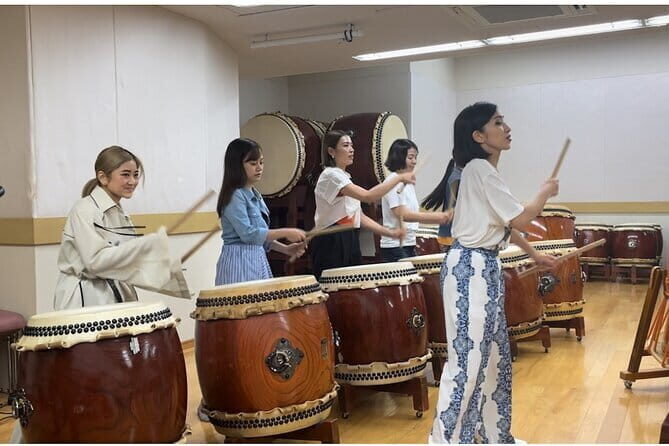
Eva Kestner is not just a performer who decided to teach. The background listed for her is serious: founder and first musical director of Cornell University’s taiko drumming group, an excellence award from the Tokyo University of the Arts New Artists Competition, and published original music with HarperCollins and Cambridge International Curriculum.
Why should you care? Because teaching taiko to beginners takes more than skill. You have to break down movement, timing, and sound production in a way that makes sense fast. Multiple people also highlighted her energy, friendliness, and patience with novices and mixed ages.
Also, she teaches in English. The class is designed to include both English and Japanese support, which makes it easier to ask questions and stay confident while learning technique. If you have ever felt intimidated by “advanced” activities in another language, this format is reassuring.
Inside the Workshop: From Rhythm Basics to a Performed Piece

This is a 90-minute workshop (about 1 hour 30 minutes). You’ll typically structure your time around three phases: foundation training, rhythm training, and learning a traditional or contemporary taiko drumming piece.
Foundations: How to hit, how to listen, how to coordinate
Taiko is not just arm strength. It’s timing, posture, and listening to the group sound. Eva starts with the basics of rhythm training and technique so you understand what you are trying to produce. In a class like this, that first chunk is where most of the confidence is built.
Even if you have a left-handed preference or you learned a different rhythm style somewhere else, you should still be able to follow. The workshop feedback includes examples of strong instruction for left-handed participants, and the approach is patient enough for beginners.
Rhythm training: The point where it clicks
After the foundation training, you move into rhythm training with short, repeatable beats. This is where the workshop feels like a workout. Your legs and core do a lot of the work. The drumming may look simple at a glance, but it requires concentration to stay lined up with the rhythm.
Expect it to be mentally active. Taiko asks you to count, remember patterns, and coordinate movement while keeping control of volume and tone. Multiple people called out the need to concentrate and the fact that it is more work than you might guess from photos.





Learning a piece: Traditional and contemporary side by side
You then learn a traditional or contemporary taiko drumming piece. Eva provides a demonstration performance, plus a brief explanation of what you are hearing and doing. That gives you a target, not just random beats.
At the end, you are not just playing individual hits. You are doing a group piece with choreographed movement. This is part of what makes the workshop feel “real” rather than like a basic percussion class.
What’s Included: Drums, Sticks, Support, and That Personalized Video
Let’s talk value, because this workshop is priced at $120 per person. You might think: that’s a lot for a class. Then you look at what you actually get.
All gear is provided
Eva provides taiko drums and taiko drumming sticks. So you do not need to bring anything except yourself. That is not a small detail in Tokyo, where lots of activities require extra steps to get prepared.
Language and support during the learning
Eva teaches in English, and the workshop includes English and Japanese support. That means you can ask questions and get clarity without feeling stuck in silence.
The experience also lists accessibility support for visual, audio, mobility, and neurodivergent needs. I cannot promise how every individual need will be supported on the day you go, but it’s a positive sign that accessibility is not an afterthought.
Personalized video: a practical souvenir
You also receive a personalized video of you playing taiko drums. This is more useful than a generic group photo. You can watch your timing and movement and practice what you learned afterward. If you have ever taken an activity class and forgotten the details the next day, this solves that problem.
It also changes the feeling of the session. A video pushes you to perform with intention, not just “get through the exercises.”
Fitness, Noise, and Comfort: How to Prepare Without Ruining Your Day
Taiko is loud. It’s also physical. That’s part of the fun, but it’s smart to plan.
Dress for movement
Wear comfortable, breathable clothing. You will likely move more than you expect for something described as drumming. Reviews and class feedback point out that it can be a workout, with emphasis on legs more than arms.
Shoes with decent grip can help your confidence during stance shifts. If you wear slippery soles, you might feel it once you start coordinating movement.
Bring water
Bring water. The class is active, and it’s easy to lose track of hydration when you’re concentrating on rhythm.
Hands: plan for minor friction
If you are new to striking a drum, you might develop blisters or soreness on your hands. One practical tip that comes up is packing band-aids. You do not want a small irritation to cut the experience short.
Noise level: plan your Tokyo schedule
Because taiko is percussive and loud, it can be a lot if you have sound sensitivity. If that’s you, consider discussing your needs ahead of time. Also, schedule your next activity with a little buffer so you do not feel rushed right after the class.
Logistics in Tokyo: Finding the Studio and Building a Smooth Day
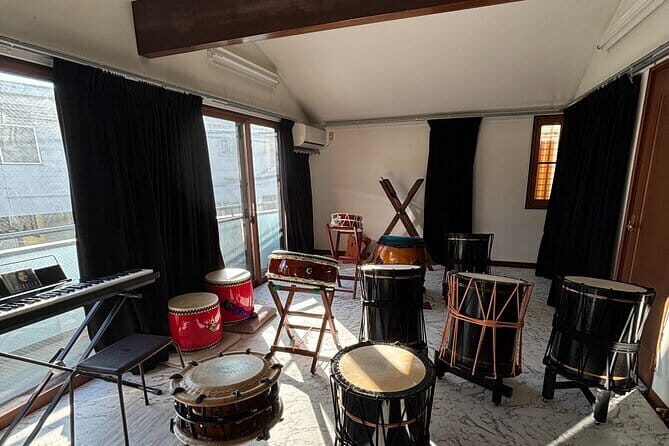
The workshop is based at Eva Kestner International Taiko Drum Academy. The meeting point is listed in Shibuya, Uguisudanichō, at 150-0032 Tokyo, Shibuya, Uguisudanichō, 111 太洋レジデンス代官山. The activity ends back at the meeting point.
The good news: it’s near public transportation. That matters because Shibuya can be confusing at first, and you don’t want your only “hands-on” activity to start with stress.
Two other practical points help you plan:
- The class is small, up to 15 people, so you’re not rushing to survive a crowd.
- For larger groups (over 20 people), it shifts to a large group slot with a location about 20 minutes from Shibuya. If you’re traveling as part of a big group, confirm where you’ll meet so you do not arrive expecting the standard address.
Finally, you’ll use a mobile ticket. That’s one less paper step in a city where your day already has enough moving parts.
Price and Value for $120: Where Your Money Goes
$120 can sound steep until you break down what’s included.
You pay for:
- Full workshop instruction by Eva, not just a recording or beginner tips
- Drums and sticks provided, so there’s no rental cost or gear hunting
- English and Japanese support
- A brief history explanation so you understand what you’re doing
- A personalized video you keep and can review later
- Small-group time with room for questions and guidance
When a class includes gear plus a personalized outcome, it tends to feel like a better value than the “cheap per hour” options that end up costing you extra once you add rentals, translation, or a follow-up gap.
The biggest factor in value is the structure. You start playing quickly, you get foundations, and you finish with a performed piece. That full cycle is what turns the price into something you can feel.
Who This Taiko Workshop Fits Best (And Who Might Want Another Option)
This workshop is a strong match if you want:
- A short, high-impact cultural activity in Tokyo
- A class that works for beginners and keeps them moving
- A hands-on experience that also teaches why taiko matters
- A workout-style activity that still feels artsy and cultural
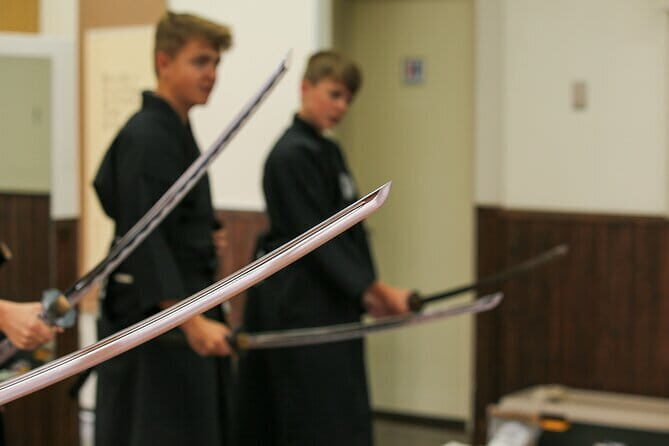
It also works well for mixed ages. Families mentioned everything from parents to teenagers and a tween, and the energy level is friendly as long as everyone is ready for concentration and movement.
Two “maybe” situations:
- If you dislike loud environments, you might find it harder to stay comfortable. Taiko is inherently intense in sound.
- If you have limited mobility or stamina, check your fit. The workshop asks for moderate physical fitness level. You may still be able to participate, but it would be smart to plan around your comfort.
Should You Book Eva’s Taiko Workshop in Tokyo?
If you want one activity that gives you rhythm, culture, and a real sense of accomplishment, I’d book it. The combination of small-group instruction, gear provided, and a personalized video turns it into something you can carry beyond the day itself.
Book it especially if:
- You have never played taiko and want a clear path from basics to performance
- You like active learning instead of passive sightseeing
- You want a Tokyo experience that feels hands-on, not just something you watch
If you’re deciding between a taiko show and a workshop, this leans workshop. You come here to do the drumming, not just observe it.
One practical note: the experience lists free cancellation if you cancel at least 24 hours in advance for a full refund. That gives you room to adjust your plans if your Tokyo schedule shifts.
Overall, this is a smart buy if you want a fun, energetic, genuinely Japanese class with real coaching and a tangible souvenir you can practice with later.
FAQ
How long is the taiko drumming workshop?
The workshop runs for about 1 hour 30 minutes.
Is prior taiko experience required?
No prior experience is required. The workshop starts with foundation training and guides you through basic rhythms.
What should I bring, if anything?
You should bring yourself. Wear comfortable, breathable clothing and plan for a physical activity. It’s also smart to bring water, and band-aids can help if your hands get sore or blister.
Are drums and sticks provided?
Yes. The workshop provides taiko drums and taiko drumming sticks.
Do I get anything after the class?
You receive a personalized video of you playing taiko drums.
What is the maximum group size?
The experience has a maximum of 15 travelers.
Is there free cancellation?
Yes. Free cancellation is available up to 24 hours in advance for a full refund.