REVIEW · FUKUSHIMA PREFECTURE
Fukushima Daiichi Nuclear Power Plant visit 2 day tour
Book on Viator →Operated by Japan Wonder Travel · Bookable on Viator
A nuclear plant visit, guided with care. This two-day Fukushima Daiichi Nuclear Power Plant tour pairs inside-the-site access with a Geiger counter, plus real conversations about March 11, 2011 and what followed. It’s not a sightseeing shortcut. It’s a careful look at the hard parts of modern Japan, and the ways people rebuilt anyway.
I love the way the guides bring context without turning it into a lecture. People I learned about from different departure groups—such as Yoko, Noriko, and Fumi—were praised for answering questions clearly and for keeping a balanced approach that covers both the disaster and the recovery. I also love the human scale: meeting locals and hearing their stories is treated as the heart of the trip, not an add-on.
One consideration: this tour is strict about safety and respect. You’ll need to bring the right ID, wear required clothing, and follow instructions closely—plus lunch isn’t included, and Tokyo transportation isn’t. If you hate rules or want a casual day, this may feel intense.
In This Review
- Key things to know before you go
- Fukushima Daiichi access with a Geiger counter: what you’re really buying
- Koriyama Station start: your launch point for a two-day schedule
- The Fukushima coast area stops: recovery you can see (and not ignore)
- Inside the Fukushima Daiichi site: rules, ID checks, and real-world dose estimates
- You must bring your ID
- Wear the required clothing and shoes
- Filming is prohibited in restricted areas
- Expect controlled exposure, measured and explained
- Meals, overnight, and the pace of a busy two days
- Price and value: $579.82 for access you can’t DIY
- Who should book this Fukushima Daiichi tour—and who might not
- Should you book the Fukushima Daiichi Nuclear Power Plant 2-Day tour?
- FAQ
- How long is the Fukushima Daiichi Nuclear Power Plant visit tour?
- Where do I meet the group, and is it close to public transportation?
- What ID do I need for entry to the Fukushima Daiichi Nuclear Power Plant site?
- What should I wear for the nuclear plant visit?
- Does the tour include meals, and is lunch provided?
- Is there a cancellation refund, and how late can I cancel?
Key things to know before you go
- Inside access with monitoring: You’ll go onto the Fukushima Daiichi nuclear plant grounds with a Geiger counter and a stated estimated radiation exposure.
- March 11, 2011 context, not just facts: Expect discussion of what happened and the long-term impact on daily life.
- Local voices matter: The itinerary includes time to meet residents and hear firsthand experiences.
- Respect and privacy are non-negotiable: No filming in restricted areas, and you’re asked not to photograph people or private property without permission.
- Bring the right gear: Long sleeves, long pants (covering skin), socks over ankles, and flat shoes are required for the plant visit.
- Small group feel: Maximum group size is 20 travelers, which helps the guide keep control during a sensitive visit.
Fukushima Daiichi access with a Geiger counter: what you’re really buying
This is a “rare access” tour, but the value isn’t just that you get inside a restricted site. The bigger deal is the guided structure around that access.
You’ll be with an English and Japanese speaking guide who carries a Geiger counter to measure radiation dose during the nuclear plant portion. That matters because it turns an abstract fear—radiation—into something you can understand in real time, with the guide explaining what you’re seeing and what the safety approach is.
The tour also estimates exposure for the plant part at about 0.02 mSv. That number is worth noting because it helps you judge risk using the operator’s own safety estimate. It’s not “zero,” and the tour doesn’t pretend otherwise. Instead, it treats safety as process: ID checks, controlled movement, and strict behavior around restricted areas.
Finally, filming restrictions are part of the deal. You’re told filming around Fukushima Daiichi and in restricted areas is prohibited. For you, that means your attention should stay on listening, asking questions, and following instructions—not documenting everything.
You can also read our reviews of more tours and experiences in Fukushima Prefecture.

Koriyama Station start: your launch point for a two-day schedule
The tour meets at Koriyama Station, with a 10:00 am start time. It’s an easy starting point if you’re staying nearby, and the activity ends back at the station (Koriyama Station East Exit Plaza).
Koriyama is smart as a base because it keeps the trip organized. You’re not just flying into “disaster tourism” zones with no orientation. You start with your guide, you travel together in an air-conditioned vehicle, and you build a shared understanding before the heaviest stop.
This also affects your day planning. The tour is about 2 days, but the specific timing of the nuclear plant visit can shift. The tour notes that the Fukushima Daiichi plant visit happens on Day 1 or Day 2 depending on scheduling—so you should pack with the assumption that the rules and ID checks could come either day.
If you’re the kind of traveler who hates surprises, this tour may feel a bit like a school schedule: subject to timing and availability. But the upside is you’re working with a tight plan created by people who handle the permits and access.
The Fukushima coast area stops: recovery you can see (and not ignore)
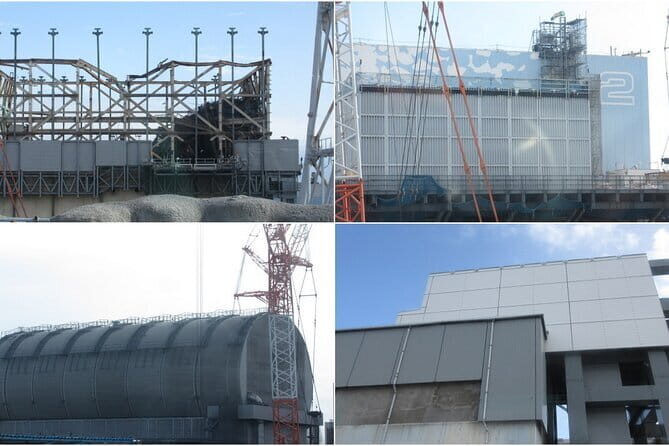
Between the station start and the nuclear plant portion, you’ll spend time exploring the Fukushima coast area. The exact stops can vary, but the intent stays the same: you’re not only learning what happened in 2011—you’re seeing what recovery looks like in 2024 terms.
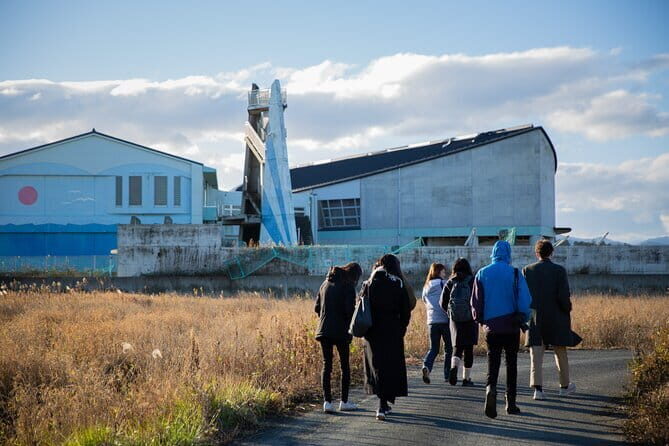
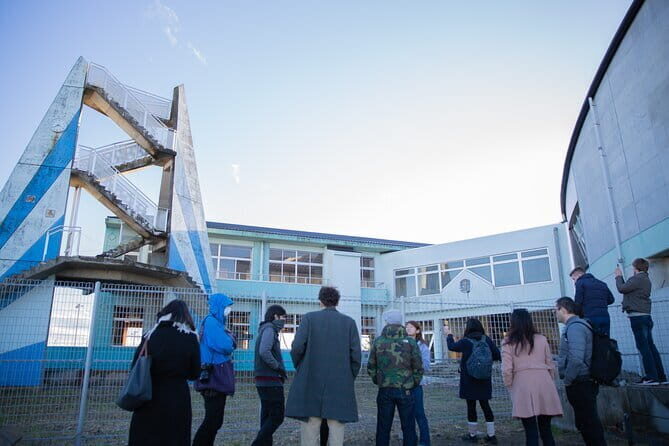
Some departures include additional places tied to community rebuilding and local remembrance. Based on what’s been described on recent runs, you might visit sites like Ranch of Hope, Namie Town Flower Project, Ukedo Elementary School, and a Great East Japan Earthquake and Nuclear Disaster-related facility. You could also encounter the role of J-Village on certain itineraries.
Here’s why this matters for you. If you only see the headline story—earthquake, tsunami, meltdown—you miss the long tail: displaced schools, reshaped towns, and daily life under new realities. These stops are meant to help you connect policy and physics to people who still have to plan their days.
And that connection comes with an emotional workload. The tour asks for sensitivity when discussing the disaster or its aftermath, and it asks you to respect privacy. Practical tip: keep your questions thoughtful and let the guide steer the conversation. It’s a place where tone matters as much as facts.
Inside the Fukushima Daiichi site: rules, ID checks, and real-world dose estimates
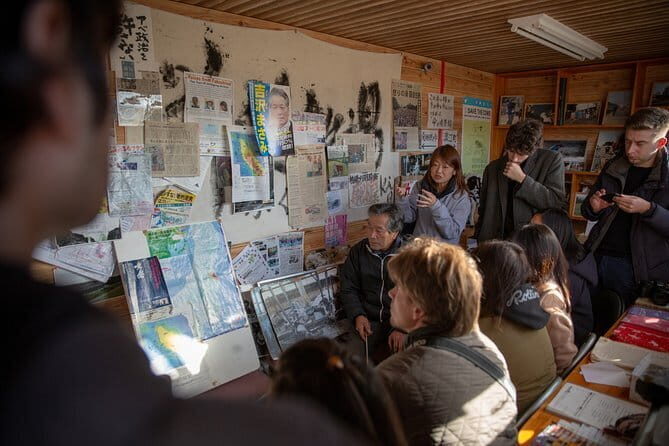
This is the moment most people sign up for, so it’s worth understanding the boundaries upfront.
You must bring your ID
When you enter the Fukushima Daiichi nuclear power plant site, you’ll need to show ID. The tour explicitly says you should bring your actual ID (not a copy), such as a driver’s license or passport, and that you may need to send a copy of your ID after booking. Accepted ID types listed include a driver’s license, passport, My Number card with photo, Basic Resident Registration Card with photo, and Residence Card (or Special Permanent Resident Certificate).
If you forget your ID, you risk being unable to participate in the plant visit. Don’t “wing it” here.
Wear the required clothing and shoes
Plant visits come with strict dress requirements. You’ll need long sleeved tops and long pants that cover your skin, and socks that cover your ankles. Flat shoes are required—sneakers are the safe bet. Sandals and high-heeled shoes are prohibited.
This isn’t theater. It’s part of how the site manages safety and movement. Plan for it like you would for a workplace site visit.
Filming is prohibited in restricted areas
You’re told filming around the Fukushima Daiichi Nuclear Power Plant and in restricted areas is prohibited. That means no video hunting, and it also means you’ll want to avoid treating the moment like a backdrop for your camera roll.
Expect controlled exposure, measured and explained
The guide estimates exposure for the plant portion at about 0.02 mSv and uses the Geiger counter during the visit. The practical takeaway is that you should treat the plant stop as supervised time, not a free-roam experience. Your job is to follow directions, ask questions when invited, and take in what you’re told.
Also note the tour states that if you don’t follow your guide’s instructions, you may be asked to leave the group. That’s a real risk in a tightly controlled environment, so stay focused.
Meals, overnight, and the pace of a busy two days
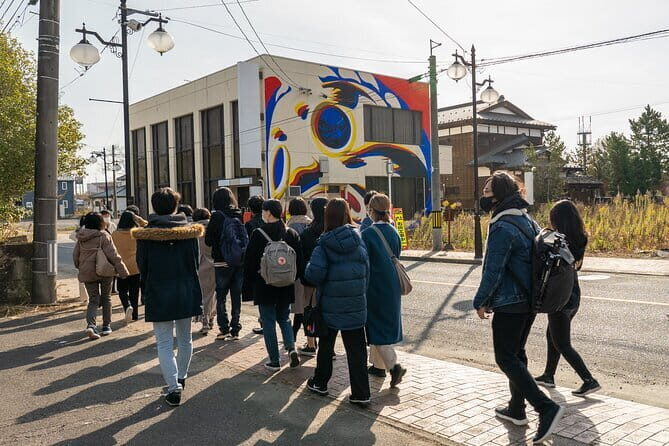
A good tour doesn’t just show you sights. It keeps you fed and moving at a human pace, especially on a schedule with emotional weight.
This tour includes breakfast and dinner, plus accommodation. Lunch is not included, so you’ll want to budget for at least one meal on your own. If you’re used to snack-hunting during tours, you might enjoy having flexibility—but don’t assume lunch will be handled for you.
Accommodation is included, and you’ll travel in an air-conditioned vehicle. That matters in Fukushima weather, because you may spend long stretches in transit and in outdoor viewing areas around the coast. Bringing a light layer helps too, since coast air can shift.
In one described departure, the overnight involved staying around J-Village, which is meaningful because it ties the story to the infrastructure that supported recovery and response efforts. You shouldn’t assume that every departure uses the same overnight location, but the overall point is consistent: the overnight is part of the narrative, not just a bed.
Price and value: $579.82 for access you can’t DIY
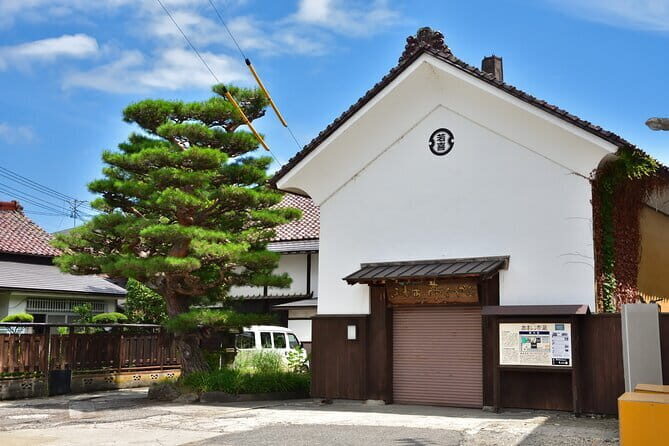
At $579.82 per person, this is not a cheap weekend. But it’s also not “paying extra for a bus and a badge.”
You’re paying for:
- A guide (English and Japanese) who can handle access to sensitive areas
- Included meals (breakfast and dinner)
- Included accommodation for the two-day format
- A small group size (maximum 20)
- The big-ticket item: guided access to Fukushima Daiichi with a Geiger counter
- Admission covered for the included components (your start/park points include free admissions where listed)
What’s not included is also important for your budgeting:
- Transportation from Tokyo to Koriyama and back
- Lunch
So, if you’re traveling from Tokyo, your total cost depends on how you get to Koriyama. The tour is designed around Koriyama as your meeting point.
The booking pattern is also telling: it’s commonly booked about 90 days in advance. That’s a clue that the access slots and planning capacity are limited. If you want a specific date, waiting too long could cost you your preferred window.
Who should book this Fukushima Daiichi tour—and who might not
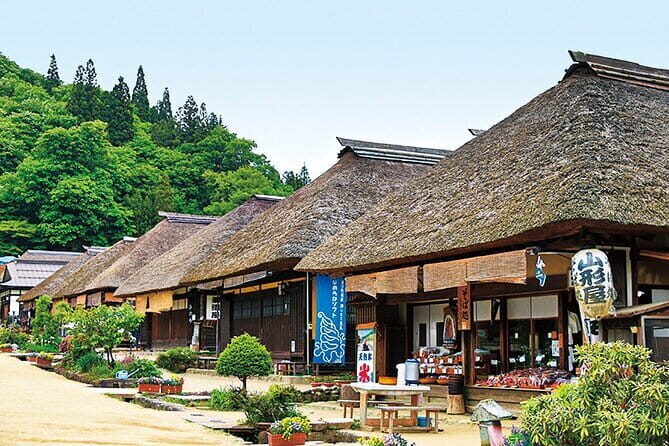
This tour fits best if you want a serious, guided understanding of March 11, 2011 and its long-term effects. You should like asking questions and accepting structure. You’ll also appreciate the chance to hear from locals in a respectful way.
It’s a good fit for:
- Travelers who don’t just want disaster history, but want to see recovery
- People comfortable with strict rules and safety checks
- Anyone who values small-group learning with a guide who answers questions
It may not be the best fit if:
- You want a purely light, casual itinerary
- You don’t want to handle required clothing rules and ID documentation
- You’re uncomfortable with emotionally heavy subject matter and site etiquette
One more filter: you must be at least 20 years old to participate.
Should you book the Fukushima Daiichi Nuclear Power Plant 2-Day tour?
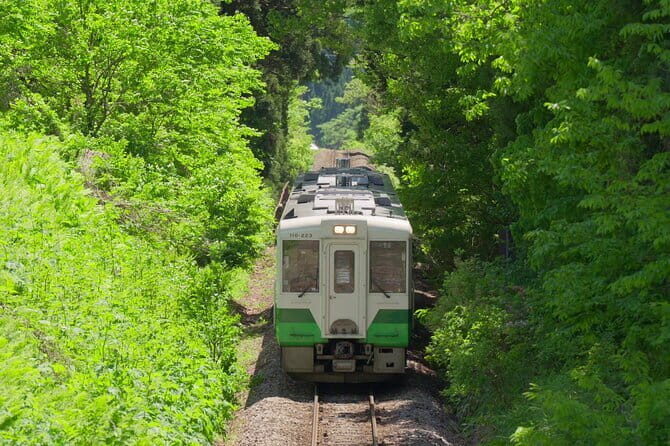
I’d say book it if you’re looking for a guided, structured way to understand Fukushima Daiichi beyond headlines. The combination of rare inside-site access, monitored by a Geiger counter, plus time to meet locals and hear firsthand experiences is exactly the kind of “you can’t replicate this easily” travel you should seek out.
I’d pause before booking if you know you’ll resent rules. This tour is serious about ID, clothing, behavior, and privacy. Also budget for lunch and plan your Tokyo-to-Koriyama transportation separately.
If you go in with respect and patience, this tour gives you something more valuable than photos: a grounded understanding of what happened, what changed, and how people live with the aftermath.
FAQ
How long is the Fukushima Daiichi Nuclear Power Plant visit tour?
The tour is about 2 days, with a start time of 10:00 am at Koriyama Station. It ends back at the meeting point at Koriyama Station East Exit Plaza.
Where do I meet the group, and is it close to public transportation?
You meet at Koriyama Station in Fukushima Prefecture, at Hiuchida, Koriyama, Fukushima 963-8003. The meeting point is noted as being near public transportation.
What ID do I need for entry to the Fukushima Daiichi Nuclear Power Plant site?
You must bring your actual ID (not a copy) such as a driver’s license or passport. The tour lists accepted options including My Number card with photo, Basic Resident Registration Card with photo, and Residence Card (or Special Permanent Resident Certificate). You’ll need to show your ID upon entering the site, and you may be asked to send a copy after booking.
What should I wear for the nuclear plant visit?
You need long-sleeved tops and long pants that cover your skin, plus socks to cover your ankles. Flat shoes like sneakers are required, and sandals or high-heeled shoes are prohibited for the Fukushima Daiichi visit.
Does the tour include meals, and is lunch provided?
Breakfast and dinner are included, but lunch is not included. You should plan to pay for lunch on your own during the tour.
Is there a cancellation refund, and how late can I cancel?
Yes. You can cancel up to 6 days in advance for a full refund. A 50% refund applies if you cancel 2–6 days before the start time, and no refund is provided if you cancel less than 2 days before the experience.