A calm temple session beats a random massage room every time. This Osaka experience strings together foot bath, oil massage, matcha skincare, and a tea ceremony in a quiet setting where staff explain what you’re seeing and why it matters.
Two things I really like: the massage itself is a full-body reset (including bamboo fascia release), and the matcha facial is handled thoughtfully, not as a gimmick. You also get a built-in cultural finish with traditional tea ceremony and sweets, so you leave feeling both cared for and grounded.
One drawback to consider: this is hands-on bodywork with oil, so you’ll want to plan your day accordingly. If you’re thinking of hopping straight into a sweaty street-food crawl afterward, I’d give yourself some breathing room.
In This Review
- Key highlights you’ll feel right away
- A Temple Setting in Osaka: Why This Reset Feels Different
- Meeting Point to First Welcome: Kimonos, Yukata, and Getting Oriented
- Foot Bath to Oil Massage: The Pace, the Oils, and the Fascia Work
- The Matcha Facial: Skin Comfort With a Japan-Friendly Twist
- Head Spa Finish: Melting Stress One Minute at a Time
- Traditional Tea Ceremony With Sweets: A Thoughtful Cultural Closure
- Value for $260.61: What You’re Really Paying For
- Who This Experience Fits Best (And Who Might Not)
- Should You Book This Osaka Temple Massage Experience?
- FAQ
- What’s included in the course?
- How long should I plan for this experience in total?
- Will it be just me or is it a group?
- Where do I meet, and where does it end?
- Do they provide anything for the photo and yukata?
- Can I contact the temple directly?
Key highlights you’ll feel right away
- Temple calm from the start: a slower pace, friendly kimonos, and a peaceful room where you can actually relax.
- Foot bath first: warm soaking sets the tone and helps you settle before the bodywork.
- A fascia-focused massage: oil massage plus bamboo stick release targets tightness you didn’t know you had.
- Matcha facial care: skincare treatment using matcha, paired with a gentle, soothing rhythm.
- Head spa to finish: stress seems to drain out of your shoulders and scalp.
- Yukata photo and keepsake memories: you’ll get a complimentary photo, plus they take care of the picture moment.
A Temple Setting in Osaka: Why This Reset Feels Different
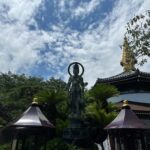
Osaka has no shortage of massage options. But this one works because it’s built like a small ritual inside a traditional temple-style environment. The mood isn’t loud or commercial. It’s quiet, slow, and intentionally calming.
You’ll be welcomed by staff dressed in traditional kimonos. They also give you context—talking through the temple’s origins and how worship is done. That matters more than you’d think. When you understand what you’re stepping into, you stop treating the whole thing like a service and start treating it like a moment.
And yes, there’s a body part of this that’s genuinely serious. The 180-minute course isn’t just a quick massage stop. It’s a sequence: foot bath, full-body oil massage, fascia release, matcha facial, head spa, then a tea ceremony with sweets. It’s long enough to work, not long enough to drag.
A few more Osaka tours and experiences worth a look
Meeting Point to First Welcome: Kimonos, Yukata, and Getting Oriented
Your experience starts at a set meeting point in Nishi Ward (Kitahorie area). It’s near public transportation, which is helpful if you’re weaving this into a sightseeing day.
When you arrive, expect a warm welcome. Staff guide you through what’s next and set the tone. There’s also an option to wear a yukata, and they’ll provide a complimentary photo so you can actually capture the moment instead of rushing around trying to find the perfect angle.
One more small but real benefit: they explain basic temple etiquette using guidebooks. You don’t need to be an expert. You just need to know how to act in the space. That kind of guidance keeps the experience smooth, especially if your Japanese is limited.
Practical tip: plan to wear something comfortable that won’t make you fuss with too many layers when you change. The point is to arrive settled, not stressed.
Foot Bath to Oil Massage: The Pace, the Oils, and the Fascia Work
This session starts with a foot bath. Warm water does two jobs. First, it helps relax your legs before anyone touches your back. Second, it lowers your mental volume—your body realizes, early on, that you’re not about to do anything intense.
Then comes the full-body oil massage. They use essential oils, and you can choose your favorite oil. That choice is a big deal. Scent influences how relaxed you feel, and you’ll notice it more here because the whole room is calm and quiet.
What really sets this massage apart is the fascia release with a bamboo stick. Fascia release is meant to ease deep tightness—often the kind you feel as stiffness in your shoulders, neck, hips, or along your arms. It’s not the same as “just getting loosened up.” The goal is to help your tissues move more freely.
Why I think this matters for you: most tourists carry travel tightness—standing in crowds, stepping up stairs, walking more than usual. A normal massage can help, sure. But this blend of oil + fascia release targets tension patterns instead of only focusing on surface comfort.
Possible consideration: if you’re sensitive to pressure or you don’t like being worked on directly, communicate your comfort level early. The experience flows, so it helps to set your preferences right at the start.
The Matcha Facial: Skin Comfort With a Japan-Friendly Twist
After the massage work, the session shifts to the face with a matcha facial using high-quality matcha. This is where the experience goes beyond “spa time.” It turns into a skincare ritual tied to something Japan-famous, but handled as an actual treatment rather than a novelty photo prop.
You’ll get a sequence designed to nourish your skin. The vibe is slow and soothing, which matters because your body has already been relaxing for a while. A matcha facial here doesn’t feel like a random add-on. It feels like a continuation of the same reset—cooler, calmer, and more focused on restoring comfort.
One reason this lands well in Osaka: you finish the bodywork and then go straight into face and scalp relaxation. If your travel stress shows up around your jaw, forehead tension, or general “ugh” feeling, this segment can feel like a clean stop button.
Head Spa Finish: Melting Stress One Minute at a Time
Next up is a head spa. This part tends to be where people notice the biggest mental change. You’re no longer focused on your whole body. Your attention goes to scalp and head, which is where tension often hides when you’ve been holding yourself upright for sightseeing.
The pacing is designed to help you settle fully—soft, relaxing pressure, and a rhythm that lets your nervous system exhale. After a full-body massage and fascia work, the head spa feels like the final layer: it pulls the remaining stress out of your shoulders and crown.
If you’ve been looking at a phone for hours or sleeping strangely in hotels, this can be a very satisfying end to the treatment.
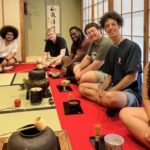

Traditional Tea Ceremony With Sweets: A Thoughtful Cultural Closure
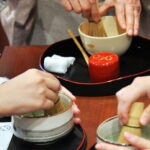
The last step is a tea ceremony with traditional Japanese sweets. This isn’t just a drink at the end. It’s a cultural reset that gives the session a clean finish.
Tea ceremony also helps you transition out of “massage mode.” After bodywork, your muscles are warm and loose. If you immediately rush back into normal life, the benefits fade faster. Tea gives you a small buffer—calm time to breathe, sip, and let your body remember the relaxed state.
The sweets are part of the closing ritual too. They make the ceremony feel complete, like you’re stepping into a small moment of Japanese hospitality rather than ticking off an activity.
Value for $260.61: What You’re Really Paying For
Let’s talk money in plain terms. At $260.61 per person, this is not a budget massage. But it also isn’t a single-service spa appointment.
You’re paying for:
- A full sequence (foot bath, oil massage, bamboo fascia release, matcha facial, head spa)
- A cultural add-on (tea ceremony with sweets)
- A picture moment (optional yukata + complimentary photo)
- A small group experience (maximum 3 travelers)
- Staff who explain temple origins and worship basics using guidebooks
That combination is the key to the value. Most low-cost massages give you one service for one price. Here you’re buying multiple services plus context, all in one calm, temple-like setting.
When you should consider skipping: if you only want a quick shoulder rub and you’re not interested in matcha or tea ceremony as a cultural wrap-up. Also, if $260.61 feels like “too much massage,” you might choose a shorter, cheaper option and put the rest of your budget into dinner and local attractions.
When it’s a strong buy: if you want a real reset, you enjoy Japan-themed experiences, and you like the idea of leaving with a memory (photo) as well as your body feeling better.
Who This Experience Fits Best (And Who Might Not)
This is a great match if you:
- Want an escape from travel stress without overplanning
- Like hands-on spa care that goes beyond surface relaxation
- Are curious about matcha beyond drinking it
- Enjoy small-group settings with plenty of attention
It may be less perfect if you:
- Have a very tight schedule and can’t afford about 3.5 hours total time (the course runs 180 minutes, but the full flow includes setup and the photo moment)
- Don’t tolerate oil massage well or dislike any pressure variations (communicate comfort level)
- Expect a modern spa vibe with lots of bells and whistles (this is calm and traditional)
Good news: the setup is friendly for most people, and service animals are allowed. The room is also near public transportation, so you’re not fighting Osaka traffic just to get relaxed.
Should You Book This Osaka Temple Massage Experience?
I’d book it if you want a massage day that feels like a small cultural ritual, not just a timed appointment. The combo of fascia-focused massage, matcha facial, and head spa is the kind of pairing that actually changes how you feel—not just how your skin looks.
Also, I love that they handle the photo in your yukata moment and help orient you with temple etiquette. Those details make it feel cared for from start to finish.
If you’re on the fence, use this simple test: do you want your relaxation to include temple culture (tea ceremony and worship context) as much as the bodywork? If yes, this is a strong pick.
FAQ
What’s included in the <180-min> course?
The course includes a foot bath, a full-body oil massage, fascia release with a bamboo stick, a matcha facial treatment, a head spa, and a traditional tea ceremony with Japanese sweets. You’ll also have a yukata photo option.
How long should I plan for this experience in total?
The experience is listed at about 3 hours 30 minutes approximately, with the main course described as 180 minutes.
Will it be just me or is it a group?
It has a maximum of 3 travelers, so you should expect a small-group, more personalized feel.
Where do I meet, and where does it end?
You’ll meet at Tossa de coracao 1-chōme-6-19 Kitahorie, Nishi Ward, Osaka, 550-0014, Japan. The experience ends back at the meeting point.
Do they provide anything for the photo and yukata?
Yes. Staff give you the opportunity to wear a yukata and provide a complimentary photo to capture the moment.
Can I contact the temple directly?
You’re asked not to call Saishoji Temple directly. For reservations or inquiries, you should contact them via email.
If you tell me your travel dates and what you’re doing that day in Osaka, I can suggest the best time to book this so you get the full relaxation payoff.