REVIEW · OSAKA
Osaka: Solaniwa Onsen Hot Spring Visit
Book on GetYourGuide →Operated by LINKTIVITY Inc. · Bookable on GetYourGuide
Hot springs with rooftop gardens sound too good. Solaniwa Onsen in Osaka Bay Tower turns a simple soak into alkaline spring water relaxation and a surreal Tenku Garden day above the city. My favorite part is how the bathing feels genuinely traditional, while the garden experience feels like you stepped into a movie set.
I also like the way this place gives you multiple moods in one visit: a footbath area with seasonal trees and flowers, then nine different bath styles to switch things up. One possible drawback: Osaka onsen rules are strict, so if you have visible tattoos (or even tattoo stickers/paint), you’ll have to skip this one, and you also can’t leave and come back later.
In This Review
- Key highlights worth planning for
- Solaniwa Onsen at Osaka Bay Tower: what it is and why it feels special
- First stop: entering the Solaniwa experience in Minato-ward
- Tenku Garden rooftop: torii gates, waterfalls, and seasonal color
- The footbath area: a calmer pause before you heat up
- Nine baths in one hot-spring circuit: how to choose your order
- Saunas and scrubbers: included, so plan time for it
- Rules that matter: tattoos, strollers, alcohol, and re-entry
- Osaka value check: what $14 buys you (and the small extra fee)
- Who this onsen visit is best for
- Practical tips to make your visit smoother
- Should you book Solaniwa Onsen Osaka Bay Tower?
- FAQ
- Where is Solaniwa Onsen Osaka Bay Tower located?
- How much does it cost?
- Is there any extra fee?
- How long is the experience?
- What’s included with admission?
- What hot spring baths are available?
- Is the hot spring water alkaline?
- Are tattoos allowed?
- Are baby strollers or baby carriages allowed?
- Can I leave and re-enter during the visit?
- Is the facility wheelchair accessible?
Key highlights worth planning for
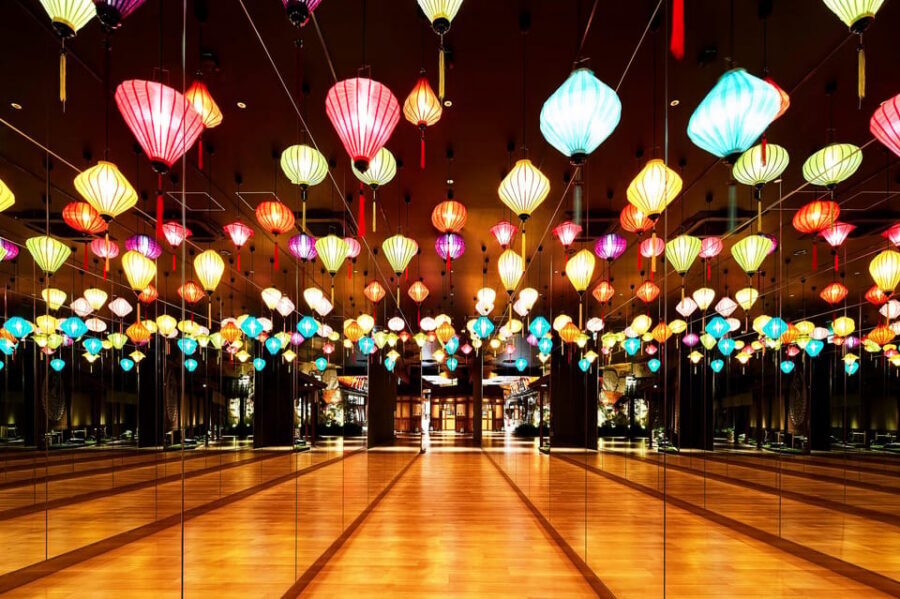
- Alkaline hot spring from 1,000 meters down: The water is slightly alkaline and bubbles up from deep underground.
- Tenku Garden rooftop escape (3,000 square meters): Thousand torii gates, waterfalls, and wide-open views.
- Nine bath styles: You can rotate between an open-air bath, garden-view bath, and carbonated spring bath.
- Footbath time with seasonal views: Relax outdoors while trees and flowers change the mood.
- Saunas and scrubbers are included: You can add heat and body care to your soak circuit.
Solaniwa Onsen at Osaka Bay Tower: what it is and why it feels special
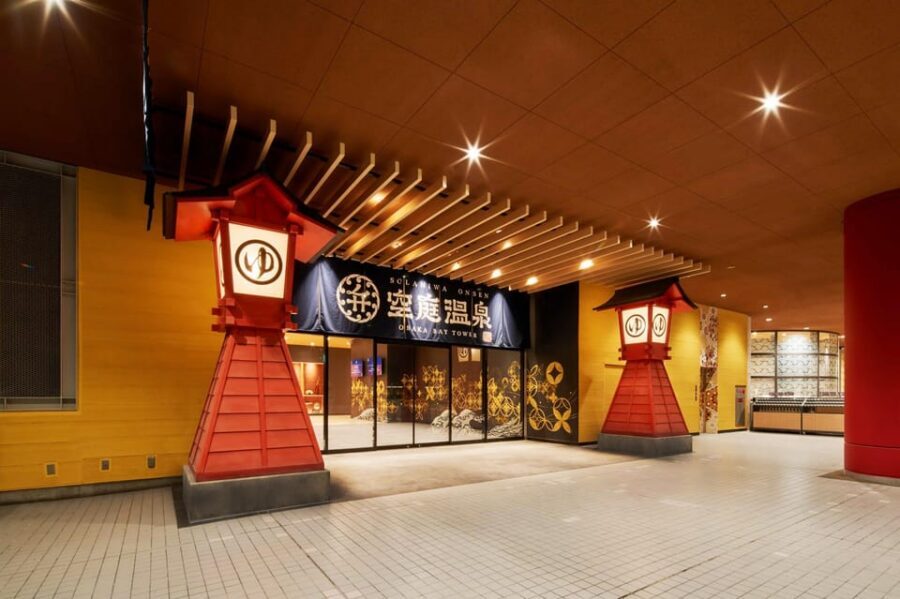
Solaniwa Onsen Osaka Bay Tower isn’t just a hot bath room with a pool of water. It’s an onsen town-style experience—designed for staying awhile—where soaking is the main event and the setting does a lot of the work for your mood.
The hot spring water is the star. This is a slightly alkaline natural hot spring known as Beautiful Hada no Yu, and it bubbles up from 1,000 meters underground. When you’re in the baths, you can feel how that “deep” source matters. Alkaline water is often chosen in Japan for how it feels on skin, and here it’s framed as part of the full spa-like routine, not just a quick dip.
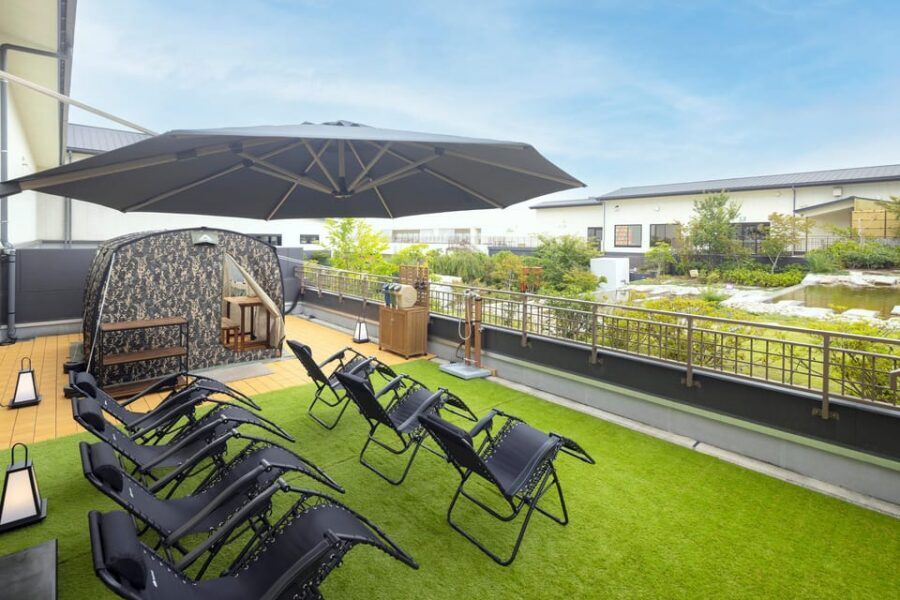
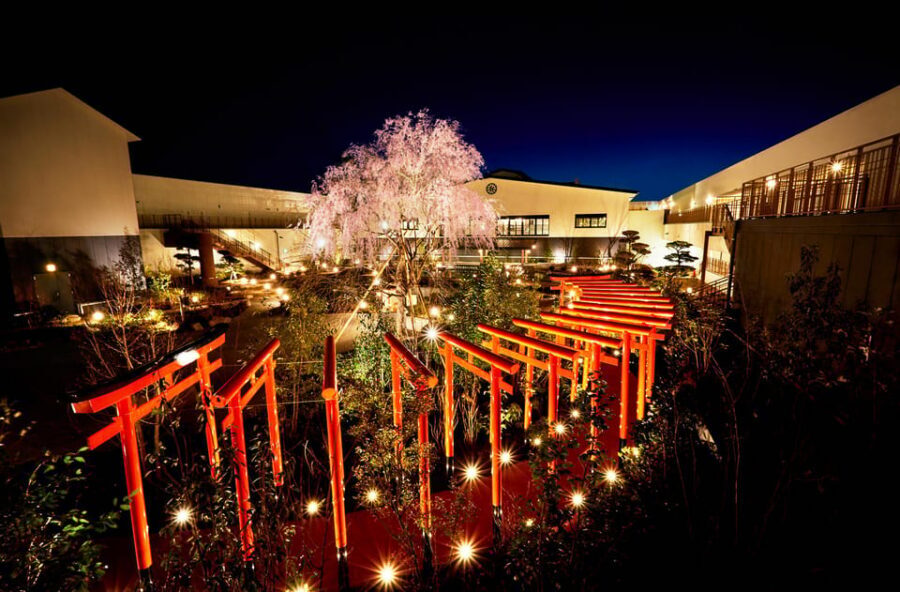
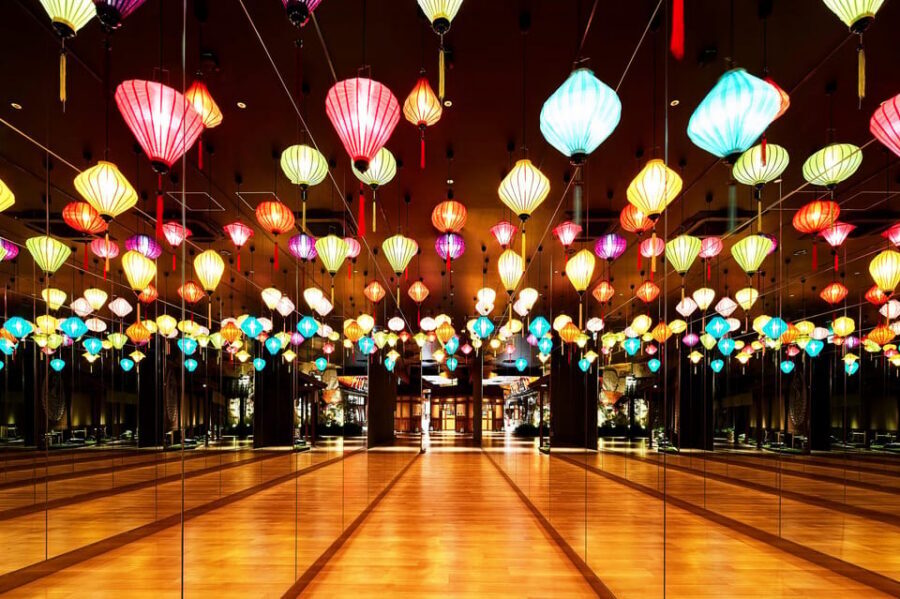
Then there’s Tenku Garden. The rooftop garden is a 3,000-square-meter space that changes your brain from city mode to calm mode. It has a thousand torii gates, waterfalls, and other display features that create a sense of openness, which helps you forget you’re in the center of Osaka. This is the kind of place where you might slow down without meaning to.
If you want one sentence to hold the whole experience: you’re doing traditional onsen bathing plus a rooftop garden walk that feels almost separate from the baths.
A few more Osaka tours and experiences worth a look
First stop: entering the Solaniwa experience in Minato-ward
Plan to arrive at the Osaka Bay Tower North meeting point: 1-2-3 Benten, Minato-ward, Osaka-city, Osaka Bay Tower North, 552-0007 (34.67035789999999, 135.4595476).
From the moment you show up, think of this as a single-visit circuit. You won’t be able to take breaks outside the facility and return later—temporary exits and re-admission aren’t allowed. So if you’re coming from elsewhere in Osaka, I’d treat your timing like you’re entering a museum: arrive ready to enjoy the full day.
Also note that seasonal access can vary for certain areas. That doesn’t mean the whole place is closed, but it does mean your ideal photo spot on the rooftop might depend on the season.
Language-wise, you should be fine using visuals, but it always helps to have your reservation screen ready when you enter at reception.
Tenku Garden rooftop: torii gates, waterfalls, and seasonal color
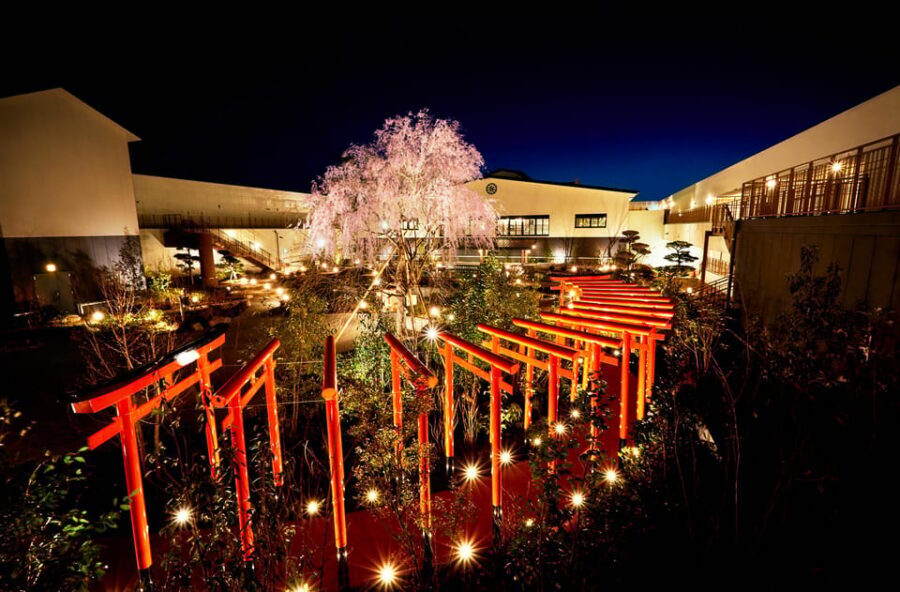
Tenku Garden is one of the best reasons to pick this specific Osaka onsen. It’s accessed as part of your admission, and the setting does something smart: it gives you a reason to move around before you settle into bathing.
The rooftop covers about 3,000 square meters and includes a thousand torii gates. That’s a lot of gate for one visit, and that scale is part of the magic. The gates create rhythm as you walk, and waterfalls plus other display elements keep it from feeling like a single straight photo line. You’re not just looking at decor—you’re walking through a curated space that feels open and airy.
You’ll also see that seasonal trees and flowers show up in the experience. That matters because Osaka changes a lot by season, and Tenku Garden is meant to be read through the weather and the light. If you’re visiting in a warmer month, expect more greenery and lighter vibes; in cooler seasons, you’ll likely notice the garden’s structure more.
A quick practical thought: rooftop space often means more wind. If you’re sensitive to that, bring a light layer or plan your walk early or late when it feels more comfortable.
The footbath area: a calmer pause before you heat up
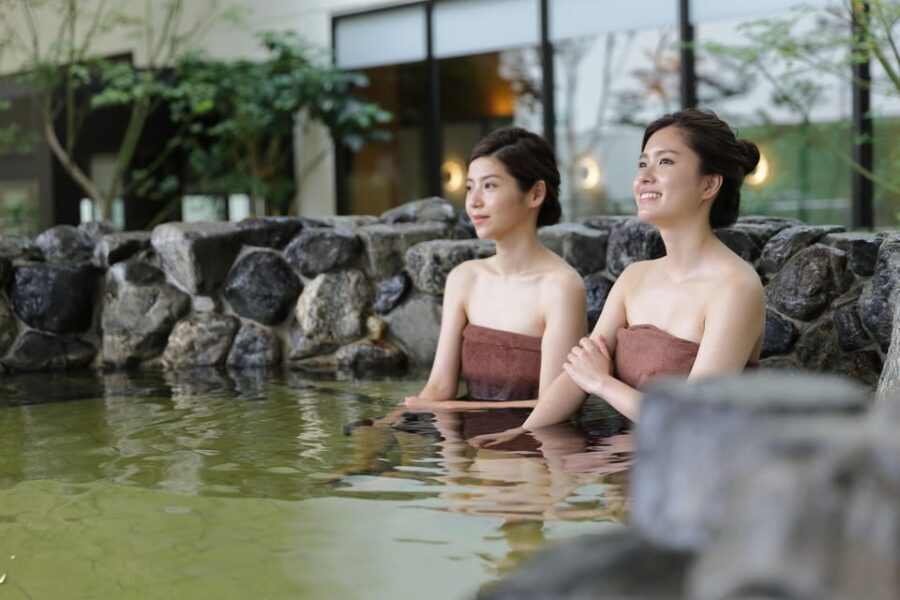
After Tenku Garden, shift into the onsen zone with a slower pace. The footbath area is designed for exactly that: relax while you watch the view of seasonal trees and flowers.
This isn’t just a waiting room for the real baths. Think of it as your soft entry into heat. Your feet go in first, and your body gets the message: you’re here for a long soak routine, not a quick splash.
Because the footbath area offers that garden-style view, it also functions like a mini sensory reset. It’s a nice way to avoid the all-at-once feeling that can happen when you go straight from walking to full hot bath temperatures.
Nine baths in one hot-spring circuit: how to choose your order
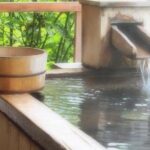
The hot bath area is described as theme park-like in how it offers different experiences in one place. You get nine types of baths, including:
- an open-air bath
- a garden-view bath
- a carbonated spring bath
That variety is more than a list. It gives you options based on how your body feels that day.
Here’s the order logic I’d use:
- Start with the baths that feel easiest on your system (often a calmer indoor or garden-view option).
- Save the open-air bath for when you want a stronger atmosphere change. The air plus steam makes it feel more immersive, and it can be a highlight if you’re lucky with weather.
- If you want extra stimulation, try the carbonated spring bath when you’re ready for that different sensation.
You can also use the saunas and scrubbers as part of your rhythm. Since they’re included, it’s worth building time so you don’t feel rushed. If you rush, you’ll miss what makes this experience feel like a day off.
Also consider that some areas may not be accessible during certain seasons. If you notice a bath zone roped off or unavailable, don’t treat it like a disappointment. Adjust your circuit and focus on what’s open.


Saunas and scrubbers: included, so plan time for it
You’ll find saunas and scrubbers included with admission. This turns your visit into something closer to a full-body reset rather than only sitting in hot water.
Even without changing your routine style, you can use these as:
- heat-building (sauna time, then bath)
- cleanup support (scrubbers as part of getting ready for a later soak)
- recovery spacing (so you don’t feel overheated in one continuous hot cycle)
If you like a structured feel to relaxation, you’ll probably enjoy having multiple “stations” to rotate through.
Rules that matter: tattoos, strollers, alcohol, and re-entry
Onsens have rules, and Solaniwa is clear about them. Here are the ones that can genuinely affect your day:
- Visible tattoos are not allowed. This includes tattoo stickers or paints, and it also covers gang affiliations or being under the influence of alcohol.
- Alcohol and drugs are not allowed.
- Baby strollers and baby carriages aren’t allowed.
Two practical tips from these rules:
- If you’re traveling with kids, be aware that groups under the age of 16 can use the facility until 7:00 PM, and groups under 18 can use it until 10:00 PM.
- Decide early what your plan is for getting there and staying inside. Temporary exits and re-admission aren’t permitted, so you can’t do a quick errand break and come back.
Also remember: if the facility closes temporarily due to inclement weather, transportation costs to the site are not reimbursed.
Osaka value check: what $14 buys you (and the small extra fee)
The listed price is $14 per person for a 1-day experience. For what you get, the value is strong: you’re paying for the Tenku Garden access plus the hot bath area with nine bath types, and saunas and scrubbers.
The one add-on you should budget for is the Osaka city bathing tax: a separate payment of 150 yen required on-site. That’s small compared to the overall admission, but it’s still worth knowing so you’re not surprised at checkout.
The value angle I like here is choice. You’re not locked into one bath experience. You can spend time in the garden, ease in with the footbath view, and then build a personalized soak route across nine bath styles.
Who this onsen visit is best for
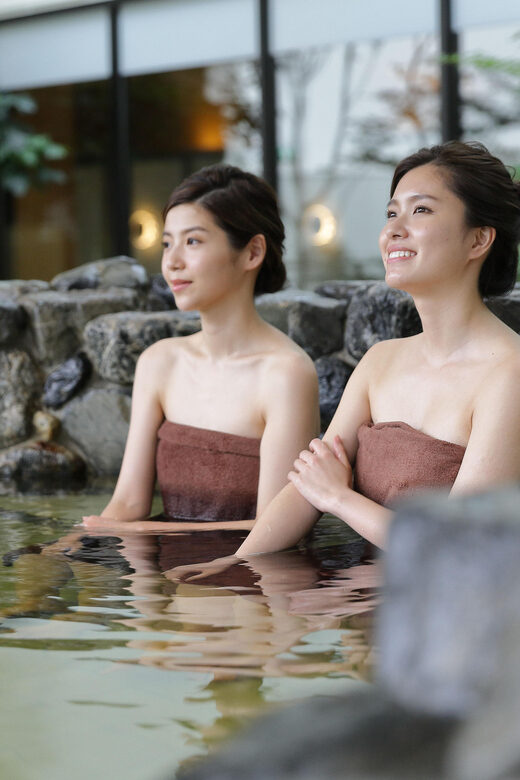
This experience fits best if you want a relaxing Osaka day with a memorable setting.
You’ll probably enjoy it if you:
- want a traditional onsen setting but also like scenery and walking spaces
- prefer experiences that feel planned (garden first, then baths) instead of random
- like switching temperatures and bath types rather than repeating the same soak
- want something family-friendly in tone, since it’s built for visitors to unwind
It may feel less ideal if:
- you can’t comply with tattoo restrictions (or you’re worried about how strict visible-tattoo rules are)
- you prefer to come and go freely throughout the day
- you’re hoping for a purely simple soak with zero walking or viewing areas
Practical tips to make your visit smoother
A few practical habits will help you get the best day possible:
- Give yourself time for Tenku Garden. It’s not a quick photo stop; it’s big enough that you’ll want to wander.
- Use the footbath area as your warm-up. It makes the jump into hot baths feel less sudden.
- Build a loose rotation plan: garden and footbath, then baths, then sauna/scrubbers. If you keep moving in a rhythm, you won’t overheat too fast.
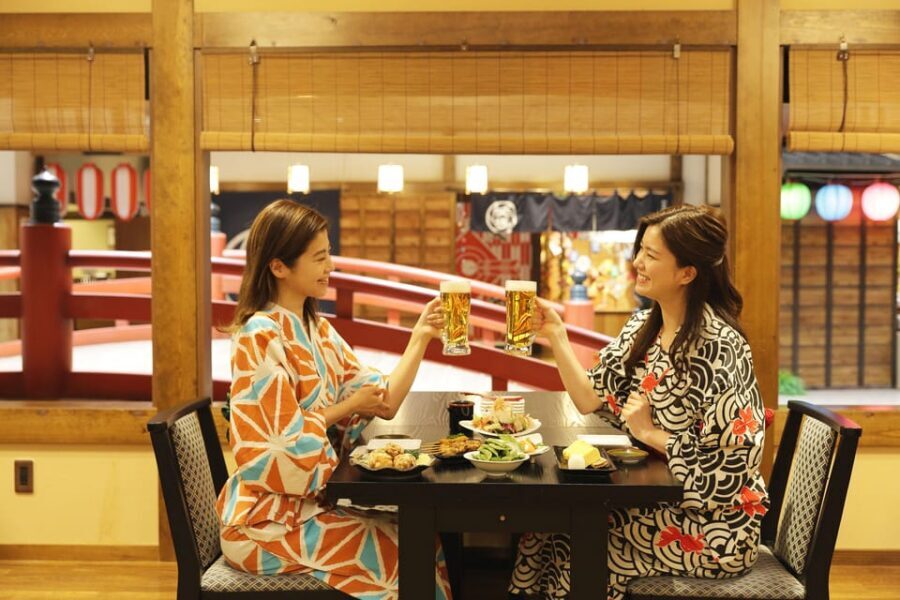
- If you’re planning anything beyond admission, keep your expectations clear. One issue that can happen is confusion around meal add-ons or what’s included with what you purchased. If food is part of your plan, double-check what you bought and how you redeem it.
And because this is an onsen, think comfort and pacing over speed. The best part of Solaniwa is that it rewards staying in the moment.
Should you book Solaniwa Onsen Osaka Bay Tower?
Book it if you want a classic onsen soak with a rooftop experience that feels out of the ordinary. Tenku Garden—torii gates, waterfalls, and a wide-open rooftop feel—turns the day into more than just bathing. The nine bath options plus saunas and scrubbers give you real flexibility, so you can tailor the visit to how you’re feeling.
Skip it if tattoo rules apply to you, or if you need the ability to leave and return during the day. Also, if you’re traveling with very time-sensitive plans, keep in mind the no re-entry rule and possible seasonal accessibility changes.
If you’re making a short Osaka itinerary and want one relaxing, memorable block of time, Solaniwa Onsen is a strong choice.
FAQ
Where is Solaniwa Onsen Osaka Bay Tower located?
It’s at 1-2-3 Benten, Minato-ward, Osaka-city, Osaka Bay Tower North, 552-0007. The coordinates are 34.67035789999999, 135.4595476.
How much does it cost?
The price is $14 per person.
Is there any extra fee?
Yes. You’ll need to pay an Osaka city bathing tax of 150 yen on-site.
How long is the experience?
It’s valid for 1 day.
What’s included with admission?
Admission includes access to Tenku Garden, access to the hot bath area with nine types of baths, and access to saunas and scrubbers.
What hot spring baths are available?
The bath area includes nine types of baths, including an open-air bath, a garden-view bath, and a carbonated spring bath.
Is the hot spring water alkaline?
Yes. The slightly alkaline natural hot spring water bubbles up from 1,000 meters underground and is known as Beautiful Hada no Yu.
Are tattoos allowed?
No. Persons with tattoos, tattoo stickers/paints, or gang affiliations cannot use the service. Visible tattoos are not allowed.
Are baby strollers or baby carriages allowed?
No. Baby strollers and baby carriages are not allowed.
Can I leave and re-enter during the visit?
No. Temporary exits and re-admission are not allowed.
Is the facility wheelchair accessible?
Yes, it is wheelchair accessible.