Nikko in one long, guided day. This private tour takes you out of Tokyo to Nikkō’s UNESCO temple-and-shrine world and then keeps you moving through nature stops without you needing a map or a plan. You also get hotel pickup and a driver-guide who can answer questions as you go.
What I like most is the hotel pickup + door-to-door transport that makes a 9 to 10 hour day feel manageable. The other big win is having an English-speaking host who can explain what you’re seeing, including the cultural meaning behind stops, and who can slow down for a more comfortable pace like guide Ahsan did for at least one group I learned from. The main drawback to consider is time: it’s a full day with multiple major sights, plus some entrance fees are not included, and it’s best with good weather.
In This Review
- Key points to know before you go
- Why a private Nikko day works better than DIY
- The day’s rhythm: from Tokyo pickup to temples and waterfalls
- Nikko Tosho-gu: the Tokugawa site that sets the tone
- Shinkyō Bridge and Rinno-ji: shrine, temple, and meaning
- Nature reset: Nikko National Park and Kirifuri Waterfall
- Lake Chuzenji: a big view stop with historical flavor
- Akechidaira ropeway and the Kegon Falls viewpoint plan
- Tamozawa Imperial Villa: Edo-Meiji architecture in a mountain setting
- Kanmangafuchi Abyss: stone Jizō statues and quiet riverside walking
- Price and logistics: what $515.20 buys your group
- Who should book this Nikko private tour (and who might not)
- FAQ
- How long is the Nikko private day tour?
- Is hotel pickup and drop-off included?
- How many people are in a group?
- What’s included in the vehicle?
- Are entrance fees included?
- Is the guide English-speaking?
- What is the cancellation policy?
- Should you book this Nikko private day tour?
Key points to know before you go
- Private group of up to 5 means you set the pace and don’t wait for strangers
- English-speaking driver-guide helps you connect stories to the sights (Ahsan comes up often)
- UNESCO shrine-temple time plus nature views in one day, not a rushed hit-and-run
- Chuzenji and Kegon Falls viewpoints are built in, including the short ropeway ride
- Entrance fees aren’t included, so budget a bit extra for certain sites
- Good weather matters, and there’s a weather-based option if plans change
Why a private Nikko day works better than DIY
Nikkō is one of those places where the hard part isn’t seeing it. It’s getting there and then figuring out timing when you want both temples and outdoor views. This tour solves the logistics with private luxury transport and hotel pickup and drop-off in central Tokyo.
Because it’s private (up to 5 people), you’re not stuck with the pace of a larger bus. You can linger near Shinkyō Bridge for photos, move quickly when you’re ready, or take a break if your feet need a moment.
The ride also comes with Wi-Fi and USB charging, which sounds minor until you’re spending most of the day away from your hotel and phone batteries start panicking.
You can also read our reviews of more private tours in Tokyo


The day’s rhythm: from Tokyo pickup to temples and waterfalls
You start with pickup and end with drop-off, so you don’t have to negotiate trains, transfers, and timetables while you’re tired. You’ll be out in the mountains area for a long day, and the itinerary is arranged like a “temples first, then nature” arc.
Expect structured time blocks that balance big-ticket sights with stops where you can walk and breathe. Some parts are about monuments (like Nikko Tosho-gu), while other parts are about views and short walks (like the Lake Chuzenji area and the riverside trail).
Also, confirmation is handled after booking, and you’ll have a mobile ticket. That’s useful when you’re hopping between several locations in one day.
Nikko Tosho-gu: the Tokugawa site that sets the tone
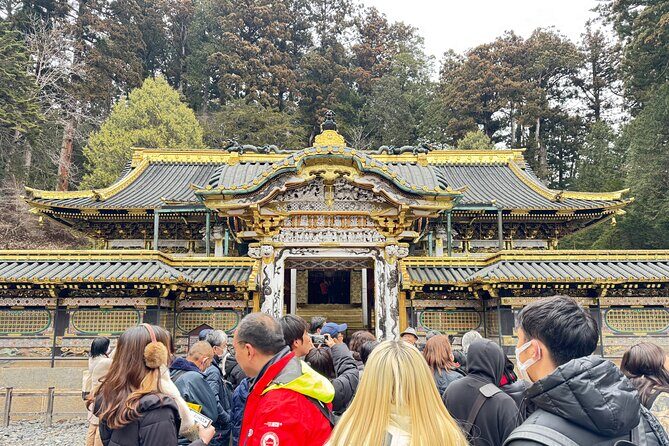
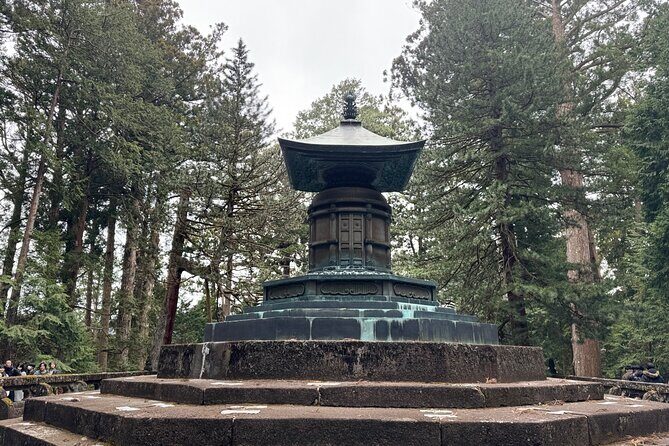
Nikko Tosho-gu is the anchor stop, with about 2 hours on the site. This is the final resting place of Tokugawa Ieyasu, the founder of the Tokugawa Shogunate. The tour also includes nearby shrines and temple areas around the complex, so you’re not just passing through one spot.
I like this start because it gives you context early. When you learn what the Tokugawa legacy meant and why this area became a major religious and cultural center, the rest of Nikkō makes more sense. You’ll also understand why people treat this site like a must-see rather than a quick photo stop.
Plan for entrance fees here since they’re not included. Also, in a full day like this, give yourself permission to slow down for details rather than rushing. Two hours can feel short if you treat it like a checklist.
Shinkyō Bridge and Rinno-ji: shrine, temple, and meaning
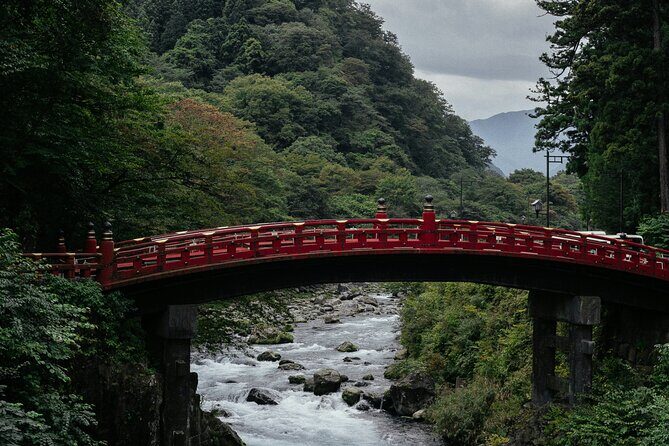
After Tosho-gu, you hit Shinkyo Bridge for a shorter stop (about 20 minutes). This bridge sits at the entrance to Nikkō’s shrines and temples, and it technically belongs to Futarasan Shrine. It’s also ranked among Japan’s three finest bridges, which is exactly the kind of detail your guide can connect to what you’re seeing on the ground.
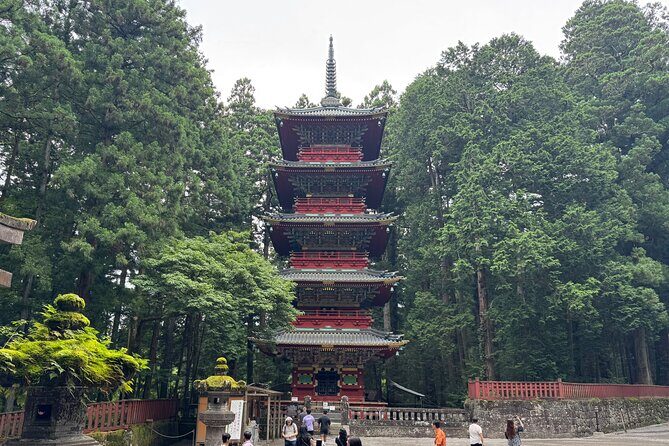
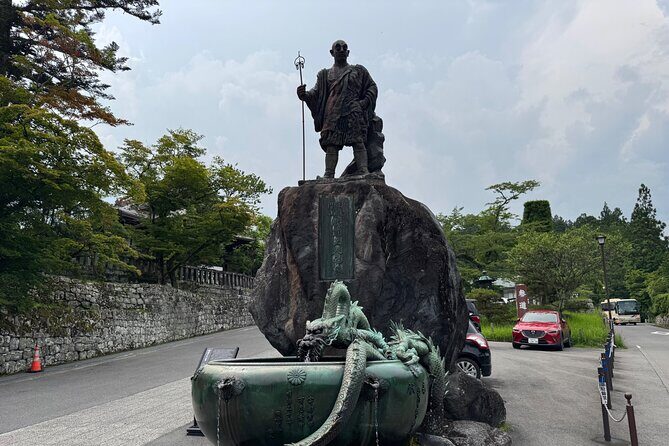
Then comes Rinno-ji Temple (about 30 minutes). This is Nikko’s most important temple, founded by Shodo Shonin, the Buddhist monk who introduced Buddhism to Nikko in the 8th century. That timing matters because it frames the whole shrine-temple mix: Nikkō isn’t only a Shinto story, and it isn’t only Buddhist either.
A practical consideration: these are indoor/outdoor mix areas with walking. If you’re doing this in winter or rainy conditions, wear shoes with grip. You’ll want stable footing for steps and paths around shrine grounds.
Nature reset: Nikko National Park and Kirifuri Waterfall
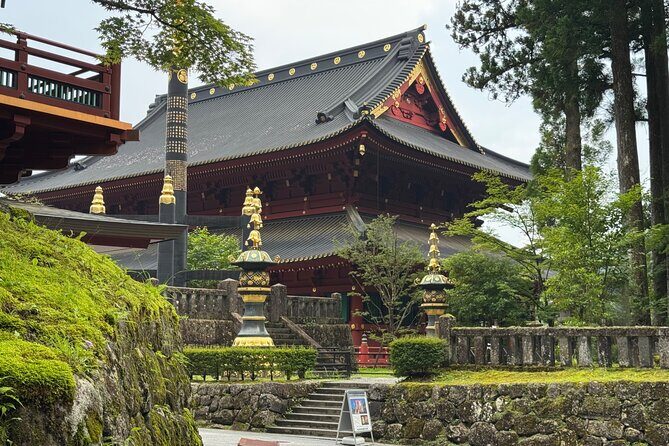
Once the cultural sights settle into your brain, the tour shifts into nature mode. First is Nikko National Park (about 1 hour). It’s one of Japan’s first national parks, with views in the Oku-Nikko area and beyond. The value here is balance: you get a break from stone corridors and step back into mountain air.
Next is Kirifuri Waterfall for about 30 minutes. This is a 75-meter-high, two-tiered waterfall located a few kilometers from the temple and shrine area. Even if you’ve seen waterfalls before, the scale helps. Two tiers make it look layered and more dynamic than a single drop.
Since entrance fees for this stop are not included, add a little budget cushion. And keep expectations realistic: you’re getting a scenic stop, not a long hiking day. If you want hours of trekking, this won’t replace that kind of outing.






Lake Chuzenji: a big view stop with historical flavor
Lake Chuzenji is one of the tour’s most memorable “take it in” breaks. You’ll get about 1 hour here, and it’s described as the largest lake in Tochigi, framed by 25 kilometers of nature. It also was a popular summer resort for foreigners in the late 19th to early 20th centuries, which gives the area an extra layer beyond today’s sightseeing.
This is the moment where the tour feels like it’s not only about boxes you tick. You can step away from the shrine grounds and actually enjoy the scenery. If your brain needs a reset between Kegon Falls and the observation decks, this stop does that job.
Entrance fees for this portion are listed as free. Still, the time is fixed, so if you love photography, be ready to move when the group needs to.
Akechidaira ropeway and the Kegon Falls viewpoint plan
From Chuzenji, you head to Akechidaira Observation Area (about 30 minutes). There’s a scenic 3-minute ride on the Akechidaira Ropeway, followed by viewpoints from the observation deck that cover Lake Chuzenji, Kegon Falls, and Mount Nantai.
This stop is smart because it gives you scale before you get close to the waterfall. Seeing Kegon from above helps you understand why it’s famous and how the water connects back to the lake.
Then you go to Kegon Falls (about 1 hour). It’s the most famous of Nikko’s 48 waterfalls, with water from Lake Chuzenji dropping 97 meters straight down. The tour also notes a special lift for visitors, which matters because it controls how you approach the viewing areas.
A good practical tip: check conditions when you arrive. Mist and wind can change visibility and how chilly it feels right by the falls. Bring a layer and keep your plans flexible.
Tamozawa Imperial Villa: Edo-Meiji architecture in a mountain setting
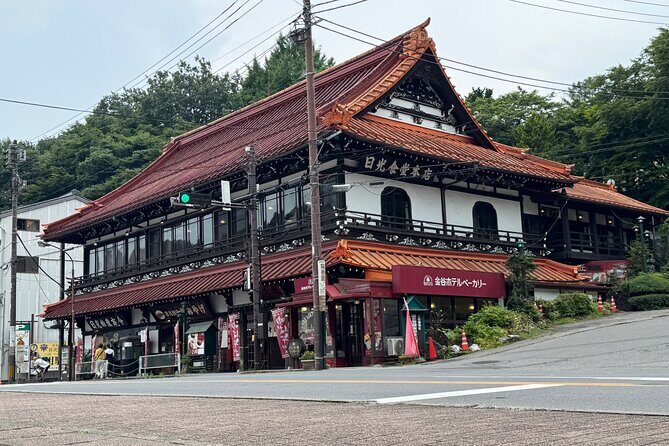
Not every Nikkō stop is about worship and water. Nikko Tamozawa Imperial Villa Memorial Park gives you a different angle (about 1 hour). The villa blends traditional Edo and early modern Meiji period architecture across its 106 rooms.
It was erected in Nikkō in 1899, using parts of a residential setting, which adds a sense of historical continuity to your day. If you like architecture or you want a break from the temple “language,” this stop is a nice shift.
Entrance fees are not included, so budget for it. Also, since it’s a full day, this is a good place to slow down rather than sprint through.
Kanmangafuchi Abyss: stone Jizō statues and quiet riverside walking
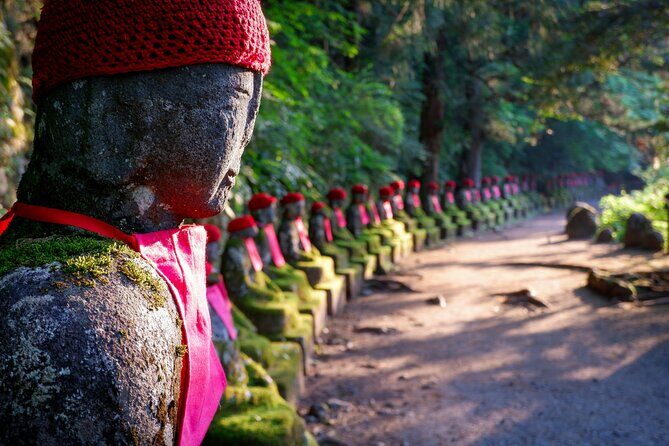
Near the end, you get Kanmangafuchi Abyss for about 30 minutes. This is a peaceful riverside trail lined with stone Jizō statues and lush nature. The site was formed by a volcanic eruption, and it offers views over the Daiya River.
What I like about adding this stop at the back half of the day is that it’s calmer. After big temple highlights and major waterfall moments, this kind of walk helps you land the day. It’s also easier on the schedule than a long hike because the time block is short.
It’s listed as free, which is a nice bonus in a day where some entrance fees can add up. Still, wear shoes for uneven ground. Even “easy” trails can get slippery in wet weather.
Price and logistics: what $515.20 buys your group
This tour costs $515.20 per group, up to 5 people. If you fill all seats, that’s roughly $103 per person for private transport and an English-speaking driver-guide for a 9 to 10 hour outing. The value is that you’re paying for convenience and interpretation, not just a vehicle.
The price includes private luxury transportation, all taxes and tolls, Wi-Fi and USB charging, and hotel pickup and drop-off in central Tokyo. It also includes an English-speaking professional driver-guide, which is what turns your day from photo stops into understanding what you’re looking at.
What’s not included: entrance fees for specific sites, plus optional gratuities. So when you budget, assume your total day cost will be a bit higher once you add admissions. If you’re the kind of traveler who hates surprise expenses, ask ahead or mentally plan for entrance fees at the big ticket religious and waterfall sites.
Finally, this experience requires good weather. If poor weather cancels it, you’ll be offered another date or a full refund.
Who should book this Nikko private tour (and who might not)
Book it if you want one day that covers both UNESCO shrine-temples and major nature viewpoints without wrestling with transit. It’s also ideal if you care about explanations and want a guide to connect cultural meaning to the sites as you move.
It fits families and small groups who want private pacing. One reason guide Ahsan shows up as a standout is the reported ability to match a slower pace while still hitting the key stops.
Consider something else if you want a slow, multi-day deep dive into Nikko. This is a packed day with timed stops. You’ll get a lot, but you won’t have hours for long hikes or endless wandering.
FAQ
How long is the Nikko private day tour?
The tour runs about 9 to 10 hours.
Is hotel pickup and drop-off included?
Yes. The tour includes hotel pickup & drop-off in central Tokyo.
How many people are in a group?
It’s a private tour for your group, up to 5 people.
What’s included in the vehicle?
The tour includes private luxury transportation with free onboard Wi-Fi and USB charging.
Are entrance fees included?
No. Entrance fees are not included, and the tour notes that admissions apply to several stops.
Is the guide English-speaking?
Yes. The driver-guide is described as English-speaking and professional.
What is the cancellation policy?
You can cancel for a full refund if you cancel at least 24 hours before the experience start time. If you cancel within 24 hours of the start time, the amount paid isn’t refunded.
Should you book this Nikko private day tour?
If your goal is a smooth, high-value day that combines Tokugawa-era sites, shrine-temple context, and the big Chuzenji and Kegon Falls viewpoints, I’d book it. The private transport, hotel pickup, and English-speaking guidance make this kind of full-day outing feel organized instead of chaotic.
Just go in with the right mindset: it’s a long day, not a relaxed half-day. If you want a packed route with fewer headaches and clear explanations along the way, this is a strong fit.