REVIEW · OSAKA
Osaka: Tennen Onsen Naniwa-no-Yu, the famous hot spring spa
Book on GetYourGuide →Operated by LINKTIVITY Inc. · Bookable on GetYourGuide
Osaka has a talent for turning your brain off. Tennen Onsen Naniwa-no-Yu is a famous onsen where you soak in natural, carbonated mineral water and watch the city from an 8th-floor viewpoint. I love the simple setup for a real break, and I love the feel of a proper public bath with lots of places to relax. The main drawback: if you’re sensitive to hot water, it can feel too hot fast.
I also like how the water is described like a beauty bath, not just a soak for comfort. That matters because you get a spa-like outcome from something as everyday as your evening plans. One more consideration: you’re not meant to retake a bath on the same ticket, so plan your timing if you want multiple rounds.
The bottom line for value is strong: the admission cost is low, but a few essentials like towels are extra. If you go in prepared, it’s an easy, honest Osaka experience that resets you without turning the day into a project.
In This Review
- Key things to know before you go
- Osaka’s onsen reset: why Naniwa-no-Yu is worth a stop
- Where it is, when it’s open, and how the 8th-floor setup changes the vibe
- The water: naturally carbonated minerals pumped from 659 meters down
- Onsen rules you should respect: shoes, tattoos, and one-ticket limits
- What it feels like inside: your flow from check-in to soaking
- The city view: how to time your soak for Osaka’s best mood
- Price and value: $5 admission, plus the small extras that add up
- First-timer comfort: heat level, crowd feel, and what to do if it’s too much
- Family planning and kid rules: what you need to know before you bring the kids
- Should you book Naniwa-no-Yu? My practical call
- FAQ
- Where is Tennen Onsen Naniwa-no-Yu located?
- What are the opening hours and last entry time?
- How much does admission cost?
- Is the bath ticket valid for more than one bath?
- What bathroom items are provided, and what costs extra?
- Are shoes allowed inside the facility?
- Are tattoos allowed?
- Is it refundable if plans change?
- Can I bring children, and are there any special kid rules?
Key things to know before you go
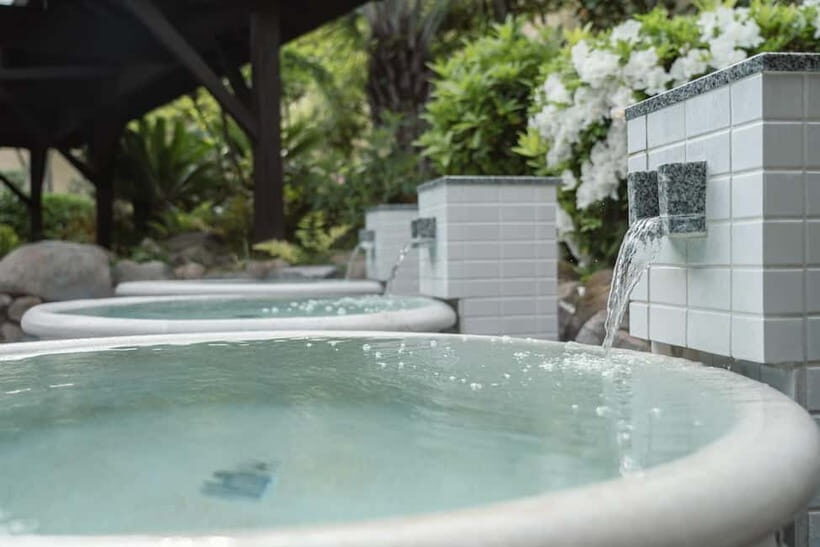
- 8th-floor city views while you soak, so it feels less like a chore and more like a pause button
- Naturally carbonated mineral water pumped from 659 meters underground
- Beauty-bath style effects: softer skin feel and smoother comfort, based on how the minerals interact
- One-use bath ticket per day, with a repurchase needed if you want a second soak
- Shoe-free indoor rules plus a strict no-visible-tattoos policy
- Toiletries are mostly pay-as-you-go, but shampoo/conditioner/body soap are provided
Osaka’s onsen reset: why Naniwa-no-Yu is worth a stop
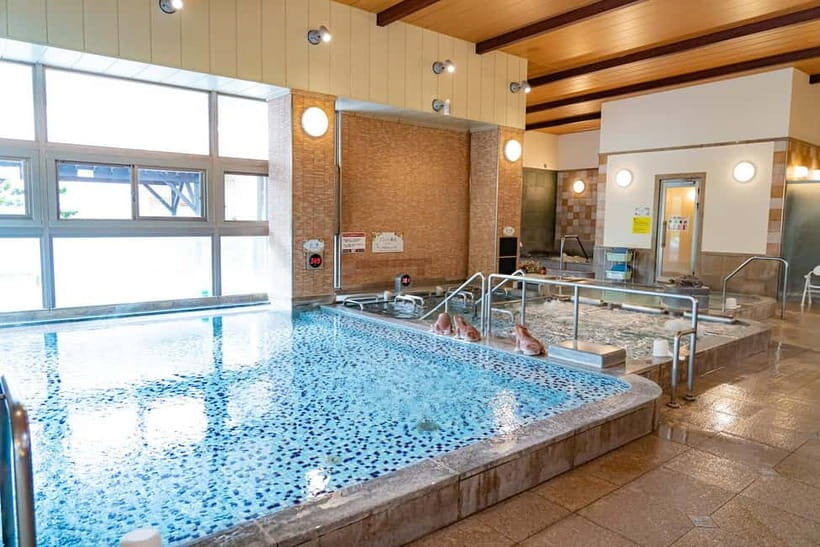
This is the kind of onsen that fits real travel life. You’re in Osaka, you’ve walked, and you want a break that doesn’t require a long lesson or a big schedule. Naniwa-no-Yu makes that easy because it’s a famous, public-bath-style spa where soaking is the point.
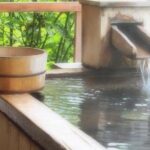
The two best parts are practical. First, you get that city view from the bath area on the 8th floor, which makes nighttime soaks feel special without needing a destination-hike vibe. Second, the water comes from deep underground and is naturally carbonated, so the experience feels more “real hot spring” than just a heated pool.
Here’s the trade-off to plan for: you can’t linger forever without thinking about your comfort level. One guest noted it was simply too hot for them and they left after about 30 minutes. That’s a fair warning—this place can deliver heat fast, especially if you’re new to onsen.
A few more Osaka tours and experiences worth a look

Where it is, when it’s open, and how the 8th-floor setup changes the vibe
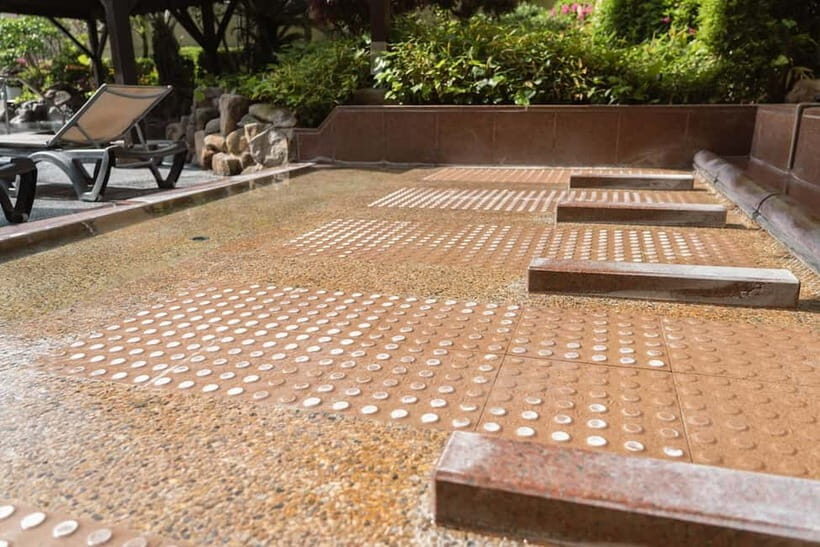
Tennen Onsen Naniwa-no-Yu is at 1-7-31 Nagara-nishi, Kita-ku, Osaka 531-0061. It’s located on the 8th floor, so even before you soak, you’re already in a different mindset than most ground-level baths. You’re not just entering a small room; you’re stepping into a city-view perspective.
Hours are generous. On weekdays, it runs 10:00 to 25:00. On weekends, it runs 8:00 to 25:00, and the last entry is 24:00 both days. In plain terms: you can go in the morning on weekends, but if you want to take your time, aim to arrive with enough buffer before the final hour.
The 8th-floor detail matters for two reasons. In the evening, Osaka’s lights can turn your soak into something calmer and more atmospheric. During the day, you still get a city view, so it doesn’t feel like you’re trapped in a steam box. Either way, the height makes it easier to enjoy a break without staring at the same wall.
The water: naturally carbonated minerals pumped from 659 meters down
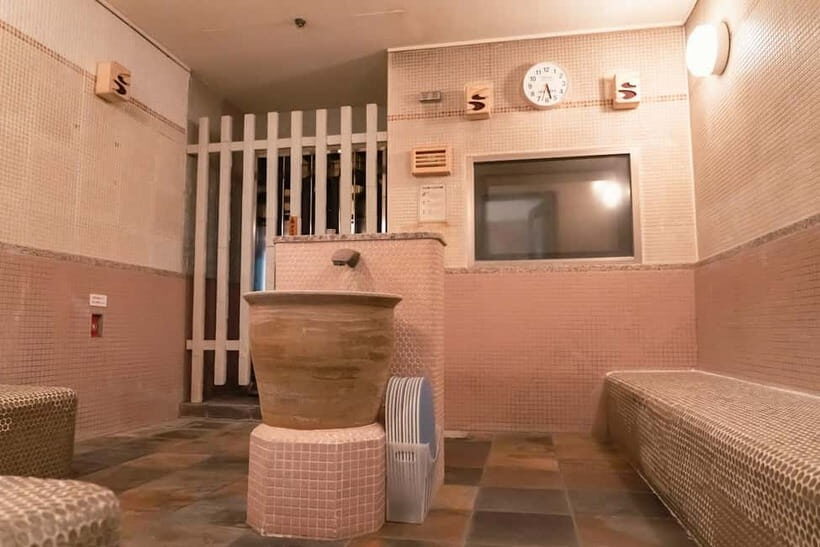
What makes Naniwa-no-Yu feel like a true onsen is the source. The naturally carbonated mineral water is pumped up from 659 meters underground. If you’ve only experienced hot tubs or heated pools, this deeper-spring detail helps explain why onsen water often feels different—more “alive,” more mineral.
You’ll also hear it described as a beauty bath. The water is said to soften the stratum corneum and emulsify secretions, based on how the minerals interact with skin. You don’t have to chase medical claims to benefit from that idea. In practice, it often translates to that post-soak comfort where skin feels smoother and your whole body feels settled.
And because it’s naturally carbonated, the feel can be more stimulating than plain hot water. That’s great if you like a bath that actually wakes you up. If you prefer gentle warmth, you may need to take things slow—start with a shorter time and adjust.
Onsen rules you should respect: shoes, tattoos, and one-ticket limits
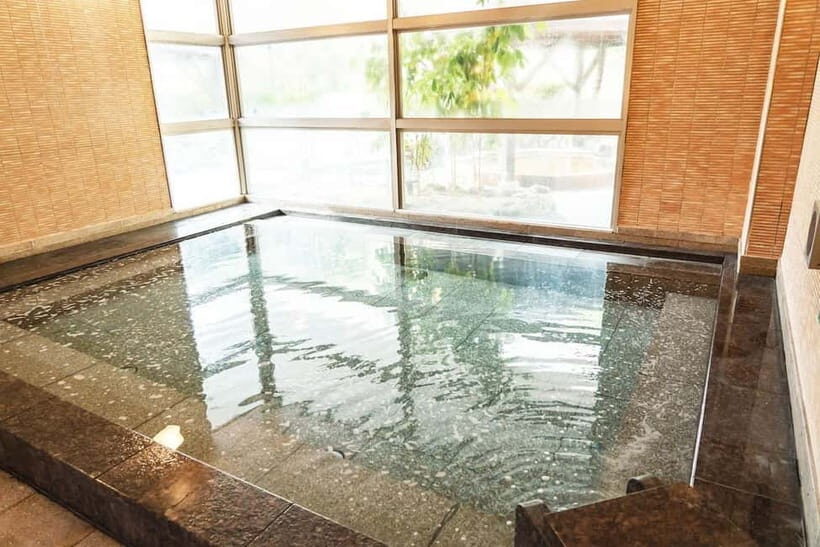
Japanese public baths have a rhythm, and Naniwa-no-Yu asks you to follow it. Shoes are not allowed, and shoes indoors are also prohibited—so you’ll be managing your feet the moment you enter. Alcohol and drugs aren’t allowed either, which is consistent with the spa calm you’re aiming for.
The tattoo rule is direct: visible tattoos are not allowed. If tattoos are part of your body plan, treat this as a make-or-break policy. Don’t count on “maybe they’ll look the other way,” because the rule is explicitly stated.
Then there’s the one-ticket reality. This is a public-bath-style hot spring, and your bath ticket can be used only once that day. If you want to go back for another soak after a break, you’ll need to purchase another ticket on-site. That doesn’t make it bad—it just means you should pick your timing like a pro.
My practical advice: decide what kind of visit you want before you walk in.
- If you want one perfect soak, this is ideal.
- If you want a long day with two bath sessions, budget for a second ticket.
What it feels like inside: your flow from check-in to soaking
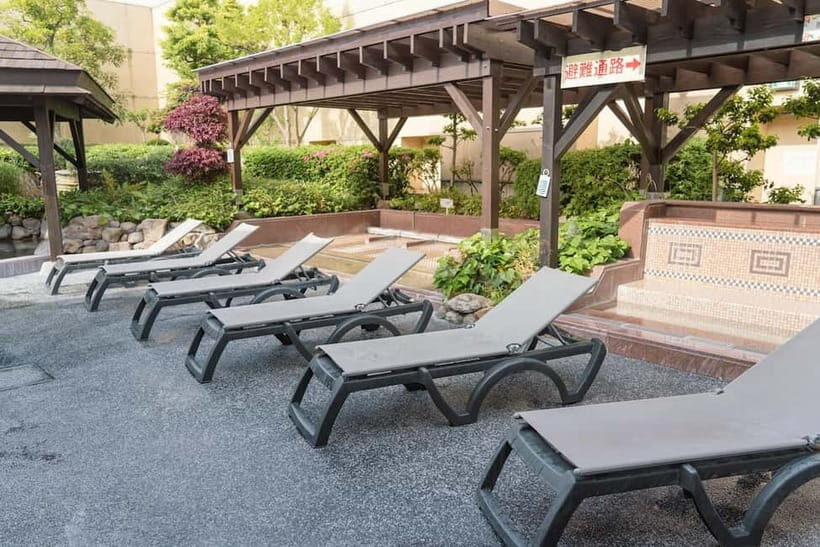
The basic flow is straightforward, which is part of the appeal for first-timers. You arrive, get your admission sorted, and then you move through the bath area rules. Because it’s a public bath-style onsen, you’ll also experience that shared-space energy—people moving with purpose, everyone focused on cleanliness and comfort.
Bathrooms in this kind of place usually follow the same logic: you wash thoroughly before you soak. The important thing here is that the onsen provides shampoo, conditioner, and body soap in the bathroom. So you don’t have to bring your whole shower kit just for that.
What you might need to plan for is the extra cost of convenience. The property lists the following bathroom-item fees:
- Towel: 150 yen
- Bath towel: 500 yen
- Hairbrush: 100 yen
- Toothbrush set: 50 yen
- Razor reset: 100 yen
So if you travel light, you can still make it work. If you hate spending money on basics, bring your own towel. Either option is fine—just know what you’re choosing.
And about the experience itself: the place is known for being clean and well maintained, and there are different features to try. That’s helpful if you’re new to onsen and want more than one moment to enjoy. One guest even called it a moment out of time, mentioning massage options—Edo and Thai—on the same floor. That’s the kind of add-on you might want to consider if you’re carrying sightseeing stress.


The city view: how to time your soak for Osaka’s best mood
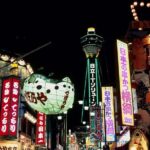
The bath is on the 8th floor, with a view of Osaka. That changes the emotional temperature of the whole experience. Instead of focusing on steam and tile, you can look out and let your brain stop scanning the next landmark.
Timing matters more than you might expect. If you go later in the day, the city view can shift toward lights and contrast—usually a more relaxing scene. If you go earlier, you’ll still enjoy the viewpoint, just with clearer daylight around you. Either works. The key is to match the mood to your day.
Also, remember last entry is 24:00. If you arrive too close to closing, you’ll feel rushed. Give yourself enough time to get settled, wash, soak, and exit calmly without cutting your visit short.
Price and value: $5 admission, plus the small extras that add up
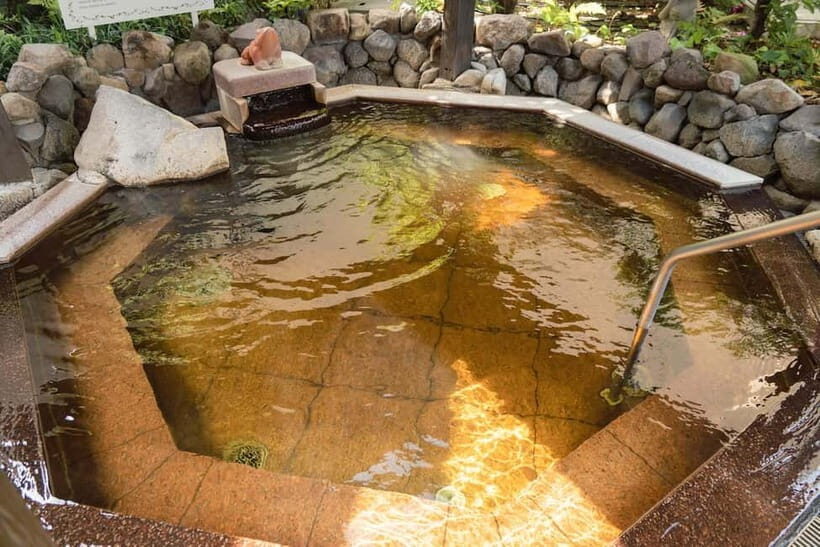
The admission price is listed at $5 per person, which is one reason this is so appealing. For that cost, you get access to a famous Osaka onsen with naturally carbonated mineral water and a city-view bath setup. That’s good value compared with many “spa-style” experiences that charge far more for less.
But here’s how the value works in real life: towels and a few personal items cost extra. You can easily pay for what you forgot, but the total depends on what you need. If you rent only a towel, you’re still doing fine budget-wise. If you also need a bath towel or replacement grooming items, it adds up faster.
There’s also a holiday-price note. The property lists holiday pricing during Bon Holiday, August 13–15, 2025. That doesn’t mean you should avoid it—it means you should expect the cost to be different during that specific window.
My simplest strategy: treat the admission as the base fare. Then decide whether you’ll:
- bring a small kit (towel + basic toiletries) to keep cost down, or
- buy convenience on-site if you’re traveling light.
Either path is normal for Japan, and the place doesn’t punish you for either choice.
First-timer comfort: heat level, crowd feel, and what to do if it’s too much
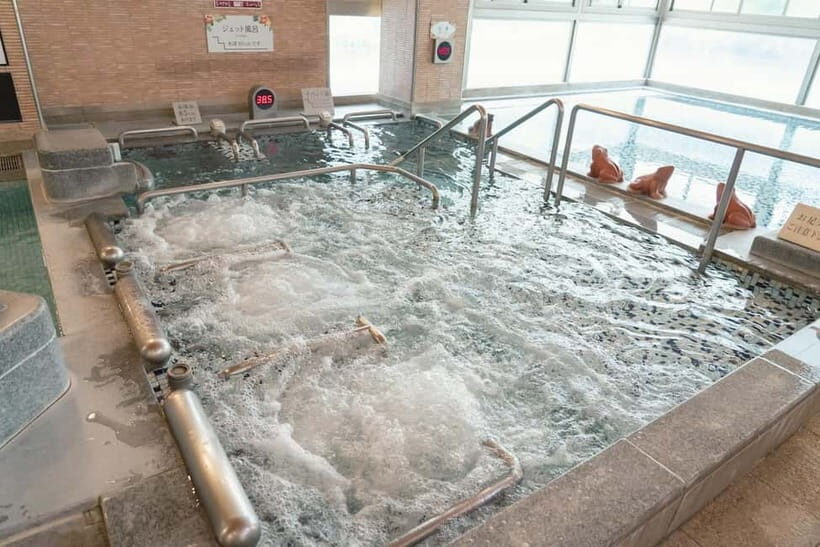
If it’s your first onsen, the most important variable is heat. One person noted it was simply too hot for them and they stayed about 30 minutes. That tells me you shouldn’t assume every body tolerates onsen temperatures the same way.
So here’s what I recommend for a comfortable first visit:
- Go with the mindset of short, adjustable soaking.
- Don’t treat the first soak like a test that you must finish.
- If you need to cool down, do it before you feel miserable.
On the crowd side, the onsen is described as clean and well maintained, with features to try and not overly crowded conditions. That matters because a relaxed environment makes the soaking benefits easier to reach. Public baths can be intense if they feel chaotic—but this one is set up to feel calm.
Family planning and kid rules: what you need to know before you bring the kids
If you’re traveling with children, you’ll want to know the specifics. Adults are middle school students and older. Children are elementary school students, and infants are children under elementary school age.
A guardian must accompany:
- children under elementary school age
- minors under 18 after 22:00
- those under 16 after 19:00
There are also specific dates when children can enjoy free bathing: March 3, May 5, July 28, and December 24–25. On top of that, children in 1st grade of elementary school have gender-separated bathing.
None of this is meant to be complicated. It’s just better to confirm your plan before you show up, especially around evening hours when the guardian rules kick in.
Should you book Naniwa-no-Yu? My practical call
Book it if you want a low-cost, classic Osaka onsen experience that’s easy to fit into a day plan. The $5 admission paired with naturally carbonated water and city views from the 8th floor makes it a strong value. It’s also a good first-ones to try because it’s clean, well kept, and built for public-bath flow rather than fancy fuss.
Skip it or think twice if any of these apply:
- You dislike very hot water and might not last through a soak.
- You have visible tattoos and won’t be able to comply with the rule.
- You’re hoping to use the ticket for multiple bath sessions without paying again—your ticket is for one use per day.
If you’re planning one relaxing stop in Osaka, this is the kind of place that can do the job fast. Get in, follow the rules, soak on your terms, and let the city view remind you you’re on vacation.
FAQ
Where is Tennen Onsen Naniwa-no-Yu located?
It’s at 1-7-31 Nagara-nishi, Kita-ku, Osaka 531-0061.
What are the opening hours and last entry time?
Weekdays are 10:00–25:00, and weekends are 8:00–25:00. Last entry is 24:00 on both weekdays and weekends.
How much does admission cost?
The price is listed at $5 per person.
Is the bath ticket valid for more than one bath?
No. The bath ticket can be used only once that day. If you want to bathe again, you’ll need to purchase another ticket on-site.
What bathroom items are provided, and what costs extra?
Shampoo, conditioner, and body soap are provided in the bathroom. Towels and items like toothbrush sets or razors are extra, with listed fees such as 150 yen for a towel and 500 yen for a bath towel.
Are shoes allowed inside the facility?
No. Shoes are not allowed, including indoors.
Are tattoos allowed?
Visible tattoos are not allowed.
Is it refundable if plans change?
This activity is non-refundable.
Can I bring children, and are there any special kid rules?
Yes, but there are specific rules for guardians and free bathing dates. Children can bathe for free on March 3, May 5, July 28, and December 24–25, and a guardian must accompany certain minors at specific times.