REVIEW · TOKYO
Tokyo: Gameboy Mod Workshop at Akihabara
Book on GetYourGuide →Operated by + Y · Bookable on GetYourGuide
Tokyo is a playground for retro gear. In Akihabara, I like that you pick your own DMG-01 parts (shell color, buttons, screen, and more) and rebuild a classic handheld with real help from the team—people like Ro, plus Gabi, Franz, and Shio san show up in the stories you’ll hear there. One thing to plan for: the workshop is on the second floor with no elevator or escalator.
This isn’t a sit-and-watch demo. You’ll get a short tech and history explanation so the build actually makes sense, then you’ll get hands-on with the disassembly and reassembly until your Game Boy works again and you can use it right away. It’s also small—limited to 4 participants—so even if you’re a total beginner, you’re not stuck staring at screws.
In This Review
- Key Points I’d Prioritize Before You Go
- A Hands-On Akihabara Workshop That Turns Into a Keepsake
- What You Actually Do During the 2 Hours
- Choosing Your Game Boy: Colors, Buttons, and Parts
- The Tech and Handheld History Talk That Isn’t Fluff
- Build Time: Disassembly, Reassembly, and Getting It Right
- Taking Home a Working Custom Game Boy (Plus the Game Shopping)
- Price and Value: Is $360 Reasonable?
- Accessibility and Practical Logistics (The Stuff That Actually Matters)
- Who This Workshop Is Best For
- Should You Book This Tokyo Game Boy Mod Workshop?
- FAQ
- How long is the Game Boy mod workshop in Tokyo?
- What is the price per person?
- How big is the group?
- What languages are available during the workshop?
- What Game Boy model do you build?
- Is the experience hands-on?
- Do you take the Game Boy home?
- Where is the meeting point?
- Is wheelchair access available?
- Is free cancellation available?
- Is there a reserve and pay later option?
Key Points I’d Prioritize Before You Go
- Small group size (up to 4) means more hands-on time and faster help if something doesn’t line up.
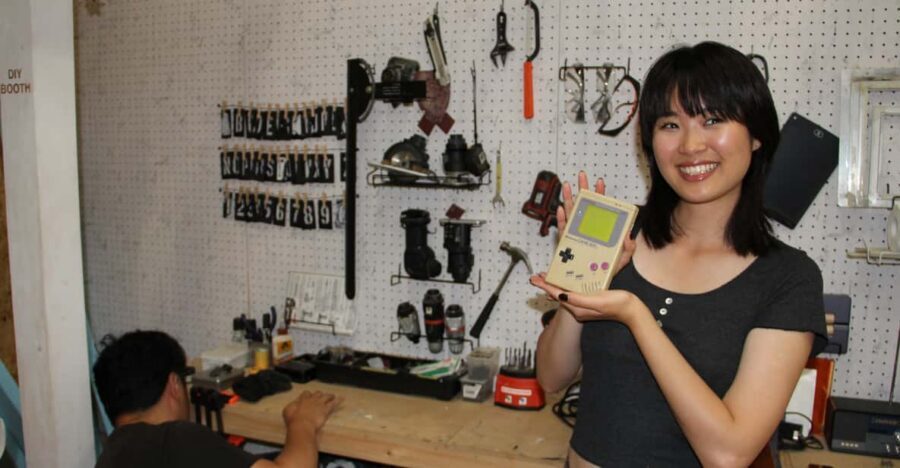
- You build a working DMG-01 Game Boy and take it home as your own custom handheld.
- High-touch personalization covers shell color, buttons, and parts choices, so you’re not forced into a preset look.
- You learn the hardware story behind the Game Boy and related handheld consoles as you work.
- You can shop games on-site after the build, with pricing that many people felt was better than other Akihabara options.
- No elevator access: it’s on the second floor of Wakita Building, so stairs matter.
A Hands-On Akihabara Workshop That Turns Into a Keepsake
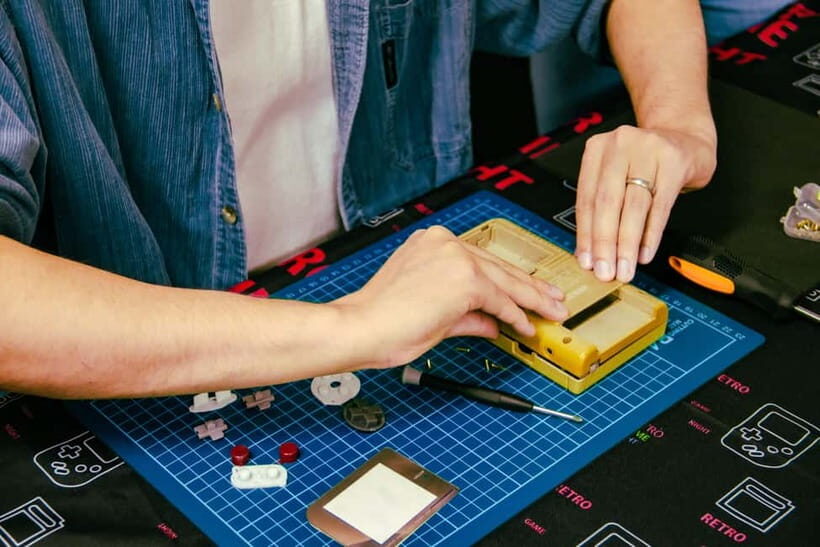
If you like Tokyo for its clever oddball side quests, this is one of them. Instead of buying a souvenir you’ll put on a shelf, you leave with a handheld you can play—built by your own hands.
The format is simple: you show up, learn the basics, pick the parts and look you want, then build your custom Game Boy from a vintage DMG-01 base. The time window is about 2 hours, and the group stays tiny, limited to 4 participants, so the “hands-on” part is real, not marketing.
One practical note right away: it’s located on the second floor of Wakita Building, and there’s no elevator or escalator. If stairs are hard for you, plan accordingly before you fall in love with the idea.
A few more Tokyo tours and experiences worth a look



What You Actually Do During the 2 Hours
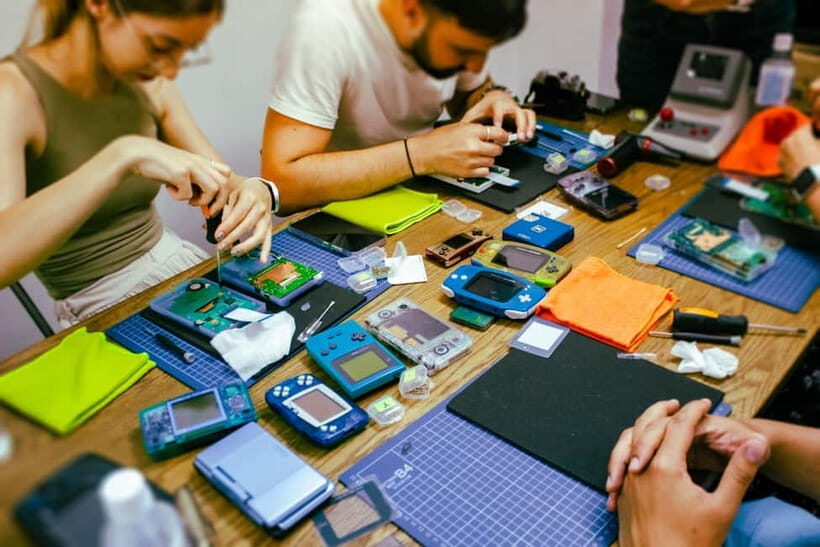
Think of the workshop like three connected phases: set-up and choices, build work, then the working handoff.
First, you’ll get help choosing your device and your customization direction. Multiple people highlight how smoothly it goes even for solo visitors, and how quickly the team steps in if you hit a snag.
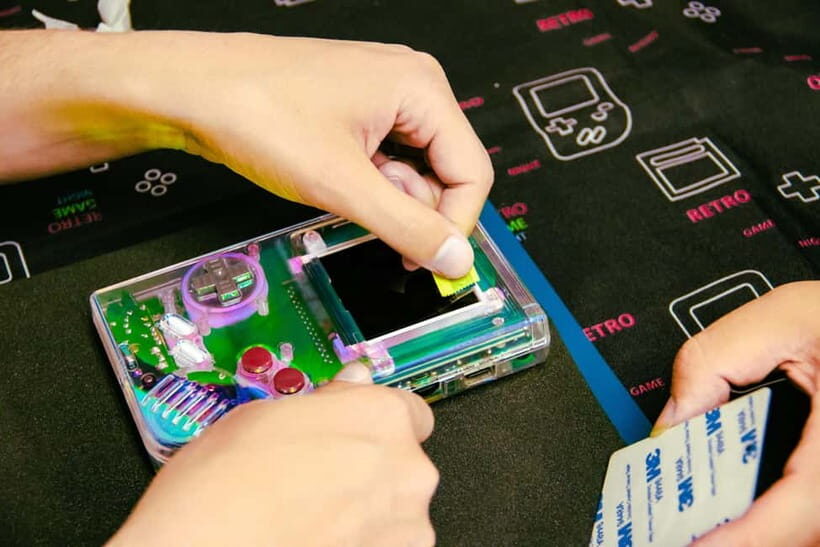
Next comes the core job: take apart and rebuild your Game Boy. You’ll swap in provided components, guided through the steps so you’re not guessing where each piece goes.
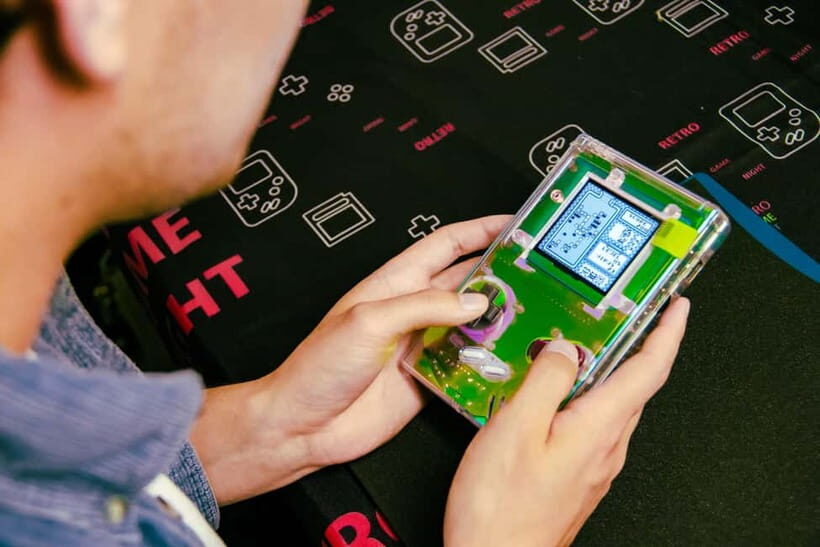
Finally, you end with a Game Boy that’s fully functioning and personalized. After that, you can also pick from the workshop’s selection of retro games and bring home more than just hardware.
Choosing Your Game Boy: Colors, Buttons, and Parts
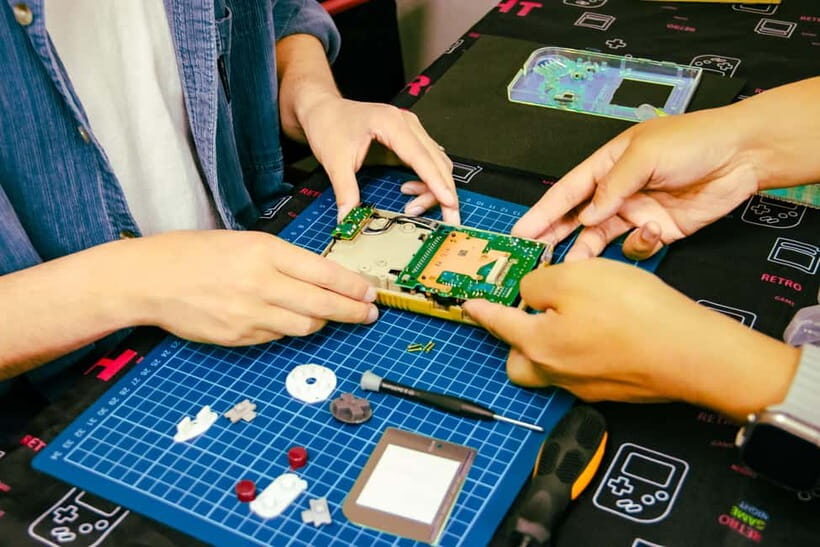
The best part of this experience is the part where it stops being generic. You don’t just get a “design your own” template. You choose real components for your build.
In the customization process, you’ll be able to pick things like:
- Screen options
- Button types and layout
- Shell/clamshell colors
- Provided parts used in the rebuild
A bunch of people mention they especially enjoyed having lots of options and time to decide. If you’re the type who panics when handed a menu, don’t worry—this is the workshop where you’re allowed to take your time picking a look.
Also, pay attention to the screen and finish. Several reviews talk about an upgraded feel, including things like an improved backlit screen and updated board elements. Translation: you’re not just reviving a 90s artifact—you’re making a modern-friendly version that’s actually easier to use on a trip.
The Tech and Handheld History Talk That Isn’t Fluff
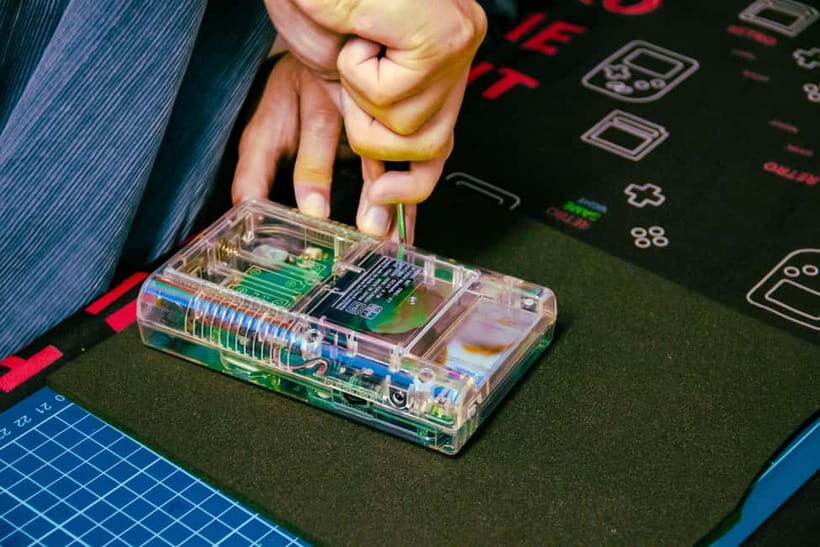
The Game Boy isn’t just a toy. It’s a piece of tech history that helped shape portable gaming. The workshop starts with a quick background talk so you understand what you’re changing and why it matters.
You’ll get the story of the Game Boy and its influence, and you’ll also learn about handheld consoles beyond just the Game Boy line. People repeatedly mention that the explanations helped them understand the different versions of Game Boys and portable systems, not as trivia, but as context.
What I like about this approach is that it makes the build feel purposeful. When you know what part does what, the screws stop being random obstacles and start being steps in a real repair/mod process.
And you can ask questions. The workshop is run by hobbyists who clearly enjoy explaining their obsession, and the vibe stays friendly rather than intimidating.
Build Time: Disassembly, Reassembly, and Getting It Right
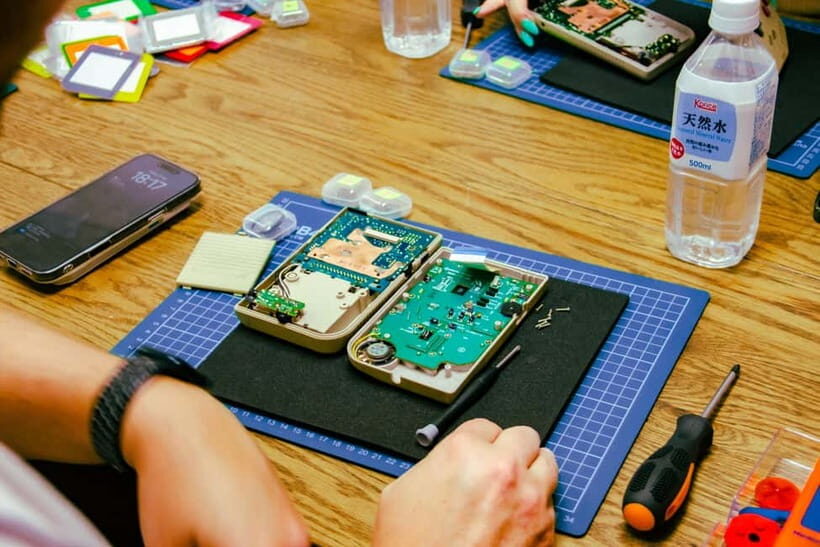
This is the heart of the experience: you take apart and rebuild a classic Game Boy, then verify everything is working.
Because the group is so small, the support feels close-up. Reviews talk about staff members stepping in fast when there’s a snag, and about the crew double-checking key parts of the process. That matters, because a mod can look straightforward until one connector or alignment is slightly off.
If you’re new to electronics, the workshop still works. Several people note that you don’t need Game Boy knowledge to participate, because instructions are clear and the team guides you step by step.
If you’re more tech-inclined, you’ll probably enjoy the “why” side even more. The hands-on time plus the explanations means you can connect the hardware details to what you’re seeing in a finished device.
The session also doesn’t feel rushed. People describe patient help and plenty of time to personalize your build, including the final checks after assembly. That’s a big deal when you’re paying for something you’ll physically own when the session ends.




Taking Home a Working Custom Game Boy (Plus the Game Shopping)
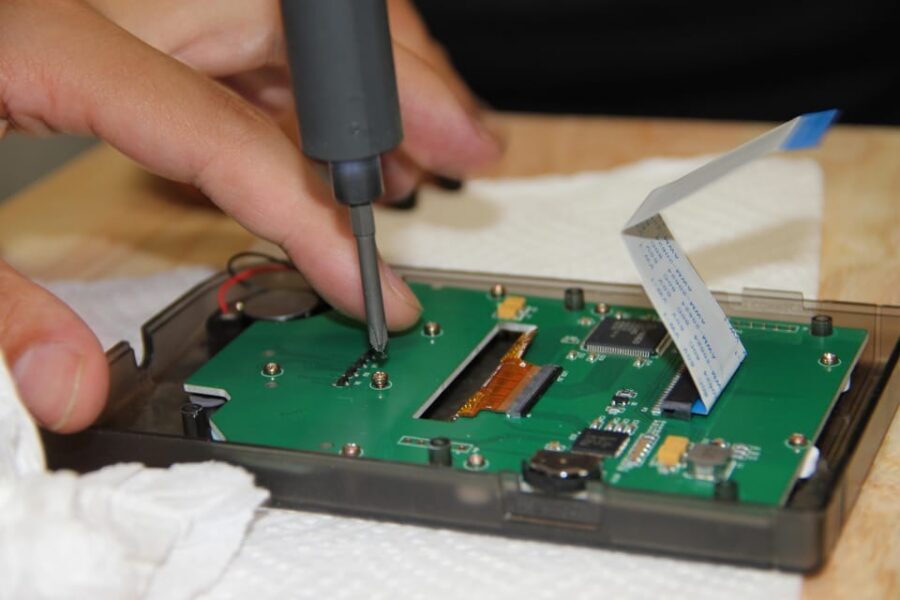
You leave with a Game Boy you assembled and customized. That’s already a value kicker because you’re not leaving with a decorative object—you’re leaving with a device you can use.
Many people also mention that they got help with selecting games afterward and that the on-site shop makes it easy to go from build to play without hunting around town. Reviews mention picking up titles after assembly, including classics like Tetris and Mario.
Price-wise, at least a few reviewers felt the game selection and/or pricing was better than what they saw at other Akihabara stores. One person even compared the cost of some titles to a major retro-shop experience and felt the workshop’s prices were meaningfully lower. I’d still sanity-check prices if you’re hunting a specific rare game, but the general impression is that the shop isn’t trying to gouge you.
Also, don’t ignore the little extras. Some reviews say they provide cases so your new Game Boy is protected and display-ready.
Price and Value: Is $360 Reasonable?
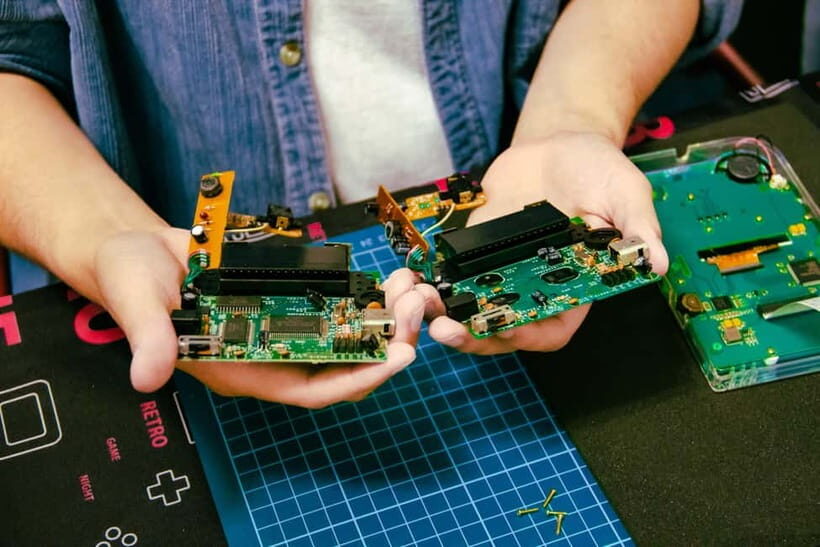
Let’s talk money. At $360 per person for about 2 hours, this isn’t a cheap Tokyo activity. You’re paying for three things at once: parts, expert assistance, and the fact that you get to take a working device home.
Here’s why it can feel fair:
- You’re building a fully functioning handheld, not just “painting a shell.”
- The workshop is small group, limited to 4, which reduces the “big class” vibe and increases staff attention.
- Sourcing enough vintage hardware and parts to run a mod workshop for a handful of people takes real logistics. The workshop setup only works if the team is constantly maintaining inventories.
Is it overpriced for someone who just wants a quick photo? Probably. But if you love retro gaming, electronics, design, or even just the idea of owning something you made with your own hands, the value gets easier to justify.
The best part is that it becomes a usable souvenir. You don’t need to “keep it pristine.” You can actually play it.
Accessibility and Practical Logistics (The Stuff That Actually Matters)
The workshop meeting point is on the second floor of Wakita Building. Follow the address to find the space, and plan time to orient yourself once you’re inside.
Wheelchair access is listed as a limitation: no elevator or escalators. If you’ll be using mobility aids or need step-free access, this is a key constraint.
On the day, wear comfortable clothes. You’ll be working at a station for the build, and you’ll likely be leaning forward for a while while placing and checking parts.
Also, if you’re staying in central Akihabara, treat this like a planned block. With only a 2-hour window, you don’t want a long detour beforehand that forces you to sprint across the neighborhood.
Who This Workshop Is Best For
This fits best if you fall into at least one of these buckets:
- You’re a Game Boy fan (even if your knowledge is light)
- You like retro tech and electronics
- You enjoy making something tangible, not just watching
- You want a unique Tokyo souvenir that gets used
It’s also a nice option for couples or small groups. One review mentions a partner getting a special gift vibe, and other comments describe people doing it solo with smooth support from the team.
If you’re traveling with kids, it can work too, as long as the child is comfortable with the idea of careful assembly. Several reviews mention parents bringing younger teens who enjoyed the process.
If you hate hands-on work, or you’re worried you’ll mess up, this might still be worth it because the staff actively helps. Just know it is real building time.
Should You Book This Tokyo Game Boy Mod Workshop?
I’d book it if you want a Tokyo activity that produces an object you’ll keep using. The combo of personalized parts, a working result, and the small-group attention is hard to beat in a city full of high-quality shopping experiences.
Book it even sooner if you love the idea of learning while you work. The workshop doesn’t treat the Game Boy like museum glass—it treats it like a machine you can understand.
Skip it if stairs are a dealbreaker for you, or if you’re strictly shopping for a low-cost activity. And if $360 feels too steep, you might consider pairing a smaller retro purchase with another Tokyo experience instead.
If you’re on the fence, ask yourself one question: do you want to play your souvenir, or just look at it? If you want to play it, this is a strong choice.
FAQ
How long is the Game Boy mod workshop in Tokyo?
The workshop lasts about 2 hours.
What is the price per person?
The price is listed as $360 per person.
How big is the group?
The group is small, limited to 4 participants.
What languages are available during the workshop?
The workshop provides instruction in English and Japanese.
What Game Boy model do you build?
You customize a vintage DMG-01 Game Boy using provided parts.
Is the experience hands-on?
Yes. You pick your own device, choose colors/buttons/parts, and then take apart and rebuild your Game Boy.
Do you take the Game Boy home?
Yes. You leave with a fully functioning custom Game Boy that you can play after the workshop.
Where is the meeting point?
The meeting point is on the second floor of Wakita Building. Follow the address to find the workshop.
Is wheelchair access available?
No. The workshop is on the second floor without elevators or escalators.
Is free cancellation available?
Yes, free cancellation is available up to 24 hours in advance for a full refund.
Is there a reserve and pay later option?
Yes, you can reserve now and pay later.