REVIEW · TOKYO
Mt.Fuji Private SightSeeing Day Tour (From Tokyo)
Book on Viator →Operated by Thetokyotravel.com · Bookable on Viator
Fuji is close enough to feel real, even when you never step onto the mountain. This private day tour is built around the best photo spots and the most Fuji-flavored stops, from the 5th Station viewpoint to Lake Kawaguchiko reflections and volcanic caves.
I especially like the pace-control you get with a private group up to 6. You’re not stuck with a rigid group schedule, and the guides/drivers named in feedback, including Moon and Imran, are praised for being comfortable, relaxed, and willing to adjust to what you want to prioritize.
One thing to think about: entry fees for most attractions are handled in different ways, and not every stop is included. If you’re budgeting tightly, check what’s covered versus what you’ll pay on-site—especially for the cave experience.
In This Review
- Quick hits: what makes this day work
- Why a private Mount Fuji day from Tokyo is worth paying for
- Fuji at the 5th Station: the viewpoint that doesn’t require climbing
- Oshino Hakkai: eight ponds, snowmelt magic, and very clear water
- Kitaguchi Hongu Fuji Sengen Shrine: cedar shade and old climbing history
- Arakura Fuji Sengen Shrine: the cherry-blossom Fuji postcard
- Lake Kawaguchiko: reflection views and easy breathing room
- Oishi Park: flowers, soft serve, and a tiny Fuji made of rocks
- Fugaku Wind Cave: the cool, volcanic stop that feels like a sci-fi detour
- What you really get for the price (and what you still pay)
- Timing, comfort, and photos: how to make the most of your one Fuji day
- Should you book this Mt. Fuji private sightseeing day tour?
- FAQ
- How long is the Mt. Fuji private sightseeing day tour from Tokyo?
- How many people are in a private group?
- What’s included in the tour price?
- Are attraction entry fees included?
- Is lunch included?
- What are the main stops on the itinerary?
- Can I cancel and get a full refund?
Quick hits: what makes this day work
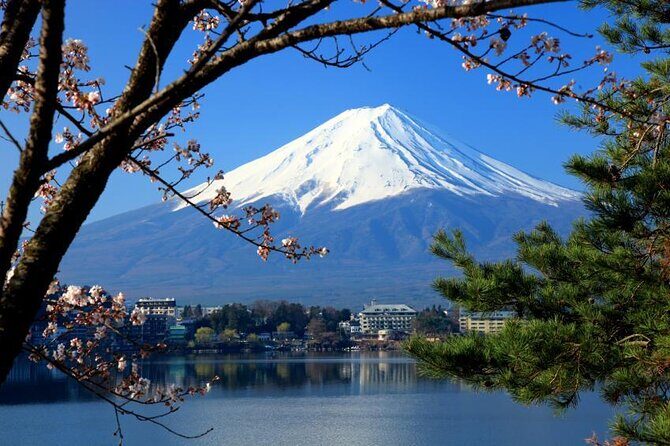
- Fuji 5th Station at 2,300m: commanding views over the Fuji Five Lakes area without needing to hike
- Oshino Hakkai’s eight ponds: clear water fed for decades by Fuji snowmelt through lava layers
- Two shrine viewpoints: Kitaguchi Hongu Fuji Sengen and Arakura Fuji Sengen with cherry blossoms in season
- Lake Kawaguchiko + Oishi Park: classic reflection angles plus a lakeside flower promenade
- Fugaku Wind Cave: a cool 3°C average even in summer, with lava features and ice pillars
Why a private Mount Fuji day from Tokyo is worth paying for
This tour is private, which is the big difference maker on a day like this. You’re essentially buying a full day of door-to-door transport, smart routing, and someone who can help you get the most out of limited time.
It runs about 10 hours, which includes driving. That matters because Mount Fuji day trips are mostly a logistics game: traffic, weather, and daylight. With a private setup, you spend less mental energy on connections and more time reacting to what the day gives you.
Price-wise, it’s $564.68 per group up to 6. That can look steep until you do the real math: you’re spreading the cost across the people who are riding with you, plus you’re paying for comfort and the included vehicle expenses (parking, fuel surcharge, highways and tolls). For couples, it can still be a splurge, but it often ends up feeling like a premium way to protect your one good Fuji day.
You can also read our reviews of more private tours in Tokyo

Fuji at the 5th Station: the viewpoint that doesn’t require climbing
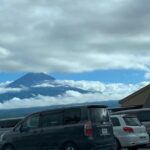
Your day starts at the Mt. Fuji 5th Station, about 2,300 meters above sea level. Even if you never plan to climb, this stop gives you that high-altitude feeling and a broad view of the Fuji Five Lakes area below.
You get about 30 minutes here, including an admission ticket. The tour note also points you toward an observation point at Komitake Shrine behind the shops, which can help you aim for views without distractions.
Practical tip: at this altitude, the air can feel different and conditions can change fast. Bring layers you can handle for cool breezes, and plan to use your time efficiently—this is one of those stops where getting your bearings quickly helps.
Oshino Hakkai: eight ponds, snowmelt magic, and very clear water
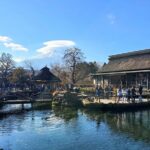
Next is Oshino Hakkai, famous for its eight ponds in a small village between Lake Kawaguchiko and Lake Yamanakako. This is one of the most scenic, low-stress stops because you’re basically walking at a human pace around calm water and traditional-looking surroundings.
You’ll have about 1 hour, and admission is free. The standout detail here is how the water works: snowmelt from Mount Fuji filters down through porous lava layers for over 80 years, creating extremely clear water that locals hold in high regard.
A quick reality check: Oshino Hakkai can feel a bit touristy since it’s well-known. The advantage of a private day is that you can still enjoy it at your own rhythm—slow down for the pond views, then keep moving before you get tired of crowds.
Kitaguchi Hongu Fuji Sengen Shrine: cedar shade and old climbing history
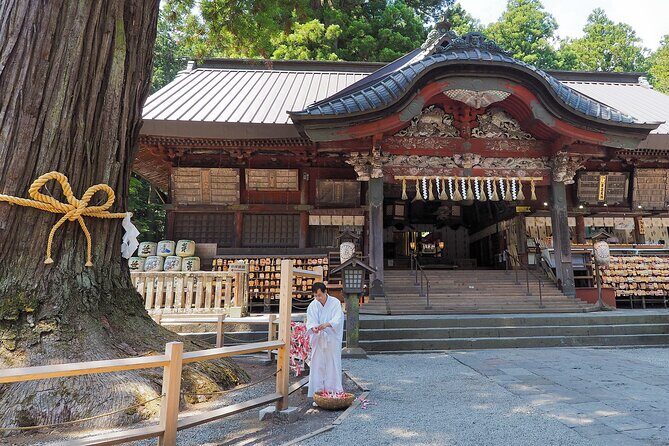
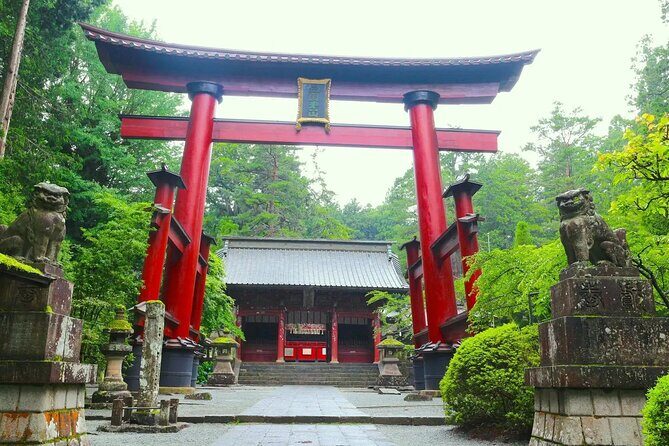
After the ponds, you head into a forested shrine approach at Kitaguchi Hongu Fuji Sengen Shrine. Historically, it used to be a common starting point for climbing Fuji from the north, so you’re stepping into a place tied to how people traveled toward the mountain long before car days and organized tours.
You get 30 minutes and admission is free. The shrine complex sits off the road with a long approach lined by stone lanterns and tall cedar trees, which is part of the charm—this feels like a short reset away from the street.
The red-painted buildings include a main hall dating to 1615, plus a dancing stage and several auxiliary buildings. If you like cultural details, this is the kind of stop that rewards a little quiet observation.
Arakura Fuji Sengen Shrine: the cherry-blossom Fuji postcard
You’ll then visit Arakura Fuji Sengen Shrine, described as established in 705 at the foot of Mount Fuji. It enshrines the god of the Kai province area (current Yamanashi prefecture), so it’s another layer of local Fuji devotion rather than just a scenic overlook.
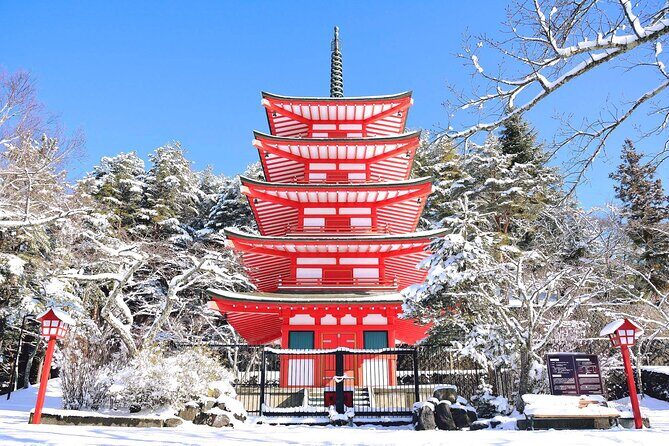
This is also a 30-minute free admission stop. The big seasonal feature: 650 cherry blossom trees bloom every spring, and you can see Mount Fuji together with the goju no to five-storied Churito pagoda.
Even outside blossom season, the view is the point. If you’re traveling in spring, plan for extra care with timing—photos can take longer than you expect, especially when you’re trying to line up pagoda silhouettes with Fuji.





Lake Kawaguchiko: reflection views and easy breathing room
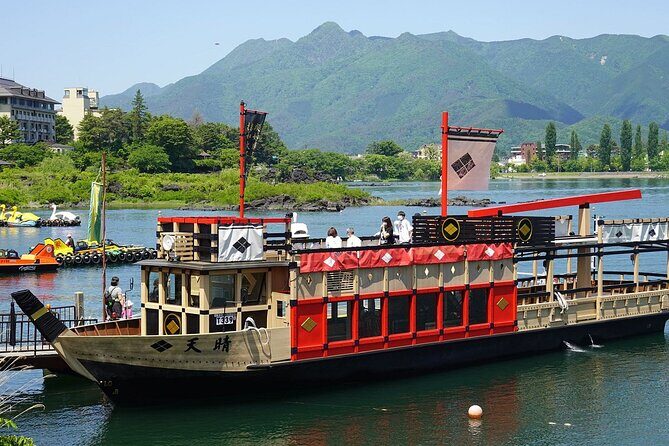
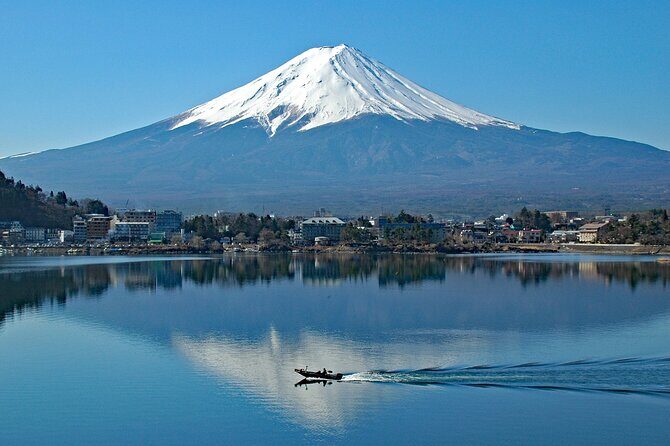
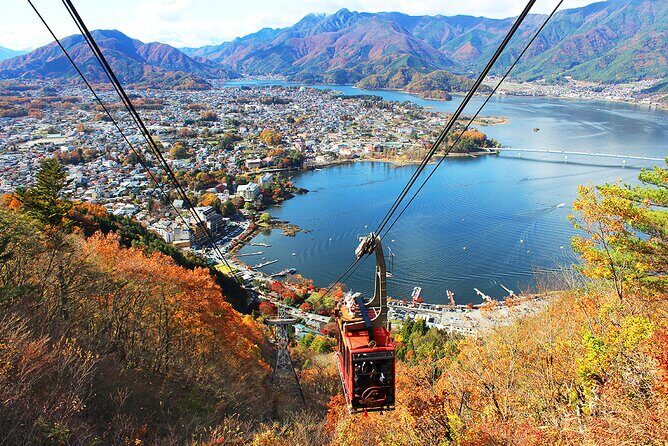
Now you reach Lake Kawaguchiko, one of the classic Fuji Five Lakes. Your stop here is about 1 hour, and admission is free, so it’s a good time to actually walk, not just park and shoot.
The tour notes that the best views are often enjoyed from the lake’s northern shores. You’ll also have time to enjoy other nearby attractions around the lake, which is where a private guide can help you pick something that matches your energy level.
If the sky cooperates, this is where the day starts to feel like the real Fuji experience—broad water, clean sight lines, and that iconic mountain shape in the distance. If the weather is less cooperative, don’t panic; you still get a calm lake atmosphere and plenty of angles to adjust from.
Oishi Park: flowers, soft serve, and a tiny Fuji made of rocks
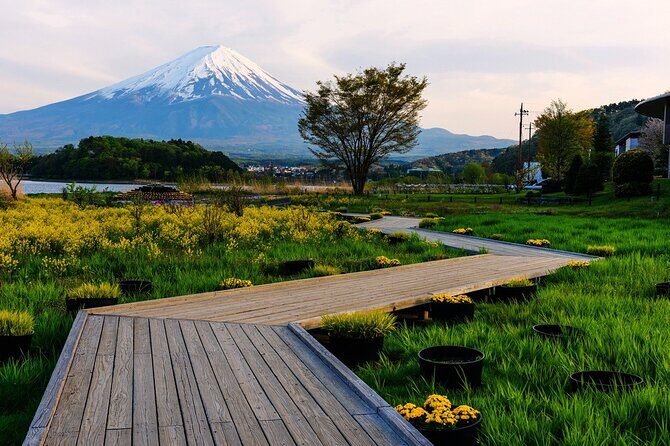
On the north shore again, you visit Oishi Park, also about 30 minutes. This spot is built for views: you get Mount Fuji and lake scenery together, plus seasonal flowers along the lakeside promenade.
Admission is free. It’s also known for charcoal cone soft serve and a small Mount Fuji replica made from 256 volcanic rocks, which is fun if you like quirky, photo-friendly details that are actually connected to the volcanic theme of the region.
Practical note: the time here is short, so pick one or two walking loops instead of trying to do everything. The private format helps, but your best results come from focusing your attention: view first, then wander for the little rewards.
Fugaku Wind Cave: the cool, volcanic stop that feels like a sci-fi detour
Next is Fugaku Wind Cave, inside the greenery of the Aokigahara Jukai forest area. This is where the day shifts from postcard views to something more physical and surprising: a lava tube cave with volcanic features.
You’ll spend about 30 minutes, but admission is not included. The cave is cool even in summer, with an average temperature around 3°C, and the tour notes lava shelves, rope-like lava formations, and ice pillars that don’t melt even in summer.
Bring a jacket even if the day feels warm outside. A 3°C cave can be a quick way to change your mood from excited to shivery, and you’ll enjoy it more if you’re comfortable.
Ice Cave detail: your tour overview also mentions an Ice Cave experience, but it’s not clearly listed as a separate timed stop here. When you book, check whether your exact itinerary includes the Ice Cave in addition to Fugaku Wind Cave.
What you really get for the price (and what you still pay)
For many people, the value is in the combination: you’re paying for a private vehicle day plus real access to Fuji-area sights without having to manage the driving yourself.
Included items on this tour include bottled water, WiFi on board, an air-conditioned vehicle, parking fees, fuel surcharge, and highways/tolls. Those last items sound boring, but they matter on a day trip where the car costs can add up fast.
What’s not included: lunch and entry fees of attractions. Some stops are free (like Oshino Hakkai, both shrines, and Lake Kawaguchiko/Oishi Park in the itinerary details), while the cave has a ticket not included. That mix is pretty common in Japan, but it’s still smart to budget a bit.
Lunch note: lunch isn’t included, and there’s a mention of Renge Ramen as an option around the Lake Kawaguchiko or Oshino Hakkai area. If you want ramen, I’d treat it as a plan to confirm with your driver/guide so you end up somewhere that works for your timing.
Timing, comfort, and photos: how to make the most of your one Fuji day
Your biggest control lever is weather and daylight. Fuji days are famous for clear-sky luck, so I’d show up expecting changes. Bring a light rain layer just in case, and keep your schedule flexible in your head.
In terms of comfort, the tour’s air-conditioned vehicle and bottled water help a lot on a long day. The feedback also highlights that guides/driver like Moon and Imran are comfortable, relaxed, and willing to adjust around what you care about—comfort and timing seem to be the theme.
For photos, don’t just think about the mountain. Each stop is different:
- 5th Station is high and wide
- Oshino Hakkai is reflections and detail
- Shrines add red-and-cedar atmosphere and viewpoints
- Lake Kawaguchiko and Oishi Park focus on the Fuji silhouette over water
- Fugaku Wind Cave is texture and temperature, not just views
And one more thing: plan to buy snacks only if you truly need them. The tour provides bottled water, and the day’s stops are clustered around where you can fill gaps.
Should you book this Mt. Fuji private sightseeing day tour?
Book it if you want an efficient, comfortable Fuji day without the hassle of driving yourself, especially if you’re traveling in a group of up to 6. The private format is the selling point: you get to focus on the scenery and the stops that match your interests, and the operation has been praised for guides/driver quality—names like Moon and Imran come up in feedback.
Skip it or reconsider if you’re on a very tight budget for entrance fees and you don’t want to pay extra for the cave and your own lunch. Also, if you’re traveling solo and expecting a cheap alternative to public transit, this is priced as a premium day.
If you’re trying to make one Tokyo-based day feel like a real Fuji visit, this route hits the main emotional notes: altitude views, water clarity, shrine atmosphere, lake reflections, and volcanic cool-down time in the cave.
FAQ
How long is the Mt. Fuji private sightseeing day tour from Tokyo?
The tour runs for about 10 hours, including travel time.
How many people are in a private group?
It’s a private tour for your group, with a maximum group size of up to 6 people.
What’s included in the tour price?
The price is listed per group, and the tour includes bottled water, an air-conditioned vehicle, WiFi on board, parking fees, fuel surcharge, and highways and tolls.
Are attraction entry fees included?
Entry fees are not included for attractions in general. In the itinerary details, Mt. Fuji 5th Station includes an admission ticket, Oshino Hakkai and several other stops show free admission, while Fugaku Wind Cave admission is not included.
Is lunch included?
No. Lunch is not included, and the tour notes a ramen option at Renge Ramen in the Lake Kawaguchiko or Oshino Hakkai area.
What are the main stops on the itinerary?
The key stops listed are Mt. Fuji 5th Station, Oshino Hakkai, Kitaguchi Hongu Fuji Sengen Shrine, Arakura Fuji Sengen Shrine, Lake Kawaguchiko, Oishi Park, and Fugaku Wind Cave.
Can I cancel and get a full refund?
Yes. You can cancel up to 24 hours in advance for a full refund. If you cancel less than 24 hours before the start time, the amount paid won’t be refunded.