REVIEW · TOKYO
Tokyo: Learnt to cook Bento, Oyakodon and More!
Book on GetYourGuide →Operated by Alleyway Gourmet Lab · Bookable on GetYourGuide
Cooking in Tokyo, hands-on style, beats watching. You get practical Japanese home cooking with a local instructor, plus cultural context tied to each dish. I like that this is a small group class limited to 6, and that you leave with detailed recipes you can actually use at home. One thing to consider: it is not suitable for many diets and for people with certain allergies.
The secret sauce here is not fancy ingredients. It’s learning the fundamentals of Japanese cooking—like dashi broth—using simple, common ingredients and clear guidance. I also love the way the instructor answers questions with confidence in class languages (English or Japanese), which makes it feel friendly instead of intimidating. A possible drawback is that you won’t have cooking translation support outside English or Japanese.
If you want a Tokyo food experience that feels like learning a skill, not just eating food, this is a strong pick. You’re working step by step, with a modern, clean kitchen setup and gear provided so you can focus on cooking. Just be ready for a cooking-focused session—no extra meal planning help beyond what you prepare in class.
In This Review
- Key takeaways
- Getting oriented at Alleyway Gourmet Lab (and what makes the setup good)
- The heart of the class: learning Japanese home cooking, not restaurant tricks
- Bento cooking: how to think like a Japanese home cook
- Oyakodon: comfort food technique with a flavor backbone
- Miso soup and dashi: the detail that makes everything taste Japanese
- Culture moments: why the dishes matter, not just how to cook them
- What happens during the two hours (and how to get the most out of it)
- Price and value: is $83 for Tokyo cooking class fair?
- Who should book (and who should skip)
- Take-home payoff: recipes, souvenir surprises, and cooking confidence
- Quick practical checklist before you go
- Should you book Tokyo: Learn to cook Bento, Oyakodon and More?
- FAQ
- What is the duration of the Tokyo cooking class?
- Where is the meeting point?
- How many people are in the group?
- What languages are offered?
- What dishes will I learn to cook?
- Is transportation included?
- Are meals included?
- What should I bring?
- Do they provide equipment and ingredients?
- What dietary restrictions or allergies should I be aware of?
Key takeaways
- Small group size (max 6) means you can ask questions and get personal coaching instead of watching from the side.
- Instructor Yuki’s English is strong, and she’s known for being kind, competent, and quick to answer follow-ups.
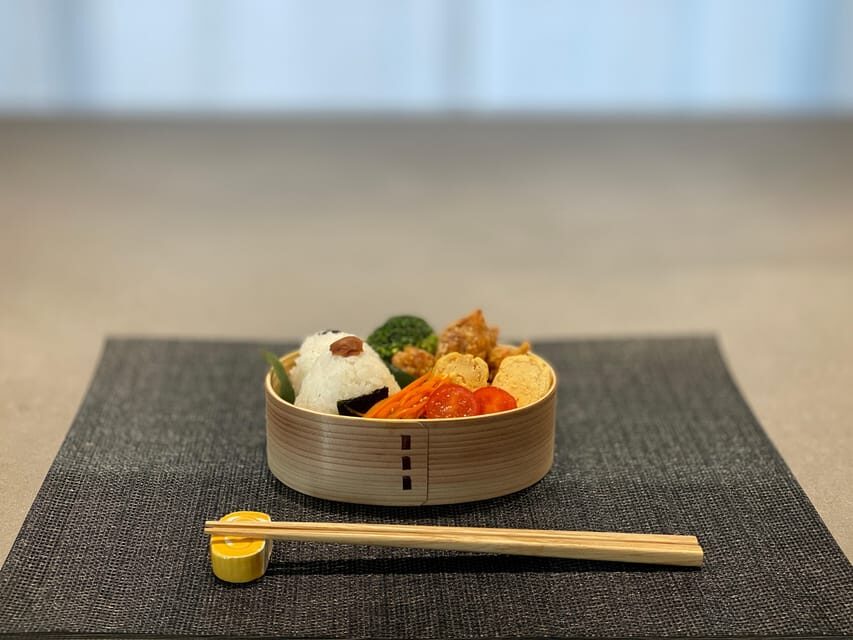
- You learn Bento basics plus classic home dishes like Oyakodon and miso soup.
- Dashi broth know-how matters because it shows up in more than one dish and makes your results taste right.
- Recipes to take home help you repeat the same flavor and technique after you get back.
Getting oriented at Alleyway Gourmet Lab (and what makes the setup good)
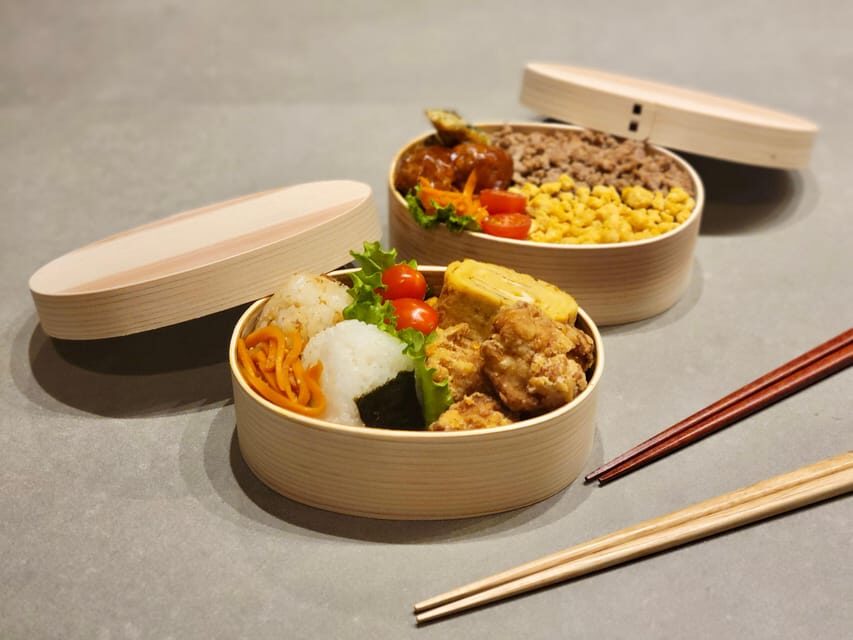
This class meets at Alleyway Gourmet Lab in a four-story gray building. You turn into the alley, look for the building on the right, then go to the door on the right with the sign and head upstairs to the 2nd floor. It’s the kind of meeting point that’s easy once you’re there, but a little tricky at first if you rush.
What I like about the logistics is that it’s designed for focus. You’re asked to wear comfortable clothes, and you don’t need to bring your own kitchen tools. They provide a rental apron and towel, and you’ll use indoor shoes/slippers instead of your outdoor footwear. That reduces the usual travel-class stress: figuring out what to carry, where to put it, and whether you’ll look out of place.
The kitchen environment is also part of the value. One review highlights that the space is clean, modern, and elegant, and that kind of setup matters when you’re cooking Japanese home food where timing and cleanliness really pay off. You can concentrate on technique instead of worrying about the room.
You can also read our reviews of more tours and experiences in Tokyo.



The heart of the class: learning Japanese home cooking, not restaurant tricks
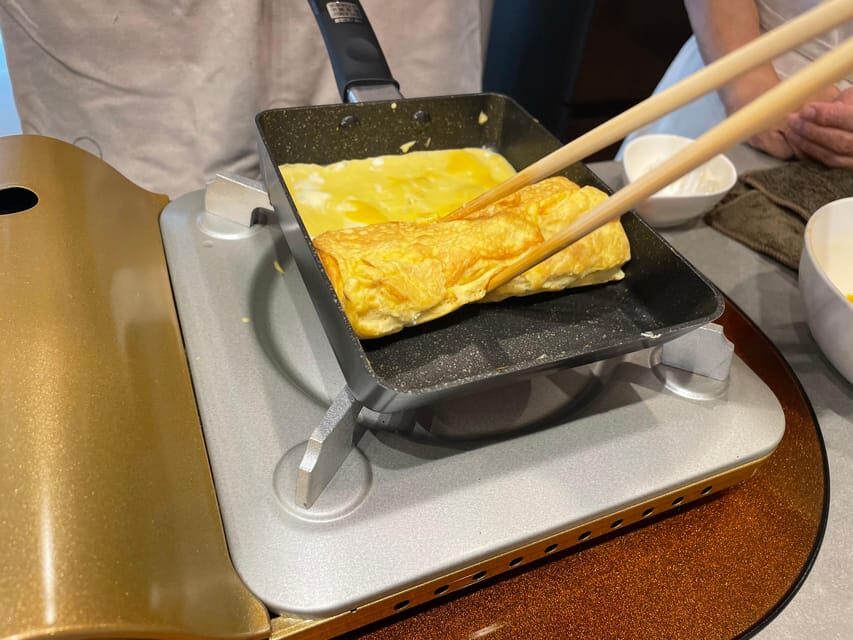
The promise is Japanese home cooking with a local instructor, and that framing is exactly what makes this class worth your time. Restaurant food can be impressive, but home cooking is what gives you the “oh, that’s why it tastes like that” moment.
In practice, you’re working hands-on through classic dishes. The class name includes Bento and Oyakodon, and the experience also includes dishes like miso soup. A review specifically calls out learning the dashi broth needed for both miso soup and oyakodon, which is a big deal. Dashi is not hard in theory, but it’s easy to get wrong in real life if you don’t learn the right approach.
Because the class is small (6 people max), the instructor can tailor pacing to the group and give direct tips when you get stuck. Reviews praise how confidently the instructor handles questions and how strong her English is, including follow-up questions. That’s important for beginners—because you don’t want to worry you missed a step.
Bento cooking: how to think like a Japanese home cook
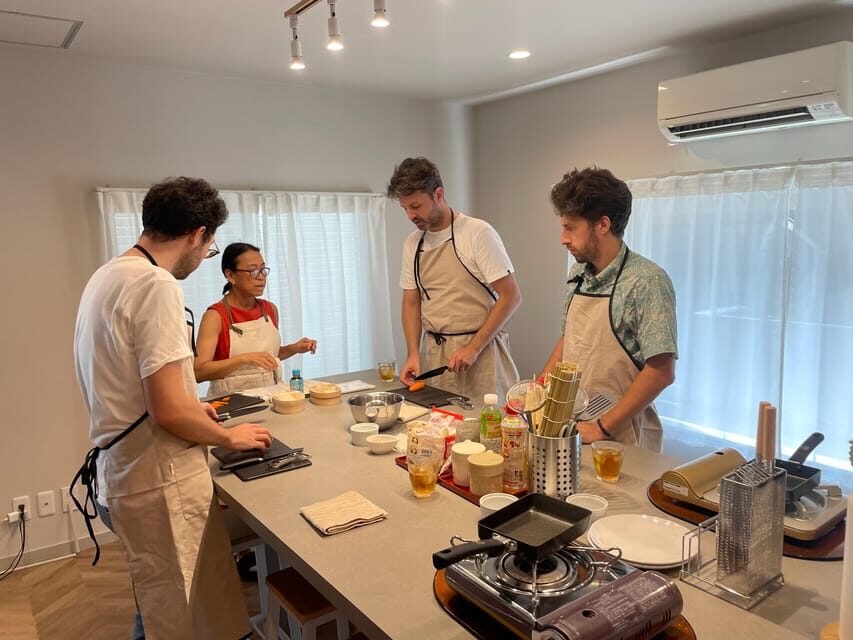
Bento is more than lunch. It’s planning. Portioning. Texture. Balance. And in a cooking class setting, it’s also a practical way to learn Japanese flavor foundations without needing a full feast.
Even when you’re not making a complicated multi-course spread, Bento teaches you how Japanese home cooking thinks:
- You manage multiple components.
- You pay attention to the way flavors sit together.
- You aim for a result that looks clean and intentional.
This class includes Bento as a main focus, and you’ll learn traditional Japanese dishes using simple ingredients. That matters because you’re not just collecting recipes; you’re learning a repeatable method. When you go home, you can swap in what you can find at a normal grocery store and still get the right feel.
A tip that’s worth keeping in mind for Bento at home: the goal is consistency. If your sauce is too thin or your seasoning is uneven, the whole box reads off. A good class teaches you not only what to do, but what “right” looks like while you cook.
Oyakodon: comfort food technique with a flavor backbone
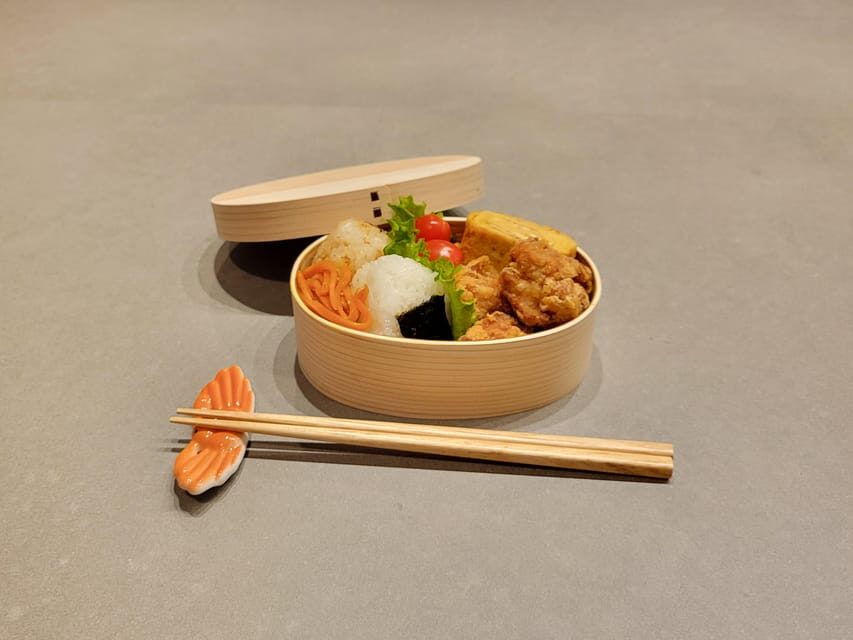
Oyakodon is chicken and egg simmered together, usually with a savory-sweet base. The part that often trips people up at home is the balance—too watery and it tastes flat, too reduced and it gets heavy.
This class gives you the chance to learn it through real cooking steps, not vague instructions. And the biggest skill you’ll likely take away is how the flavor builds from the broth. That’s where the dashi learning becomes useful again.
One review mentions learning dashi broth specifically for use in oyako don. That tells you something important: the class is teaching ingredients as a system. You’re not memorizing one dish in isolation. You’re learning how core Japanese flavor components carry over.
Also, Oyakodon is a great “confidence dish.” It’s homey and forgiving compared with dishes that require delicate knife work or advanced pastry skills. If you’ve ever cooked chicken and egg and felt like it didn’t taste Japanese, this kind of class can fix that.
Miso soup and dashi: the detail that makes everything taste Japanese
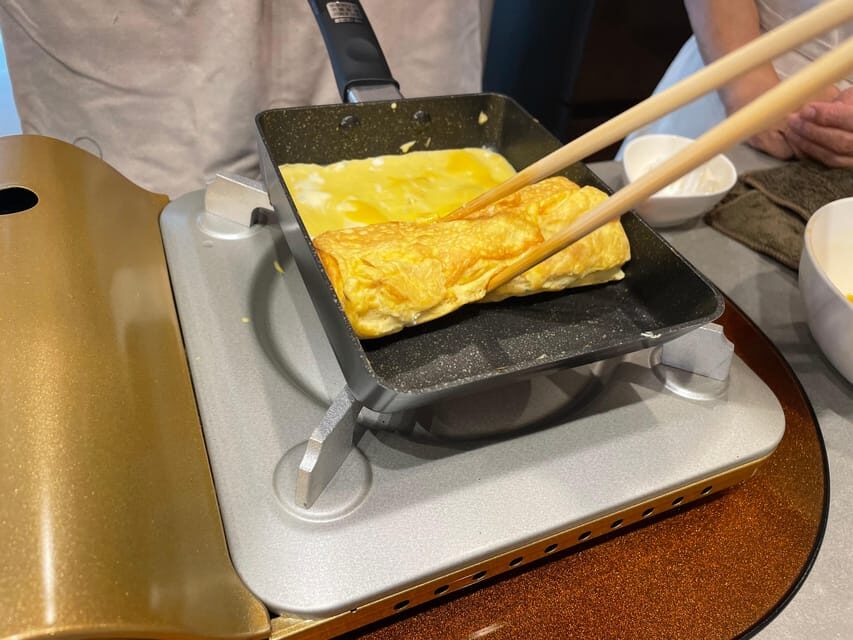
If I had to pick the single most valuable takeaway skill here, it’s dashi. Dashi is the foundation for a lot of Japanese home cooking, and learning it correctly helps you upgrade everyday meals without extra effort.
Miso soup is often seen as simple. It is simple. But simple doesn’t mean “automatic.” The difference between bland and good miso soup is usually timing and handling. Dashi affects everything downstream, including how the miso tastes when you stir it in.
A review highlights learning the dashi broth needed for both miso soup and oyako don, and that kind of cross-application is exactly what you want from a two-hour class. Instead of learning one dish end-to-end, you learn a core piece of flavor craft that gets reused.
If you like the idea of cooking Japanese food that tastes consistent rather than random, dashi practice is your path. It also makes your take-home recipes more useful, because you’re not just following steps—you understand why the steps matter.






Culture moments: why the dishes matter, not just how to cook them
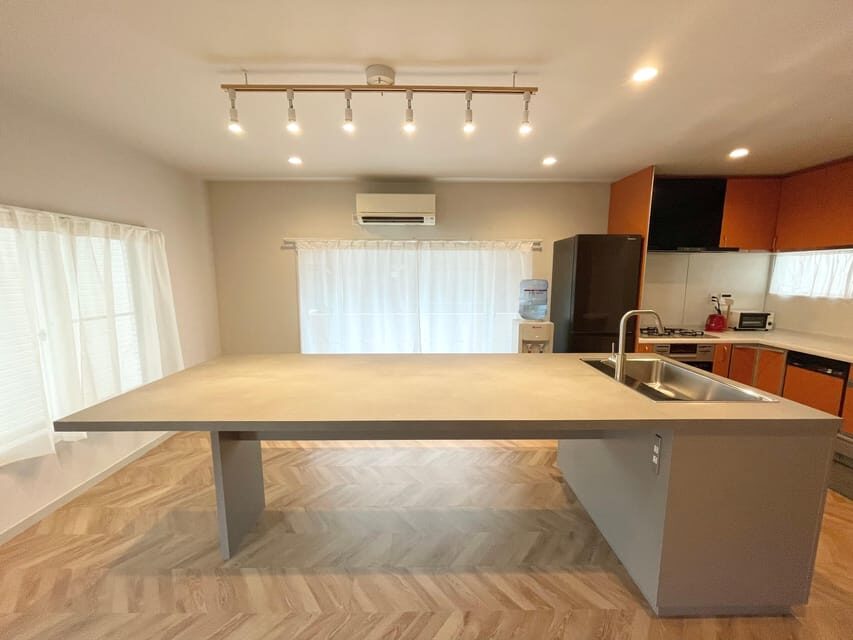
This class doesn’t treat cooking as isolated instructions. It adds insight into Japanese culture and customs, and it connects that context to the significance of each dish.
That matters for two reasons. First, it helps you understand the logic of the food—why Bento planning matters, why seasonal thinking shows up in home cooking, and why certain techniques are standard. Second, it makes the experience feel less like a “factory class” and more like learning how locals eat and cook.
You’ll also get guidance on customs during the class. That doesn’t mean you need to know everything before you start. It means when you ask questions, you’re getting explanations tied to real life habits. Reviews praise the instructor’s competence and confidence, which makes these cultural notes feel integrated rather than awkward extras.
And yes, there’s a little fun factor. Included in the class is a Japanese souvenir with surprise contents. That’s not the main reason to book, but it adds a nice “I’m leaving with something” feeling beyond the recipes.
What happens during the two hours (and how to get the most out of it)
You should expect a compact, hands-on session. The duration is 2 hours, and the class is designed so you actively participate every step of the cooking process. That’s a good sign if you hate “watching only” experiences.
Because the class is limited to 6 people, you can ask questions without feeling like you’re holding up a tour group. Reviews mention the instructor’s strong English and her ability to answer questions confidently, including follow-ups. That’s a practical comfort if you’re unsure about measurements, technique, or substitutions.
Here’s how to get the most value from this kind of class:
- Listen for small technique cues, especially around broth and seasoning.
- Ask what to look for while cooking (not just what to do).
- Take notes on dashi and how it’s used across dishes.
Also, since meals are not included as an outside add-on, treat the class as where the food learning happens. The focus is on what you prepare during the session, and the key output you take home is practical: detailed recipes.
Price and value: is $83 for Tokyo cooking class fair?
At $83 per person for a 2-hour class, this isn’t a “cheap and cheerful” workshop. But it also isn’t overpriced for what you get.
Here’s what you’re paying for, in plain terms:
- A hands-on class with a local instructor.
- Small-group attention (max 6), which usually increases the quality of feedback.
- Ingredients and equipment provided so you’re not juggling grocery lists and extra tools.
- Detailed recipes to recreate the dishes at home.
- A rental apron and towel.
- A Japanese souvenir with surprise contents.
If you tried to recreate these dishes alone, you’d still need ingredients (and potentially at least some special items for dashi/miso). If you tried to learn from videos, you’d still likely struggle with timing and balance. The “value” here is that you get guidance while you cook, plus repeatable instructions afterward.
So I’d frame it like this: the price makes sense if you want to bring home real skill, not just photos. If you’re primarily looking to eat a lot, you might consider that meals/snacks beyond what’s prepared during class are not included.
Who should book (and who should skip)
This class is a strong fit for:
- Beginners who want clear steps and an instructor who can explain and answer questions well.
- Couples or friends who enjoy structured, hands-on learning.
- People who want Japanese home cooking they can repeat at home, especially if you’ve struggled with broth-based flavor.
It may not be a good fit for:
- Vegans and vegetarians (the class is not suitable for them).
- People with food allergies, gluten intolerance, or nut allergies (not suitable).
- People with a cold (not suitable).
- Children under 6, people under 3 ft 9 in (120 cm), and people over 80 (not suitable).
- Wheelchair users (not suitable).
If you’re deciding and you’re not sure where you fit, the safest approach is to check dietary constraints and health limits before you book. This is a cooking class where ingredients and technique matter, so the restrictions aren’t a minor detail.
Take-home payoff: recipes, souvenir surprises, and cooking confidence
The best part of a cooking class is what still works after your jet lag fades. Here, you get detailed recipes to take home, which turns the session into something you can replay.
And because the class teaches core techniques like dashi, your results at home should feel more stable. You’re not just copying one dish; you’re building a small “Japanese pantry skillset” that makes multiple meals easier.
Then there’s the souvenir: you get a Japanese souvenir included, but the contents are a surprise. That’s a small but fun bonus and a nice reminder that you experienced something specific to Japan, not a generic cooking workshop.
Quick practical checklist before you go
Plan simple:
- Wear comfortable clothes. You’ll be standing and moving during cooking.
- Expect indoor slippers or slip-on footwear rules: shoes are not allowed indoors.
- Skip strong fragrances and plan no smoking or vaping.
- Leave pets at home (assistance dogs are allowed).
- Don’t bring weapons or sharp objects.
If you have dietary restrictions or allergies, treat that as a first-check item. The class is not suitable for several dietary situations, so it’s worth verifying your needs match their limits.
Should you book Tokyo: Learn to cook Bento, Oyakodon and More?
Book it if you want a real skill in a short time: Bento-style thinking, Japanese home-dish basics, and especially dashi-driven flavor. The strongest reasons are the small group size, the instructor’s confidence and English strength, and the fact that you leave with detailed recipes you can redo at home.
Skip it if you need a class designed for vegans/vegetarians, if you have allergies or gluten or nut restrictions, or if you’re looking for a meal-focused experience rather than cooking practice. Also skip if you’re currently sick—you’ll be asked not to attend with a cold.
Bottom line: if you want to cook Japanese home food with guidance and walk away with repeatable results, this one is a solid choice.
FAQ
What is the duration of the Tokyo cooking class?
The class lasts 2 hours.
Where is the meeting point?
You meet at Alleyway Gourmet Lab. Turn into the alley and look for the four-story gray building on the right. Use the door on the right with the Alleyway Gourmet Lab sign, then go to the 2nd floor.
How many people are in the group?
The class is limited to a small group of 6 participants.
What languages are offered?
The instructor can teach in English or Japanese.
What dishes will I learn to cook?
You’ll learn to make Bento and Oyakodon, and the experience also includes learning miso soup and dashi broth.
Is transportation included?
No. Transportation is not included.
Are meals included?
Meals are not included. The class does not list additional meals or snacks outside of what is prepared during the class.
What should I bring?
Wear comfortable clothes. The class provides an apron and towel.
Do they provide equipment and ingredients?
Yes. All cooking ingredients and equipment are included for the class. Personal cooking tools are not provided.
What dietary restrictions or allergies should I be aware of?
The class is not suitable for vegans or vegetarians, and it is not suitable for people with food allergies, gluten intolerance, or nut allergies. It also notes that people with a cold should not attend.