REVIEW · KYOTO
Experience a tea ceremony in an authentic tearoom, in Kyoto!
Book on Viator →Operated by Japanese Cooking Class Roujiya · Bookable on Viator
Kyoto’s tea ceremonies can feel like a time machine. This one happens in a 130-year-old townhouse, tucked away in a quieter Kyoto neighborhood, and you get hands-on with matcha in a session that’s about 45 minutes. I like the calm, unhurried pacing and the way the host walks you through both the meaning and the technique. One possible drawback: it’s short, and you’ll taste only a small amount of sweets—so don’t come expecting a long, formal, full-blown performance with extras like kimono styling.
What makes this worth your time is how practical it is. You watch a demonstration, then you make your own matcha, plus you get tips for enjoying tea at home without needing the full tea setup. You’ll also get dried sweets, served as part of the ritual (a wasanbon style sweet is mentioned as the type used). Still, if you’re mainly chasing a flashy tourist experience, the lesson vibe may feel a bit like class—just a very pretty, peaceful one.
Small groups (up to 10) keep the whole thing personal. In past sessions, people also mention the host’s English is strong and that the atmosphere is welcoming and serene—often with just a few family members in the room. If you have knee issues, plan for traditional sitting, but a stool has been mentioned as available when needed.
In This Review
- Key highlights worth planning for
- Entering a Kyoto townhouse tea room from the garden
- The 45-minute flow: sweets, demonstration, then you make the tea
- Matcha tasting tips that make the drink feel less mysterious
- What the setting and host style do for your comfort
- Price in Kyoto terms: what you’re paying for at $39.63
- Who this tea ceremony suits best (and who might want a different option)
- Getting there near public transportation in Nakagyo Ward
- Quick expectations checklist before you go
- Should you book this Kyoto tea ceremony?
- FAQ
- How long is the tea ceremony experience?
- What is the group size limit?
- Where is the meeting point in Kyoto?
- Do I get a mobile ticket?
- Will I get to make matcha myself?
- Is there food or sweets included?
- Is this suitable for beginners?
- Will I learn how to enjoy matcha at home without utensils?
- What if I have trouble sitting in a traditional way?
- What is the cancellation and refund rule?
Key highlights worth planning for
- A real Kyoto townhouse setting (about 130 years old), not a showroom space
- You make matcha, not just watch it happen
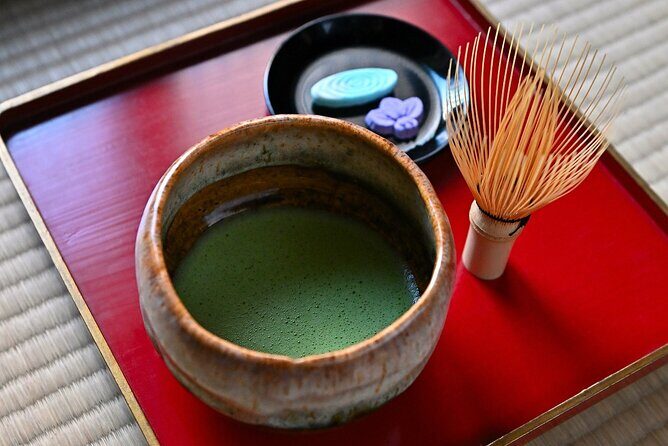
- Wasanbon-style dried sweets and matcha paired in a simple ritual
- Beginner-friendly instruction, including how to appreciate and drink matcha
- Small-group format (max 10) that can feel almost private
Entering a Kyoto townhouse tea room from the garden
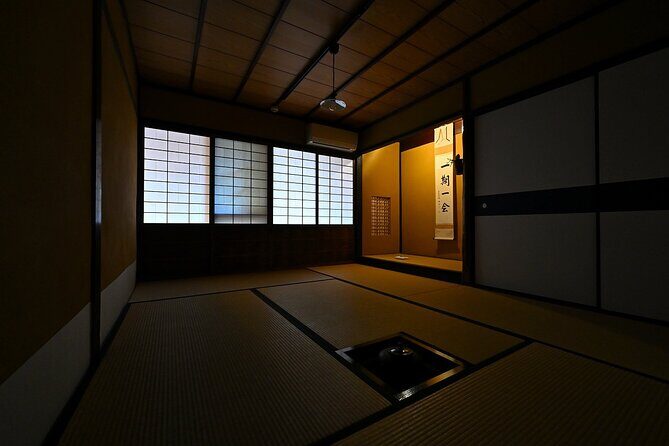
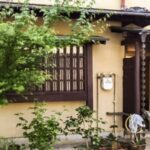
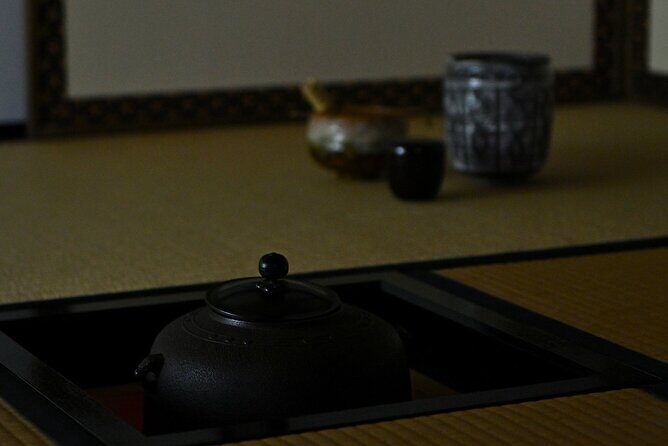
This tea ceremony takes place in an authentic Kyoto tea room inside a 130-year-old townhouse. The vibe starts before you even sit down. You enter the space from the garden, which immediately slows your brain down. It’s one of those details that sounds small, but it changes the whole feel—Kyoto can be loud and crowded, and this gives you a quiet pocket to reset.
The townhouse setting matters because tea ceremony isn’t only about taste. It’s about space, stillness, and attention. Even if you’re new, the room design nudges you to act a little more gently: quieter voices, calmer movements, and the kind of focus that makes the matcha lesson sink in.
Also, the session is short enough to fit into a busy day in Kyoto. About 45 minutes keeps it from turning into a full afternoon commitment, especially if your schedule is already packed with temples and walking routes.
One note on expectations: some people go looking for a big outfit moment. This experience is about the lesson and the ritual, and kimono dressing isn’t something you should assume. If you specifically want that, check other ceremony options. If you want matcha skills plus cultural context, this one hits the mark.
You can also read our reviews of more tours and experiences in Kyoto.


The 45-minute flow: sweets, demonstration, then you make the tea
Here’s how the experience typically unfolds, and why each step matters.
First, you settle in and watch the instructor’s demonstration. You’ll see the sequence of the tea-making process and learn what the ritual is trying to teach: attention, respect, and how the host’s actions guide the guest. People often comment on how carefully the instructor explains each step, and that patient pace is a big deal. When you’re doing something unfamiliar with your hands, time and clarity beat speed.
Then come the sweets. You’ll enjoy dried sweets from a long-established Kyoto confectioner. One specific shop name that’s mentioned is Shioyoshi-ken (塩芳軒), and the sweet type called out is wasanbon, a classic Japanese sugar known for a more mellow sweetness and a traditional production style. In plain terms: it’s there to balance the matcha and to mark the ceremony’s rhythm—not just to fill you up.
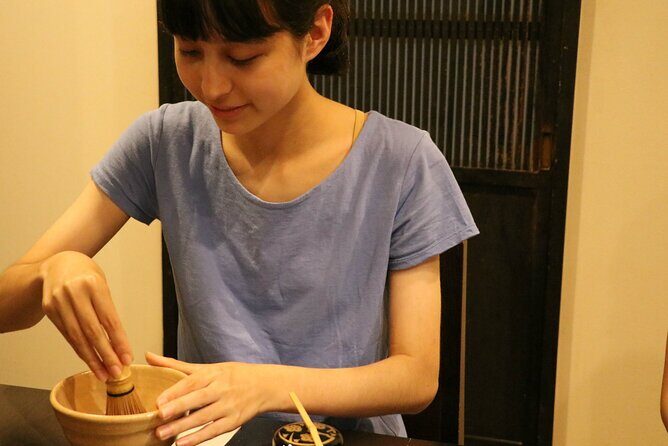
After that, you make your own matcha. This is where the experience becomes more than a viewing activity. You’ll get step-by-step guidance even if you’re a true beginner. The goal is that you don’t leave with only a souvenir feeling. You leave with muscle memory: how to whisk, how to aim for the right texture, and how to handle the tea moment with confidence.
What you’ll learn is also spelled out clearly:
- history and culture of tea ceremony
- how to appreciate and drink matcha
- how to make matcha by yourself
- tips for enjoying tea at home without utensils
That last part is sneaky-useful. Many visitors buy matcha but freeze when they realize they don’t own the tools. The “no special gear required” angle helps you actually use what you learn.
Matcha tasting tips that make the drink feel less mysterious
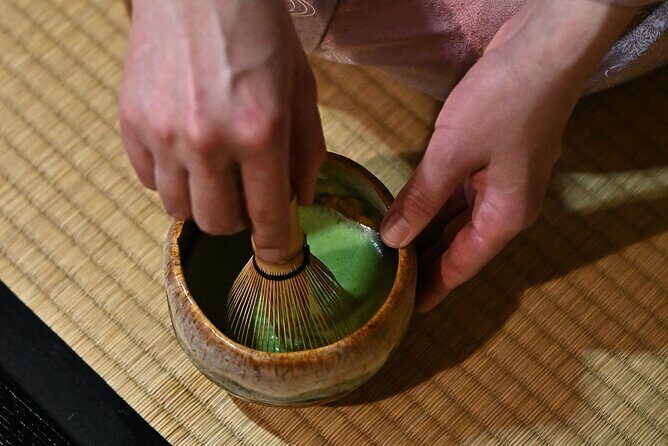
Matcha can taste intense if you expect it to behave like regular green tea. In a tea ceremony, you learn to treat it differently: slower sips, more attention to texture, and an understanding of why certain actions happen.
During the lesson, you’ll be guided on how to appreciate and drink matcha. That usually means noticing things like:
- the look and foam/texture you’re aiming for when whisked
- the way matcha changes as you take small sips
- how to pair the sweet bite with the tea so flavors don’t fight
You also get served matcha made from a matcha source described as coming from a historic shop in Kyoto. While you may not get a deep technical breakdown of grading, you will get the practical “taste and use this” guidance that helps you remember the experience.
And if you’re wondering about value here: matcha lessons are often where people either feel inspired or feel cheated. This format tends to land on the inspired side because you actively participate—whisking and making the drink yourself, not just admiring someone else’s technique.
What the setting and host style do for your comfort
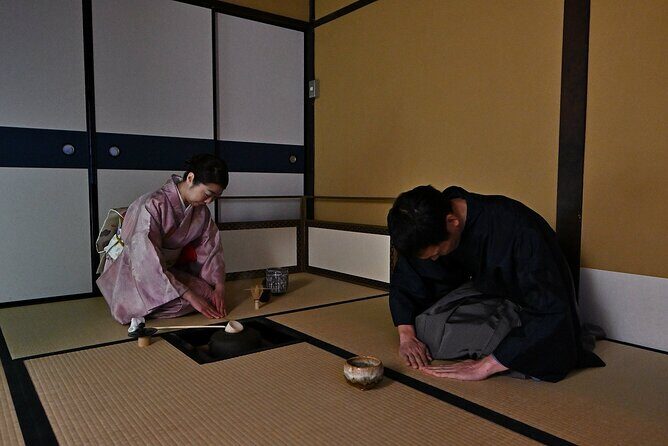
One of the most praised parts is the host’s presence. Many people describe the tea mistress/host as welcoming and calming, with explanations that are careful and easy to follow. Strong English also shows up repeatedly in the feedback, which matters a lot when you’re trying to learn a sequence of movements.
A particularly practical comfort detail: if traditional sitting is tough for you, a stool has been mentioned as available. That doesn’t change the fact that this is still a traditional-style room, but it does mean there’s likely a way to make it manageable rather than a deal-breaker.
The small group size also helps comfort. The max is 10 travelers, and in past experiences it’s been described as intimate—sometimes close to private. When the group is small, you get more time to ask questions and correct technique.
If you like activities where you can slow down, this is a good fit. If you’re looking for a loud, performance-heavy attraction, you may find yourself wishing for more audience spectacle. But if you want calm Kyoto, the tone is exactly that.
Price in Kyoto terms: what you’re paying for at $39.63
At about $39.63 per person for roughly 45 minutes, it’s not a budget activity. The right way to judge the value is to ask what you get:
- A real, historic tearoom setting
- A guided introduction to tea ceremony culture
- Hands-on matcha-making instruction
- Tastings that are part of the ritual (including traditional-style sweets)
- Tips for enjoying matcha at home without the full tea setup
If you compare it to “see and leave” attractions, you’re paying for instruction and participation. If you compare it to cooking classes, the pricing can feel more reasonable because the format includes hands-on work and a host who teaches you step-by-step.
That said, there are two common points to consider:
1) It’s short. Some people feel disappointed when they want something longer or more elaborate.
2) Sweets can be polarizing. One lower rating complaint was basically that the sweets felt too small or too sugary for the price. If you’re picky about sugar, know that the sweets are part of the ceremony pairing, and they’re not meant to replace a meal.
For most people, the matcha-making alone is the anchor value. If you’ll use what you learn at home, it tends to feel like a good deal.



Who this tea ceremony suits best (and who might want a different option)
This experience is best for you if:
- You want an authentic Kyoto cultural activity in a quieter setting
- You’re curious about matcha beyond the basics
- You like learning by doing (make it, then drink it)
- You want a calm break from temple lines and shopping crowds
It might not be the best fit if:
- You want a long, formal ceremony with lots of showmanship and outfit details
- You dislike ceremonies that include sweets, even if the amount is small
- You’re only in Kyoto for a high-energy highlights sprint and don’t want something slower
One smart approach: treat it as a tea introduction and a skill-builder. Then you can go explore Kyoto’s bigger sights with a calmer brain.
Getting there near public transportation in Nakagyo Ward

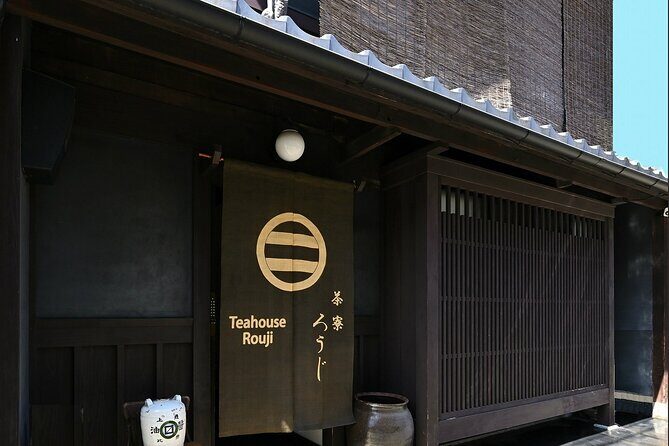
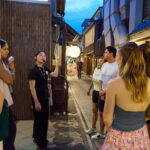
The meeting point is listed as 22-26 Nishinokyō Ikenouchichō, Nakagyo Ward, Kyoto (604-8375). The key practical detail is that it’s near public transportation, which matters in Kyoto where taxis and transfers add up fast.
Because it’s inside a residential-townhouse type area, give yourself a few extra minutes to find the entrance smoothly. Kyoto streets can be easy to walk past if you’re rushing—and you’ll want to arrive ready to shift into the calm mode.
You’ll use a mobile ticket, and confirmation is received within 48 hours of booking, subject to availability. With any timed experience, it’s wise to double-check your appointment time before you leave your hotel.
Quick expectations checklist before you go
- Plan for traditional sitting (a stool may be available if needed)
- Expect a hands-on matcha lesson in about 45 minutes
- Expect small, ritual sweets plus matcha tasting
- Bring questions. The host is part of the experience, and you’ll learn faster when you ask
- If you’re bringing family, it can work well for mixed ages since the pace is explained carefully
Should you book this Kyoto tea ceremony?
I think you should book it if you want a genuine Kyoto cultural moment that’s quiet, practical, and teachable—not just a photo stop. The combination of a historic townhouse setting, a small group limit, and hands-on matcha making makes it a strong value for the time.
Skip it or consider another option if you want a longer ceremony, heavy costume emphasis, or a sweet tasting experience that’s meant to be a meal substitute. And if you’re sensitive to sugar, be mentally ready for the sweet pairing component.
If you’re the kind of person who likes learning one simple skill you can take home—whisking matcha and understanding how to drink it properly—this is an easy yes.
FAQ
How long is the tea ceremony experience?
It runs for about 45 minutes (approximately).
What is the group size limit?
The experience has a maximum of 10 travelers.
Where is the meeting point in Kyoto?
The meeting point is 22-26 Nishinokyō Ikenouchichō, Nakagyo Ward, Kyoto 604-8375, Japan.
Do I get a mobile ticket?
Yes. The activity includes a mobile ticket.
Will I get to make matcha myself?
Yes. After the demonstration, you make your own matcha.
Is there food or sweets included?
Yes. You’ll enjoy dried sweets along with the matcha as part of the ceremony.
Is this suitable for beginners?
Yes. The experience includes detailed instructions on making matcha even for beginners.
Will I learn how to enjoy matcha at home without utensils?
Yes. You’ll get tips for enjoying tea at home without tea utensils.
What if I have trouble sitting in a traditional way?
A stool has been mentioned as available if needed.
What is the cancellation and refund rule?
Free cancellation is available up to 24 hours in advance for a full refund. If you cancel less than 24 hours before the start time, the amount paid is not refunded.