REVIEW · MOTOBU CHO
Boat Snorkeling Trip 1 Round 【Minna, Sesoko , Motobu Okinawa】
Book on Viator →Operated by TEERA SCUBA VENTURES, OKINAWA · Bookable on Viator
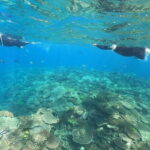
Clear water makes snorkeling easy.
This boat snorkeling trip around Motobu and the nearby Sesoko and Minna area turns a half-day into a simple, guided look at coral and tropical fish. I like that you get real coaching one-on-one, plus the whole experience is built for people who want to go at their own pace in Okinawa’s clear water.
I especially like the VIP private course setup, where it’s just your group—no mixing with strangers. The guide I’m highlighting, Sashi, impressed with patience and thoughtful support, including easing nerves around sea creatures and adjusting smoothly for different family needs.
One consideration: if you cancel for your own reasons, the cost is not refundable and the booking can’t be changed. So you’ll want to commit only when your schedule is set.
In This Review
- Key highlights before you go
- Boat Snorkeling Around Motobu: Clear Water With Real Guidance
- Meeting at Yamagawa Port: The Two-Session Schedule That Actually Fits Your Day
- Departing by Boat to the Snorkel Area: Why the Transit Matters
- VIP One-on-One Coaching: What Makes This Feel Less Scary
- What Your Snorkel Session Looks Like (and How Beginners Usually Do)
- Gear Details: What’s Included, What Costs Extra, and What It Means for Value
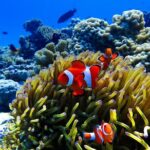
- Coral and Tropical Fish: Getting More Than a Quick Peek
- Safety Net You Can Feel: Life Jacket Plus Insurance Mentioned Clearly
- Price and Value: Is $114.42 Worth It?
- Who This Tour Fits Best in Motobu
- Booking Readiness: The Smart Way to Decide
- FAQ
- What’s the meeting point for the Boat Snorkeling Trip 1 Round?
- How long does the tour take?
- What times are available?
- Is this tour private or shared?
- What snorkeling gear is included?
- Do I need to rent a wetsuit?
- Does the guide speak English?
- What happens if the trip can’t run due to weather?
- Should You Book This Snorkeling Boat Trip?
Key highlights before you go

- Private one-on-one instruction designed to match your pace and comfort level
- English-speaking staff ready to help you feel confident in the water
- Gear included (mask, snorkel, fins, life jacket) so you can travel light
- Insurance coverage that specifically mentions injuries and heat stroke
- Photo gift during the course, so you leave with more than just memories
- Two departure windows (12:00 or 14:00) to fit a day in Motobu
Boat Snorkeling Around Motobu: Clear Water With Real Guidance

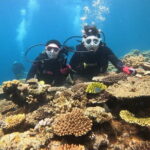
Okinawa has a reputation for beautiful sea life, and this trip is set up to deliver it without turning your day into a complicated project. You meet, handle paperwork/payment, then head out by boat to a snorkel area, where the guide stays close and focused on what you’re doing in the water.
What makes it more than just “go snorkel and hope for the best” is the teaching style. The instructors are described as experienced and responsive, and the course runs one-on-one. That matters because snorkeling isn’t only about seeing fish—it’s also about breathing comfortably, staying relaxed, and moving the way you feel safe.
You’ll likely notice the difference fast if you’re nervous about sea creatures or unsure how your body will handle fins. In one family-focused experience, the guide Sashi was highlighted for being extremely patient and thoughtful, and for going above and beyond to accommodate everyone. That’s the vibe: calm help, not pressure.
You can also read our reviews of more boat tours in Motobu cho

Meeting at Yamagawa Port: The Two-Session Schedule That Actually Fits Your Day

This activity runs as a short, structured outing—about 2 hours 30 minutes total—so it works well even if you’ve got other plans in Motobu. You’ll start at the Yamagawa Port boat boarding area (山川港ボート乗り場), listed as the meeting point in Motobu.
There are two time slots:
- 12:00 meet, with a later snorkel start
- 14:00 meet, with a later snorkel start
A typical flow goes like this: you meet first for paperwork and payment, then you depart by boat about 30 minutes later. You get into the water around the middle of the trip window, then head back to the pier soon after your snorkel session. Afterward, there’s time at the pier to take a shower and change clothes.
This timing is valuable because it reduces the “all day” feeling. You can plan a morning activity or a late-afternoon plan with less stress, and you won’t be stuck waiting around for hours.
Departing by Boat to the Snorkel Area: Why the Transit Matters
The boat component isn’t just transportation. It’s part of why you can expect good viewing conditions: you’re not limited to a cramped spot right near the shoreline.
After you depart from the port, you’ll get to the snorkel area, then transition into a guided water session. The itinerary is built around a steady rhythm: brief setup, movement to the site, then focused time in the water, followed by an organized return to the pier.
For first-timers, that matters because it keeps your attention on one thing at a time. You don’t have to worry about navigation, finding the right point, or figuring out how far you’ll need to swim. The guide handles the snorkeling plan; you handle your breathing and comfort.
VIP One-on-One Coaching: What Makes This Feel Less Scary

This is a private experience. The setup explicitly says only your group participates, and it’s described as a complete one-on-one course with no other guests.
That changes the emotional experience of snorkeling. In a group class, you can feel rushed or self-conscious. Here, the guide can respond directly to your age, physical condition, and preferences. The course is held on request based on your pace, which is exactly what you want if you’re building comfort step by step.
If you tend to get anxious around anything in the water, this is where the trip earns its praise. In the feedback you’ll want to pay attention to, a guide was credited with professional, knowledgeable, encouraging support that put fear of sea creatures at ease. That’s not a small detail. When your brain feels safe, your body usually follows—and then you actually enjoy what you’re seeing.
And since the staff can speak English fluently, you’re not left guessing about safety signals or what you’re supposed to do next. That lowers friction a lot, especially if you’re traveling from overseas.
What Your Snorkel Session Looks Like (and How Beginners Usually Do)

The schedule places the snorkel time in the middle of the outing. In practice, that means you’ll spend enough time in the water to see coral and fish, without dragging the session so long that you get cold or tired.
You can think of the session as three overlapping goals:
1) get you comfortable with breathing and movement
2) guide you toward the best viewing areas
3) keep your pace controlled
The trip includes a life jacket, along with mask, snorkel, and fins. Having that support helps you focus on snorkeling technique rather than gear trouble. If you’ve never worn fins before, the guide can adjust pacing so you don’t fight your equipment.
Also, because the course is flexible to your pace, you’re not required to “perform.” You’re allowed to learn. That’s why they market it as safe even for beginners.
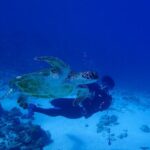
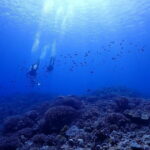
You’ll likely see plenty of coral reef life and tropical fish during the session. One highlight from a top-rated experience was that the participant saw more sea life and coral than on other snorkel trips. I take that as a sign the guide pays attention to how long you can stay relaxed and where to direct your view.
You can also read our reviews of more snorkeling tours in Motobu cho
Gear Details: What’s Included, What Costs Extra, and What It Means for Value

Included:
- Boat passenger fee
- Mask, snorkel, fins
- Life jacket
- Guiding fee
Not included:
- Wetsuit: 500 yen per person
- Lunch
So the value equation is mostly about whether you’ll need a wetsuit. If you feel cold easily, consider paying for it. If you run warm, you might skip it and just plan your swimwear and comfort strategy.
Either way, traveling with less gear is a quiet win. You avoid the hassle of packing and carrying snorkeling equipment—just bring what you need for comfort. Since the trip also includes shower time at the pier, you’ll be able to get yourself back together before heading off to lunch or your next stop.
Lunch not being included is common for short tours, but it’s worth planning. If you’re hungry, either eat before you go or pick something nearby after you return.
Coral and Tropical Fish: Getting More Than a Quick Peek

This trip is specifically framed around seeing coral reefs and tropical fish in clear water. And the strongest praise centers on the quality of what you see, not just the fact that you saw something.
What I like about that emphasis is it hints at how the guide works. If you’re only given a brief “try it” and then left alone, you may see less—especially if you keep surfacing or struggle with breathing. A one-on-one course makes it more likely you’ll settle in, look longer, and spot more life.
Also, the snorkeling experience is paced for you. So instead of trying to rush through sights, you can actually enjoy watching fish move along the reef and coral edges.
For many people, the goal isn’t only photos—it’s the calm feeling of looking closely at the underwater scene without stress. When the guide helps you feel at ease, you can spend more of your energy on observation rather than fear.
Safety Net You Can Feel: Life Jacket Plus Insurance Mentioned Clearly

Safety is treated as part of the product here, not just a line in the description. You’ll get a life jacket, and instructors are positioned as experienced and able to respond one-on-one.
On top of that, the trip includes insurance coverage suitable for injuries and heat stroke. That wording is a practical detail. Snorkeling in Okinawa can involve sun and warm conditions, and heat risk is real even for people who feel fit. It’s not the kind of thing you want to think about mid-trip, which is why it’s good that coverage is explicit.
Add the fact that staff can speak English, and you have a strong safety-support setup: you can ask questions and understand instructions quickly.
Price and Value: Is $114.42 Worth It?
At $114.42 per person, this isn’t a bargain-basement snorkeling deal. But it’s also not overpriced if you look at what’s included and how the trip is structured.
Here’s why it can feel like good value:
- You’re paying for a boat passenger fee plus gear rental (mask, snorkel, fins, life jacket)
- You’re paying for the guiding fee
- You’re paying for a private one-on-one format, not a mixed group session
- You’re getting insurance coverage mentioned for injuries and heat stroke
- You get a free photo gift during the course
If you compare it to the cost of renting equipment yourself and adding a guide on top, the private component becomes the main value lever. And since you’re not sharing with other guests, you’re more likely to get direct attention, which is often what determines whether snorkeling feels fun or stressful.
The extra possible cost to watch for is the wetsuit at 500 yen per person. If you need it, your budget should include it. Also remember lunch isn’t included.
Who This Tour Fits Best in Motobu
This tour is a strong match if you fall into one of these categories:
- First-time snorkelers who want comfort and clear guidance
- Nervous swimmers who need reassurance and patient teaching
- Families with different comfort levels, since the guide can adapt to multiple needs
- Foreign visitors who want English-speaking support rather than hand signals
It’s also appealing if you want a short outing that doesn’t eat the entire day. The whole structure—from meeting to return to shower and change—keeps you moving at a travel-friendly pace.
And if you like having something tangible after the trip, the included photo gift can be a nice bonus. It means you don’t have to rely on your own camera skills in the moment.
Booking Readiness: The Smart Way to Decide
You should book this snorkeling trip if you want a guided, private, beginner-friendly experience with gear handled for you. It’s especially worth considering if you know you’ll benefit from one-on-one support and reassurance.
Here’s when I’d pause:
- If your schedule is fragile, be aware the booking is non-refundable and can’t be changed for convenience. Weather cancellations are handled differently, but if your plans are uncertain, keep that in mind.
- If you dislike warm conditions, plan for sun and heat awareness. The insurance mention for heat stroke is a hint that warm weather factors into the thinking.
If you can commit your time window and you’re excited about coral and tropical fish, this trip is the kind of activity that usually pays off quickly. The best snorkeling days feel calm and guided—and that’s exactly how this one is designed.
FAQ
What’s the meeting point for the Boat Snorkeling Trip 1 Round?
The meeting point is 山川港ボート乗り場 (Yamagawa Port boat boarding area), listed in Motobu, Okinawa.
How long does the tour take?
It’s about 2 hours 30 minutes (approx.).
What times are available?
There are two departures: meet at 12:00 or meet at 14:00.
Is this tour private or shared?
It’s private. Only your group will participate.
What snorkeling gear is included?
Included gear is mask, snorkel, fins, and a life jacket.
Do I need to rent a wetsuit?
A wetsuit is not included. It’s 500 yen per person.
Does the guide speak English?
Yes. The staff are described as able to speak English fluently and will assist you.
What happens if the trip can’t run due to weather?
If it’s canceled due to weather or marine conditions, you’ll be offered a different date or a full refund.
Should You Book This Snorkeling Boat Trip?
If you want snorkeling in Okinawa that feels controlled, calm, and beginner-friendly, I’d book it. The private one-on-one format, English support, included gear, and the emphasis on safety and insurance add up to a smoother day in the water—especially if you’re traveling with family members or you’re the type who needs reassurance.
Just be sure your timing is solid, since cancellations for your own convenience are non-refundable and cannot be changed. If that fits your plans, this is a very practical way to experience Motobu’s reef life without turning your vacation into logistics.