REVIEW · TOKYO
Breakfast Ramen Tour in Shinjuku, Tokyo
Book on GetYourGuide →Operated by Tokyo Ramen Tours · Bookable on GetYourGuide
Ramen before the rush makes sense. This Breakfast Ramen Tour in Shinjuku turns a regular morning into a guided food lesson, starting early so the neighborhood feels calmer and the ramen feels even better. You’ll hit two ramen shops and work your way through three mini bowls plus gyoza, with an English-speaking guide who talks through what makes Tokyo ramen tick.
What I like most is the learning-to-eating ratio. You don’t just get served; you get a primer on shoyu ramen and then go taste the idea in real time, plus a coffee-shop stop where you’ll be quizzed on ramen knowledge. I also like that the tour gives you variety without the food coma: two mini bowls at the first shop, then another mini bowl plus gyoza at the second.
One consideration: it starts early, and you’re in for a fixed, short window. If you’re not an early-riser or you want a huge meal, the early start and mini-bowl portions might feel limiting.
In This Review
- Key things to know before you go
- Why morning ramen in Shinjuku feels like a smart Tokyo shortcut
- Meeting at Kabukicho’s 7-Eleven: the easiest way to not lose time
- The coffee-stop ramen lesson: shoyu basics and a real-time quiz
- Shop one: classic Tokyo shoyu ramen in two mini bowls
- Shop two: tonkotsu pork-bone ramen plus gyoza
- Food math: will three mini bowls and gyoza be enough?
- What you’ll actually learn about shoyu and tonkotsu
- Price and value: what you’re paying for at $90 per person
- What this tour is best for (and when to skip it)
- Should you book this Breakfast Ramen Tour in Shinjuku?
- FAQ
- How long is the Breakfast Ramen Tour in Shinjuku?
- What food is included?
- How many ramen shops do you visit?
- Is the tour guide English-speaking?
- Which ramen styles will I learn about?
- Where is the meeting point?
- What’s the cancellation and payment flexibility?
Key things to know before you go
- Early-morning Shinjuku: a quieter start makes it easier to concentrate on what you’re eating and learning.
- Two shops, three mini bowls: you taste more styles than you’d get on a standard meal.
- Coffee-shop ramen lesson and quiz: you’ll test what you’re hearing before you order again.
- Shoyu first, tonkotsu second: you get a clean comparison between soy sauce and pork-bone ramen.
- Gyoza included: it’s the perfect side to round out the meal.
- Small group or private options: it’s built for a more conversational experience.
Why morning ramen in Shinjuku feels like a smart Tokyo shortcut
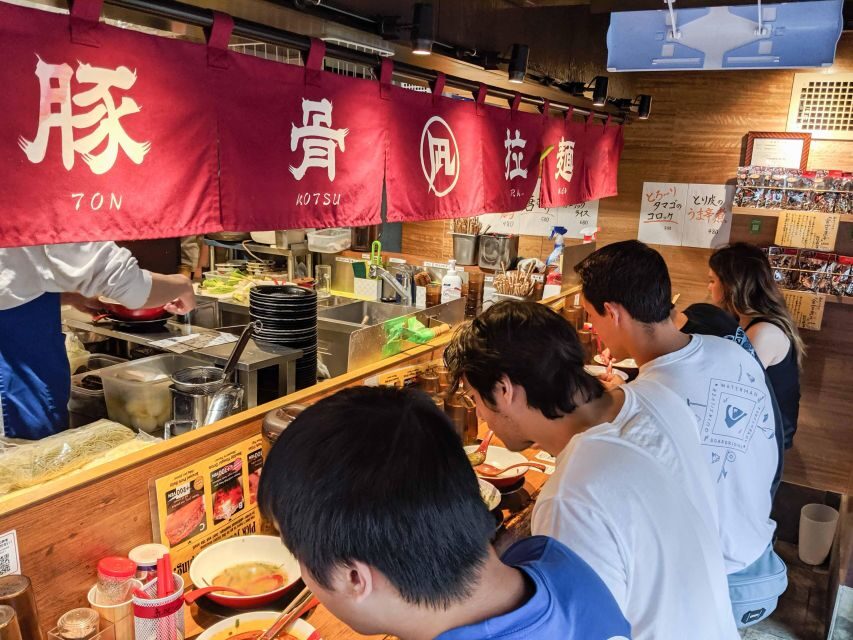
Shinjuku has a reputation for motion and noise, but the early hours are a different story. On this tour, you’re there when streets are still waking up, which means you can actually enjoy the walk and focus on food details instead of squeezing through midday crowds.
I also like the mindset of the tour: it’s breakfast, not a marathon. The day is short on purpose—2 hours total—so you can fit this in before your main Tokyo plans. That matters in a city where one extra stop can balloon into a full schedule shift.
And yes, starting with ramen for breakfast is weird in a good way. The small bowls make it feel approachable, like you’re sampling Tokyo’s most famous comfort food rather than committing to a giant bowl right away.
You can also read our reviews of more tours and experiences in Tokyo.



Meeting at Kabukicho’s 7-Eleven: the easiest way to not lose time
Your meeting point is simple, and it’s the kind of location that helps if you’re juggling jet lag. Meet in front of the 7-Eleven on Yasukuni-dori Avenue, at the entrance of Kabukicho in Shinjuku, near the East Exit of Shinjuku station. Your guide will be holding a Tokyo Ramen Tours sign.
This matters because Shinjuku station has multiple exits, and the wrong one can cost you 10 to 20 minutes fast. Use the East Exit as your anchor point, then walk toward Kabukicho. If you’re arriving early, you can also take a moment to get your bearings before the group gathers.
The coffee-stop ramen lesson: shoyu basics and a real-time quiz
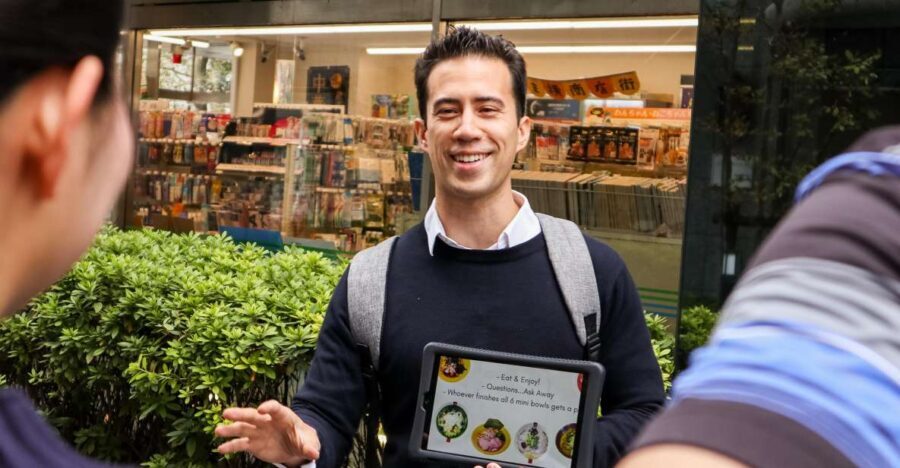
Before the ramen shops, you’ll stop at a nearby coffee shop for ramen basics. This is where the tour earns its keep: you learn enough to make the tasting meaningful, not just fun.
Expect a short introduction to ramen fundamentals and then a quizzing moment. The point isn’t pressure. It’s a memory trick. When you’re later staring at a menu, you’ll remember what the guide emphasized—like what to listen for when discussing shoyu (soy sauce) ramen versus thicker, richer styles.
English is the working language, and the guide’s teaching style tends to be friendly and interactive. In past groups, guides such as Frank, Daisy, and Deep have been called out for being engaging, with an easygoing vibe that keeps the learning light instead of stiff.
Shop one: classic Tokyo shoyu ramen in two mini bowls
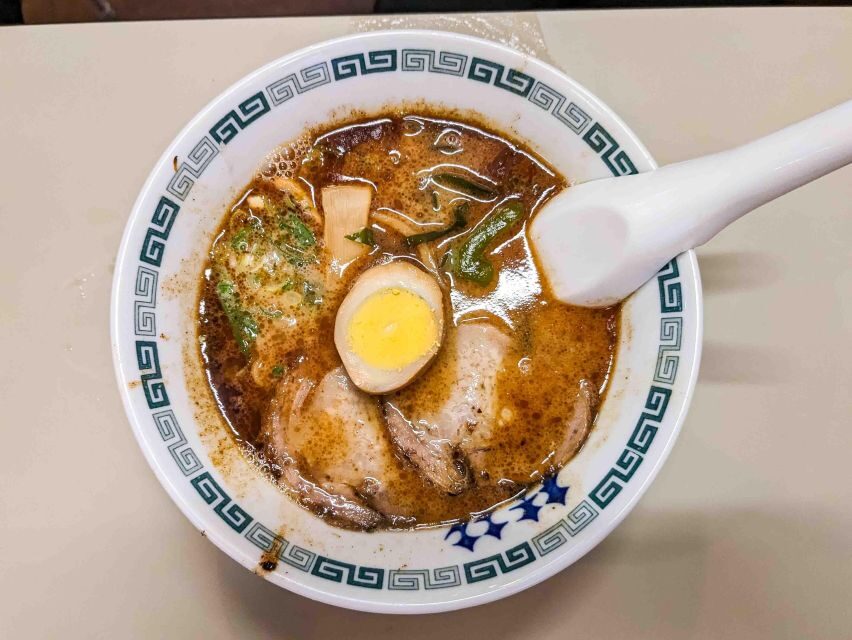
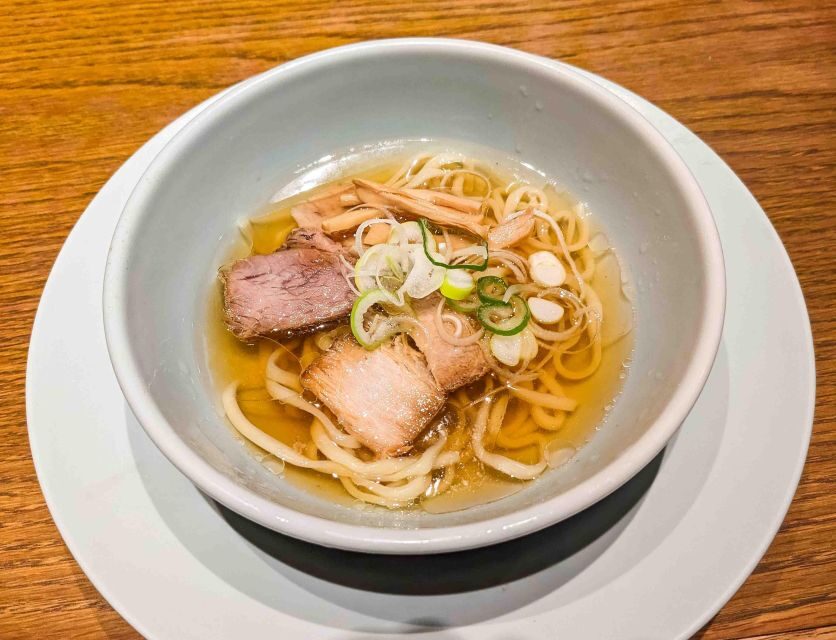
At the first ramen shop, you’ll eat two mini bowls of ramen—classic Tokyo shoyu style—while the guide connects the dots. This is where you start to understand why soy sauce ramen became such an iconic Tokyo baseline: it’s the kind of flavor profile that’s easy to recognize and easy to compare.
Two mini bowls is a clever portion strategy. It gives you time to notice details during the first bowl—saltiness, balance, broth character—then gives you a second bowl to confirm what you think you’re tasting. In other words, you’re not stuck with one bowl you rush through.
Practical tip: eat at the pace your guide sets. If you rush ahead, you’ll miss the “try to taste X, then Y” moments that make the lesson stick.
Also, Tokyo shoyu tends to be a gateway ramen. If you’re new to ramen, this stop can feel like a safe first step. And if you already have a favorite bowl back home, this is a chance to test how Tokyo’s version differs.
Shop two: tonkotsu pork-bone ramen plus gyoza
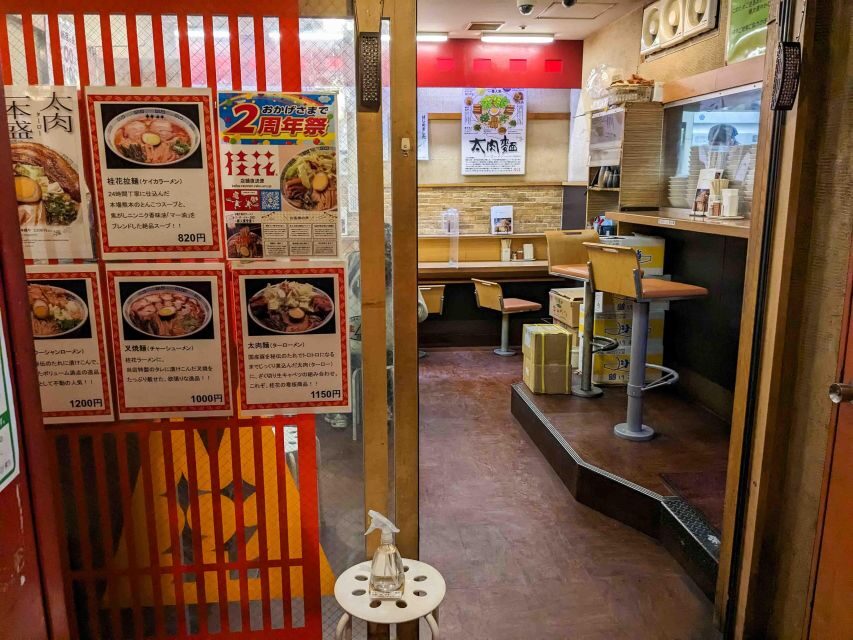
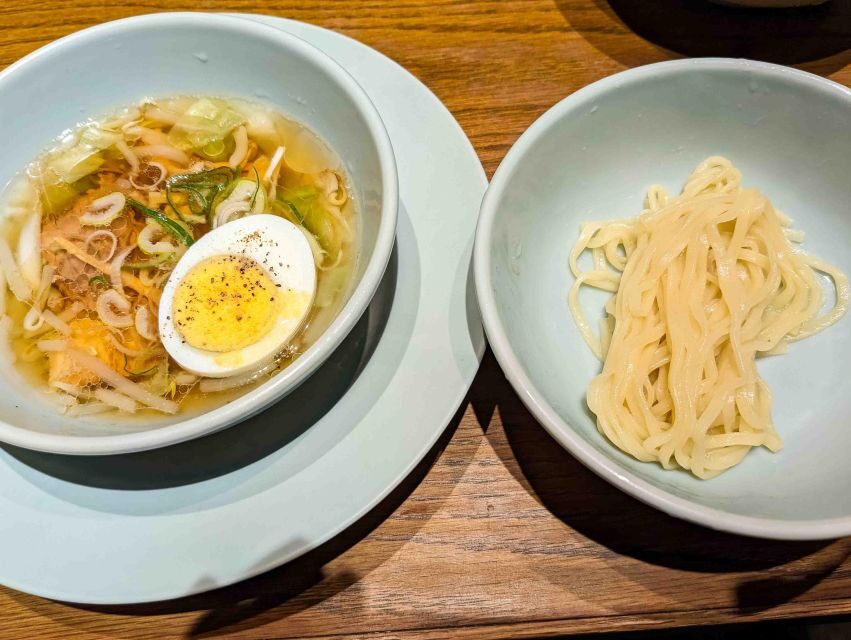
The second ramen shop is where the tour shifts from baseline to contrast. You’ll get one more mini bowl, this time connected to tonkotsu (pork-bone) ramen, and you’ll also receive two gyoza dumplings.
This stop is valuable because tonkotsu ramen is a totally different experience on the palate. Even if you don’t know the technical reasons, you can usually sense the difference in weight and richness compared with shoyu. The guide will help you frame what you’re tasting, so you don’t just think, That’s good. You’ll think, Okay, that’s the style—and here’s why.
Gyoza on the side is also a smart choice. It adds texture and a savory punch that works well with broth-heavy meals. And because portions are portion-controlled, you’ll likely finish feeling satisfied instead of overly stuffed.
If you want a simple approach to comparisons: take one bite, then pause for a second to notice the broth. Then go back to the noodles. The tour’s setup is built for attention like that.




Food math: will three mini bowls and gyoza be enough?
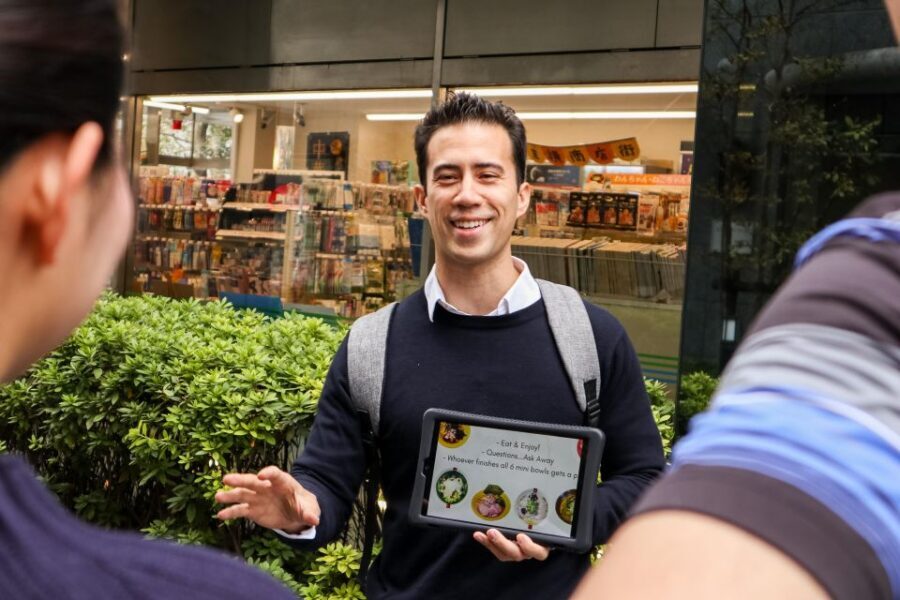
Let’s talk portions honestly. You’re included for three mini bowls of ramen total (each about one-third the size of a full bowl), plus two gyoza and one beverage.
For most people, this hits a sweet spot for breakfast. One mini bowl lets you taste; three means you can compare. Add gyoza and you get extra satisfaction without needing a fifth “side” or dessert.
Still, this tour isn’t designed for big-morning hunger. If you tend to order a full bowl plus sides every time you eat ramen, you might feel like you want more by the end. The good news is you’ll likely still have room afterward to explore Shinjuku with a light stomach rather than a heavy one.
My advice: think of this tour as both a meal and a guide-led education. If you’re hungry for a full feast, you may want to plan a later snack or another small stop after the 2 hours.
What you’ll actually learn about shoyu and tonkotsu
The tour’s biggest value isn’t the bowls. It’s the comparison. You start with shoyu, which gives you a soy-sauce anchored reference point. Then you move to tonkotsu, where the “feel” of the broth and overall flavor profile shifts.
Here’s how I’d use the learning after the tour, so it sticks:
- When you see a shoyu ramen menu in Tokyo, you’ll have a mental checklist for what to look for—how the broth balances salt and savoriness.
- When you see tonkotsu, you’ll be primed to notice the richness and body compared with shoyu.
- The mini-bowl format trains you to taste intentionally. You get multiple shots at comparison without committing too much in one sitting.
Guides like Frank and Daisy have been described as experts who keep the experience detailed but still fun. The takeaway for you: you’ll leave with ramen vocabulary and a tasting framework, which makes your next bowl in Japan easier and more enjoyable.
Price and value: what you’re paying for at $90 per person
At $90 per person for a 2-hour experience, this isn’t the cheapest way to eat ramen in Tokyo. But it’s not a raw food deal either. You’re paying for three practical things:
- Three ramen tastings across two shops, including gyoza. That’s more than the typical one-bowl meal.
- An English-speaking guide who explains what you’re eating and helps you compare styles.
- The extra stop at a coffee shop with a ramen lesson and quiz—so you don’t just consume, you learn.
If you tried to recreate this yourself, you’d still need to solve the hardest parts: finding the right early spots, figuring out how to compare ramen types, and understanding what to order. The tour compresses that into a clean timeline.
For me, the value lands best if you want both food and context. If you only want calories, you might find cheaper bowls elsewhere. If you want ramen insight you can use later in Tokyo, this price starts to feel fair.
What this tour is best for (and when to skip it)
This is ideal if you’re:
- An early riser who wants Shinjuku at a calmer hour.
- Curious about ramen beyond tasting and want to learn shoyu vs tonkotsu.
- Traveling with a small group or family where you’d rather have guided structure than wandering.
- First-time visitors to Tokyo who appreciate “someone else handles the plan” at breakfast time.
Skip it if:
- You hate mornings. The start time is early enough that one review called it just right for breakfast, but that only works if you can handle the schedule.
- You want a big meal. Mini bowls plus gyoza are satisfying, but not “full buffet” sized.
Should you book this Breakfast Ramen Tour in Shinjuku?
I’d book it if you want ramen that comes with a lesson, and you like the idea of tasting multiple styles without committing to one heavy bowl. The combination of three mini bowls, two ramen shops, gyoza, and a guide-led explanation (with guides like Deep, Daisy, and Frank noted for being friendly and interactive) makes it an efficient use of time.
If your main goal is only to eat ramen as cheaply as possible, you may get more calories per dollar on your own. But if you want to leave understanding what you tasted—especially the shoyu to tonkotsu contrast—this is one of the better ways to do it in a short window.
FAQ
How long is the Breakfast Ramen Tour in Shinjuku?
The tour runs for 2 hours.
What food is included?
You’ll get 3 mini bowls of ramen, 2 gyoza dumplings, and 1 beverage.
How many ramen shops do you visit?
You visit 2 different ramen shops in Shinjuku.
Is the tour guide English-speaking?
Yes, the tour has a live English guide.
Which ramen styles will I learn about?
You’ll learn about shoyu (soy sauce) and tonkotsu (pork bone) ramen.
Where is the meeting point?
Meet in front of the 7-Eleven on Yasukuni-dori Avenue, at the entrance of Kabukicho in Shinjuku, close to Shinjuku station East Exit, where your guide will be waiting with a Tokyo Ramen Tours sign.
What’s the cancellation and payment flexibility?
There is free cancellation up to 24 hours in advance for a full refund, and you can reserve now & pay later (pay nothing today).