REVIEW · KYOTO
Private & Unique Kyoto Cherry Blossom “Sakura” Experience
Book on Viator →Operated by City Unscripted · Bookable on Viator
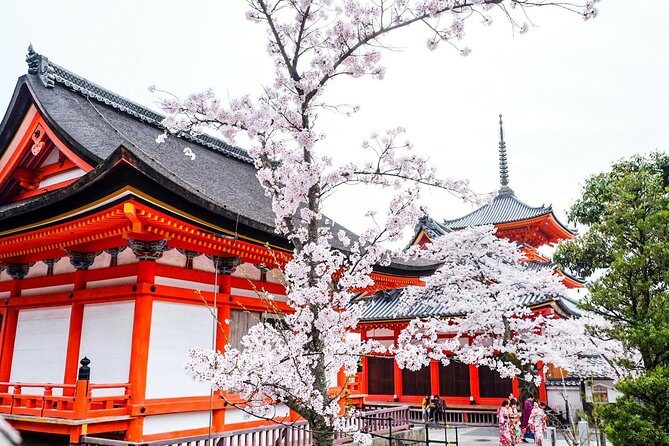
Cherry blossoms feel magical when someone local plans the route. This private Kyoto sakura experience pairs classic parks with quieter viewing spots, then adds the special evening mood of yozakura (night blossom viewing), led by real people with real Kyoto instincts. I like that the day is built around your pace, not a rigid parade schedule.
What I like even more is the food plan. You’ll shop for your picnic at Daimaru depachika and eat it as an actual hanami moment, with bento, sushi, sweets, and two drinks included. One thing to think about before you book: it’s priced like a private guided day, and extra food, drinks beyond what’s included, attraction tickets, and transportation costs are on you.
In This Review
- Key things that make this Kyoto sakura day work
- A private sakura day that doesn’t feel like a script
- Guides make the difference (and the names matter)
- Maruyama Park: hanami mode from the first step
- Kyoto Gyoen National Garden: quiet blossoms where your brain can breathe
- Daimaru depachika: turning dinner logistics into an experience
- The hanami picnic: where the season becomes the main event
- Evening sakura (yozakura): the glow after the crowds
- Price and value: is $290.79 per person a smart buy?
- Logistics: meeting point, timing, and how to not overthink it
- Practical comfort tips
- Who this Kyoto sakura experience suits best
- Should you book this Kyoto sakura day?
- FAQ
- FAQ
- How long is the Kyoto cherry blossom sakura experience?
- Is this a private tour or a group tour?
- What’s the price per person?
- Where does the tour start and end?
- What’s included in the picnic?
- Do I need to buy any attraction tickets?
- Is transportation included?
- Do I get a ticket on my phone?
- What if I need to cancel?
- Is the tour accessible for most travelers, and can service animals attend?
Key things that make this Kyoto sakura day work
- Private pacing with a local host who steers you to peaceful viewing spots instead of only the photo lines
- Maruyama Park hanami at a calmer angle with guidance to find quieter pockets inside the park
- Kyoto Gyoen National Garden as a breather from the busiest streets
- Daimaru depachika obento shopping where your host helps you pick an order that looks as good as it tastes
- Picnic in a secluded place designed for eating slowly under the blossoms
- Yoazakura-style evening viewing with illuminated weeping cherry trees as part of the plan
A private sakura day that doesn’t feel like a script
Kyoto in spring can be charming and chaotic at the same time. This experience is a smart way to keep the charm and reduce the chaos, because you’re walking with a local host who adjusts the day around blossoms, crowds, and what you want to pay attention to.
I also like the “real day” feel. You start with the big-name cherry blossom areas, then you’re guided toward calmer corners and off-the-main-path moments. And yes, guides vary by group, but the common thread in the feedback is clear: the hosts bring Kyoto to life with stories and practical choices, not just movement from stop to stop.
You can also read our reviews of more private tours in Kyoto
Guides make the difference (and the names matter)
In the reviews I saw real personality shine through. Jose came across as laid-back and passionate about Kyoto, with a knack for mixing popular spots and less obvious ones. Afifa stood out for personalization, including one guest request to find pink cherry blossoms. Fatima was praised for making the experience feel personal and memorable. Eva was described as talkative about Japanese life and traditions while showing quieter places, plus a strong focus on local food at the end.
That variety is good news for you. It means you’re not buying a one-size-fits-all walking route. You’re buying a local conversation plus a path that makes sense for sakura season.
Maruyama Park: hanami mode from the first step
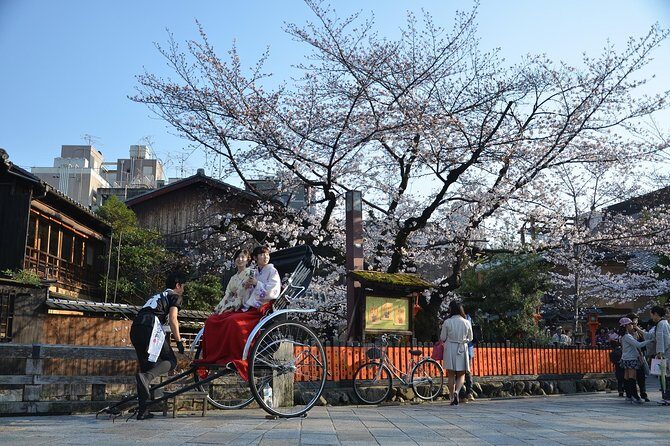
Your day begins in Maruyama Park, a classic hanami starting point for a reason. The trees here are the kind you remember, and the air is different when spring is actually happening.
What makes this stop feel special is how it’s handled. Instead of treating Maruyama like a checklist, your host guides you to secret, peaceful spots within the park. Translation: you get that hanami calm earlier and you avoid spending the whole time fighting through crowds and drifting like a lost balloon.
Practical tip for you: this is a walking experience, so wear comfortable shoes even if your pace is relaxed. Parks sound easy until you’ve been on your feet for a couple hours in damp spring ground.
Kyoto Gyoen National Garden: quiet blossoms where your brain can breathe
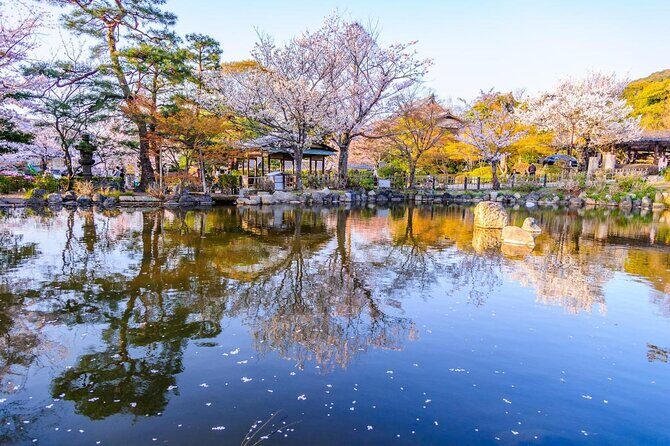
Next you head to Kyoto Gyoen National Garden, described as a serene retreat from the city’s hustle. That matters, because cherry blossom viewing gets crowded fast, and your eyes can feel tired if you’re stuck in peak foot-traffic zones.
Here you can slow down. Think of this stop as the “reset” part of the route, where you get more space to watch the trees without constantly shifting around groups. If you’re the kind of person who wants to actually enjoy the season (not just photograph it), this garden break is a big part of the value.
And if you’re traveling with someone who gets overwhelmed in crowded places, this stop helps make the day feel livable.
Daimaru depachika: turning dinner logistics into an experience
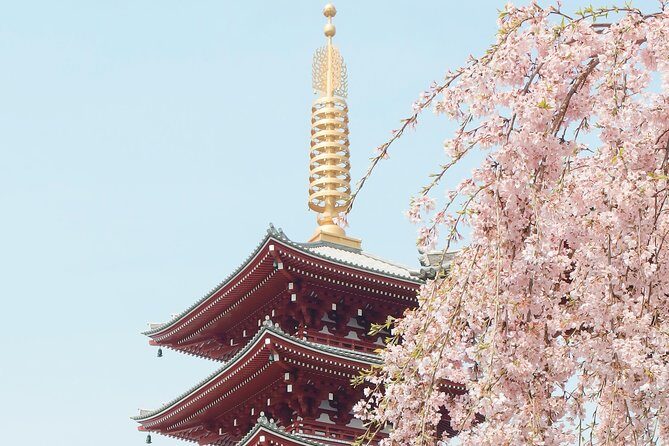
Food can be the best part of a Kyoto day, and this one builds it right into the flow. You’ll go to Daimaru’s depachika, the department store underground food market where Japanese convenience meets serious quality.
Your host helps you choose an obento that looks great and fits the moment. The included plan is designed for a sakura picnic: a bento box plus a shared sushi platter, Japanese sweets, and two drinks are included. The idea is that you don’t just eat, you celebrate the season.
One small detail that matters for you: your host’s guidance can save time. In a crowded food hall, picking the right items by yourself can turn into stress. With a host, it becomes “pick what matches your tastes, then make it a picnic” instead of “how do I order this in time.”
Also, one guide was noted for adding extra local touches like Nishiki market in at least one version of the experience. So while the core plan stays consistent, your host may weave in small relevant stops depending on the day and your interests.

The hanami picnic: where the season becomes the main event
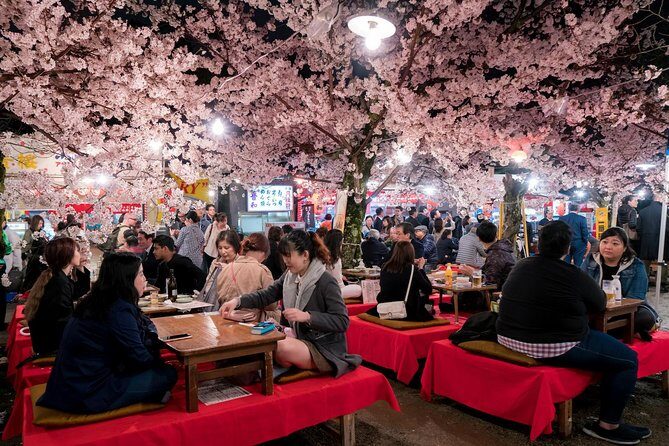
After you’ve selected your food, you eat it as an actual hanami picnic. Your host leads you to an intimate, secluded area in the park (or another hidden-feeling spot) so you can slow down and enjoy the blossoms while you eat.
This is the part I think most people underestimate when they plan sakura season. Anyone can buy snacks. The experience here is that the picnic is positioned as a cultural moment. You’re not just passing time—you’re doing the sakura thing on purpose.
You’ll have:
- Bento box (included)
- Shared sushi platter (included)
- Japanese sweets (included)
- Two drinks (included)
And the host adds context along the way, with local stories that make the setting feel less generic. If you’re someone who loves hearing why certain spots matter, this is where the day turns from pretty to meaningful.
Evening sakura (yozakura): the glow after the crowds
The overview also includes yozakura, nighttime cherry blossom viewing. The image they’re going for is weeping cherry trees illuminated against the sky, which is a very different mood from daytime hanami.
Even if you’ve seen sakura photos before, this kind of evening viewing tends to land differently. The trees feel softer, the pace feels slower, and you’re more likely to notice details you’d miss in daylight.
One consideration: because it’s a 4-hour experience, you’ll want to go with the flow. If you need a late-night plan in addition to this, you’ll likely need to build it separately.
Price and value: is $290.79 per person a smart buy?
At $290.79 per person, this is not a budget stroll. But it’s also not just a guide walking next to you. You’re paying for a bundle: a private, personalized 4-hour walking experience plus a structured picnic with multiple food components plus assistance with food choices in a high-competition food hall.
Here’s what you’re getting for the money:
- A local host for about 4 hours
- Private experience (only your group)
- Picnic food included (bento, sushi platter, sweets, two drinks)
- Support in choosing your picnic items at Daimaru depachika
- Optional meet-up at your central location accommodation
- A plan that targets less crowded viewing moments
What’s not included:
- Additional food and drinks beyond the included items
- Tickets to attractions
- Transportation costs
If you’re comparing this to DIY, the big value isn’t just convenience. It’s time and decision-making. Sakura season makes everything harder: crowded parks, harder food-hall navigation, and the constant question of where you’ll actually be able to sit and enjoy. A host turns that uncertainty into a calmer day.
If you’re the type who enjoys arranging everything yourself and you’re confident navigating depachika markets solo, DIY can be cheaper. But if you want spring to feel smooth and local, this price starts to look more reasonable.
Logistics: meeting point, timing, and how to not overthink it
The meeting point is FamilyMart (Kyoto Gion 300, Gionmachi Kitagawa, Higashiyama Ward). Your tour ends back at the meeting point. It’s also described as near public transportation, and you’ll receive confirmation at booking with a mobile ticket.
One thing I advise you to do: map the meeting spot before you arrive. FamilyMart locations are everywhere, but you don’t want to be hunting for the correct one while cherry blossom crowds are swirling.
Also, transportation costs are not included, so plan your own way to and from the Gion area. The tour is about walking, so factor in a little spring-day foot time.
Practical comfort tips
- Wear shoes you can walk in for a few hours.
- Bring a light layer for evening, since yoazakura means you’ll still be out after the day cools down.
- If you’re sensitive to crowds, lean into the host’s quieter stop choices rather than trying to push ahead toward the most packed views.
Who this Kyoto sakura experience suits best
This is a strong match if you:
- Want a private day rather than a group bus vibe
- Care about finding calmer blossoms instead of only the most famous selfie spots
- Like food experiences that feel like part of the culture, not an add-on
- Prefer learning with a human guide who can answer questions in real time
The tour notes that most travelers can participate, and service animals are allowed. It’s also designed so you’re not stuck with awkward logistics, since it’s guided and focused around a few key stops.
If you’re traveling solo, you’ll get a lot of value from the host conversation. If you’re traveling as a couple or small group, the private format makes it easier to coordinate your pace and interests.
Should you book this Kyoto sakura day?
I’d book it if you want sakura season to feel personal, calm, and food-forward. The best part is the combination: guided blossom viewing across Maruyama Park and Kyoto Gyoen, plus a depachika shopping picnic plan that turns the day into an actual hanami moment. The evening element of yozakura is also a nice bonus if you want more than just daytime blossoms.
I’d pause and reconsider if:
- You’re strict about budget and prefer DIY
- You plan to rely on included food alone and aren’t okay paying for any extra snacks or drinks
- You don’t want to meet at a specific spot and walk for about 4 hours
If you like the idea of having someone local handle the “where do we go next” part while you focus on the season, this experience fits that goal well.
FAQ
FAQ
How long is the Kyoto cherry blossom sakura experience?
It runs for about 4 hours.
Is this a private tour or a group tour?
It’s private, meaning only your group participates.
What’s the price per person?
The price is $290.79 per person.
Where does the tour start and end?
It starts at FamilyMart (Kyoto Gion 300, Gionmachi Kitagawa, Higashiyama Ward) and ends back at the same meeting point.
What’s included in the picnic?
You get a traditional Japanese picnic: a bento box, a shared sushi platter, Japanese sweets, and two drinks.
Do I need to buy any attraction tickets?
Tickets to attractions are not included.
Is transportation included?
Transportation costs are not included.
Do I get a ticket on my phone?
Yes. The experience includes a mobile ticket and you’ll receive confirmation at booking.
What if I need to cancel?
You can cancel for a full refund up to 24 hours in advance of the experience start time.
Is the tour accessible for most travelers, and can service animals attend?
It says most travelers can participate, and service animals are allowed.