REVIEW · KANTO
Akagi Great countryside e-bike tour
Book on Viator →Operated by Akagi Trip · Bookable on Viator
Gunma is best when you get off the main drag. This Akagi Great countryside e-bike tour turns a simple bike ride into a day of small-town stops, from Shinto shrine rituals to centuries-old tombs and a working soy sauce brewery. I like how the pace stays easy (for an e-bike tour), so you’re not just sightseeing from a window—you’re actually part of the local rhythm. I also like the tight group size, capped at 6 travelers, which keeps the day personal.
You’ll spend time rolling through Maebashi’s urban area, then gradually shift into open countryside where rice fields and everyday life show up between the heritage sites. I like that lunch is built into the route at Ota Shokudo, so you’re not hunting for food after cycling. The only real catch is that you’ll need moderate fitness and good weather—this isn’t a walk-and-watch kind of day, and e-bikes run best when roads and conditions are cooperative.
In This Review
- Key highlights before you ride
- Getting started at Maebashi Station (and why it matters)
- A practical tip for train timing
- Stop-by-stop: what you’ll actually do all day
- Stop 1: Maebashi city cycling + coffee and snacks (about 45 minutes)
- Stop 2: Santai Shrine and the safe-childbirth theme (about 30 minutes)
- Stop 3: Omuro Park’s 5th-6th century tomb mounds (about 30 minutes)
- Stop 4: Ota Shokudo lunch with katsu + curry ramen or rice (about 1 hour)
- Stop 5: Oka Naosaburo Shoten soy sauce brewery (about 30 minutes)
- E-bikes, group size, and pacing: what the day feels like
- Height requirement
- Value check: is $113.37 per person fair?
- Who this tour fits best (and who might skip it)
- The practical stuff you should plan for
- Timing and duration
- Where the tour ends
- Ticket and communication style
- Should you book the Akagi Great countryside e-bike tour?
- FAQ
- How long is the Akagi Great countryside e-bike tour?
- Where do I meet the group, and where does the tour end?
- How much does the tour cost per person?
- Is lunch included?
- Are admission tickets included for the stops?
- How many people are in the group?
- What physical requirements and height limits apply?
- What’s the weather policy?
- Is there a cancellation window for a full refund?
Key highlights before you ride
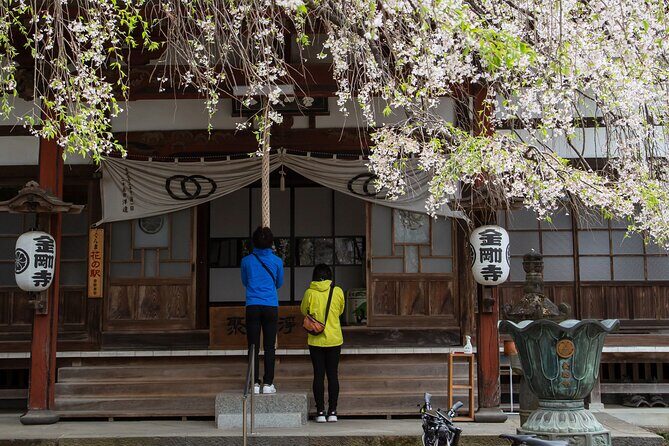
- Maebashi Station meetup with e-bikes ready, so you start cycling with minimal fuss
- Santai Shrine and its safe-childbirth theme, including the sights of families and young couples
- Omuro Park tomb mounds where you can go up top and even walk inside
- Ota Shokudo lunch featuring deep-fried katsu with curry ramen or rice
- Oka Naosaburo Shoten soy sauce brewery, including an explanation inside a 100-year-old cellar
Getting started at Maebashi Station (and why it matters)
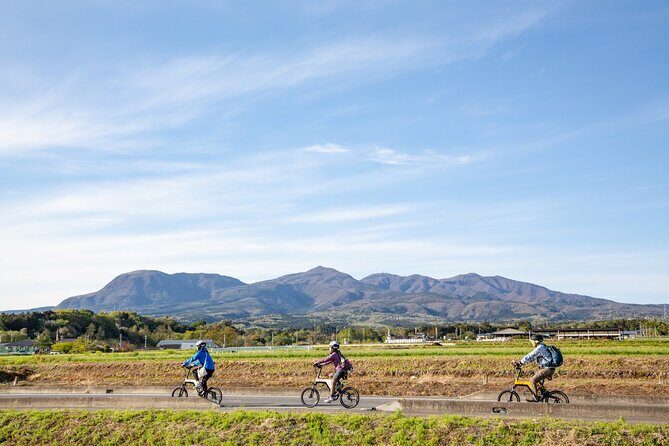
Most countryside tours fail at the first hurdle: getting everyone moving smoothly. Here, you meet at Maebashi Station (2 Chome-29 Omotecho) with the e-bikes already set up. That’s a big deal because you can focus on the day instead of spending time figuring out where gear is, how to mount up, and what comes next.
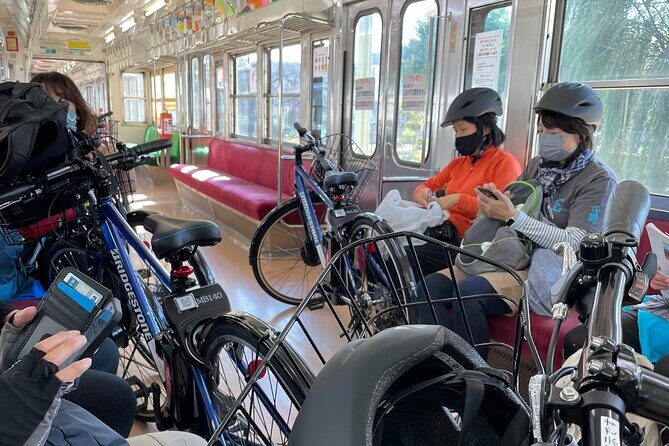
The route is designed as a downhill-in-energy experience: you start in Maebashi, then gradually shift into quieter cultural stops around Mt. Akagi. You’ll finish at Akagi Station in Midori City, which means you can keep exploring without backtracking the whole day.
You can also read our reviews of more tours and experiences in Kanto.
A practical tip for train timing
One review mentioned a wrong bullet train choice that added a long detour before getting back on track to the tour meeting point at Maebashi Station. That’s a good reminder: give yourself cushion for rail mix-ups, platform changes, and station exits. If you’re connecting from Tokyo, build in extra time so you’re not doing sprint planning while everyone else is already setting off.
Stop-by-stop: what you’ll actually do all day
The tour runs about 6 hours total, with multiple short-to-medium stops. Many admission tickets are free for the listed sites, which helps the value side of the day feel more balanced.
Stop 1: Maebashi city cycling + coffee and snacks (about 45 minutes)
You begin by riding around Maebashi’s urban area. Think of it as a warm-up that also gives you orientation—how the neighborhoods flow, where you’ll likely see daily commutes, and what traffic feels like on the route.
Then you get a break with local coffee and snacks. This matters more than you might think. E-bikes help with hills, but you still want a quick fuel reset before the slower, more contemplative stops later on. It also keeps the group together before the day stretches out into shrines and park paths.
What to watch for: urban cycling can feel more stop-and-start than countryside roads, so be ready for short pacing changes.
Stop 2: Santai Shrine and the safe-childbirth theme (about 30 minutes)
At Santai Shrine, the main deity is the god of safe childbirth. You’ll notice the kinds of visitors who show up—often young couples hoping for babies and families with small kids. That creates a different atmosphere than a typical sightseeing shrine where people are mostly passing through.
Instead of just reading placards, you’re seeing how faith connects to ordinary family life. It’s one of those moments where the culture feels immediate: people come with a real reason, and you understand the shrine as a living part of the community, not a photo backdrop.
Good to know: this stop is short, so you’ll want to keep your questions and quiet observation for the time you’re actually there.
Stop 3: Omuro Park’s 5th-6th century tomb mounds (about 30 minutes)
Next is Omuro Park, where you’ll find huge tombs from the 5th–6th century in their original forms. What makes this stop stand out is access. You can walk up to the top of the mounds, and you can even walk inside the tombs.
For many visitors, that’s the difference between “seeing a historical site” and understanding scale. When you’re elevated on the mound—or inside the structure—you get a physical sense of how these places were meant to be viewed and remembered. It’s also a nice contrast to the shrine stop, since this is heritage in stone rather than religious practice.
Potential drawback: if you’re uncomfortable with stairs or confined spaces, you’ll want to pace yourself. The tour is rated for moderate fitness overall, and this stop adds a little more movement than a typical park photo stop.
Stop 4: Ota Shokudo lunch with katsu + curry ramen or rice (about 1 hour)
Lunch lands at Ota Shokudo, a country-style Japanese restaurant. You’ll try deep-fried Japanese katsu (pork cutlets) served either on curry ramen or rice.
This is a smart route choice. You’re not just getting food; you’re getting a meal that fits the region’s everyday comfort style—something hearty enough to power you through the final leg. And since lunch is scheduled, you don’t have to guess what’s open in smaller towns while you’re already tired from cycling.
What to expect: you’ll likely spend about an hour here, so it’s not a quick snack. Bring patience; this is where the day’s energy resets for the brewery stop.
Stop 5: Oka Naosaburo Shoten soy sauce brewery (about 30 minutes)
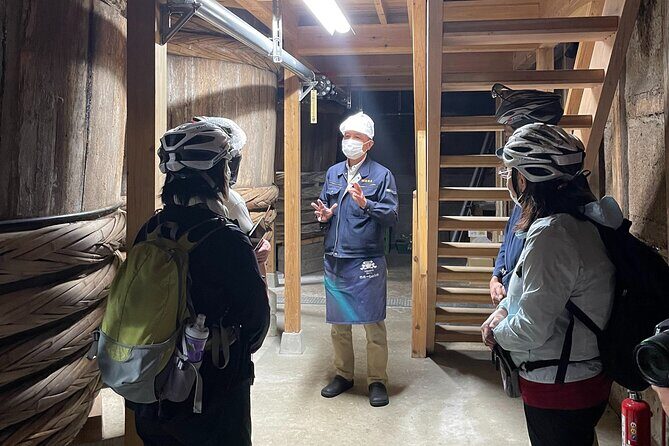
The final culture hit is Oka Naosaburo Shoten, an active soy sauce brewery with a 230-year history. Brewery staff explain how to make soy sauce inside a 100-year-old soy sauce cellar.
This kind of stop is valuable because it turns a food ingredient into a process. Soy sauce is everywhere in Japan, but many visitors never see the hands-on part of how it’s made. Being in the older cellar also gives the explanation a sense of weight—like you’re learning with time behind the walls.
What to look for: even if you’re not a serious food nerd, pay attention to how they describe steps and aging. It makes the product feel less like a label and more like craft.
E-bikes, group size, and pacing: what the day feels like
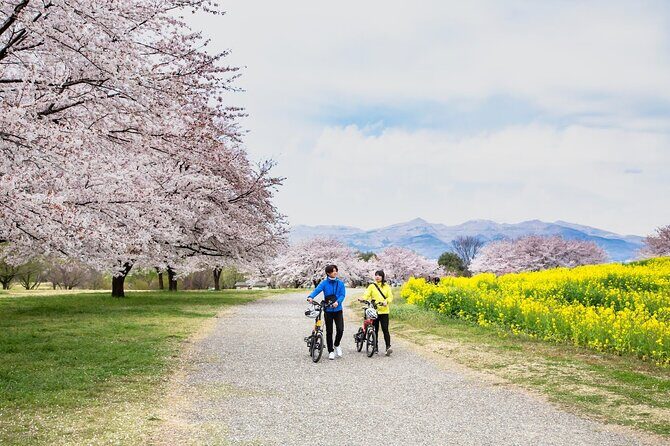
This tour caps at 6 travelers. That small number matters. You’ll spend less time waiting around, and your guide can slow down for questions without the whole group losing momentum. It also makes the ride feel less like a conveyor belt and more like a shared day.
You’ll need moderate physical fitness. Even with e-bikes, you’ll be mounting, stopping, and riding long enough to feel the day. The good news is that the stops are spaced so you regularly get off the bike. The route also includes several free admission sites, so you’re not spending time paying, scanning, and rechecking entry details.
Height requirement
There’s a minimum height of 150 cm because the tour doesn’t have child-sized bikes. If you or someone in your group is close to that line, check carefully before booking.
Value check: is $113.37 per person fair?
For $113.37 per person, you’re paying for a guided, multi-stop ride that includes:
- e-bike use for most of the day
- multiple cultural visits with free admission tickets listed for the stops
- a scheduled lunch at Ota Shokudo
- a soy sauce brewery explanation inside a historic cellar
When you compare that to piecing together separate transportation + individual admission + a restaurant meal, the bundle starts to look practical. You’re also getting a guided context layer. The shrine, tomb mounds, and brewery each connect to local life in different ways, and the guide’s job is to help you read what you’re seeing.
The biggest factor for value isn’t just price—it’s your comfort with a structured day. If you love routes with clear timing and won’t mind riding between stops, this is solid value. If you hate being on rails, you might feel a bit boxed in.
Who this tour fits best (and who might skip it)
This is a great pick if you:
- want a day in Gunma without driving
- like culture stops that feel hands-on, not only behind glass
- enjoy food-based experiences (katsu lunch and soy sauce process)
- prefer a small group experience (6 travelers max)
You might think twice if you:
- don’t want any cycling beyond short distances
- struggle with stairs or confined entry points (Omuro Park includes walking inside tombs)
- are traveling in weather that’s unreliable, since good weather is required
The practical stuff you should plan for
Timing and duration
Expect about 6 hours total. Most stops are short, but the ride time adds up, especially with city-to-countryside transitions.
Where the tour ends
The day ends at Akagi Station in Midori City. After the tour, you’re free to keep exploring this part of Gunma, catch a direct train to Tokyo, or take a local train back to Maebashi. That flexibility is useful when you’re building a longer trip around Mt. Akagi.
Ticket and communication style
You’ll receive a mobile ticket, and confirmation is issued within 48 hours of booking, based on availability. That’s helpful if your plans are still firming up.
Should you book the Akagi Great countryside e-bike tour?
If you want one organized day that mixes countryside riding with culture you can actually access—shrines you can observe closely, tomb mounds you can climb, and a soy sauce cellar where you learn the process—then yes, I’d book it. The combination of a small group size, a scheduled meal, and guided context makes the day feel more complete than a basic sightseeing loop.
I’d only hesitate if you’re sensitive to moderate cycling time or stairs, or if you’re traveling during a period where weather swings are common. When the conditions are right, this tour gives you rural Gunma in a way you can’t replicate by hopping on a train and hoping everything lines up.
FAQ
How long is the Akagi Great countryside e-bike tour?
The tour lasts about 6 hours.
Where do I meet the group, and where does the tour end?
You start at Maebashi Station and end at Akagi Station in Midori City.
How much does the tour cost per person?
The price is $113.37 per person.
Is lunch included?
Yes. Lunch is provided at Ota Shokudo and features deep-fried katsu served with curry ramen or rice.
Are admission tickets included for the stops?
Admission tickets are listed as free for the stops included in the route.
How many people are in the group?
The tour has a maximum of 6 travelers.
What physical requirements and height limits apply?
You need moderate physical fitness, and participants must be at least 150 cm tall because child-sized bikes aren’t available.
What’s the weather policy?
The experience requires good weather. If it’s canceled due to poor weather, you’ll be offered a different date or a full refund.
Is there a cancellation window for a full refund?
Yes. You can cancel up to 24 hours in advance for a full refund.