REVIEW · NIKKO
Nikko Private Custom Tour with Local Guide
Book on GetYourGuide →Operated by Travel Japan Together · Bookable on GetYourGuide
Nikko can feel like a puzzle box of meaning. This private, customizable 6-hour outing connects the big-name sights with the smaller details your guide points out. I especially liked how it turns Nikko Toshogu Shrine from a photo stop into a story you can follow on the path.
Two things I really liked: first, the shrine’s carved details are easier to read with an English-speaking local guide in the room. Second, I love that you can shape the day at your pace, not just follow a rigid script. One catch to plan for: some costs are not included, like entrance fees, lunch, and your own transportation around town.
In This Review
- Key Points Worth Planning For
- Nikko Toshogu Shrine: carvings, gates, and the Tokugawa link
- How a private 6-hour custom tour changes the feel
- Rinnoji Temple and Futarasan Shrine: the extra layers near Toshogu
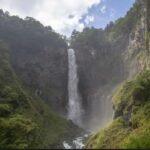
- Kegon Falls and Lake Chuzenji: a nature pause that makes the day feel balanced
- Private guide value: what you’re really paying for
- What’s included on the ground (and what to budget for)
- Who this tour suits best in Nikko
- Should you book this Nikko private custom tour?
- FAQ
- How long is the Nikko private custom tour?
- Is this tour private or shared?
- Will the guide speak English?
- Can the itinerary be customized?
- What main places are covered?
- Are entrance fees included?
- Is there free cancellation?
Key Points Worth Planning For
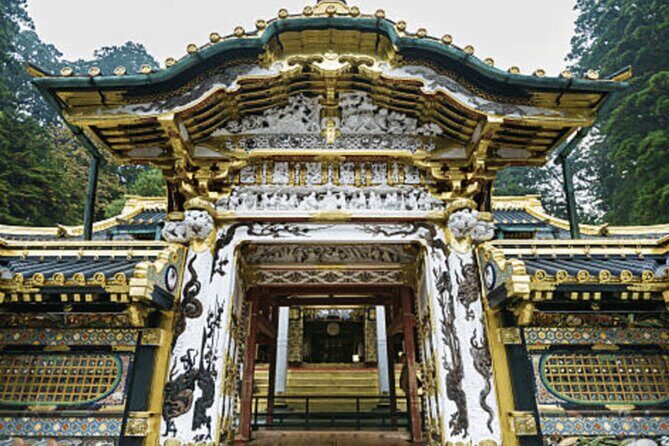
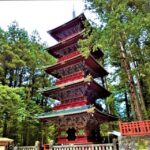
- Nikko Toshogu Shrine, UNESCO-listed with standout landmarks like Yomeimon Gate and the Five-Story Pagoda
- English-speaking local guide who explains what you’re actually looking at, not just where to stand
- A customizable 6-hour route so you can spend more time on the parts you care about
- Big and small Nikko stops: Toshogu plus nearby temples and nature scenery
- A calmer pace since it’s private, so you can ask questions without racing
Nikko Toshogu Shrine: carvings, gates, and the Tokugawa link
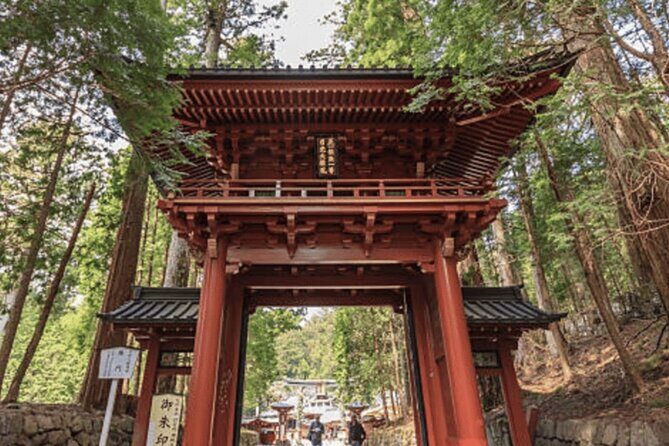
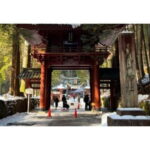
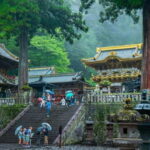
If you only do one thing in Nikko, it’s usually Toshogu. And for good reason. The complex is a UNESCO World Heritage Site, dedicated to Tokugawa Ieyasu, the founder of the Tokugawa shogunate, which ruled Japan for more than 250 years. The shrine complex was established in 1617, and that Edo-era authority shows in everything from the building density to the sheer volume of decoration.
Walking into the cedar forest is your first hint that this isn’t a plain shrine visit. The buildings sit among ancient cedar trees, and the contrast matters: the quiet forest sets you up to notice the work put into the architecture and carvings. Your guide helps you see how the site mixes Shinto and Buddhist elements, which fits the spiritual blending common to the period.
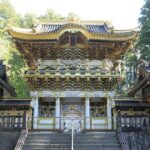
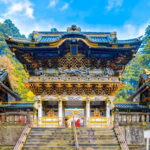
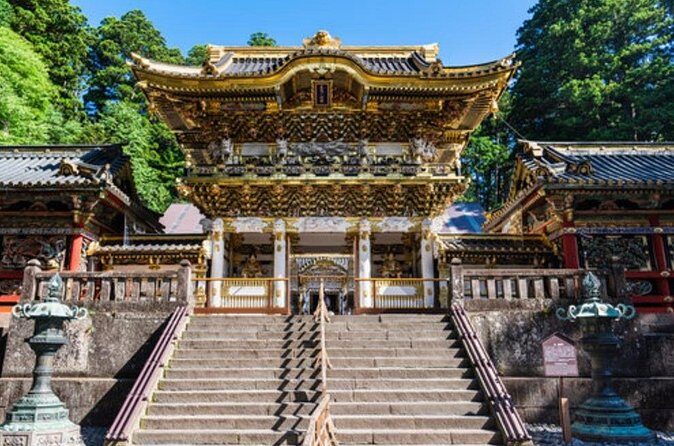
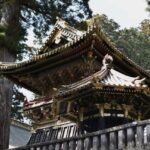
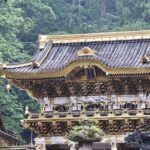
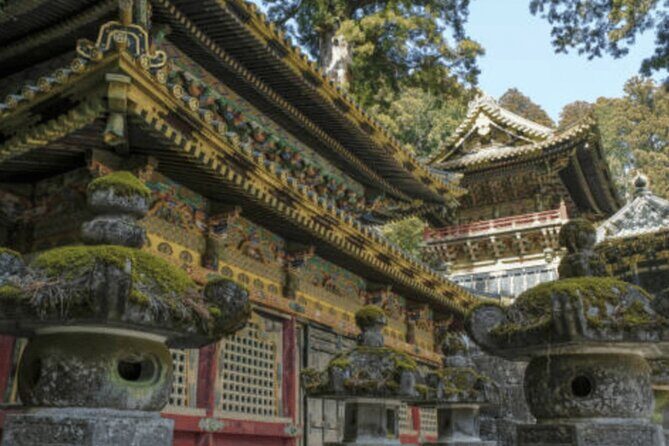
The highlight sequence you’ll focus on includes several “you’ll recognize this” stops, plus the smaller points that make those stops click. Yomeimon Gate, nicknamed the Gate of Sunlight, is known for more than 500 carvings—mythical creatures, flowers, and sages packed into the design. If you’ve seen pictures, it can still surprise you in person because the details aren’t just decorative; they’re part of how the shogunate projected power and protection through art.
Next up is the Five-Story Pagoda, famous for its striking red look and detailed Edo-period design. It’s one of those structures that instantly gives your brain a “yes, this is Japan” moment, but the value here is having context for why it’s there and what style you’re seeing.
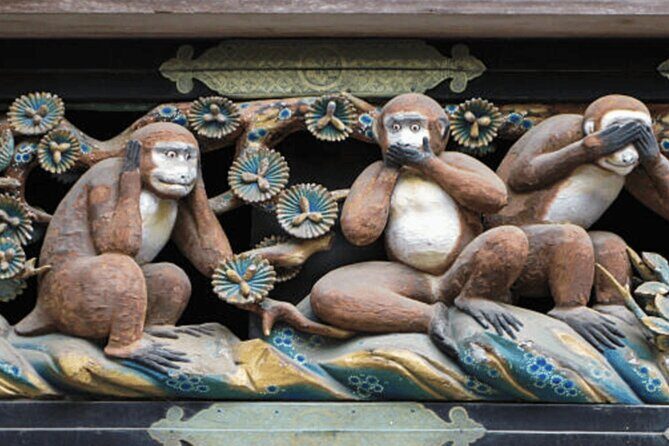
Two carvings are especially memorable when you know what they symbolize. The Nemuri-neko (Sleeping Cat) sits above the Kuguri-mon Gate. It’s often explained as a symbol connected to peace and calm. Then there are the Three Wise Monkeys—see no evil, hear no evil, speak no evil—used as a moral reminder tied to the ethical code of the Edo period.
If you’re into symbolism, this part of the tour is where you’ll feel the most payoff. The tour isn’t just moving you from point to point. It’s helping you read the shrine the way you’d read a page of text, with each gate and carving acting like a sentence.
You can also read our reviews of more guided tours in Nikko
How a private 6-hour custom tour changes the feel
A big reason I like private tours in Japan is simple: time becomes yours. Here, you get a private experience with a local guide and a walking tour format, and you can customize the itinerary. That matters in Nikko because the best experience often depends on your own interests—religious history, art and symbolism, or even a slower nature break.
This tour is planned for 6 hours. That’s long enough to see the core highlights without feeling like you’re constantly waiting. It’s also short enough that you can adjust if you want more time at Toshogu’s key spots, or if you’d rather spend a bigger chunk of the day on the nature scenery later.
The practical advantage: you can ask questions as you move. When you’re looking at carved ceilings, gate details, and multi-faith features, it helps to have a guide who can answer right then. You don’t have to guess why something is there, and you don’t have to translate from scratch.
One note to watch: transportation is described in a couple ways. The highlights talk about comfort and private vehicle service, but the details also list private transportation as not included. To avoid surprises, plan to sort out how you’re getting between stops based on your own starting point and the provider’s arrangements. It’s worth confirming ahead of time so you don’t end up paying extra at the wrong moment.
Rinnoji Temple and Futarasan Shrine: the extra layers near Toshogu
Toshogu gets the spotlight, but Nikko doesn’t stop there. A well-planned day includes nearby sites that broaden the picture and keep the visit from feeling one-note.
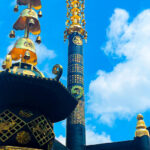
Rinnoji Temple is one of those stops where the first impression is hard to forget: it’s known for three large gold-lacquered wooden statues of the Buddha. Having that kind of scale in front of you changes how you experience the whole region. It reminds you that Nikko isn’t only Tokugawa memorial art; it’s also a working religious center with its own artistic statement.
Then there’s Futarasan Shrine. This one is dedicated to the deities of the Nikko mountains. That matters because it ties the human story to the geography. Even if you’re primarily there for Edo-period symbolism, the shrine gives you a way to understand Nikko as a place where mountains carry spiritual meaning, not just scenic views.
What I like about this combination is the contrast. You move from Toshogu’s heavy ornament and Tokugawa connection to Rinnoji’s gold-lacquered Buddha presence, and then to Futarasan’s mountain-deity focus. The tour format keeps these as part of one continuous “Nikko picture,” rather than random add-ons.
If you’re the type who likes checking off the obvious highlights, you’ll still be satisfied. If you’re the type who cares about how the pieces connect, you’ll get more out of it than a straight-to-the-gate itinerary.
Kegon Falls and Lake Chuzenji: a nature pause that makes the day feel balanced
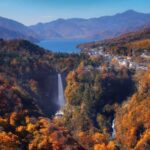
After the shrine complex, you need an exhale. That’s where Kegon Falls and Lake Chuzenji come in. These are your nature stops that balance the ornate architecture earlier in the day.
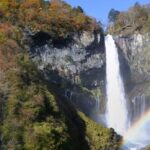
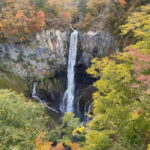
Kegon Falls is a must-see for many people because it adds motion and scale to the trip. You go from carvings and gates to a big outdoor scene where the focus isn’t tiny detail; it’s what you can take in at a glance. Even if you’re not a waterfall fanatic, you’ll feel the shift in mood.
Lake Chuzenji rounds out the day with open scenery. It’s a nice complement to the cultural stops because it gives you space to absorb the setting. This is also where a customizable private schedule helps: if you want more time outdoors, you can often adjust the balance of the day toward the views.
The practical takeaway is that nature here isn’t an afterthought. It functions like a mental reset. You get back your legs, your camera rhythm slows down, and when you look back at the shrine story later in the day, it feels more complete.
Private guide value: what you’re really paying for
Price is $214 per person for a 6-hour experience in Honshu. On the surface, that’s not cheap. But it makes more sense when you think about what’s included and what’s not.
What you are getting includes a private tour, a walking tour, and an English-speaking local guide. And the itinerary is customizable. Entrance fees, lunch, personal expenses, and transportation fees for yourself are not included. Private transportation is also listed as not included, and guide necessary expenses are excluded as well.
So the value isn’t the ticket price math. It’s the time math. You’re paying for a guided, structured day where someone can explain Nikko’s key symbols—like the Sleeping Cat carving and the Three Wise Monkeys—while you’re standing right in front of them. That kind of interpretation is hard to recreate with apps if you don’t speak Japanese well or you’re tired after transit.
There’s also an attention benefit with a private setup. With a group tour, you often follow a pace. Here, the pace is yours, which is especially helpful at a dense site like Toshogu where the best experiences happen when you can pause and look longer.
Also consider your travel style. If you love self-guided strolling and you’re happy reading plaques and maps on your own, you might feel this is overkill. If you want to understand what you’re seeing—fast, in plain English—this format usually pays off.
You can also read our reviews of more private tours in Nikko

What’s included on the ground (and what to budget for)
Here’s what the tour includes:
- Private tour
- Walking tour
- English-speaking local guide
- Customize the itinerary
Here’s what you should plan to cover separately:
- Personal expenses
- Entrance fees for yourself
- Transportation fees for yourself
- Lunch for yourself
- Guide’s necessary expenses during the tour
- Private transportation
This is the part where smart budgeting saves stress. Since entrance fees and lunch are not included, I’d plan your day so you aren’t forced into quick, expensive decisions. Also, if you’re trying to minimize extra spending, ask yourself how many paid entrances you actually plan to use. The tour includes the key cultural stops and the big nature sights, but the exact entry costs depend on what you choose to visit during customization.
Who this tour suits best in Nikko
This is a strong fit if you want:
- A guided explanation at Toshogu, especially for the carvings and Edo-period symbolism
- A day that covers the major Nikko highlights plus nearby sites
- An itinerary that can flex with your interests
- A private setting where you can ask questions and go at your own pace
It may be less ideal if:
- You’re mostly satisfied by photos and don’t care about context
- You’re traveling with a tight budget and want to keep everything strictly to self-guided costs
- You don’t want to walk as much as a walking-tour format requires
If you’re pairing Nikko with other nearby stops, 6 hours also works well as a focused segment rather than trying to cram everything into one day.
Should you book this Nikko private custom tour?
I’d book it if you want Nikko Toshogu to make sense as more than just ornate scenery. The combination of an English local guide, customizable pacing, and a clear set of key stops—Toshogu, Rinnoji, Futarasan, plus Kegon Falls and Lake Chuzenji—creates a day that feels organized without feeling rushed.
I’d skip it if you already know the symbolism you care about and you’re confident navigating and timing on your own. Also skip it if the extra add-on costs (entrances, lunch, and possibly transportation) would feel tight for your trip.
For most first-timers, this tour hits the sweet spot: you get the major sights plus the context that turns them from “seen” into “understood.”
FAQ
How long is the Nikko private custom tour?
It’s 6 hours long.
Is this tour private or shared?
It’s a private group tour.
Will the guide speak English?
Yes. The live tour guide is English speaking.
Can the itinerary be customized?
Yes. The tour is customizable.
What main places are covered?
The tour focuses on Nikko Toshogu Shrine and also includes nearby attractions such as Rinnoji Temple, Futarasan Shrine, Kegon Falls, and Lake Chuzenji.
Are entrance fees included?
No. Entrance fees for yourself are not included.
Is there free cancellation?
Yes. You can cancel up to 7 days in advance for a full refund.