REVIEW · NIKKO
Private Nikko Early Morning Tour with English-Speaking Guide
Book on Viator →Operated by GuideMe Japan · Bookable on Viator
Shrines talk before the crowds do. This private Nikko morning tour takes you straight into Japan’s spiritual and political world, pairing the showpiece Tōshō-gū Shrine with the calmer, older Futarasan Shrine. You get an English-speaking guide and focused time at both sites, so the carvings, legends, and rituals don’t feel like random decoration.
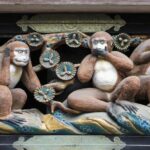
I love how the first stop is built for understanding—Tōshō-gū’s gold-leaf details, massive scale, and even the famous monkeys (see no evil, speak no evil, hear no evil) come with context you can actually use. I also like the contrast: after the ornate Shinto shrine for shogun Tokugawa Ieyasu, Futarasan gives you forest quiet and a different kind of meaning tied to mountain worship.
One consideration: you’ll want shoes for a moderate walk. You’re covering two major sites in about four hours, and the tour is private, so there’s no built-in slack if you move slowly.
In This Review
- Key highlights worth your early start
- Why this Nikko morning tour works (and feels worth it)
- Price and logistics: what you’ll actually pay for
- Start at Tōbu-nikkō Station: the part that saves you time
- Stop 1: Tōshō-gū Shrine and why the carvings are not random
- Stop 2: Futarasan Shrine—quiet forest worship with real age behind it
- The guide makes the difference: what stood out about Amane
- Who this tour is best for (and who might want something else)
- Timing and duration: how to plan your day around it
- Practical tips so you get the most from both shrines
- Should you book this Nikko Early Morning History Tour?
- FAQ
- What does the tour visit?
- How long is the tour?
- Is the tour private?
- Are tickets included?
- What’s the meeting point?
- What language is the guide?
- Is transportation included in the price?
- Do I need a printed ticket?
- Can I cancel for free?
- What fitness level do I need?
- Ending thought
Key highlights worth your early start
- Private, English-speaking guiding with room for questions (including what those famous carvings mean)
- Tōshō-gū admission included, so you don’t have to manage the ticket step for the big-ticket site
- Futarasan is free to enter, giving you a budget-friendly second anchor to the morning
- A strong contrast in tone: political Shinto spectacle vs. quiet mountain worship
- Mobile ticket for easier check-in
- Amane’s style stood out in multiple 5-star comments: patient, funny, personable, and very on-point
Why this Nikko morning tour works (and feels worth it)
Nikko can overwhelm you fast if you just wander. You see the buildings, you read a sign or two, and then you’re left guessing what matters most. This tour fixes that problem in a practical way: it groups two key shrines into one about-4-hour morning and gives you an English-speaking guide to connect the dots.
You’ll spend roughly 1 hour 30 minutes at Tōshō-gū and 1 hour at Futarasan. That time plan is important because both places deserve more than a drive-by, but you’re also not locked into all-day logistics. The result is a morning with momentum—and a route you can understand as you go.
The other value factor is what you’re really paying for. At $54.73 per person, you’re not just buying entry. You’re buying interpretation: what Tokugawa Ieyasu’s shrine is trying to communicate, and why mountain-worship traditions still shape the atmosphere at Futarasan. Add in the fact that Tōshō-gū admission is included and Futarasan entry is free, and the math shifts from pricey to fair—especially compared to doing one site alone with no guide.
Finally, this tour is run by GuideMe Japan and has an Instagram presence (so you can usually find more visual context on the guides and atmosphere). If you like planning with your eyes first, that helps.
You can also read our reviews of more guided tours in Nikko
Price and logistics: what you’ll actually pay for
The headline price is $54.73 per person, and the tour includes an English-speaking guide. What’s not included is transportation fee: ¥700 per person, plus any food and drinks you want.
That ¥700 detail matters more than it sounds. If you’re coming from nearby on public transit, you may still have a local leg that the tour covers (or coordinates) at that per-person cost. If you prefer to DIY everything and keep zero extra fees, this is one item to budget for.
You should also plan for the meeting point: Tōbu-nikkō Station (address listed as 4-3 Matsubaracho, Nikko, Tochigi 321-1406, Japan). The tour ends back at the meeting point, so you don’t need to figure out a second drop-off.
And yes, it uses a mobile ticket, which tends to make check-in faster. Just make sure your phone battery is healthy.
Start at Tōbu-nikkō Station: the part that saves you time
Meeting at Tōbu-nikkō Station is convenient because it’s a central arrival point for people rail-ing into Nikko. Starting there also keeps the tour easy to plug into your day. You’re not forced into a complicated rendezvous or a hard-to-find side street.
Once you meet your guide, you’ll move into the two-site plan: ornate Tōshō-gū first, then the quieter Futarasan area. The order is smart. When your brain is still fresh, the meaning-heavy visuals of Tōshō-gū land better. Then you can shift gears to peace and forest calm.
Stop 1: Tōshō-gū Shrine and why the carvings are not random
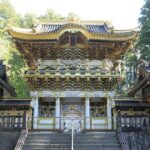
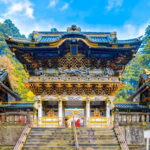
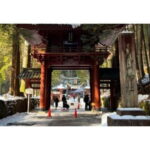
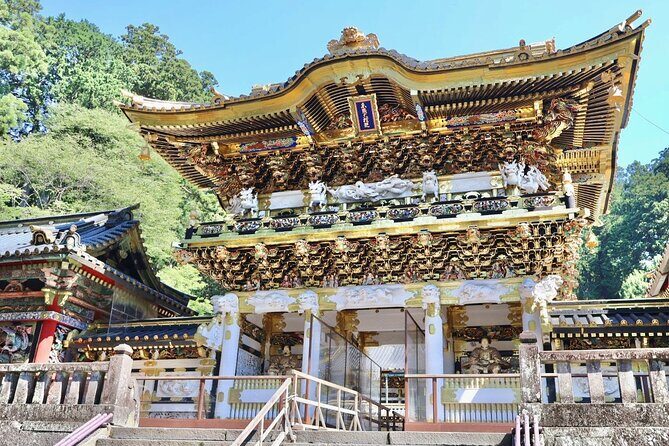
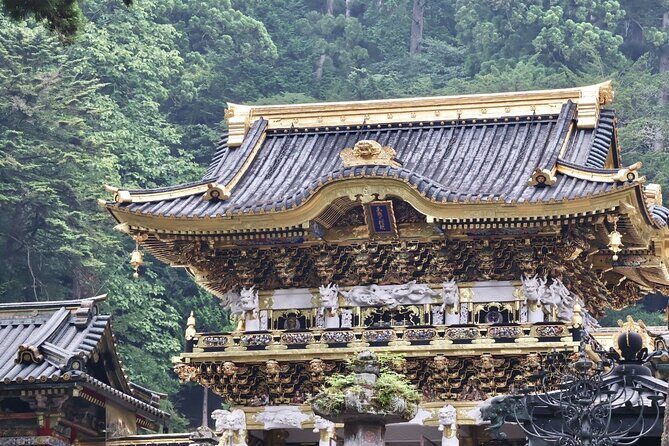
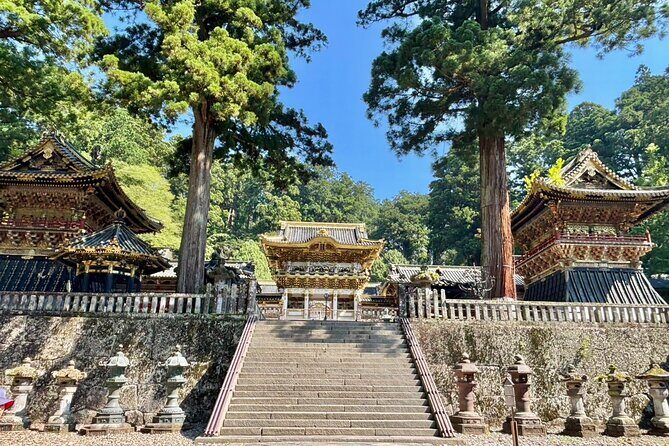
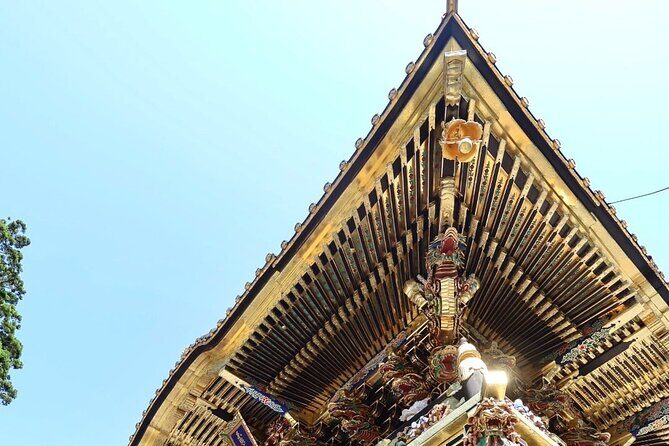
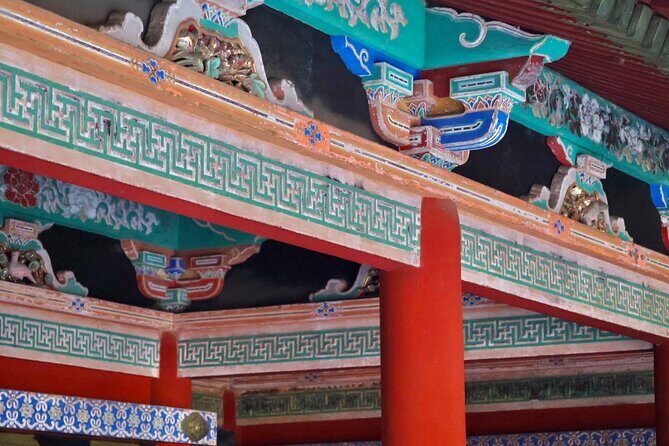
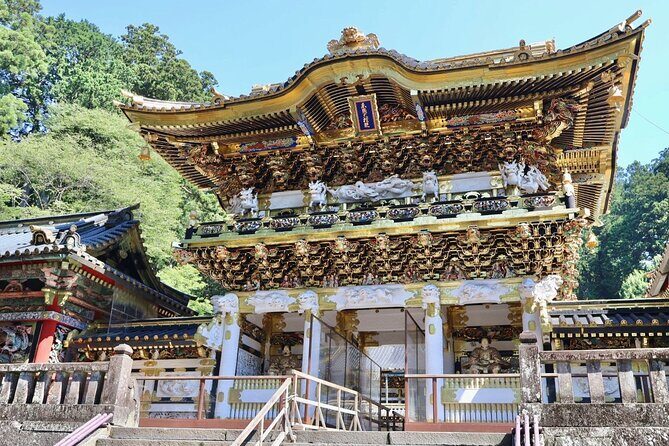
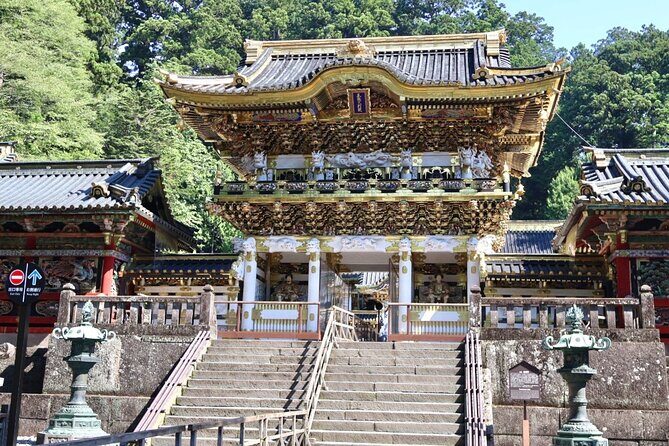
Tōshō-gū is the big name in Nikko, and it earns it. It’s a Shinto shrine dedicated to Tokugawa Ieyasu, the founder of the Tokugawa shogunate, and it’s famous for being unusually ornate even by Japanese shrine standards.
What you’ll notice right away:
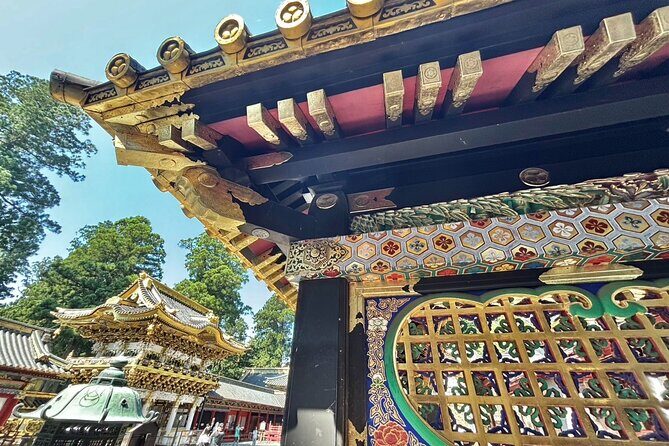
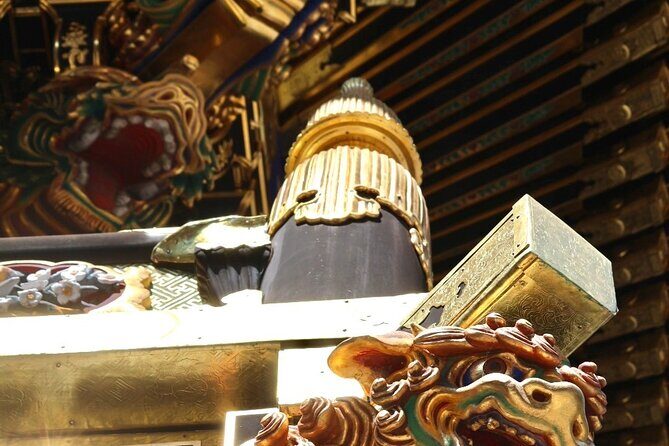
- Gold-leaf details and dramatic, high-contrast decoration
- Massive, carefully designed structures rather than small “just a shrine” stops
- Iconic motifs like the monkeys: see no evil, speak no evil, hear no evil
Here’s the practical part: if you come without context, the shrine can feel like visual overload. With a guide, it becomes a set of meanings. You’ll learn how the shrine’s design and symbolism relate to the political and spiritual messaging around Tokugawa Ieyasu.
This is also one place where a good guide can steer you toward what’s worth your attention, instead of letting you drift. The included time—about 1 hour 30 minutes—is enough to see the highlights without feeling rushed. And since Tōshō-gū admission is included, you’re not stuck buying tickets at the moment you want to be taking it all in.
Potential drawback: if you’re the type who wants zero structure and maximum wandering time, you might feel the pacing. This is a story-driven tour, not a free-roam pass. That’s usually a plus for most people in Nikko, but worth noting.
Stop 2: Futarasan Shrine—quiet forest worship with real age behind it
Then you switch from spectacle to stillness at Nikkō Futarasan Shrine. This is a different kind of experience, and that contrast is one of the best reasons to book this specific tour.
Futarasan is dedicated to deities tied to Mt. Nantai, Mt. Nyoho, and Mt. Taro, and it has been a spiritual center for mountain worship for over 1,200 years. The foundation year you’ll hear is 767, which gives you a sense of how long this place has mattered.
What makes the stop feel special is the setting and tone. You’re surrounded by forest atmosphere—tranquil, older, and less “theme park shrine” feeling. Instead of leaning on the political drama of Tōshō-gū, Futarasan leans into an almost physical sense of quiet.
You get about 1 hour here, and unlike Tōshō-gū, entry is free. That matters for value: you can spend your time reading the space, not paying another ticket cost.
Why this stop is valuable even if you’re not religious: you’ll come away with a better sense of how Japanese sacred sites often work—where nature, belief, and ritual can overlap without needing to explain it with modern words. It’s the kind of place that changes your pace, even if you’re only there for an hour.
You can also read our reviews of more private tours in Nikko

The guide makes the difference: what stood out about Amane
A strong tour lives or dies by the guide, and here that’s a repeated theme. One standout comment named Amane and praised the guide as a real pro—informative, patient, funny, and personable.
That combination is more than nice personality. It’s what turns a shrine visit into understanding. When you’re asking questions about legends or carvings, you want someone who can slow down, clarify, and still keep energy moving. Amane’s style seems to do exactly that.
Also, because this is a private tour (just your group participates), you’re less likely to feel like you’re waiting for the group to catch up. You can ask follow-ups, and the pacing can fit your rhythm.
Who this tour is best for (and who might want something else)
This tour is a strong match if you:
- Want the two most important Nikko shrine experiences without building your own route
- Prefer English-speaking interpretation over reading alone
- Enjoy symbolism and stories, especially around Tokugawa-era meaning and shrine art
- Like a morning plan that takes about 4 hours and leaves the rest of the day open
It may be less ideal if you want:
- A long, unstructured wander time at just one site
- Zero walking and zero schedule
- To avoid a guided flow altogether (this is built around storytelling)
The tour also says travelers should have moderate physical fitness. That’s usually fine for most people who can handle a shrine visit in the early day, but I’d recommend comfortable footwear either way.
Timing and duration: how to plan your day around it
With a duration of about 4 hours, you can treat this like a morning anchor. It’s early enough to give you momentum and later enough that you’re not dealing with the absolute darkest start times.
Because the tour ends back at Tōbu-nikkō Station, you can easily connect to whatever comes next: lunch, more sightseeing, or a return trip.
If you’re the kind of traveler who hates rushing, this timing helps. It’s long enough to avoid the “blink and miss it” feeling at the big shrine, but not so long that you lose your whole day.
Practical tips so you get the most from both shrines
- Bring water and a small snack plan. Food and drinks aren’t included, so decide ahead of time where you’ll eat after.
- Wear shoes that can handle shrine grounds. The itinerary is short, but it’s still real walking.
- Have your phone charged for the mobile ticket.
- Take your time with the monkey motifs at Tōshō-gū. The guide’s explanations make these easier to remember later.
- At Futarasan, shift your pace on purpose. Let the forest quiet do its job—don’t treat it like another photo sprint.
Should you book this Nikko Early Morning History Tour?
If you want a clear, efficient Nikko morning with meaning—not just scenery—I’d book it. The value is strongest when you care about understanding why these shrines look the way they do: the ornate messaging at Tōshō-gū and the older mountain-worship atmosphere at Futarasan.
It’s also an easy decision if you trust guiding. Multiple excellent comments highlight a guide named Amane for being patient, funny, and highly effective at explaining what you’re seeing. And with Tōshō-gū admission included plus free entry at Futarasan, the plan is financially sensible.
Only skip it if you’re looking for a totally free-form experience, or if you’d rather spend much longer at one shrine than split your time between two.
FAQ
What does the tour visit?
You’ll visit Tōshō-gū Shrine and Nikkō Futarasan Shrine in Nikko.
How long is the tour?
It’s about 4 hours.
Is the tour private?
Yes. It’s a private tour/activity, and only your group participates.
Are tickets included?
Tōshō-gū admission is included, while Futarasan Shrine entry is free.
What’s the meeting point?
The tour starts at Tōbu-nikkō Station (4-3 Matsubaracho, Nikko, Tochigi 321-1406, Japan) and returns there at the end.
What language is the guide?
The tour includes an English-speaking guide.
Is transportation included in the price?
No. There is a transportation fee of ¥700 per person that is not included.
Do I need a printed ticket?
No. This experience uses a mobile ticket.
Can I cancel for free?
Yes. You can cancel up to 24 hours in advance for a full refund.
What fitness level do I need?
The tour notes moderate physical fitness is required.
Ending thought
This is a smart Nikko plan if you want both the famous shrine drama and the quieter, older mountain tradition—explained in plain language, with a guide who knows how to keep it moving without rushing your attention.
You Might Also Enjoy
 Full Day Tour of Kyoto with Private Transportation
 Niseko ⇔ New Chitose Airport Private Transfer | Licensed Driver
![[electric bicycle tour]: 6-hour travel course by electric bicycle Asakusa, Ueno Park, Edo-Tokyo Museum, and Sky Tree. (There is a support car.) - Lunch at Ednoren: How to Plan Your Meal Without Losing Time](https://images.thejapantraveler.com/wp-content/uploads/electric-bicycle-tour-6-hour-travel-course-by-electric-bicycle-asakusa-ueno-park-edo-tokyo-museum-and-sky-tree-there-is-a-support-car.jpg) [electric bicycle tour]: 6-hour travel course by electric bicycle Asakusa, Ueno Park, Edo-Tokyo Museum, and Sky Tree. (There is a support car.)
[electric bicycle tour]: 6-hour travel course by electric bicycle Asakusa, Ueno Park, Edo-Tokyo Museum, and Sky Tree. (There is a support car.) Osaka: Sumo Stage Show with Bento or Snack + Fight & Photo