REVIEW · NIKKO
1 Day Nikko Wonders Tour from Tokyo
Book on GetYourGuide →Operated by Joyful Japan Tours · Bookable on GetYourGuide
One day, four Nikko highlights. This Tokyo-to-Nikko tour strings together big-name views like Kegon Falls and Shinkyo Bridge with real time to breathe in the mountains.
I especially like the Lake Chūzenji stretch: lunch plus a boat cruise and even a duck boat ride, all with views toward Mount Nantai. Second, I like the private-group format—up to five people—with pickup and drop-off options across the Tokyo area.
My one caution: the schedule moves. If you hate time pressure, this day can feel a bit packed at each stop.
In This Review
- Key Things to Know Before You Go
- Nikko in One Day: What You’ll See and What It Costs You
- Getting Out of Tokyo: Pickup Options and a Scenic Start
- Kegon Falls: Views First, Then Your Own Pace
- Lake Chūzenji: Lunch Plus Boat Cruise, With Mount Nantai in Sight
- Shinkyo Bridge: The UNESCO Gateway Moment You Can Actually Enjoy
- Nikko Futarasan jinja: Guided Shrine Time That Shouldn’t Feel Like a Sprint
- Guide Style in a Private Group: Fun Conversations vs. Minimal Explanation
- Timing, Comfort, and Safety: How to Protect Your Day
- Price and Value: When $387 Makes Sense
- Best Fit: Who This Nikko Wonders Day Trip Works For
- Things to Watch Before You Lock It In
- Should You Book This Nikko Wonders Tour?
- FAQ
- What are the main stops on the 1-day Nikko tour?
- How long is the tour?
- What pickup locations are available?
- Where can I be dropped off after the tour?
- What’s included in the price?
- What activities happen at Lake Chūzenji?
- How long do you spend at each stop?
- What languages are the live guides available in?
- Is the tour wheelchair accessible?
- What cancellation options are available?
- Is there a reserve and pay later option?
Key Things to Know Before You Go
- Tokyo-area pickup for up to 5 across Chiba, Tokyo, Yokohama, Saitama, and Kanagawa
- Scenic ride to Nikko that’s part of the fun, not just “getting there”
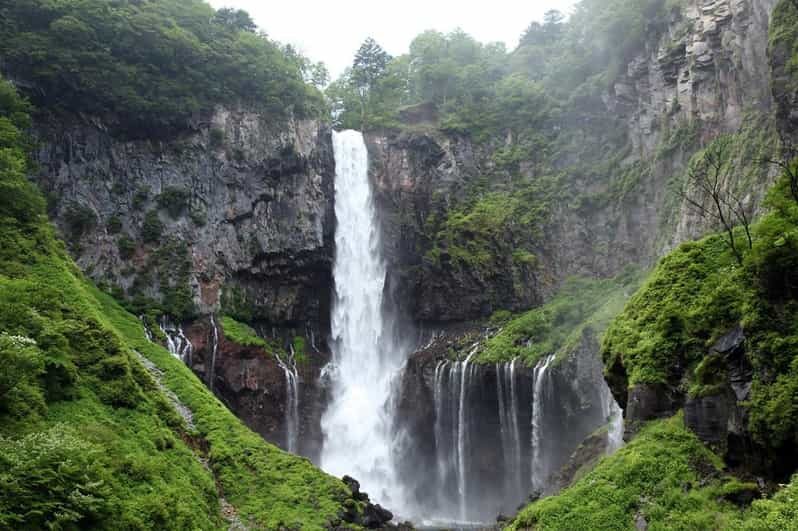
- Kegon Falls for photography and viewpoints with about 1.5 hours on site
- Lake Chūzenji includes lunch, boat cruise, and duck boat time for about 2 hours
- Shinkyo Bridge as the UNESCO gateway moment with a dedicated 1.5-hour break/visit
- Guided shrine time at Nikko Futarasan jinja plus wheelchair accessibility
Nikko in One Day: What You’ll See and What It Costs You
Nikko is one of those places that works on multiple levels. You can go for the shrines and UNESCO setting, but the day also gives you water, forest air, and wide views. In a single outing, you get the classic Nikko hits plus a nature-focused pace.
This tour is priced at $387 per group (up to 5 people). That’s the key to value: it’s not really aimed at solo travelers unless you’re okay paying for convenience. In a group of four or five, it starts to feel like a practical way to see a lot without steering, transfers, or schedule headaches.
The trade-off is time. You’ll have limited windows at each major stop, so plan to be decisive: decide your “must-see photo angles,” then enjoy the rest without getting stuck in the slowest line.
A few more Nikko tours and experiences worth a look
Getting Out of Tokyo: Pickup Options and a Scenic Start
You’ll be picked up with options across the Tokyo area: Tokyo, Chiba, Yokohama, Saitama, and Kanagawa. That matters because Nikko day trips can turn into a logistics puzzle. Here, the whole point is that you start the day with someone handling the route and meeting you at a defined pickup spot.
The ride itself is part of the experience. The Nikko journey is described as moving through lush areas along the Kinugawa River, with train-style scenery that feels like an escape from city walls. Even if you’re not a big “transit person,” this is the kind of scenic commute that keeps your energy up for the sights later.
This is also a private group experience. That usually means less waiting around with strangers and more flexibility inside the day—within reason, since the day still has set stop durations.
Kegon Falls: Views First, Then Your Own Pace
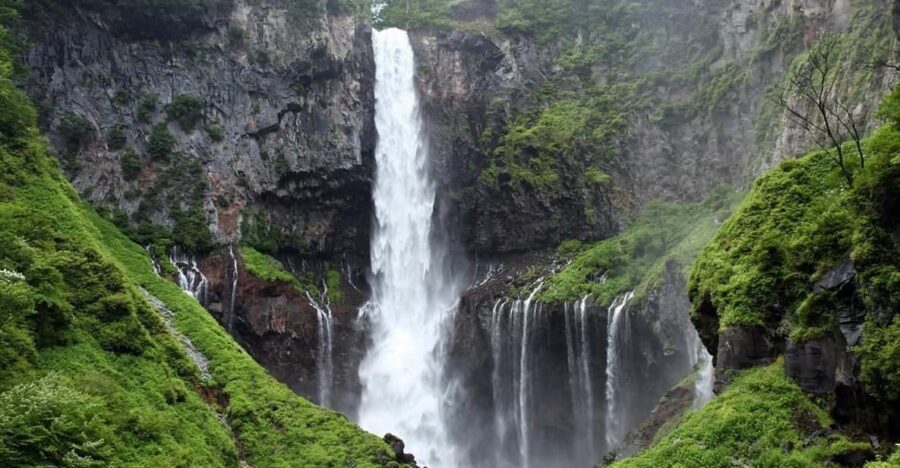
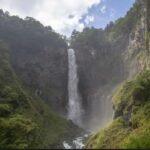
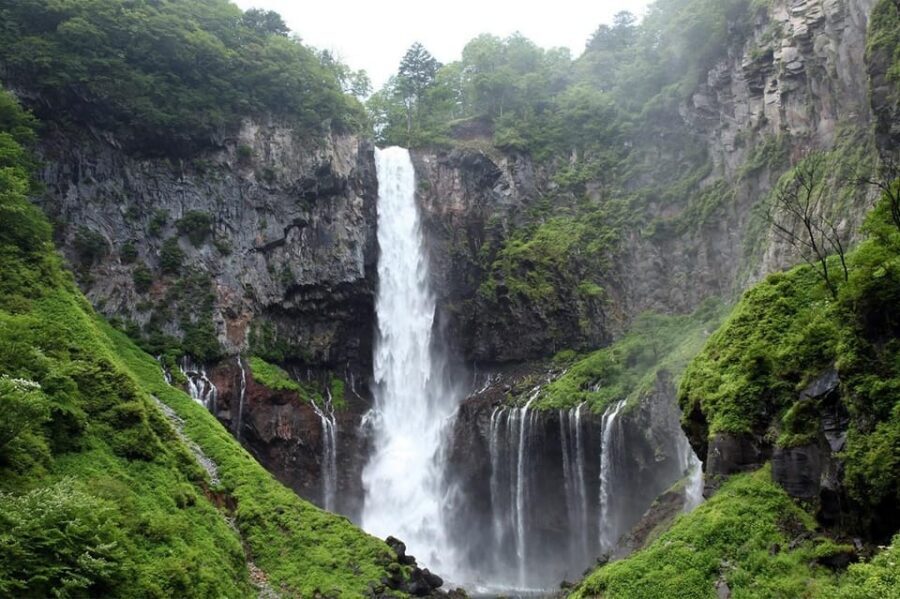
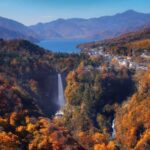
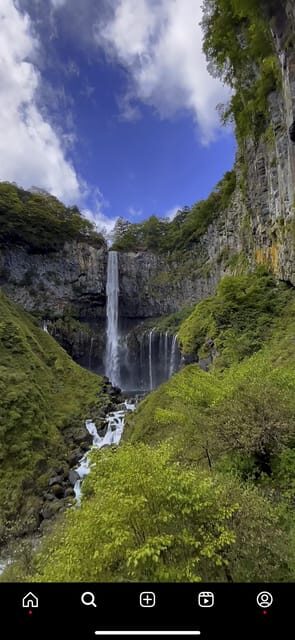
Kegon Falls is a headline moment in Nikko, and you get a focused block for it: about 1.5 hours. You’ll spend time sightseeing at the falls area, and the way there comes with scenic views too, so you’re not arriving to a “now go stand in a crowd” feeling.
What I like about this stop is the balance. You get guided context and then self-guided time to walk to viewpoints and take photos without feeling chased. If you’re the type who likes to linger at the best angles, this time window gives you room to do it.
Practical mindset: at waterfalls, crowds and weather are real variables. So keep your plan simple. Pick one or two viewpoints, get your photos, then enjoy the sound and misty atmosphere without trying to cram in every possible angle.
Lake Chūzenji: Lunch Plus Boat Cruise, With Mount Nantai in Sight
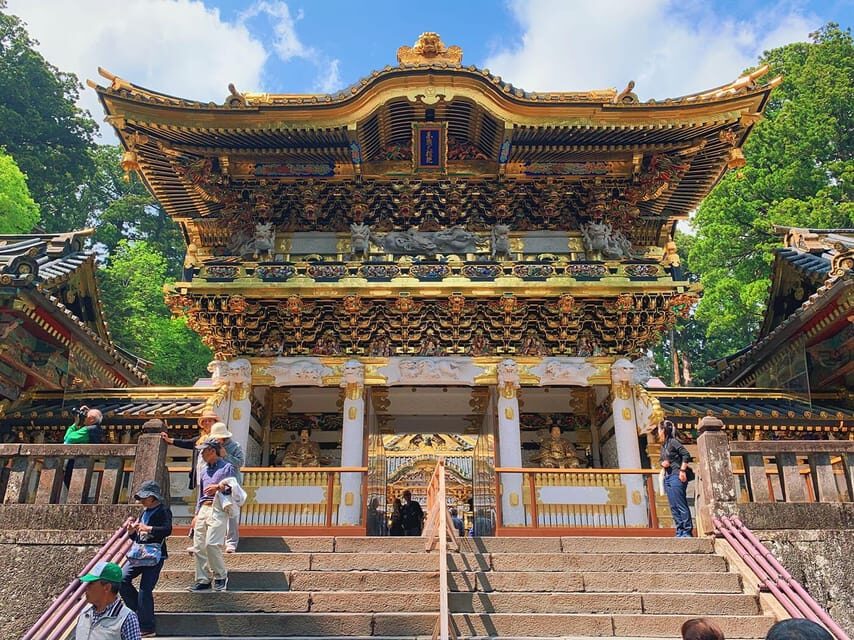
Then you shift from waterfall drama to highland calm at Lake Chūzenji. This stop runs about 2 hours, and it’s structured around the best way to enjoy a big lakeside: food, time on the water, and views from more than one angle.
Here’s what you should expect:
- Lunch (included)
- A boat cruise (included)
- A duck boat ride (included)
- Time to walk, look, and take photos
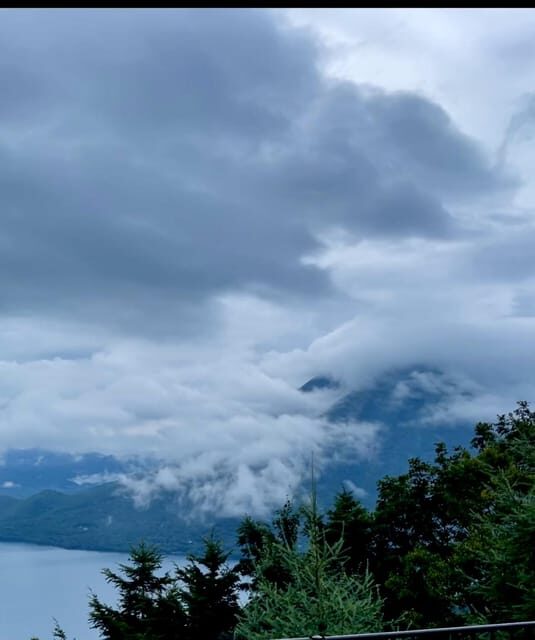
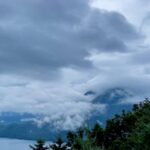
Lake Chūzenji is described as a highland lake formed by volcanic activity, and the view line toward Mount Nantai is a major reason people come. The cruise is the value add because you can look over the water while your feet stay planted—rare peace in a one-day trip.
What to do with your time: eat first, then go outside. Lakes feel best when you’re not rushed mid-meal into your next movement. Also, if you’re photo-heavy, aim to get at least a few shots from the main shore area before you board—then compare those with views from the water.
Shinkyo Bridge: The UNESCO Gateway Moment You Can Actually Enjoy
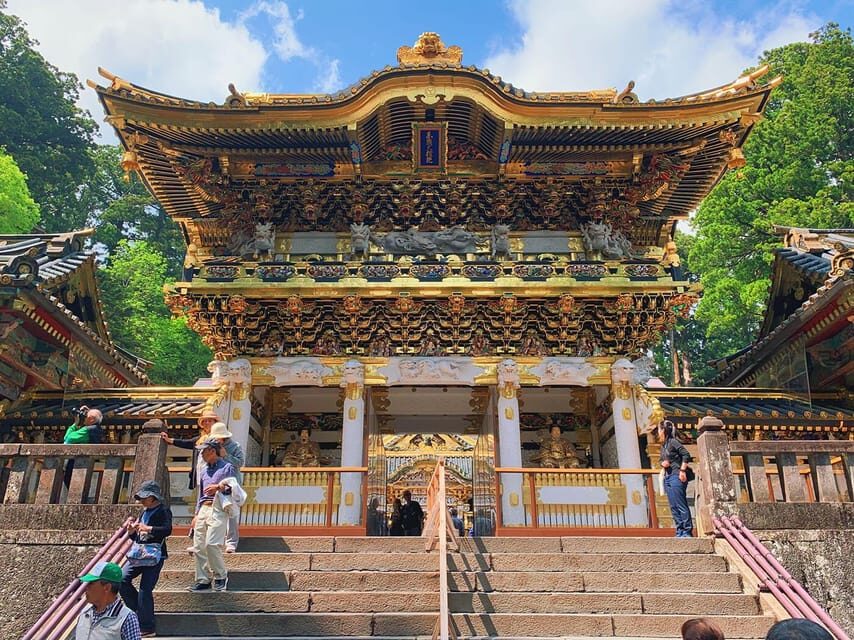
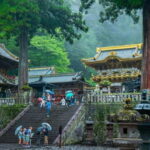
After the lake, you arrive at Shinkyo Bridge, which spans the Daiya River and marks the entrance to Nikko’s UNESCO World Heritage sites. Your time here is about 1.5 hours, with a break period built in.
This is a smart stop because it’s iconic but not complicated. You can do the classic photo moment, walk around at a comfortable pace, and still have time to regroup before the final shrine visit.
I also like the “break time” concept. Day trips often skip downtime. Here, you get a chance to step back, hydrate, and reset your brain before the last leg.
If you’re sensitive to crowds or lines, remember: UNESCO entry sites can be popular. Your best strategy is to keep your goals simple—get the bridge views you came for, then explore the immediate surroundings without over-optimizing.
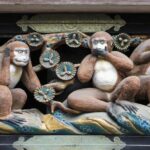

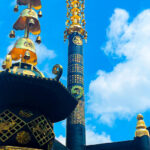
Nikko Futarasan jinja: Guided Shrine Time That Shouldn’t Feel Like a Sprint
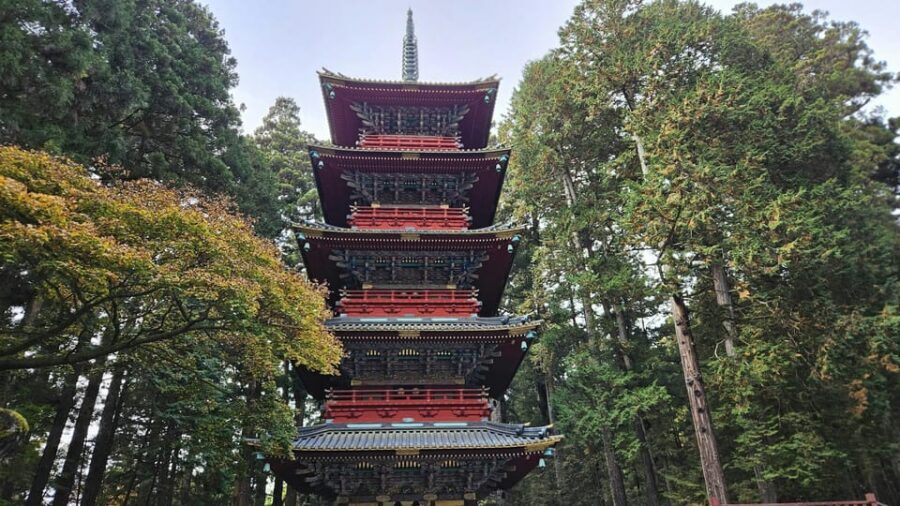
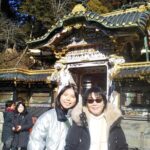
Your final main stop is Nikko Futarasan jinja, with about 1 hour of guided sightseeing. A guided shrine visit can be great, because the value of shrines isn’t just what you see—it’s what you understand while you’re standing there.
One useful thing to know from the variety of guide styles you might encounter: some guides offer lots of verbal context, while others mainly manage timing and keep the day moving. Either way, you’ll want to ask a simple question early in the visit. Example: what’s the main tradition here, and what detail should I watch for?
Also, plan for a more reverent pace than the waterfall and lake stops. This part of the day is about attention, not speed. If you show up already rushing mentally, the shrine can feel flat. If you slow down, you’ll likely get more meaning out of the hour.
Guide Style in a Private Group: Fun Conversations vs. Minimal Explanation
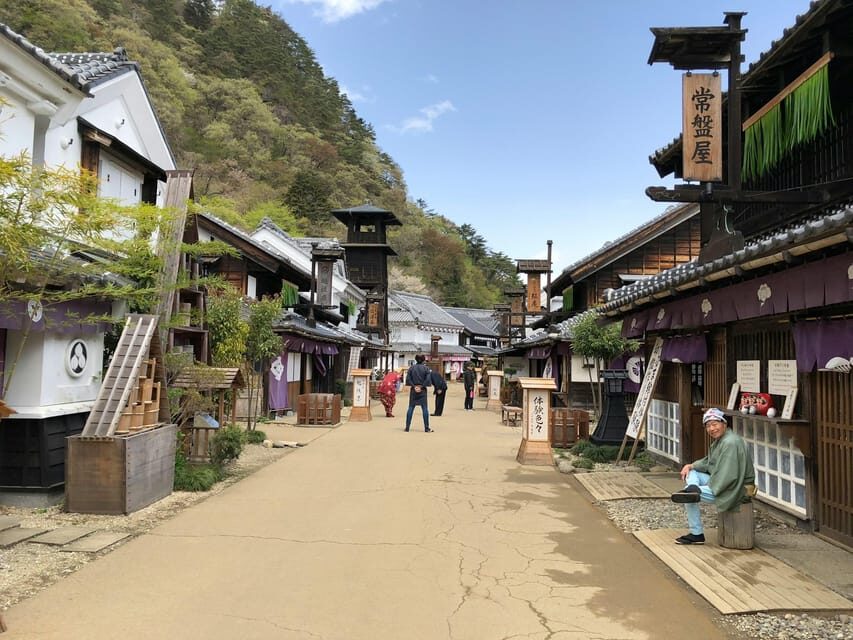
This is where your experience can swing.
On the praised side, some guides are friendly, easy to talk with, and actively help you make the most of the limited time. One named example is Mr Haroon, who’s described as taking the best places, driving well, and even using a different route to avoid heavy traffic. That kind of practical planning matters a lot on a one-day Nikko run.
On the other side, there have been complaints that the day felt more like being driven around than being fully guided, with a lack of explanations. There are also cases where the guide didn’t accompany at certain stops, which can make you feel like you missed context.
So here’s my practical advice: go in with questions. Before you arrive at the first stop, ask what you’ll learn at the next one. If you’re not getting explanations, you can still steer your own experience by asking for key points—what to look for, why it matters, and how to read what you’re seeing.
Timing, Comfort, and Safety: How to Protect Your Day
This tour includes hotel pickup and drop-off plus a comfortable ride. It’s also wheelchair accessible, and it runs as a private group.
Two real-world considerations come up in the experience details you should take seriously:
- Some people felt rushed because stop times weren’t held as expected.
- Some people flagged driving quality and car comfort issues like strong odor or abrupt driving.
You can’t control traffic or crowds, but you can control your communication. If pickup timing is crucial for you, contact the operator in advance to confirm details. If you’re particular about comfort (smells, seat position, motion sensitivity), tell the guide or driver early and be specific.
Also, since this day is packed, set expectations: you’re not doing everything at a leisurely pace. You’re doing the big moments, with a few nature interludes that make Nikko feel like more than just temples.
Price and Value: When $387 Makes Sense
Let’s break the price down in a way that helps you decide.
The tour is $387 per group up to 5. That’s a convenience price. You’re paying for:
- Pickup and drop-off across Tokyo-area meeting points
- A live guide
- The ride
- Time allocation across the major Nikko highlights
What’s not included is parking fees. That’s the one cost you might run into depending on the exact logistics of the day.
Value question: is this cheaper than doing everything yourself? Sometimes, yes—especially when you factor in how annoying one-day transfers can get. But the real “win” is less about saving money and more about saving mental energy. If you want a smooth Nikko day without planning train schedules and figuring out routing between falls, lake, bridge, and shrine, the price can feel fair.
If you’re traveling solo, you’ll feel the cost more. If you can share with friends, it becomes much easier to justify.
Best Fit: Who This Nikko Wonders Day Trip Works For
This is a good fit if you want a balanced Nikko day:
- Temples/shrine stop with guided sightseeing
- UNESCO-area icon time at Shinkyo Bridge
- Big nature hits at Kegon Falls and Lake Chūzenji
- Real “on the water” time with a boat cruise and duck boat ride
- A private-group setting with hotel pickup and drop-off
It also works for people who prefer a structured day. When time is short—like one day between Tokyo and somewhere else—this itinerary format helps you hit the highlights without guessing.
If you’re the type who loves deep, slow wandering (hours and hours at a single place), you might find the schedule tight. That’s not a flaw of Nikko—it’s just a mismatch of pacing.
Things to Watch Before You Lock It In
This tour can be excellent, but I’d manage three risk points:
- Schedule clarity: If you’re picky about pickup time and start timing, confirm ahead of time and keep an eye on day-of changes.
- Stop-time expectations: Waterfalls, lakes, and bridges are popular. Lines and timing can affect what you fully do on the ground.
- Guide interaction style: Ask for explanations early. If you’re traveling with questions, this is when you’ll get the most out of your hour at the shrine.
If you want to maximize satisfaction, arrive with a shortlist of what matters most: say you care about photos at Shinkyo Bridge and views on Lake Chūzenji. Then act decisively when you’re there.
That’s the best way to avoid the day feeling rushed.
Should You Book This Nikko Wonders Tour?
If you’re traveling with up to four other people, want a one-day Nikko highlights plan, and prefer being picked up and guided through the major stops, I’d say it’s worth considering. The inclusion of lunch and the water-time at Lake Chūzenji (boat cruise plus duck boat ride) is a strong value signal for a day trip out of Tokyo.
If you’re solo, extremely schedule-sensitive, or you want heavy storytelling at every stop, you should think twice and plan to ask lots of questions early in the day. In other words: book if you want convenience and classic Nikko hits. Skip it if you want a slow, flexible, deeply guided experience with lots of time at one site.
FAQ
What are the main stops on the 1-day Nikko tour?
You visit Kegon Falls, Lake Chūzenji (with lunch and boat-related activities), Shinkyo Bridge, and Nikko Futarasan jinja.
How long is the tour?
The duration is 1 day.
What pickup locations are available?
Pickup options include Chiba, Tokyo, Yokohama, Saitama, and Kanagawa.
Where can I be dropped off after the tour?
Drop-off locations include Chiba, Kanagawa, Saitama, Yokohama, and Tokyo.
What’s included in the price?
Included are hotel pickup and drop-off at Tokyo, a knowledgeable tour guide, and a comfortable ride. Parking fees are not included.
What activities happen at Lake Chūzenji?
At Lake Chūzenji you get lunch, a boat cruise, and a duck boat ride, plus sightseeing time.
How long do you spend at each stop?
Approximate time blocks are: Kegon Falls (1.5 hours), Lake Chūzenji (2 hours), Shinkyo Bridge (1.5 hours), and Nikko Futarasan jinja (1 hour).
What languages are the live guides available in?
The live tour guide is available in English, Japanese, and Hindi.
Is the tour wheelchair accessible?
Yes, the tour is listed as wheelchair accessible.
What cancellation options are available?
You can cancel up to 24 hours in advance for a full refund.
Is there a reserve and pay later option?
Yes, it offers Reserve now & pay later, meaning you can book your spot and pay nothing today.