REVIEW · TOKYO
From Tokyo: Mount Fuji Full Day Private Tour (Customizable)
Book on GetYourGuide →Operated by Info Visit Nippon Jp · Bookable on GetYourGuide
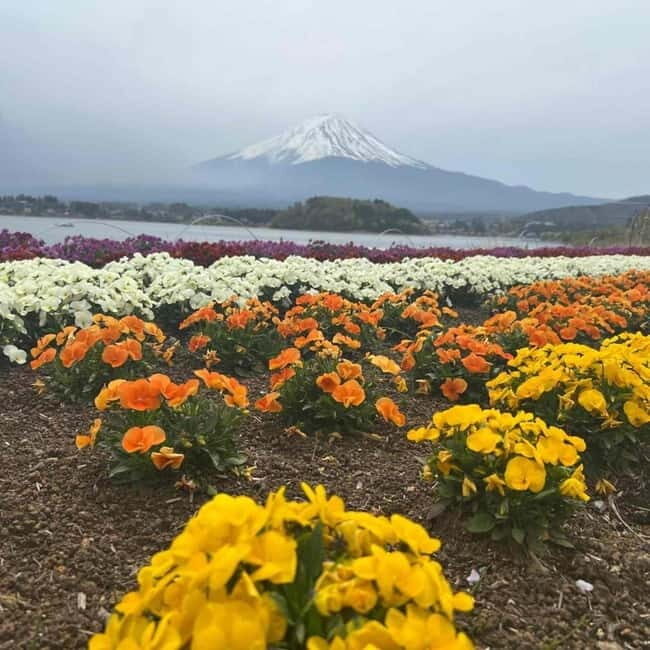
Fuji looks different when you chase it privately. This full-day experience is built for flexibility, with door-to-door pickup and photo stops at the classic viewpoints like Arakurayama Sengen Park and Chureito Pagoda.
I like two things a lot. First, the English-speaking driver setup plus 24/7 chat support means you can sort out timing, parking, and photo requests without stress. Second, you get real choice throughout the day, from Lake Kawaguchi options to optional Hakone add-ons, with tea, coffee, and bottled water kept ready in the car.
The main trade-off is that Fuji visibility depends on the weather, and the 5th Station sits at higher altitude—this tour notes it’s not suitable if you deal with altitude sickness.
In This Review
- Key things to love about this Mount Fuji private tour
- A private Fuji day that starts with less hassle
- How the day stays flexible when visibility changes
- Pickup, car comfort, and what you actually get during the drive
- Arakurayama Sengen Park: the classic start with real walking time
- Chureito Pagoda: photos first, but still a proper visit
- Mt. Fuji 5th Station: the height stop (and the altitude warning)
- Lake Kawaguchi: your choice of how you want to experience it
- Oshino Hakkai: traditional village vibes with a guided pace
- Lunch at a local restaurant: short break, clear limits
- Oishi Park for flowers and ice cream energy
- Kitaguchi-hongu Fuji Sengen Shrine: cultural stop that helps you read the area
- Adding Hakone: using the flexible schedule to match the day
- Gotemba Premium Outlets: a practical finale for shopping and sanity
- Price and value: is $353 per group reasonable
- Who this tour suits best
- Should you book this Mount Fuji private day tour?
- FAQ
- What is the price and group size for this Mount Fuji private tour?
- How long is the Mount Fuji private tour from Tokyo?
- Where is pickup available in Tokyo?
- What transportation is used during the tour?
- What’s included during the tour?
- Are meals and attraction entrance fees included?
- Can I customize the itinerary with Hakone stops?
- Is the tour wheelchair accessible?
- What happens if weather is bad or pickup is delayed?
Key things to love about this Mount Fuji private tour
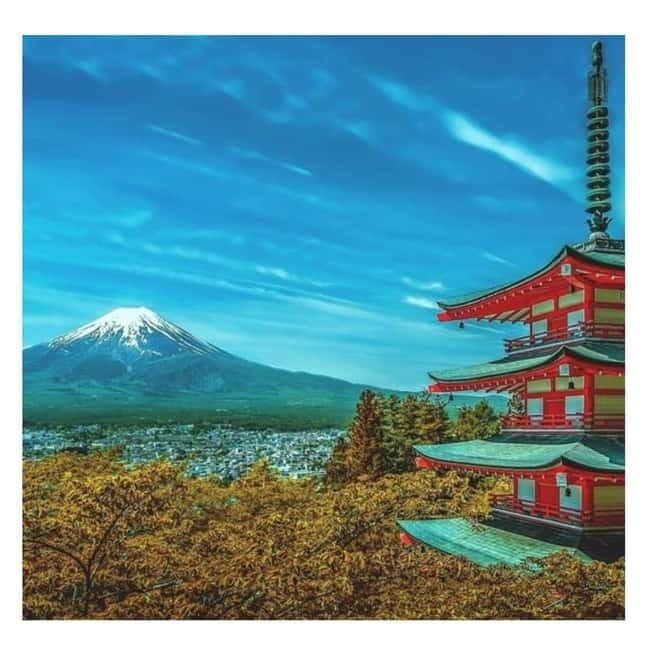
- Door-to-door pickup in Tokyo with a private, climate-controlled vehicle (Toyota Vellfire, Crown, or Land Cruiser options)
- English-speaking driver plus 24/7 chat support and onboard Wi-Fi hotspot for the ride
- Photo-first stops with built-in time for walking, safety briefings, and viewpoints like Chureito Pagoda
- Lake Kawaguchi choices such as speedboat, ropeway access, or a cruise-style option
- Hakone add-ons that flex with timing and weather (Hakone Shrine, ropeway, Lake Ashi, Owakudani Valley)
- Comfort extras including complimentary tea/coffee/water and an extra hour of service
A private Fuji day that starts with less hassle
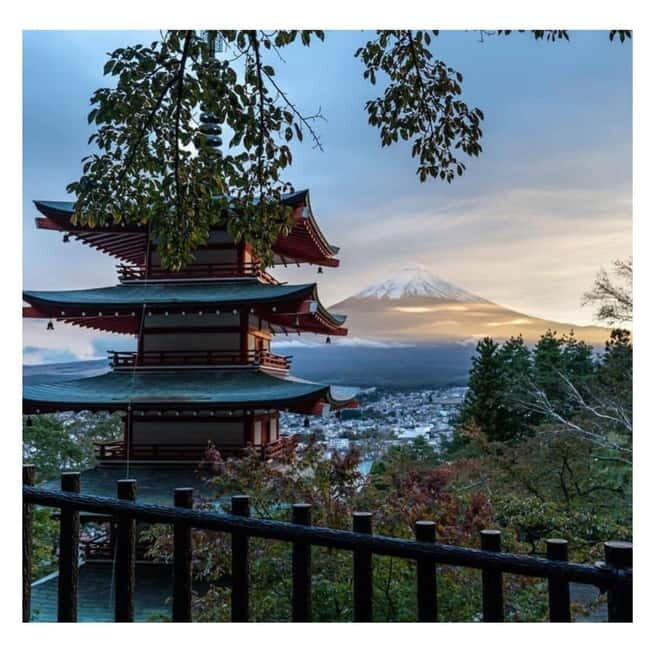
A Mount Fuji day trip can feel like a logistics puzzle. This is the opposite of that. You’re picked up from your Tokyo accommodation (within the 23 wards), taken directly to the Fuji area, and returned to a drop-off location that’s also convenient.
The big win for me is that you aren’t fighting crowd schedules. Instead of joining a shared group, you get one vehicle and one driver who can adjust the plan based on road conditions and what the sky is doing that day. Even the vehicle options matter: they list Toyota Vellfire, Crown, and Land Cruiser choices so you can match the comfort level you want.
You’ll also get practical ride comforts that make a long day easier. There’s complimentary tea, coffee, and bottled water, plus Wi-Fi in the car. And fuel, toll fees, and parking costs are handled for you, so the bill doesn’t turn into a game of guesswork.
You can also read our reviews of more private tours in Tokyo

How the day stays flexible when visibility changes
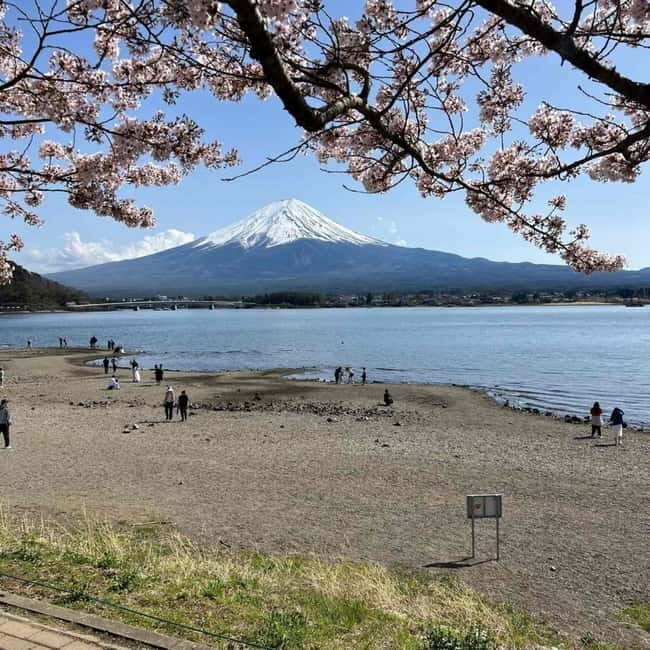
Fuji days rise and fall on weather. When the clouds roll in, the solution isn’t a lecture—it’s a plan that can shift.
This tour is built around that idea. It includes several core view stops, then lets you add Hakone spots depending on timing and conditions. That matters because Hakone can be a great backup when Fuji is playing hide-and-seek, and it also helps you avoid wasting hours in traffic for one missed viewpoint.
The operator also states that if severe weather or unexpected incidents happen, your tour can be rescheduled to a date you choose. If you run into pickup delays, the tour duration gets extended at no extra charge, so you don’t lose the day to timing problems.
Pickup, car comfort, and what you actually get during the drive
Your day starts with door-to-door pickup from accommodations across Tokyo’s 23 wards (Airbnbs included). Pickup isn’t offered from airports or ports, so if you’re arriving by plane, plan to transfer into the city first.
Once you’re in the car, you get a private, climate-controlled ride. The tour notes English-speaking chauffeurs, with additional language support listed as Urdu, Japanese, Hindi, and Punjabi. That language range can be a big deal if you’re traveling as a family or a mixed group.
You’ll have onboard Wi-Fi hotspot access the whole time. That’s handy for checking live weather, confirming reservation times, or just keeping everyone entertained during the drive. Plus, the driver is set up to help with photography and videography—so if you care about getting clean shots at viewpoints, you’ll have someone who knows how to position you and manage timing.
One more practical detail: the tour says you’ll get assistance with photography and videography, and that the service includes an extra hour for your satisfaction. In plain terms, it’s time you can use for extra walking, a second photo run, or a slower pace if the group wants it.
Arakurayama Sengen Park: the classic start with real walking time
The day typically begins with Arakurayama Sengen Park, which is known for big views and the kind of framing photographers chase. You should expect both sightseeing and a walk, plus a safety briefing.
This stop works well early in the day because you’re fresh, and the chances of clearer skies are often better before the day gets crowded or hazy. The park is a viewpoint-focused experience, so bring your camera setup ready and keep your layers accessible. Fuji weather can change fast.
If you’re traveling with kids or older adults, this is still manageable because the tour includes structured time for photos, walking, and briefings rather than rushing you through a “quick look” stop.
Chureito Pagoda: photos first, but still a proper visit
Next comes Chureito Pagoda, another signature scene paired with Mount Fuji (when visibility is good). You’ll get time for photo stops, sightseeing, and a walk, again with a safety briefing.
This is one of those places where timing and positioning matter. The pagoda area is popular, and it can be hard to get the shot you want if you’re moving without a plan. Having your own private driver helps you take your time, rather than being yanked along with a group timeline.
If the mountain is partially obscured, don’t treat that as failure. You can still capture the pagoda, the surrounding structures, and the mood of the day. The tour’s value here is that you can linger without feeling like you’re falling behind a bus schedule.
A few more Tokyo tours and experiences worth a look

Mt. Fuji 5th Station: the height stop (and the altitude warning)
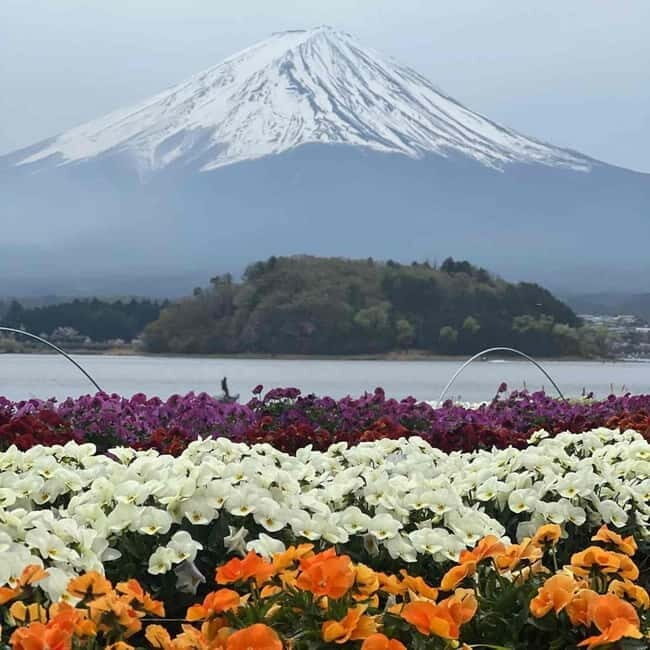
Mt. Fuji 5th Station is the high-altitude highlight. The tour includes a viewpoint and walk, plus about an hour for this segment, including a safety briefing. This is the stop that turns “a view” into “a feeling.”
But this is also where you need to pay attention to the tour’s note: it’s not suitable for people with altitude sickness. If you’re prone to it, this is not the day-trip to gamble on. For everyone else, warm clothing is a must—temperatures up high can feel colder than you expect, even if Tokyo is comfortable.
I’d also plan for slower walking if you need it. The tour includes time for walking and “Class” (the schedule lists a learning component), which likely means you’ll get some basic context and safety guidance. Don’t rush this stop. The payoff is that you get closer to the mountain’s scale, not just a distant photo angle.
Lake Kawaguchi: your choice of how you want to experience it
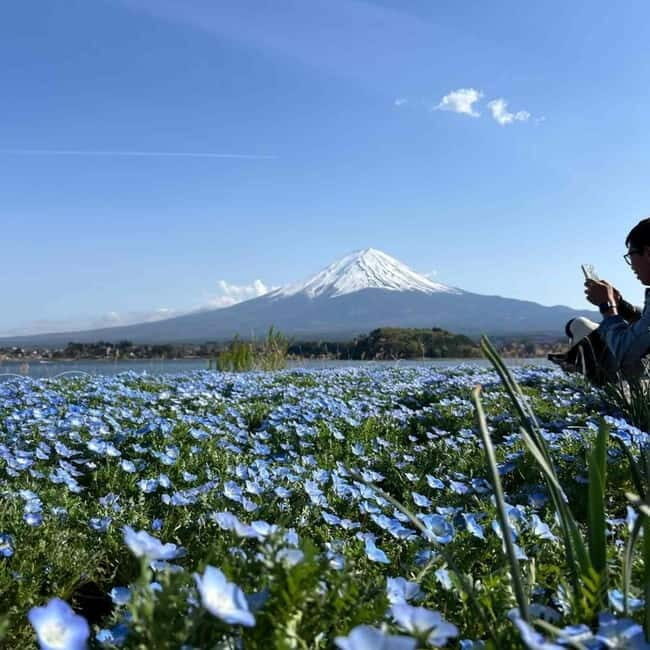
After the 5th Station, the plan shifts to Lake Kawaguchi, one of the most relaxed places to take Fuji in. You’ll have about an hour allocated here with sightseeing time and a safety briefing.
This stop is valuable because it gives you options that match your energy level:
- a speedboat ride (if you want motion and views at a different angle)
- a ropeway glide (good for panoramic sightlines)
- a cruise boat experience (a calmer pace)
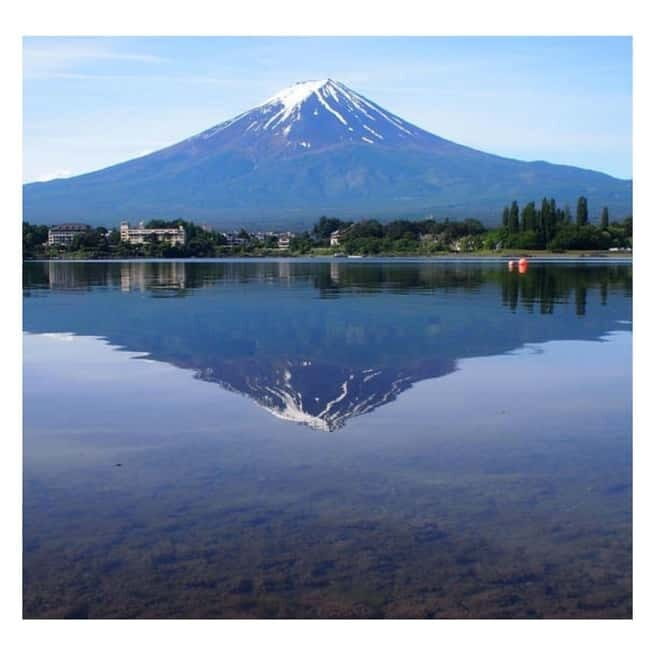
Even if visibility isn’t perfect, the lake setting still helps. You’re not just standing at a single lookout; you’re seeing Fuji’s presence reflected and framed by the shoreline.
This is also where the private format shines for families and groups. You can pick the boat/ropeway option that fits your group, instead of being stuck with whatever the shared tour chose.
Oshino Hakkai: traditional village vibes with a guided pace
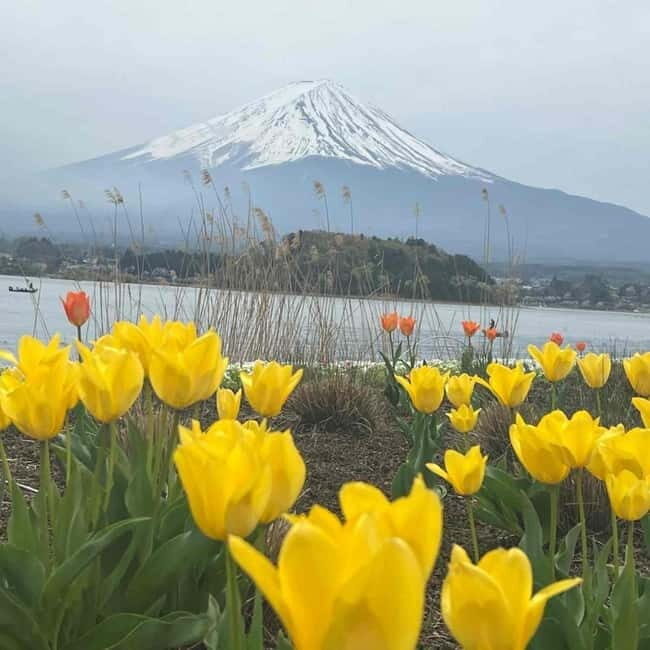
Oshino Hakkai is next, with about an hour of time for photo stops, a guided tour, and sightseeing plus a safety briefing. This is a classic stop for visitors because it feels like a step away from the big tourist photo zones.
The village setting helps you understand the region beyond the “Fuji postcard.” Water, traditional structures, and the walking rhythm make it a nice contrast after the higher-altitude 5th Station experience.
If you want something to do that doesn’t require intense effort, this is it. You can walk, photograph, and follow along without needing to climb to the top of anything.
Lunch at a local restaurant: short break, clear limits
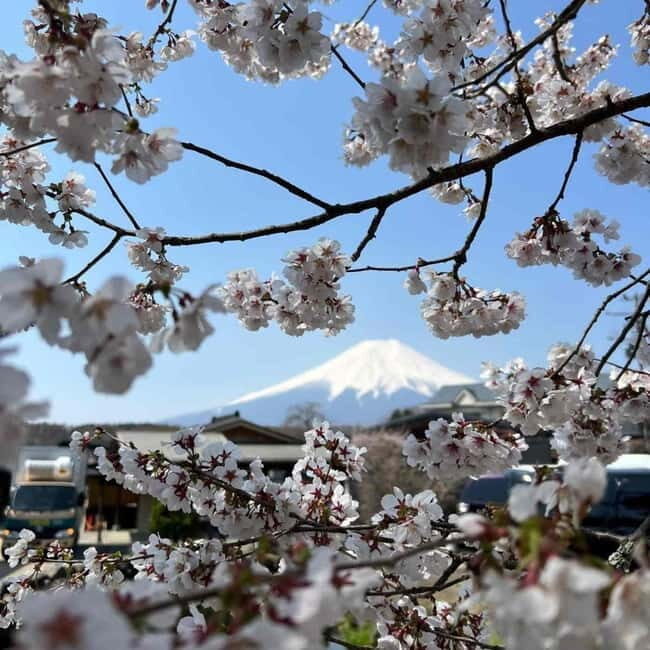
The tour includes a lunch stop at a local restaurant for about 30 minutes. Lunch is optional, and the tour notes vegetarian and kid-friendly choices.
So treat this as a reset, not a long sit-down meal. You’ll want to eat something that won’t weigh you down if you’re going to keep walking later. Also, since meals aren’t listed as fully included under “Included,” confirm how lunch is handled for your booking if that matters to your budget.
This lunch timing works because the day continues with more sightseeing. A short meal prevents the “we ate too late and now we’re rushed” problem that can happen on road-trips from Tokyo.
Oishi Park for flowers and ice cream energy
After lunch, Oishi Park is a photo-and-walk style stop with guided time, sightseeing, and about 40 minutes total including a safety briefing.
The reason I like this stop is simple: it’s a change of pace. You get a more playful, relaxed feel compared to strict viewpoint corridors. The tour also lists an ice cream stop here, which is the kind of small detail that keeps a long day from feeling like a checklist.
If your group loves gardens, Oishi Park gives you that extra visual variety. If you don’t, the views and the break still make it worthwhile.
Kitaguchi-hongu Fuji Sengen Shrine: cultural stop that helps you read the area
Next up is Kitaguchi-hongu Fuji Sengen Shrine, with about 40 minutes including photo stop, visit, shopping, sightseeing, walking, and a safety briefing.
A shrine stop works best when you go in with the right mindset: it’s not just a place to pass by. It’s a chance to see how locals connect to Fuji, through ritual and tradition. Even if you don’t read Japanese signage, the experience gives context for why Fuji isn’t only a tourist attraction.
The shopping element can also be useful if you want small keepsakes. But keep your time realistic; the day has a lot of stops, and this tour’s strength is pacing.
Adding Hakone: using the flexible schedule to match the day
Hakone is offered as an add-on option, depending on timing and weather. The list of possible spots includes:
- Hakone Shrine
- Hakone Open Air Museum
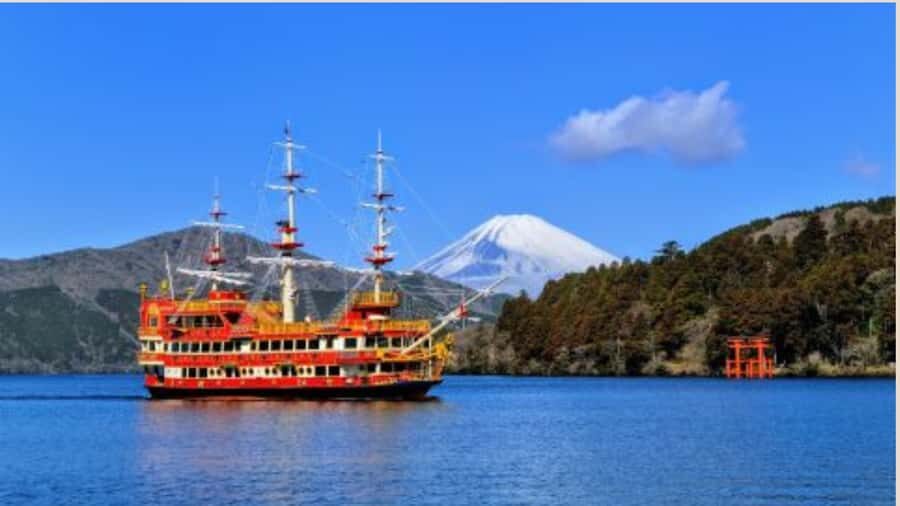
- Lake Ashi
- Owakudani Valley
- Hakone Ropeway
In practice, this matters because you can build a day around what the sky and roads allow. If Fuji is partially obscured, Hakone can keep the trip feeling like more than just “one mountain day.” It gives you a different set of scenic viewpoints and a different vibe.
Here’s how the main Hakone-style stops fit together:
- Hakone Ropeway: a walking-and-viewpoint segment (about an hour listed), with photo time and guided guidance. It can be a strong option for panoramic views.
- Hakone Shrine: another sightseeing stop with about an hour listed. It pairs well after ropeway time because you’re staying in the same general area and rhythm.
- Lake Ashi: about an hour in the plan for photo stop, guided sightseeing, and walking. This is a calmer setting, which balances the more dramatic valley viewpoints.
- Owakudani Valley: about an hour listed, with a photo stop and guided tour. This is the “wow” factor stop in many itineraries because it’s visually striking.
The tour’s private nature helps a lot here. You can decide what to prioritize without the stress of cutting your way through someone else’s fixed schedule.
Gotemba Premium Outlets: a practical finale for shopping and sanity
If timing works, the tour can add a stop at Gotemba Premium Outlets with about an hour for sightseeing and shopping. It also lists an additional driving segment time.
This is not mandatory “culture.” But it can be a smart way to end the day if you want flexibility. Shopping gives you something concrete to do when the day’s views aren’t perfect, and it’s also a good place to buy clothes, snacks, or last-minute travel items without hunting around.
If you’d rather keep the time outdoors for one last photo pass, you can treat this as a choice point.
Price and value: is $353 per group reasonable
The price is $353 per group up to 6 for an 11-hour day. That sounds high if you’re used to budget day trips, but private Fuji touring isn’t a commodity item. You’re paying for time, convenience, and a driver who manages the day with your priorities.
Here’s where the value shows up:
- You get a private, climate-controlled vehicle instead of squeezed shared transport.
- Parking, fuel, and toll fees are included, which protects your budget.
- You get complimentary tea/coffee/water during the ride.
- You get Wi-Fi and photo help.
- You can customize route elements and add Hakone depending on timing.
If you divide it across a full group of six, the per-person cost drops a lot, and it can become a very fair alternative to paying multiple adults for separate tickets, trains, and taxis while trying to coordinate transfers.
Even for smaller groups, the real “value” is less about money per kilometer and more about saving your energy. Fuji is a long day. This setup reduces the mental load.
Who this tour suits best
This tour fits couples who want an easier day with fewer moving parts. It also fits families because the private vehicle and guided time make it simpler to keep kids comfortable between stops.
Groups up to six are ideal. If you’re a friend group splitting costs, the math tends to work. If you’re a solo traveler, you might consider whether the private comfort and customization are worth the premium compared with public transport options.
One clear note: if altitude sickness is an issue for you, skip this plan and choose a lower-altitude itinerary. The 5th Station is part of the core route.
Should you book this Mount Fuji private day tour?
Book it if you want a Fuji day that feels planned, not rushed. The private format, English-speaking driver support, complimentary drinks, onboard Wi-Fi, and the ability to add Hakone based on weather are all strong reasons.
I’d hold off or rethink if your priority is bargain pricing only. This is a comfort-and-control tour, not a cheap public transport experiment. Also, if cloudy conditions are a deal-breaker for you, go in with flexibility—because the tour can shift, but it can’t force clear skies.
If your goal is to see the key viewpoints in a way that’s calm, photo-friendly, and customized to your group, this private Mount Fuji day is a solid choice.
FAQ
What is the price and group size for this Mount Fuji private tour?
The price is $353 per group, and it’s listed for up to 6 people.
How long is the Mount Fuji private tour from Tokyo?
The duration is about 11 hours, including travel time.
Where is pickup available in Tokyo?
Pickup is available from accommodations (including Airbnbs) within Tokyo’s 23 wards. Pickup is not available from airports or ports.
What transportation is used during the tour?
The tour uses a private, climate-controlled vehicle, with Toyota Vellfire, Crown, and Land Cruiser options listed.
What’s included during the tour?
Included items include an English-speaking chauffeur, fuel and parking costs, hotel pickup and drop-off, complimentary tea/coffee/bottled water, onboard Wi-Fi hotspot, photo/video assistance, toll fee coverage, and other chauffeuring support.
Are meals and attraction entrance fees included?
Meals are not listed as included, and entrance fees to attractions are not included. The itinerary mentions a local restaurant lunch stop for about 30 minutes as an optional part of the day.
Can I customize the itinerary with Hakone stops?
Yes. The tour is customizable, and it lists Hakone add-on options such as Hakone Shrine, Hakone Open Air Museum, Lake Ashi, Owakudani Valley, and Hakone Ropeway based on timing and weather.
Is the tour wheelchair accessible?
The tour notes that it is wheelchair accessible. If you have mobility concerns or accessibility needs, you should inform the provider in advance.
What happens if weather is bad or pickup is delayed?
The tour can be rescheduled to a date you choose in case of severe weather or unexpected incidents. If there are pickup delays, the tour duration can be extended at no extra charge.