REVIEW · NIKKO
World Heritage Nikko Walking Tour Toshogu and Kanmangafuchi
Book on Viator →Operated by JTB Global Marketing & Travel Inc. · Bookable on Viator
One walking tour can change how you see Nikko. This 5km Nikko UNESCO day pairs Kanmangafuchi Abyss with Nikko Tōshō-gū, guided in English with audio support so you don’t miss the meaning behind the carvings. I love how the morning starts outdoors, then shifts into shrine splendor, with a pace that feels manageable even with stairs. One thing to consider: it’s still a hike day, and there are shoe-off moments plus slopes around the shrine.
You’ll also have real choices for food. You can pre-select a Japanese-style lunch, vegetarian meal, Indian thali, or skip lunch and grab something on your own nearby. The tradeoff is that meal changes aren’t allowed the same day, so pick what fits your stomach before you go.
In This Review
- Key highlights at a glance
- Why Kanmangafuchi Abyss and Nikko Tōshō-gū make sense together
- Meeting at Tōbu-nikkō Station and how the pacing really works
- Kanmangafuchi Abyss: Jizo along the river, plus the Mt. Nantai connection
- Nikko Tōshō-gū: UNESCO splendor, shoe-off rules, and why the details matter
- Lunch choices in Nikko: Japanese-style, vegetarian, Indian thali, or no lunch
- Audio guide and small-group flow: comfort in a crowded UNESCO zone
- What to wear for Nikko: stairs, shoe rules, leeches season, and a backpack
- Winter weather swaps: what you might visit instead of Kanmangafuchi
- Price and value: is $85.12 worth it?
- Should you book this Nikko walking tour to Toshogu and Kanmangafuchi?
- FAQ
- Where does the tour start and where does it end?
- How long is the Nikko walking tour?
- Is lunch included?
- What lunch options are available?
- Do I need to remove my shoes at Nikko Tōshō-gū?
- How much walking should I expect?
- Is admission to Nikko Tōshō-gū included?
- Can I cancel for a full refund?
Key highlights at a glance
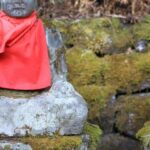
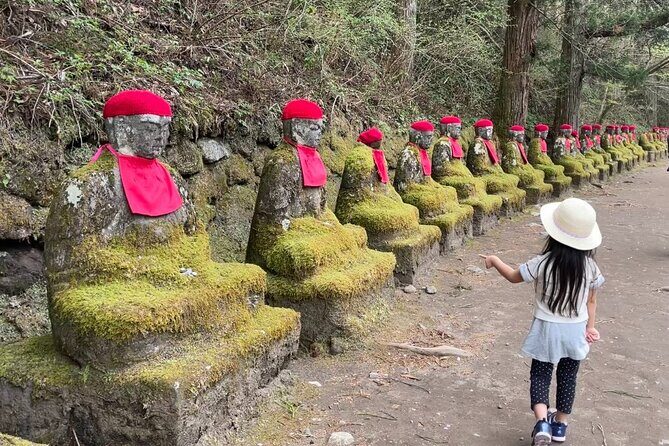
- Kanmangafuchi Abyss Jizo statues: about 70 stone Jizo along the river, tied to local Mt. Nantai lore
- Nikko Tōshō-gū UNESCO visit: admission included, with audio narration for busy moments
- Licensed English guide + audio: explanations are built for comprehension, not just sightseeing
- Four lunch options (when selected): Japanese, vegetarian, Indian thali, or no lunch
- Small-group size: capped at 15, so the day stays human-scale
Why Kanmangafuchi Abyss and Nikko Tōshō-gū make sense together
The best Nikko days have two sides: nature and ceremony. This tour gives you both without forcing you to waste half a day figuring out logistics. You walk roughly 5km total, and the itinerary naturally moves from a quieter river gorge to one of Japan’s most over-the-top shrine complexes.
What I like is the contrast. Kanmangafuchi Abyss is grounded and atmospheric, with Jizo statues lined along the water. Then Nikko Tōshō-gū turns that mood into something ceremonial—bright, detailed, and historically heavy in the best way. Even if you’ve seen photos, seeing the carvings and structures in person hits harder than you expect.
The other big win is the guide-and-audio setup. During crowded periods, you can still follow along. That matters because Nikko Toshogu is not a place you want to rush through. You’ll appreciate the symbolism more if you’re not guessing.
You can also read our reviews of more walking tours in Nikko
Meeting at Tōbu-nikkō Station and how the pacing really works
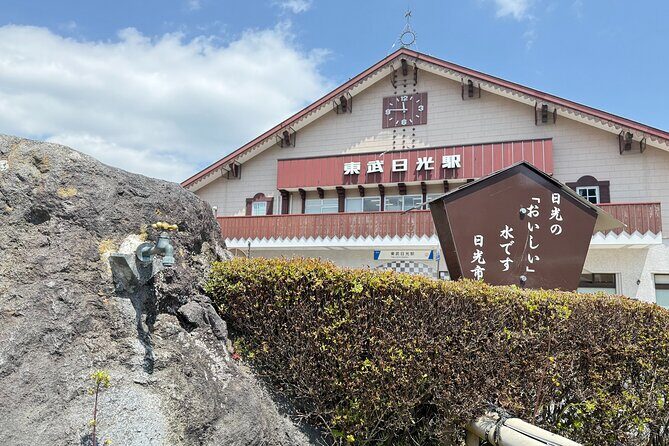
You start at Tōbu-nikkō Station (4-3 Matsubaracho, Nikko) and the tour ends at Nikkō Tōshō-gū. The start time listed is 11:30am, with the day operating on a practical schedule. Late arrivals can lead to cancellation of reservations, so if you’re coming in from elsewhere, leave a buffer.
This is also a mixed day of walking and short transit. Public transportation is used to move around, and seating isn’t guaranteed. That’s normal in Japan—just plan for standing some portions and keep your energy for the walking parts.
The group size is small (up to 15), which changes the feel. In a tighter group, it’s easier to ask questions, and the guide can manage timing when roads get slow or crowds swell. The route order can shift because of ceremonies, road conditions, or weather. That flexibility is worth it when you’re dealing with busy UNESCO sites.
Kanmangafuchi Abyss: Jizo along the river, plus the Mt. Nantai connection
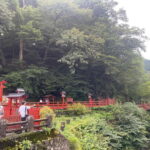
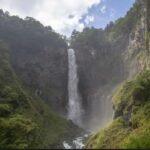
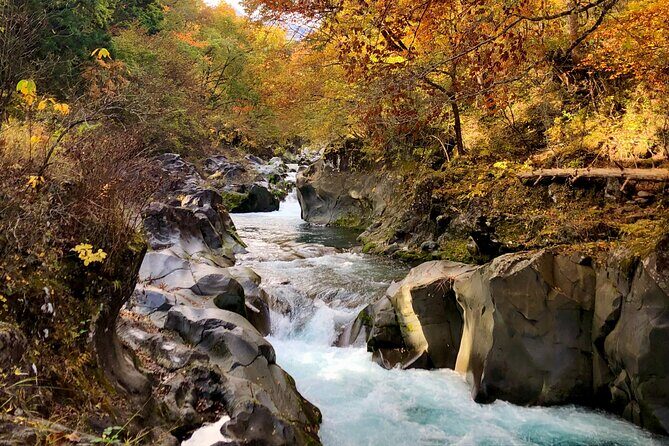
Stop one is Kanmangafuchi Abyss, a narrow gorge formed by an eruption of Mt. Nantai. The highlight here is the line of around 70 stone Jizo statues along the river. Jizo is the protector figure often associated with children in Japanese belief, and seeing them placed in a long row changes how you feel about the place. It’s not a single photo spot; it’s a slow-looking area where details matter.
How to enjoy it more:
- Take your time with the statue spacing and the way the river frames each figure.
- Listen to the guide’s explanation while you walk, not after. The story connects to what you’re seeing right then.
- Bring insect protection in warm months. The tour notes land leeches from April to November, so keep legs covered.
There’s also a small reality check: the gorge area can involve slopes and uneven steps. You’re on a guided walk, but you still need comfortable shoes and steady footing. The good news is that it’s only about 20 minutes here, so you’re not stuck long in one area.
Nikko Tōshō-gū: UNESCO splendor, shoe-off rules, and why the details matter
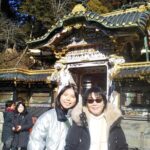
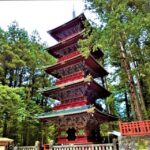
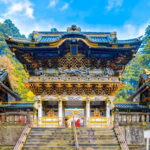
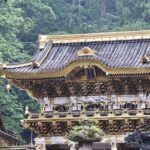
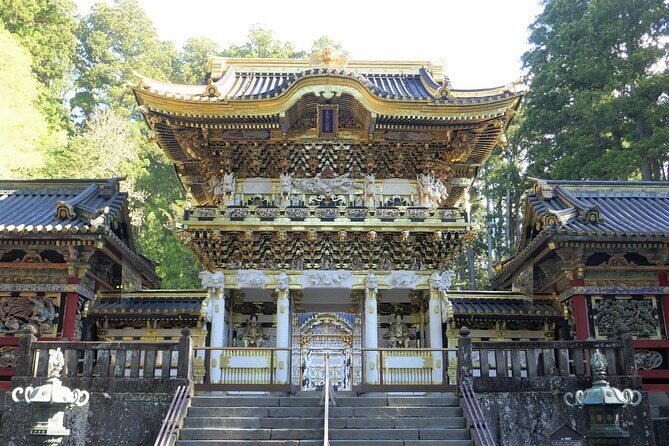
Nikko Tōshō-gū is the core event, and the admission is included. This shrine is a UNESCO World Heritage site with 400+ years of history connected to Tokugawa Ieyasu, the founder of the Tokugawa Shogunate.
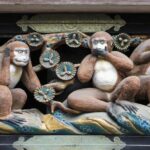
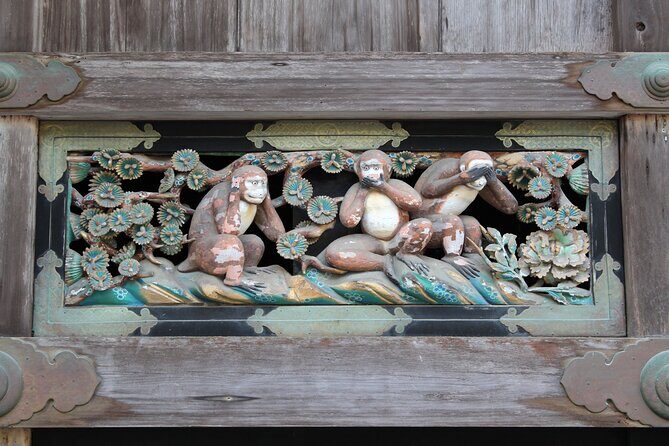
What you’ll notice quickly is the level of craft. The carvings and architectural flourishes are exactly the kind of work that makes you pause even when you’re moving in a crowd. One piece of practical advice: plan for shoes to come off in some areas. The tour specifically notes that you must remove shoes in certain parts, so wear footwear that’s easy to take on and off without turning the day into a fumbling circus.
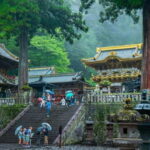
Also expect stairs. The tour says there are slopes and stairs around both Kanmangafuchi and Tōshō-gū. In one commonly shared on-site experience, people talk about a long climb—around 207 steps to reach a grave area—so you should mentally budget for effort near the shrine’s deeper points.
How to get value from your time here:
- Use the audio explanations during congestion so you can keep moving while still understanding what you’re looking at.
- Don’t treat this like a checklist. If you give yourself a few moments to look closely at a carving or a gate detail, the guide’s context makes it click.
- If you’re not sure where to focus, ask the guide. In a small group, you can usually get quick direction.
The tour gives you about 1 hour 20 minutes at Tōshō-gū, which is tight but fair. You’ll see the big things—just don’t expect unlimited wandering beyond what the route supports.
Lunch choices in Nikko: Japanese-style, vegetarian, Indian thali, or no lunch
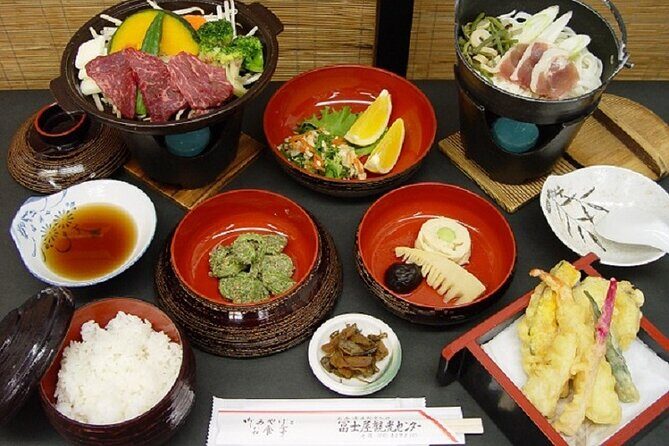
Lunch is built into the day, but only if you select it. You can choose one of four options when booking:
- Standard Japanese-style menu (with meat and fish)
- Vegetarian Japanese-style meal
- Indian thali (including items like butter chicken masala, coconut curry, naan, rice, salad, lassi, and dessert)
- No lunch (you prepare your own)
I like that the options are real, not vague. If you’re picky, your best experience comes from choosing now. Same-day changes aren’t available for lunch options, and allergy-friendly or gluten-free meals aren’t offered.
For Indian thali specifically, the tour notes you can inform the guide on the morning day if you want vegetarian curry or Muslim-friendly curry. If you don’t say anything, you’ll receive the standard set.
If you choose no lunch, plan ahead. The tour cautions that nearby cafes and restaurants can be crowded at rest areas. That’s usually true around major sights—so bring something if you know you’ll need it.
You can also read our reviews of more historical tours in Nikko
Audio guide and small-group flow: comfort in a crowded UNESCO zone
Nikko can feel chaotic without support. This tour includes audio service, and it’s explicitly helpful when congestion is expected. The guide’s explanations can be heard through the audio, so you’re not relying on shouting over crowds or guessing what the most important carvings mean.
That audio layer matters for comprehension. Nikko’s symbolism is dense, and without context, you may enjoy the visuals but miss why the designs are the way they are. With explanations at the right moments, you’ll likely come away with a clearer sense of what you saw and why it’s protected as UNESCO heritage.
The tour also includes water: the overview notes Japan’s finest spring water. It’s a small detail, but after walking and waiting, being able to refresh without searching for a convenience store is genuinely helpful.
One more practical note: transportation seating isn’t guaranteed. If you’re sensitive to standing around, plan your energy like you would for a busy day trip.
What to wear for Nikko: stairs, shoe rules, leeches season, and a backpack
Dress for the terrain, not for photos. The tour calls out slopes and stairs around both Kanmangafuchi Abyss and Nikko Tōshō-gū. You’ll also encounter a shoe-off requirement in parts of the shrine, so wear shoes that are easy to remove and put back on.
Here are the essentials I’d follow:
- Comfortable shoes with easy on/off (because you’ll switch states more than once)
- A backpack (the tour recommends one; it helps with keeping hands free during climbs)
- Covered legs if you’re visiting from April to November. Leeches are mentioned, so don’t do shorts if you’re trying to avoid the problem.
- Thick socks covering ankles and bug spray are recommended.
If you have moderate physical fitness, you should be fine. The walking distance is listed at about 5km (3 miles), but the tour also says the itinerary may sometimes total around 7.0km when the entire plan is on foot. That’s still doable for most people with a steady pace—just don’t treat it like a gentle stroll.
Winter weather swaps: what you might visit instead of Kanmangafuchi

Nikko can be tricky in winter. The tour warns that in the winter season (around December to mid-March) and during inclement weather, the route to Kanmangafuchi Abyss may be difficult for safety reasons.
If that happens, the tour guides you to alternative sites, such as:
- Futarasan Shrine
- Taiyuuin Mausoleum at Rinno-ji Temple
- Tamozawa Imperial Villa
- Toshogu Museum
- Kanaya Hotel History House
- Nikko Botanical Gardens
So your day stays meaningful even if the gorge is off-limits. The tradeoff is that you may not get the Jizo river lineup if weather forces a swap. If Kanmangafuchi is your main reason for booking, aim for a season when conditions are more stable—or keep a flexible mindset and enjoy the backup sites.
Price and value: is $85.12 worth it?
At $85.12 per person, this tour prices like a short guided day with a UNESCO heavyweight included. The value comes from what’s bundled:
- Licensed English-speaking guide interpreter
- Admission to Nikko Tōshō-gū
- Admission fees and transportation costs included
- Audio guide service
- Lunch included only if you select Standard, Vegetarian, or Indian thali
What you’re really paying for is convenience plus interpretation. Nikko Tōshō-gū is the kind of place where a guide helps you see more than the first layer of gold paint and ornate gates. Add Kanmangafuchi Abyss and the day becomes a two-part story of belief, place, and landscape—without you planning rail, entry timing, and crowd strategy.
The tour is booked about 30 days in advance on average. That’s a hint that the supply is limited and that small-group quality matters here. If you want to lock in a lunch option you know you’ll eat, booking ahead is smart.
If you’re the type who loves walking at your own pace with no structured route, you might feel constrained by the schedule. But if you want the spiritual and historical context delivered in a way that’s easy to follow, this format is a solid bargain.
Should you book this Nikko walking tour to Toshogu and Kanmangafuchi?
Book it if you want a focused Nikko day that doesn’t turn into a logistics project. This works especially well for first-timers who want the UNESCO highlights—plus Kanmangafuchi Abyss—explained clearly in English with audio support.
Skip it only if:
- You’re very sensitive to stairs and shoe-off requirements.
- You’re visiting during months when you can’t take the leech precautions seriously.
- You mainly want independent wandering and don’t care about guided context.
One last decision tip: choose your lunch now. If you pick Indian thali or vegetarian, you’ll avoid the stress of trying to solve food on a crowded day. Then focus on the experience—Jizo statues first, shrine architecture second—and you’ll come away with a Nikko story that feels coherent, not random.
FAQ
Where does the tour start and where does it end?
The tour starts at Tōbu-nikkō Station (4-3 Matsubaracho, Nikko) and ends at Nikkō Tōshō-gū (2301 Sannai, Nikko).
How long is the Nikko walking tour?
The duration is listed as about 4 hours 30 minutes.
Is lunch included?
Lunch is included only if you select the Standard Japanese, Vegetarian, or Indian thali lunch option. There is also a No Lunch option.
What lunch options are available?
You can choose Standard Japanese-style, Vegetarian, Indian Thali, or No Lunch (prepare your own).
Do I need to remove my shoes at Nikko Tōshō-gū?
Yes. The tour notes that shoes must be removed in some areas of Toshogu Shrine.
How much walking should I expect?
Walking distance is about 5km (3 miles), with a note that the total on-foot distance may be around 7.0km at times.
Is admission to Nikko Tōshō-gū included?
Yes. Admission to Nikko Tōshō-gū Shrine is included in the tour.
Can I cancel for a full refund?
Yes. You can cancel up to 24 hours in advance for a full refund.