REVIEW · NIKKO
Nikko – Beautiful Full-Day Personal and Private Tour
Book on GetYourGuide →Operated by Your Japan Journey · Bookable on GetYourGuide
Nikko hits different when you do it in private. You get UNESCO shrines and waterfall scenery in one smooth day, with a driver who keeps things moving but not frantic. I especially like the photo-first stops around Lake Chuzenji and Kegon Falls, and I also like the calm, customizable pacing for your group size and interests. The one thing to watch is that busy weekends and rough weather can squeeze the schedule, so flexibility helps.
Most of the magic comes from the route and the timing. You’ll roll through mountain scenery on the way in, then spend real time at the big hitters like Toshogu Shrine and the Shinkyo Bridge area without getting dragged by buses and timelines. The biggest tradeoff: it’s a driver-led tour, not a full licensed guide by default, so if you want deep explanations, you’ll likely add that on request.
Finally, this is a cool place year-round, and many stops involve uneven paths or stairs. Bring comfortable shoes and dress in layers. If your group wants a stress-free day with scenic pulls, good parking, and smooth transfers back to central Tokyo, this tour style makes a lot of sense.
In This Review
- Key Highlights That Make This Nikko Day Feel Worth It
- Private Van Door-to-Door: The Real Value Starts in Tokyo
- The Scenic Drive via Irohazaka 28 Turns
- Akechidaira Ropeway and Lake Chuzenji: Panoramas You Can Actually Enjoy
- Kegon Falls and the Forest Walk: Loud Water, Good Timing
- Ryuzu Falls and Yudaki Falls: Two Ways to See the Water
- Lake Side Stops Like Yuno Lake and Kanmangafuchi Abyss
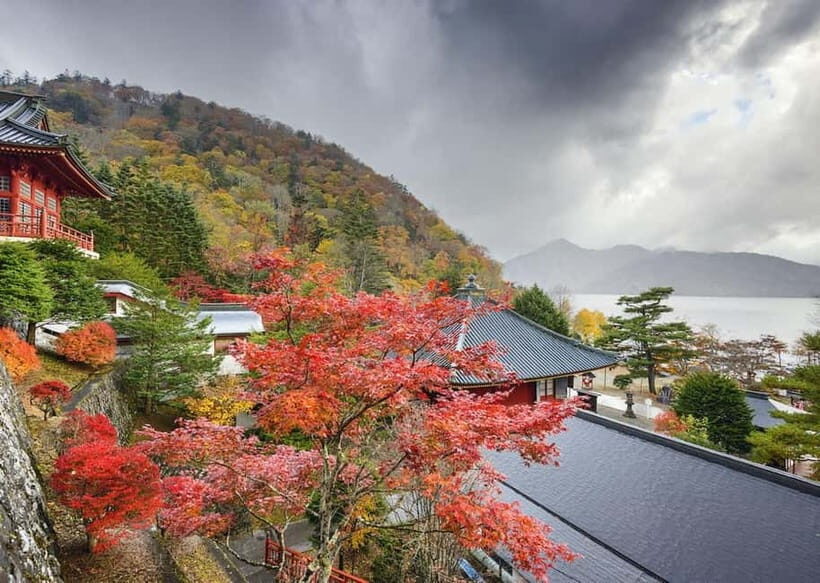
- Toshogu Shrine and Shinkyo Bridge: UNESCO, But With Breathing Room
- Tamozawa Imperial Villa: The Optional Quiet Break
- How the Day Really Flows in 10 Hours (Including Travel)
- What You’re Paying For: Price, Comfort, and Fewer Hassles
- Guides Make the Difference: Safety, Patience, and Photo Help
- Who Should Book This Nikko Private Day Trip
- Should You Book? My Honest Call
- FAQ
- What’s included in the tour price?
- How long is the Nikko private tour?
- Are entrance fees and meals included?
- Can you customize the stops or timing?
- Do you provide a guide for history and explanations?
- Is pickup available outside Tokyo’s 23 wards?
Key Highlights That Make This Nikko Day Feel Worth It
- Private van door-to-door in Tokyo’s 23 wards, so you skip public transport headaches
- Irohazaka 28 Turns on the scenic approach, setting the mood before you even arrive
- Akechidaira Ropeway + Lake Chuzenji viewpoints for classic panoramic photos
- Kegon Falls and a forest walk for that roaring-water experience up close
- Ryuzu and Yudaki Falls for twin-flow drama and a quieter cascade pause
- UNESCO Toshogu + Shinkyo Bridge timed to help you beat the worst lines
Private Van Door-to-Door: The Real Value Starts in Tokyo
This tour is built around one big idea: get you out of Tokyo efficiently, then keep your day comfortable. You ride in a private, air-conditioned vehicle for your group only (van or sedan), with fuel, tolls, and parking handled. That means no wrestling suitcases on trains, and no sprinting between stations just to make it to the next waterfall.
The best part for many groups is the “we’ll adjust” approach. Your driver isn’t just transporting you; they’re also managing the flow—where to park, when to arrive at busy spots, and how long you actually want at each stop. In multiple bookings, guides like Kashi and Zahi were praised for being patient and helpful with tickets and meeting points, and that matters when you’re juggling photos, walking, and time.
If you’re traveling with up to 6 people, the group pricing can start to look surprisingly reasonable. At $364 per group (up to 6), you’re not paying per person the way many smaller group tours do. Even if you add entrance fees, you still tend to come out with a day that feels tailored, not mass-produced.
You can also read our reviews of more private tours in Nikko
The Scenic Drive via Irohazaka 28 Turns
Nikko starts on the road. The approach includes Irohazaka, the famous stretch known for its long series of hairpin bends—part road trip, part photo opportunity. Even if you’ve seen mountain scenery in Japan before, this route has a “you’re heading somewhere special” feel.
Because it’s private, you can enjoy the scenery without stopping every two minutes. You’re still moving at a workable pace for a full-day plan that includes ropeways, waterfalls, and shrines. And if weather shifts your plans, your driver can adjust the order or time in a way that keeps the day enjoyable instead of stressful.
Akechidaira Ropeway and Lake Chuzenji: Panoramas You Can Actually Enjoy
This is where the day turns visual. You’ll head to the Akechidaira Ropeway, which is famous for viewpoints over Lake Chuzenji and the Kegon Falls area. It’s not just a quick stare-from-one-angle situation; it gives you a chance to take in the bigger picture—water, forested slopes, and that crater-lake calm.
After the cable car ride, you’ll spend time at Lake Chuzenji itself for photos and a light walk. The focus is on getting you at the right spots for images of the lake’s serene, volcanic setting. If you’re traveling with a phone camera, you’ll still benefit, because the lookouts are designed for that “stand here, frame it, and breathe” moment.
The ropeway and lake segment is one reason this tour feels different from a simple checklist. You’re not just visiting; you’re getting the scenery in a way that feels slower and more satisfying.
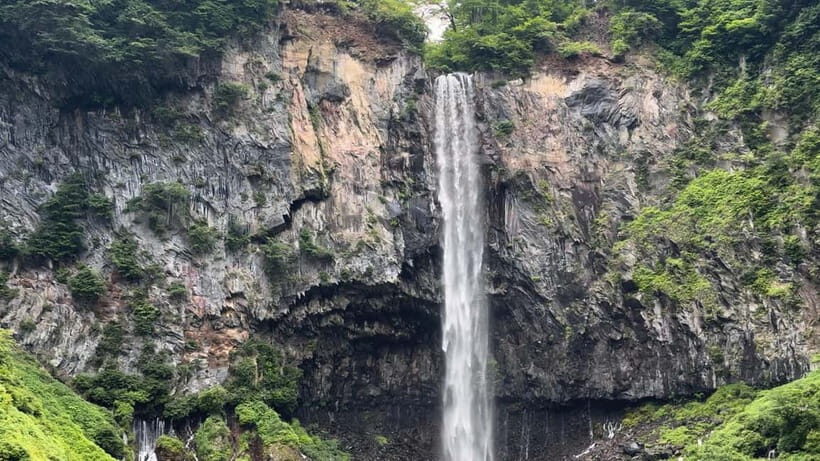
Kegon Falls and the Forest Walk: Loud Water, Good Timing
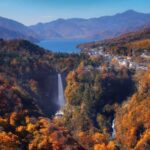
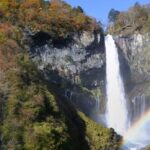
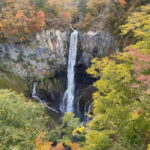
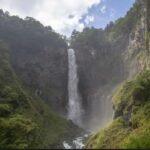
Kegon Falls is the kind of place that deserves your attention. You’ll have a stop for Kegon Falls—a dramatic, tall waterfall that shows off well whether you’re there in misty weather or crisp winter air. Then comes a bonus that’s easy to overlook on tours that only do quick photo stops: a forest walk that helps link the experience so you feel the scale, not just see it.
In real-world pacing terms, the Kegon area is a great mid-day anchor. You get your major sight early enough to keep momentum, but you’re not rushing so hard that your photos turn into blur. Many groups also appreciate how drivers help with the practical stuff—like where to park and how to move between points without wasting time.
If you care about photos, this is the segment to treat like your priority. Bring a camera strap you trust and wear shoes with decent grip—paths near waterfalls can be slippery depending on season and recent rain.
Ryuzu Falls and Yudaki Falls: Two Ways to See the Water
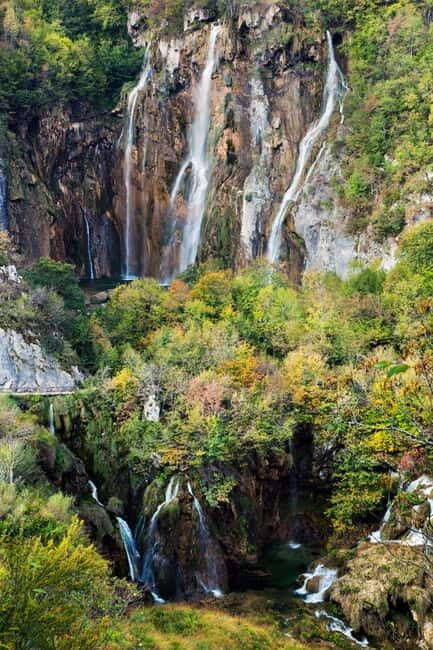
After the Kegon wow-factor, you’ll shift into a softer, more detailed waterfall circuit. Ryuzu Falls is often described as dramatic twin flows, and that’s exactly the vibe you’re trying to capture: water splitting, rejoining, and creating a layered look across the falls.
Then you’ll add Yudaki Falls, another natural cascade stop that balances the intensity of Ryuzu with a calmer feel. In practice, this set of stops works well because it spaces out the walking. You’re still outside and moving, but you’re not doing one long grind after another.
This is also a strong place for lunch plans. Your day typically includes a lunch stop at a local restaurant, but meals aren’t included in the base cost. Budget for it, and consider going with something simple like udon if it’s offered—some lunch spots in this area are known for being easy and satisfying, sometimes even with a view toward the falls.
A few more Nikko tours and experiences worth a look
Lake Side Stops Like Yuno Lake and Kanmangafuchi Abyss
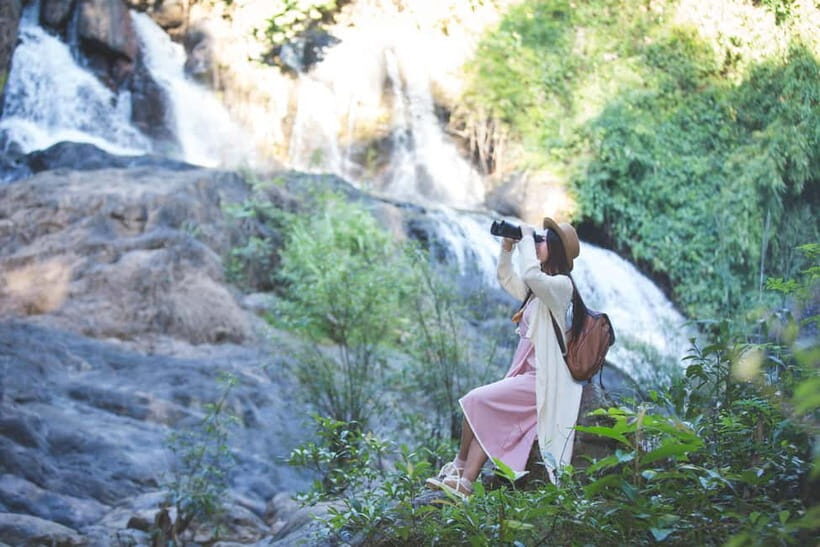
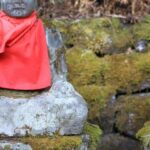
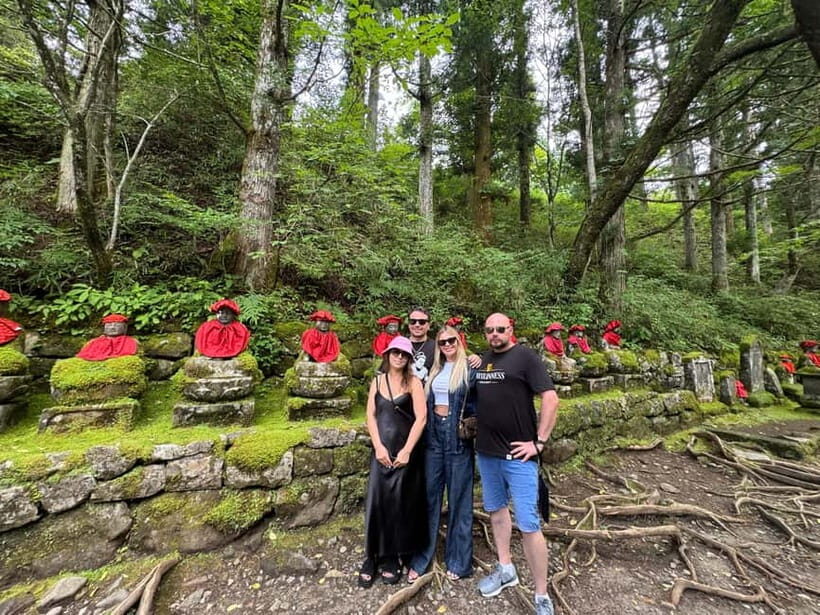
Not every Nikko day needs to be about only waterfalls and temples. This itinerary includes scenic breaks like Yuno Lake for photos and sightseeing time, plus Kanmangafuchi Abyss for its riverside path lined with moss-covered Jizo statues. That section gives you a different texture—stone, water, and shaded walking—so the day doesn’t feel like nonstop “big attraction, big attraction.”
This kind of stop is especially good if your group has mixed energy levels. Some people want the ropeway and falls. Others appreciate quieter walking time where you can slow your pace, check your photos, and recharge.
If you’re traveling with kids or older friends, this is where you can slow down without making everyone miserable. It’s visually engaging without demanding your full attention like a shrine crowd scene can.
Toshogu Shrine and Shinkyo Bridge: UNESCO, But With Breathing Room
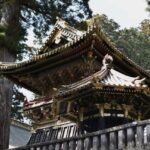
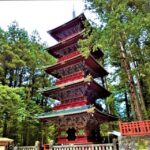
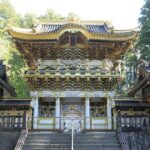
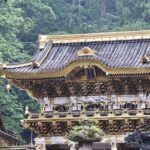
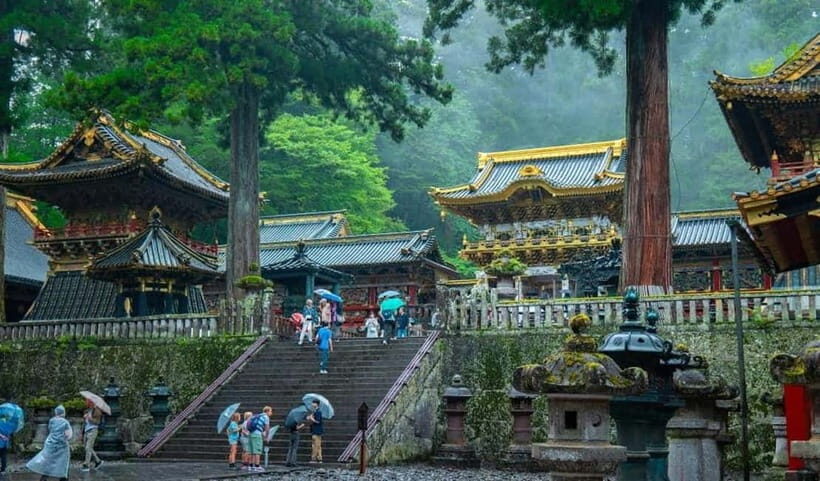
Nikko Toshogu Shrine is the cultural anchor of the trip. It’s UNESCO-level, and the experience is best when you aren’t rushed. Your visit includes time to see the shrine area and make your own pace—whether that means lingering for details or simply taking in the overall grandeur from the main paths.
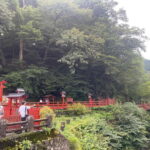
Then there’s Shinkyo Bridge, the iconic red bridge scene. You’ll have a photo stop and visit time there, which is perfect for getting the classic shot with Lake and forest backdrops.
One thing I love about this tour format is the way guides can help you reduce friction. Several experiences praised guides like Kashi for helping get into key areas early to avoid the worst lines and for guiding everyone on where to meet after photo time. That might sound small, but it changes your whole mood. Less queue stress means more time for you to actually enjoy the sights.
Tamozawa Imperial Villa: The Optional Quiet Break
If your group wants a break from shrines-and-waterfalls intensity, you can add Nikko Tamozawa Imperial Villa Memorial Park. This is an optional stop, so you’ll have control over whether you want it on the day.
It works well as a “reset” segment. You get another slice of Japan’s past, but the pace tends to feel calmer than the busiest photo clusters. If your group likes parks, gardens, and historical settings, it’s a good add.
If you’re traveling during a very busy time or you want more time for waterfalls, you can also skip it and keep your day focused on the core highlights.
How the Day Really Flows in 10 Hours (Including Travel)
The duration is about 10 hours, including travel time from Tokyo. That’s the key number. It’s long enough to do Nikko’s big sights, but it’s not so long that you feel wrecked by the end—especially if your group keeps walking time smart.
A typical flow looks like this:
- Drive in from Tokyo with scenic stopping potential
- Ropeway and lake viewpoints
- Kegon Falls plus short walking time
- Additional waterfall and scenic stops
- Toshogu Shrine and Shinkyo Bridge
- Return to Tokyo for drop-off
Your driver also handles the practical parts: parking spots, getting you to the right entrances, and helping with tickets when needed. That’s where driver-led tours win versus DIY. When you’re tired, you don’t want to be solving logistics.
One possible drawback: on packed weekends, you might not get everything exactly as planned. That isn’t a failure—it’s just the reality of crowds and weather. If you care about hitting every single stop, aim for a weekday when possible.
What You’re Paying For: Price, Comfort, and Fewer Hassles
At $364 per group up to 6, you’re paying for three things: transportation, time-saving navigation, and comfort. This is where the value math usually lands.
Consider what you’d likely spend to do this solo:
- Multiple train and bus segments
- Taxi/walk combinations when schedules don’t match
- Entrance fees
- Time lost to queueing and figuring out the best routes
This tour bundles the first three into one predictable plan. You still pay entrance fees on top, and meals are extra, but you’re buying a smoother day where the hard parts are handled.
Also, you get complementary mineral water from Mt. Fuji. It’s a small thing, but it adds up on a day that’s mostly outdoors and walking.
Guides Make the Difference: Safety, Patience, and Photo Help
Driver-guides are the heart of this experience. In the strongest feedback, guides were praised for:
- Safe, smooth driving
- Patient waiting at each stop
- Help with tickets and knowing where to stand
- Photo assistance, especially for group shots
- Clear directions so nobody gets lost in the crowd
Names that came up in excellent experiences include Kashif, Kashi, Ari, Zahi, Zaheer, and Zahid. Even when the itinerary stays the same, that human factor changes the day. You feel like you’re with someone who has done this route many times and knows how to protect your time.
If you’re the type who wants to take a lot of photos, this matters even more. A driver who helps with positioning and timing can turn a “quick stop” into a real moment.
Who Should Book This Nikko Private Day Trip
This is a great fit if you want:
- A private Nikko day trip from Tokyo with door-to-door pickup
- Waterfall and shrine highlights without public transport stress
- A slower pace that’s adjustable for your group
- A driver who can manage the practical stuff so you can focus on the scenery
It’s less ideal if:
- Your group needs wheelchair-friendly access. This tour is not suitable for wheelchair users based on the route’s physical demands.
- You prefer a full licensed guide all day for deep historical explanations. A licensed guide is available on request for extra cost, but the default experience is driver-led.
Should You Book? My Honest Call
Book it if your priority is comfort plus the big Nikko hits—Toshogu, Shinkyo Bridge, Lake Chuzenji, and the Kegon/Ryuzu waterfall circuit—without the hassle of piecing together transport and timing. The private vehicle, the flexible pace, and the practical ticket and parking help are the real reasons this works.
Skip it or adjust expectations if you’re trying to squeeze in every optional site during a busy period, or if you need full accessibility and a licensed guide by default. In that case, you may want to clarify your priorities before you commit.
If your group simply wants a memorable Nikko day that feels well managed, this is a strong option.
FAQ
What’s included in the tour price?
The tour includes a private air-conditioned vehicle and an English-speaking driver-guide, hotel pickup and drop-off in Tokyo’s central areas (Tokyo’s 23 wards), plus fuel, tolls, and parking. You’ll also get complementary Mt. Fuji mineral water. Entrance fees and meals are not included.
How long is the Nikko private tour?
The tour duration is about 10 hours, including travel time from Tokyo to Nikko and back. Timing can shift depending on traffic, weather, and how long you spend at each stop.
Are entrance fees and meals included?
No. Entrance fees for places like the ropeway and Toshogu Shrine are not included. Meals also aren’t included, though you can expect a lunch stop at a local restaurant during the day.
Can you customize the stops or timing?
Yes. The itinerary is flexible and can be adjusted based on your preferences and the time available. This also helps you keep the day from feeling rushed.
Do you provide a guide for history and explanations?
You’ll have an English-speaking driver-guide. A licensed tour guide is available on request for an extra cost if you want more detailed explanations.
Is pickup available outside Tokyo’s 23 wards?
Pickup and drop-off are included within Tokyo’s 23 wards. Outside those areas may be possible for an additional fee, so it’s best to confirm during booking.