REVIEW · NIKKO
Mt Fuji Tour With Experienced English Driver
Book on GetYourGuide →Operated by Dream Travel&Tours · Bookable on GetYourGuide
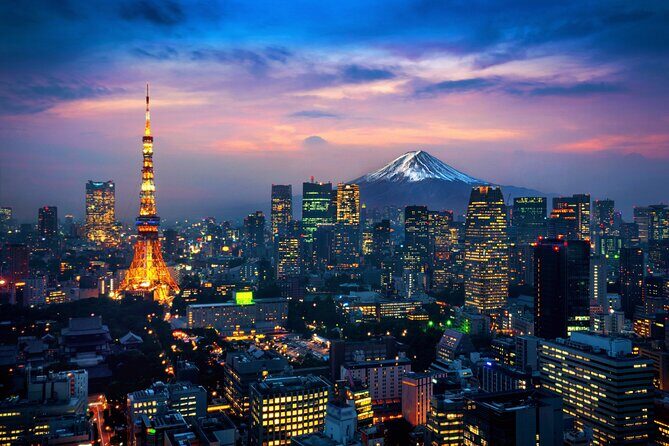
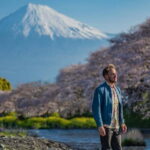
Mount Fuji looks like a postcard, then it moves into real life as soon as you’re on the road. This is a private 10-hour day with an English-speaking driver that strings together viewpoints, shrines, and lakeside scenery so you don’t waste time hunting transfers.
I especially like the stop mix: Mt Fuji 5th Station for big-mountain scale, plus the photo-heavy combo of Arakura Fuji Sengen Shrine and the Chureito Pagoda. If the weather cooperates, the day can feel like a greatest-hits tour of Fuji angles—especially around spring and autumn.
One consideration: Fuji visibility is weather-dependent, and with sunrise-to-sunset sightseeing, you’ll want to stay flexible. Also, since meal and attraction tickets aren’t included, you’ll need some planning and cash.
In This Review
- Quick key points you’ll care about
- Why this private Mt Fuji route feels efficient from Tokyo
- Starting in Tokyo: pickup timing, language, and traffic reality
- Mt Fuji 5th Station: the scale hit you can’t fake
- Arakura Fuji Sengen Shrine: short climb, big payoff views
- Chureito Pagoda: the iconic Fuji frame
- Lake Kawaguchiko: reflections, strolls, and a slower pace
- Oishi Park: clean views and an easy reset
- Saiko Iyashi-no-Sato Nenba: village-style atmosphere with shopping time
- Oshino Hakkai: guided time to make sense of what you see
- Kitaguchi-hongu Fuji Sengen Shrine: final shrine stop plus free time
- The drive back: you’ll feel the day’s length
- What’s included in the $451 group price (and what isn’t)
- Cash, comfort, and small rules that keep the day smooth
- How the driver can make or break the day
- Should you book this Mt Fuji tour?
- FAQ
- How long is the Mt Fuji tour?
- Where does the pickup happen?
- What’s included in the price?
- Are meals and attraction tickets included?
- What languages does the driver speak?
- What should I bring, and is anything not allowed?
Quick key points you’ll care about
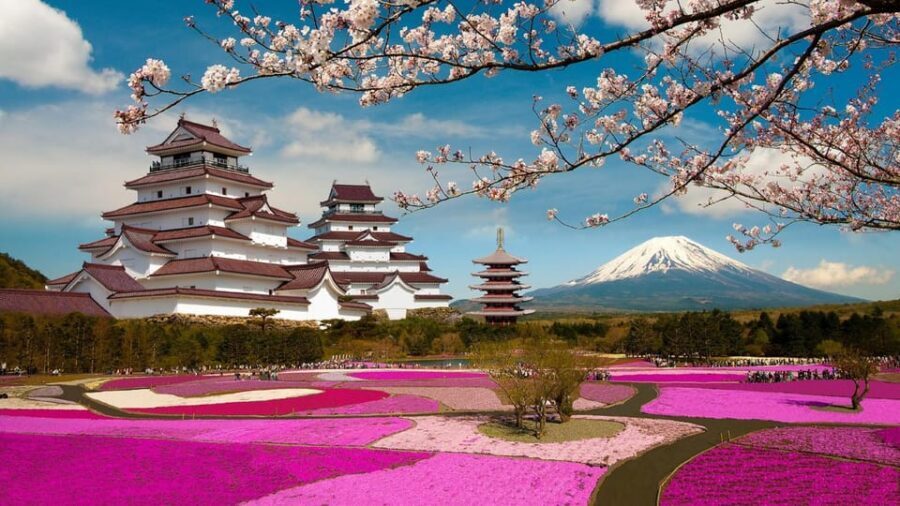
- Mt Fuji 5th Station in the middle of the day so you can shop, sightsee, and grab photos with room to breathe
- Arakura Fuji Sengen Shrine with a short climb to sharper views, particularly in cherry blossom season
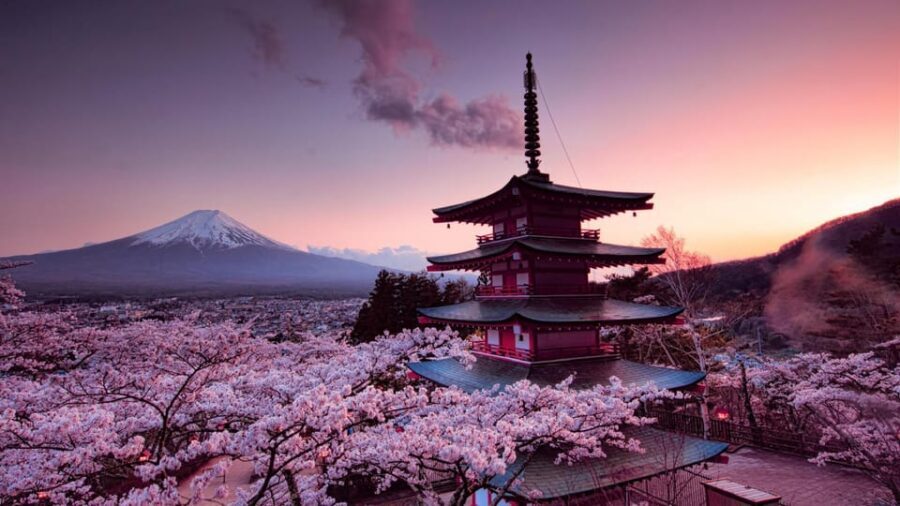
- Chureito Pagoda for the classic framed view of Fuji, especially in spring and autumn
- Lake Kawaguchiko for mirror-like reflections, lakeside walks, and boat-ride options
- English/Hindi/Urdu/Arabic driver support in a private van, with easy pickup logistics inside Tokyo
Why this private Mt Fuji route feels efficient from Tokyo
A lot of Mt Fuji day trips fail at one basic thing: you spend too much time commuting and not enough time looking. This one keeps the day structured, with a private vehicle and a driver who handles the roads while you focus on the views.
You also get a nice balance between “icon spots” and quieter moments. You’ll hit famous photo locations, but you’re also scheduled for parks and lakeside areas where you can slow down and actually look—without the constant rush of group tours.
The price is listed as $451 per group up to 6. For a private van day, that’s often the sweet spot if you’re traveling with family or a small crew, because the cost doesn’t balloon the way taxis can. You’re paying for convenience and time discipline, not just scenery.
A few more Nikko tours and experiences worth a look
Starting in Tokyo: pickup timing, language, and traffic reality
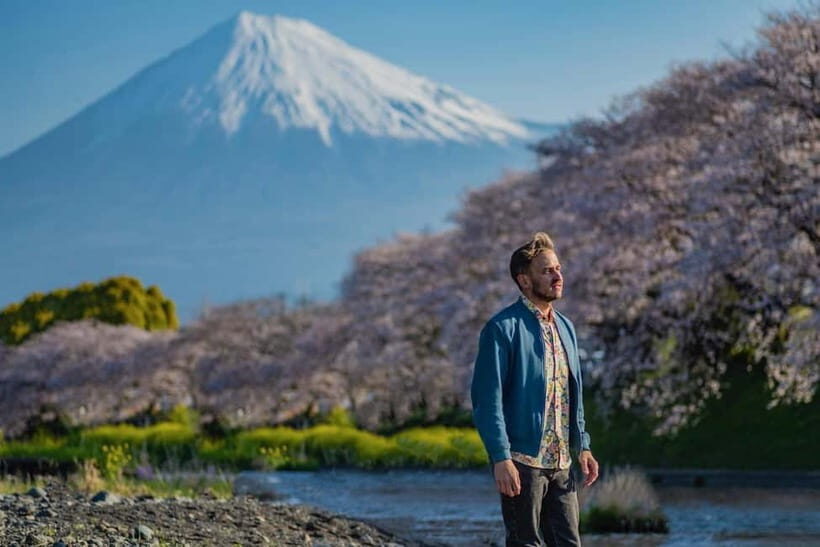
Your day begins with pickup at your hotel or a location of your choice within Tokyo’s 23 wards. The driver will wait in the hotel lobby, but only briefly: plan to be ready about 10 minutes before pickup. They’ll wait no longer than 60 minutes after the scheduled time, and highway traffic can cause delays.
The driver can speak English, Hindi, Urdu, or Arabic. Even if your Japanese is minimal (no judgment—mine would be worse), you’ll have a better day when you can ask quick questions like where the best photo angles are or whether you should swap timing between viewpoints.
One practical tip: if your booking includes pickup outside the Tokyo 23 wards, there’s an extra charge (it’s listed as 5,000 yen to 20,000 yen depending on the area). If you live just outside the city edge, it’s worth factoring that into your total budget early.
Mt Fuji 5th Station: the scale hit you can’t fake
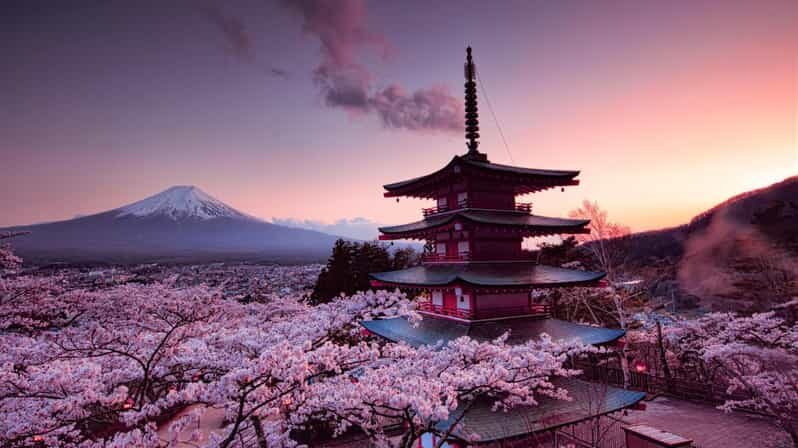
The tour’s first Mt Fuji experience is Mt Fuji 5th Station. You get about 1 hour for photo stops, shopping, and sightseeing.
This stop matters because it’s the closest part of the day that gives you that “I’m really near the mountain” feeling. Even when Fuji is partially hazy, being up at a higher vantage tends to make the mountain look more dimensional than photos from street level.
What to watch for
- If you’re chasing the clearest mountain shape, an early-ish look tends to help, since clouds can roll in later.
- Bring layers. You’re going up in altitude, and temperature can shift fast compared with Tokyo.
Possible drawback
This is a high-demand photo zone. If you arrive when it’s busy, you’ll spend some of your hour waiting for the right moment and angle. That’s normal—just don’t treat the 1 hour like a private studio session.
Arakura Fuji Sengen Shrine: short climb, big payoff views
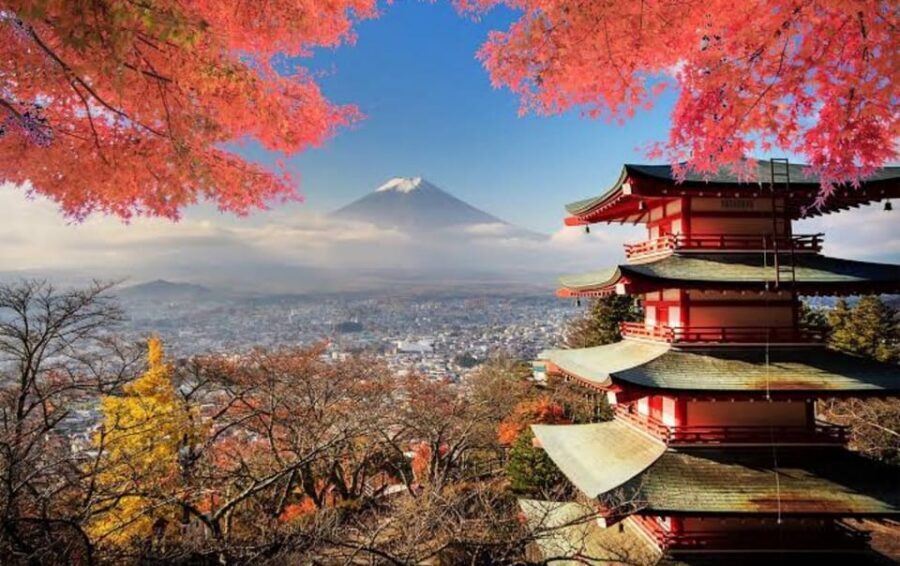
Next up is Arakura Fuji Sengen Shrine for about 30 minutes. You’ll have time for a photo stop, a visit, and shopping.
Arakura is one of those places where time is your friend. The highlights note that there’s a short climb that rewards you with a serene atmosphere and picture-perfect Fuji views. That makes it a great middle stop: you get movement (which helps you stretch and stay alert), then a viewpoint payoff.
The seasonal bonus is real here. The tour description flags Arakura as especially stunning during cherry blossom season, when the shrine area often gives you that classic spring framing.
Trade-off
With a shorter visit window, you need to be ready to decide quickly—what you’re photographing, what you’re skipping, and whether you want to spend extra minutes on shopping or pure sightseeing.
Chureito Pagoda: the iconic Fuji frame
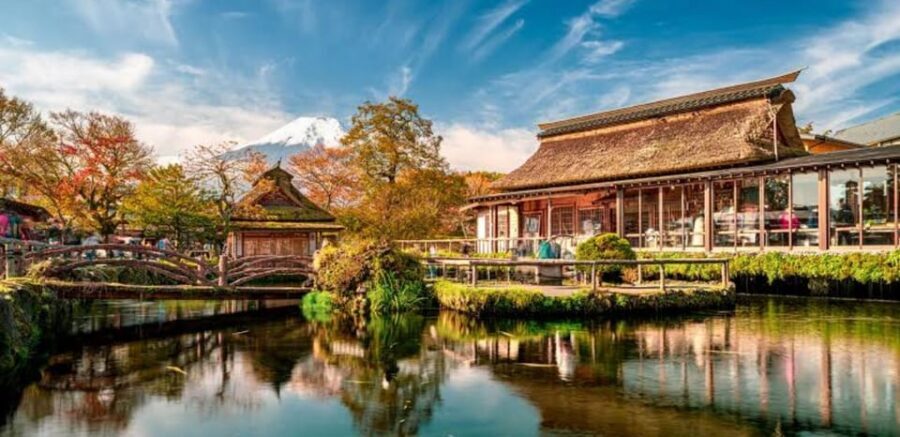
Then you move to Chureito Pagoda, with about 1.5 hours for photos, visiting, and sightseeing.
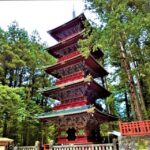
This is your “wow” stop. The tour highlights call it one of Japan’s most iconic photo locations: a five-story vermilion pagoda framed by Fuji’s peak. Spring and autumn are specifically mentioned as especially mesmerizing seasons.
If you’re trying to get a shot that looks like the brochure, this is the place to do it. The structure of the tour also helps: you aren’t just rolling past it for 10 minutes. You get a real window to wait for light, adjust your angle, and walk around to find the cleanest composition.
Small reality check
Pagoda-photo spots can be crowded, especially in peak seasons. Having 1.5 hours instead of 20 minutes is what makes the difference. You’ll use that time.

Lake Kawaguchiko: reflections, strolls, and a slower pace
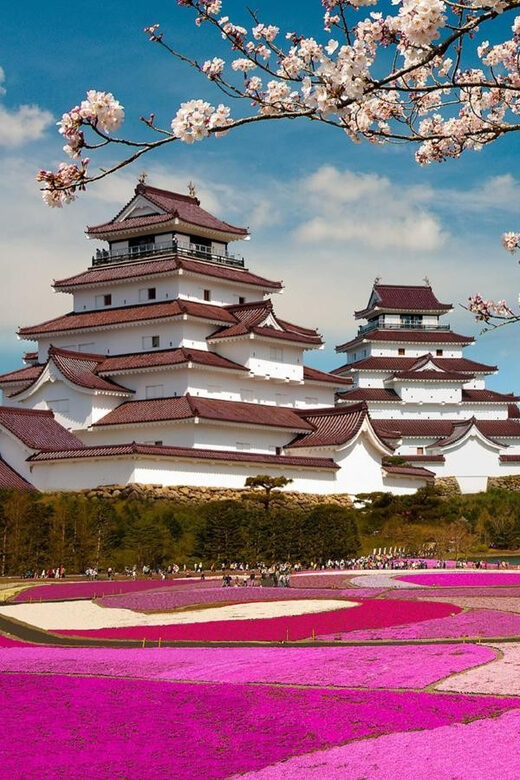
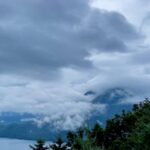
Now you shift from iconic structures to open air at Lake Kawaguchi. You’ll have about 1.5 hours for photo time and sightseeing, including a visit and shopping.
This stop is built around one of the most alluring concepts in the Fuji region: mirror-like reflections. The tour description calls out that Lake Kawaguchiko can dazzle with reflective views of the mountain. It also mentions you can enjoy boat rides and lakeside strolls, plus seasonal festivals depending on timing.
This is where the day stops feeling like a checklist and starts feeling like a vacation. Instead of chasing angles back-to-back, you can take your time and just look at the lake edge and changing mountain outline.
What I’d plan for
- Give yourself permission to walk a little, even if you don’t have a specific route. The lake views tend to change with your position.
- If you’re a photographer, bring patience. Reflection shots are never guaranteed, but the lake gives you multiple chances.
Oishi Park: clean views and an easy reset
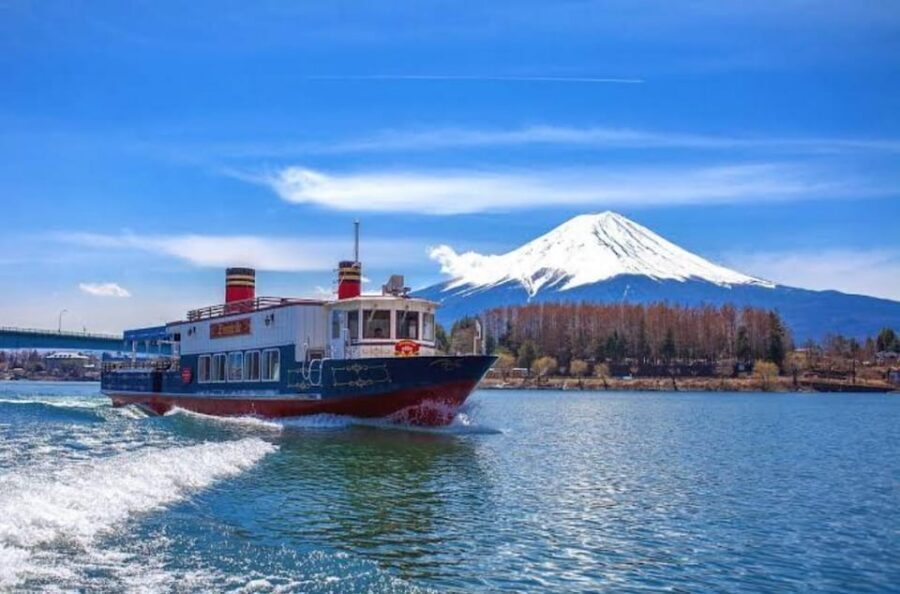
You’ll then go to Oishi Park for about 1 hour of photos, visiting, and sightseeing.
Oishi is a great “reset” stop after the lake. One hour is enough to get your bearings, grab photos, and enjoy the open viewpoints without feeling stuck in a long transit loop.
Why this stop works
The tour is trying to do something smart: keep you away from only one kind of scenery. You already had lake time; now you get a park-style vantage point where you can look out and re-center before the more structured sightseeing around the villages and shrines.
Possible drawback
If it’s a windy day, expect it to affect how comfortable you feel lingering. That’s not the tour’s fault; it’s just mountain weather behavior.
Saiko Iyashi-no-Sato Nenba: village-style atmosphere with shopping time
Next is Saiko Iyashi-no-Sato Nenba for about 1 hour, with photo time, visiting, and shopping.
This is the “cultural interlude” portion of the tour. The itinerary keeps it light, which helps you avoid exhaustion after the mountain and pagoda stops. Even if you’re not deep into browsing, this kind of stop gives your feet a break from viewpoint climbing.
You’ll also get shopping time here, so it can be a good moment to pick up small souvenirs before you head back toward Tokyo.
What to watch
If you’re the kind of person who likes to linger, 1 hour can feel short. But if you prefer a steady flow and hate rushing, this pacing tends to fit well.
Oshino Hakkai: guided time to make sense of what you see
The next stop is Oshino Hakkai, with about 1 hour including a guided tour and sightseeing.
Here’s why a guided component matters: it turns “I see a famous place” into “I understand what I’m looking at,” without forcing you into a rigid museum vibe. You don’t need deep planning. You just need to be ready with comfortable shoes and your camera.
Practical note
Because tickets for visiting places aren’t included, you may want to budget time for any entrance or ticket needs on the day. The tour also asks you to bring cash, which makes that part easier.
Kitaguchi-hongu Fuji Sengen Shrine: final shrine stop plus free time
You’ll finish with Kitaguchi-hongu Fuji Sengen Shrine. The schedule gives you about 45 minutes, including a photo stop, a visit, and free time.
This stop gives you space to choose your own pace. If you want extra quiet time for photos and walking, free time helps. If you’re ready to move on, you can keep it moving without feeling rushed by the group rhythm.
Shrine visits are also one of the best ways to experience the spiritual side of Fuji without needing a long lecture. Even if you don’t understand every detail, being respectful and observant goes a long way.
Possible drawback
45 minutes can pass quickly if you stop frequently for photos. If that’s your style, prioritize the best angle first, then loop back for calmer shots.
The drive back: you’ll feel the day’s length
After the final stop, there’s return travel time listed as 2 hours in the van back to Tokyo.
At this point, the day can feel long—10 hours is a lot when you’re bouncing between photo spots. The good news is you’re sitting in a comfortable air-conditioned vehicle, and you don’t have to manage directions or transit changes. The less you stress about logistics, the more the day feels like it belongs to you.
What’s included in the $451 group price (and what isn’t)
Let’s talk value, not just number.
Included
- Highway tolls
- Parking fees
- Air-conditioned van
- Private group format with a driver
Not included
- Meals
- Tickets of visiting places
What this means for you: you’re mainly paying for transport, time efficiency, and a driver who can run the schedule. If you plan your own lunch and you expect to cover any entrance fees separately, the cost makes sense for a full-day Mt Fuji experience.
Also, group size matters. The tour price is per group up to 6, so if you’re traveling with two to five other people, you can spread the cost in a way that feels fair.
Cash, comfort, and small rules that keep the day smooth
The tour specifically advises you to bring cash. Since tickets aren’t included, cash is the easiest way to handle entrance fees or any onsite purchases without friction.
For comfort, plan for:
- Walking at shrines and viewpoints
- Time waiting for the best photo angles
- Weather changes from Tokyo to the Fuji area
And note the basic rules: alcohol and drugs aren’t allowed.
Lastly, there’s an age limit: it’s not suitable for people over 95 years. If anyone in your group is close to that, it’s worth considering a gentler alternative.
How the driver can make or break the day
In an ideal world, you show up and Fuji is perfectly clear. In reality, weather changes and viewpoints fill up. That’s where the driver makes a difference.
The tour notes a mix of driver languages (English, Hindi, Urdu, Arabic). That helps communication when conditions shift. And in the best days, drivers like Mirza, Randi, or Zahid have been described as friendly and willing to take extra care with special photo spots, including helping you get good pictures even when skies are tricky.
One downside to be aware of: no one can fully control punctuality or weather, and there’s at least one reported case of a booking that didn’t turn up. If you book, treat it like you would any private pickup: be ready in the lobby, keep your contact plan simple, and confirm the morning of.
Should you book this Mt Fuji tour?
Book it if you want a structured, private day from Tokyo that hits the most recognizable Fuji viewpoints—5th Station, Arakura, Chureito Pagoda, and Lake Kawaguchiko—without dealing with trains and transfers. The private format is especially good for families, couples, or small groups up to 6, because the cost can feel reasonable for the time you gain.
Skip or reconsider if:
- You’re only interested in one or two locations and you hate road time between stops
- You’re depending on perfect visibility and can’t handle a cloudy day
- Your group needs meals fully handled for you (meals aren’t included here)
If you come with flexible expectations, comfortable shoes, and a cash plan for any tickets, this tour gives you a satisfying, Fuji-focused day that’s easy to run and fun to photograph.
FAQ
How long is the Mt Fuji tour?
It runs for 10 hours total.
Where does the pickup happen?
Pickup is available at your hotel or location of choice within Tokyo’s 23 wards. If you’re outside those wards, an extra charge applies depending on the area.
What’s included in the price?
The tour includes highway tolls, parking fees, and an air-conditioned van.
Are meals and attraction tickets included?
No. Meals aren’t included, and tickets of visiting places aren’t included.
What languages does the driver speak?
The driver is listed as speaking English, Hindi, Urdu, and Arabic.
What should I bring, and is anything not allowed?
Bring cash. Alcohol and drugs aren’t allowed.