REVIEW · NIKKO
Nikko: Day Tour from Tokyo in Spanish – Spanish
Book on GetYourGuide →Operated by NIPONEANDO · Bookable on GetYourGuide
Nikko makes a great day trip because the UNESCO sights are packed and reachable. I love the Spanish-speaking guides who tell the legends behind Futarasan and Toshogu, and I love the way the route moves you from bridge to temples without wasted time. One possible drawback: it is a long day with trains plus steady walking, and the tour isn’t set up for wheelchairs or for hearing-impaired visitors.
This is also a smart choice if you want culture with organization. I found the best part is that you’re not just “seeing temples,” you’re getting context while you walk. If you prefer slow, independent exploring (at your own pace and without a set path), you might feel boxed in a bit.
In This Review
- Key highlights worth planning for
- Nikko Works So Well as a Tokyo Day Trip
- Meeting Point in Asakusa and How Pickup Usually Works
- The Spanish Guide Factor: What You Actually Gain
- Walking Nikko’s Core: Main Street to Shinkyo Bridge
- Rinnoji Temple: A Strong Start Inside the Futarasan Complex
- Toshogu Shrine: Ornate Details and Skip-the-Line Access
- Lunch Break, Short Walk, and the Return to Tokyo
- Price and Value: Where $254 Really Lands
- Who Should Book This Nikko Day Tour (and Who Shouldn’t)
- Should You Book This Nikko Day Trip from Tokyo?
- FAQ
- How long is the Nikko day tour from Tokyo?
- What language is the tour guide?
- Do I need to buy temple tickets?
- Is food included?
- Are train tickets included in the price?
- How do I find the meeting point?
- Is pickup available from my hotel?
- Does the tour include skip-the-line entry?
- Are large bags allowed?
- Is the tour wheelchair-friendly or suitable for hearing-impaired visitors?
Key highlights worth planning for
- Spanish live guide with stories and context that make Futarasan and Toshogu easier to understand
- Skip-the-line entry via a separate entrance for the most important sights
- Reserved-seat express trains for a smooth Tokyo–Nikko–Tokyo day
- Close, friendly group energy helped by smaller-group pacing and on-the-go adjustments
- Real on-foot time spread across the day, rather than one huge forced walk
- Environment-minded approach (the operator flags this as part of how they run the day)
Nikko Works So Well as a Tokyo Day Trip
Nikko is one of those places where the highlights feel like they belong in a much longer trip. The good news is that this tour turns it into an 8-hour plan with round-trip express trains and reserved seats. You spend about 105 minutes on the train each way, then the rest of the day is structured around the main sights.
What I like is the order. You start with the bridge area first (Shinkyo Bridge), then move into the Futarasan temple/shrine complex, and you finish with Toshogu Shrine, the showpiece. That flow keeps the day from feeling random, and it helps your brain connect the different sacred spaces.
You do need stamina. Between short walking segments and long guided visits, you’re on your feet more than you might expect from the outside. Also, you can’t bring luggage or large bags, so pack like you’re going light for a city day.
If you want Nikko but also want to sleep in Tokyo that night, this format makes sense. It’s not a “wandering” day. It’s a “see the big things, learn what you’re looking at” day.
You can also read our reviews of more tours and experiences in Nikko.
Meeting Point in Asakusa and How Pickup Usually Works
The tour meets in front of the façade of the Asakusa Tourist and Cultural Information Center. Your guide will be waiting there with a name tag that says NIPONEANDO, which makes it hard to miss the right person.
There’s also an optional pickup at your hotel reception. The guide will wear that same NIPONEANDO tag, so you can still confirm you’re in the right place. If you’re staying in the Tokyo area, this matters because it reduces friction on a day trip morning.
Practical tip: bring a small bag only. Since luggage or large bags aren’t allowed, having a compact daypack keeps you comfortable in train stations and in the temple approach areas.
And yes, it’s in Spanish. That’s a big deal if your Japanese is limited. You’ll get explanations while you’re walking, not after the fact.
The Spanish Guide Factor: What You Actually Gain
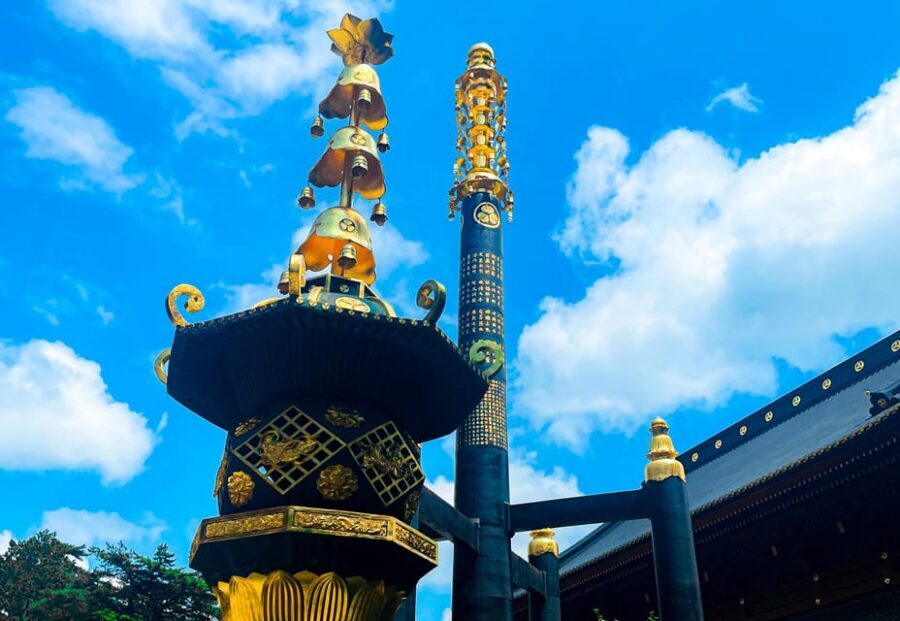
A great day trip guide does two jobs: speed and meaning. The best part of this experience is the way the guide connects the sites to stories, legends, and details you’d likely miss if you were just reading signs.
I particularly like that the guides are praised for being both friendly and close and for explaining with real care. Names like Nerea, Laura, Ori, and Isma come up with the same theme: strong love for Japan and clear explanations that help you notice details instead of just snapping photos and moving on.
For example, the guide focus isn’t only on architecture. You also get helpful answers and recommendations so you can enjoy Tokyo beyond the day trip. One of the nicest compliments here is that questions get handled, and you leave with practical tips, not only temple facts.
One more benefit: the group pacing can shift. In a small group, different people naturally walk at different speeds. The guides described here are experienced at adjusting the rhythm so the day stays enjoyable for everyone.
If you book this, show up curious. Even a basic interest in Japanese culture will pay off because the guide keeps tying the scenery to meaning.
Walking Nikko’s Core: Main Street to Shinkyo Bridge
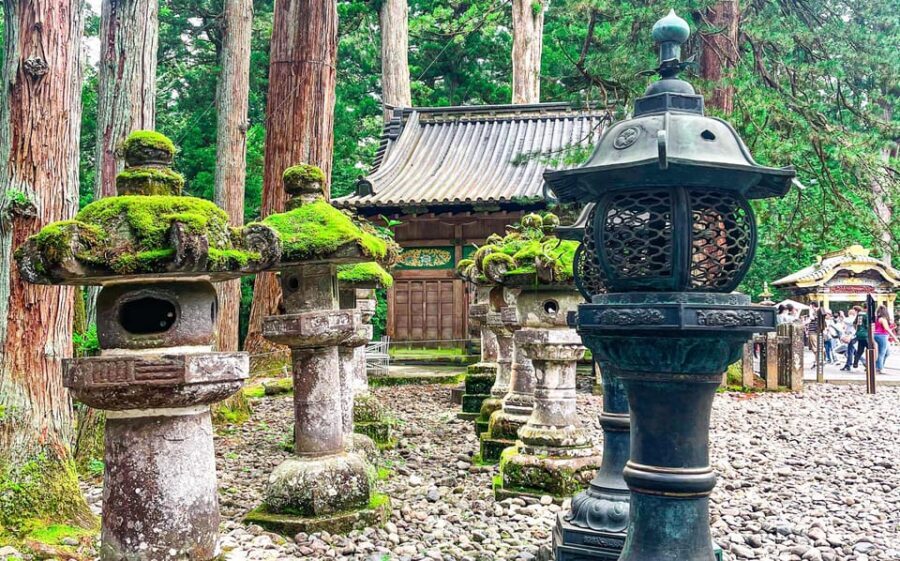
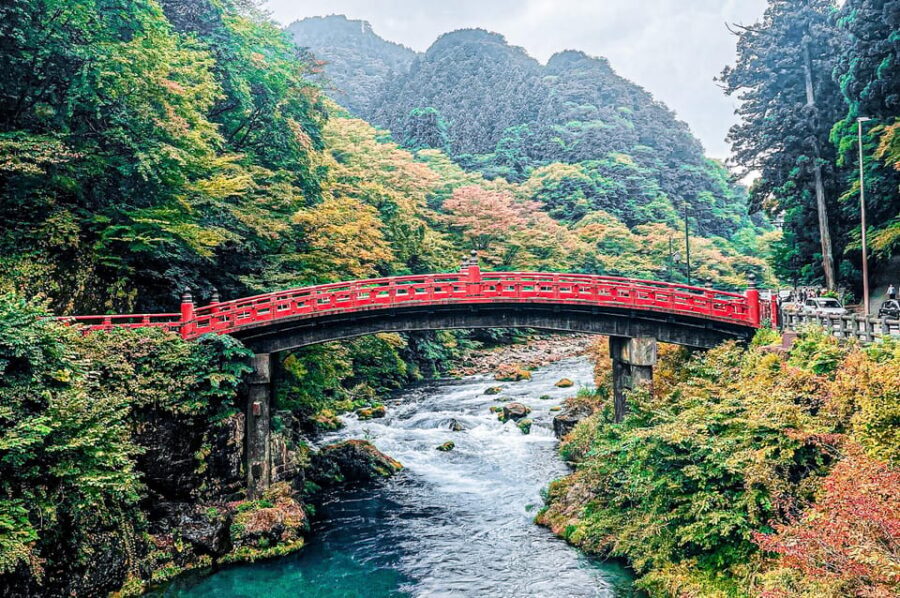
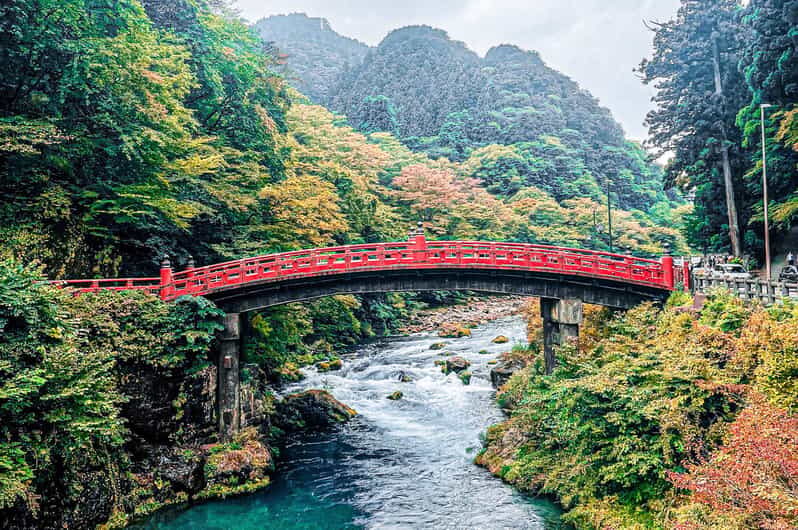
After the train ride, the day gets moving quickly. You start in Nikko with a guided introduction and then walk along the main street until you reach Shinkyo Bridge, known as the Bridge of the Gods.
Shinkyo Bridge is famous for a reason, and you’ll also hear the stories that make it more than a pretty photo stop. The guided time here is shorter—about 15 minutes—but the point isn’t to linger all day. The point is to get you oriented fast and get you into the spiritual complex with the right context.
You’ll also get a quick on-foot segment that links you from the bridge area into the temple/shrine world. Think of it as the day’s transition moment. The guide sets expectations so the next stops feel connected, not like separate ticket items.
Practical note: this is a day trip, so you’re not meant to just “take your time.” If you’re the type who needs long pauses for every viewpoint, you may find the timing a little tight. Still, the payoff is that you cover the big three: Shinkyo Bridge, Rinnoji, and Toshogu Shrine.
Rinnoji Temple: A Strong Start Inside the Futarasan Complex
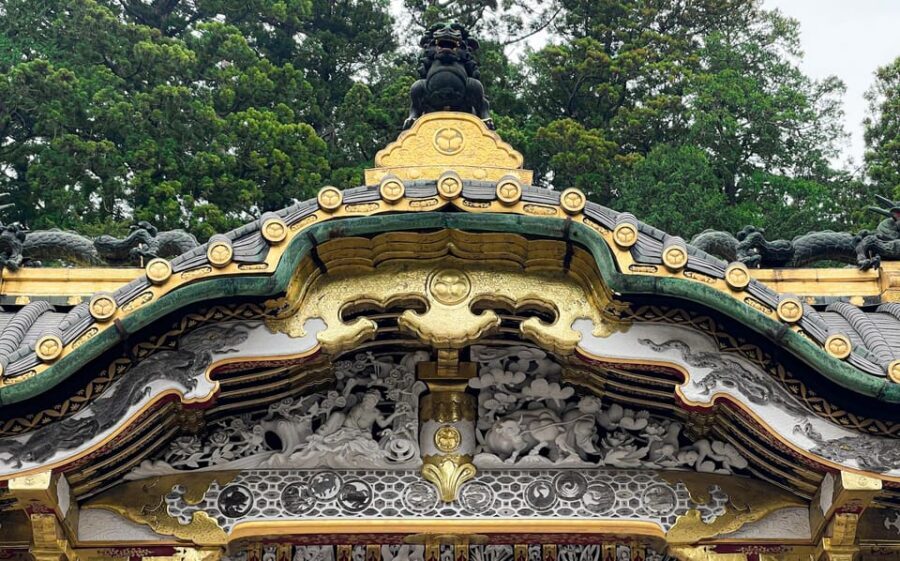
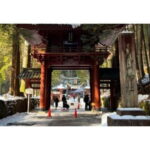
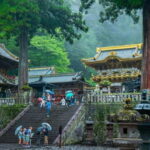
Next up is Nikkozan Rinnoji Temple, part of the larger Futarasan complex. Your guided visit is about 25 minutes, which is a good amount of time for first impressions. You’ll get explanations that help you understand what you’re looking at before you move on.
This stop matters because it gives you a foundation. Toshogu Shrine is the most visually famous and ornate area, but Rinnoji helps you understand the wider setting. When you see the transition from one sacred space to another, the whole place feels more coherent.
Even if you’re not a “temple detail person,” I think this segment is worth it because the guide work focuses attention. You’re less likely to miss key visual cues when someone points out what the symbols and layout are meant to communicate.
Then there’s a short on-foot link—around 5 minutes—to the next major destination. That short bridge time between areas is helpful. It keeps momentum and prevents the day from feeling like a long slog of continuous guided standing.
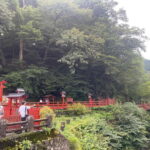
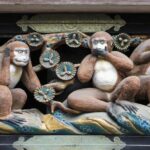

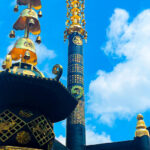

Toshogu Shrine: Ornate Details and Skip-the-Line Access
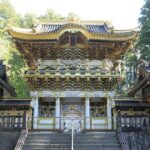
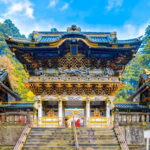
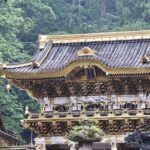
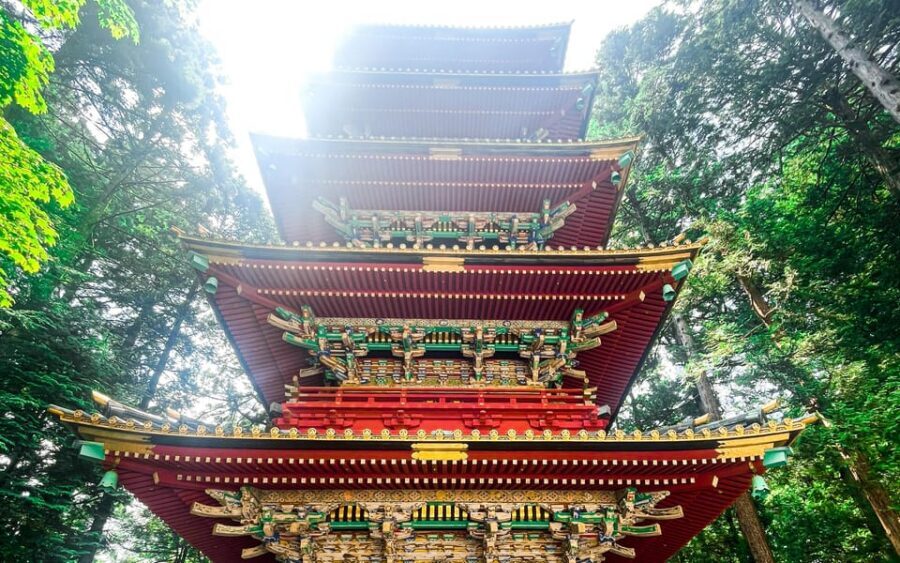
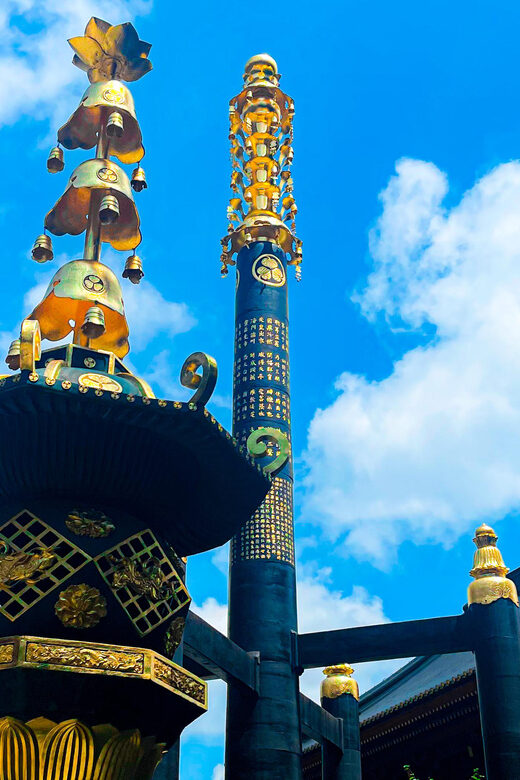
Toshogu Shrine is the crown jewel in this itinerary. You get a long guided slot here—about 95 minutes—because there’s simply a lot to see and understand. It’s also described as one of Japan’s most beautiful shrines, and the styling is different from what many first-time visitors expect.
What I love most is the skip-the-line through a separate entrance. Toshogu can be busy, and saving time here makes the rest of the day feel less rushed. Instead of losing energy to slow queues, you can focus on the shrine itself while your guide is still “in story mode.”
This is where the legends and aesthetics meet. The guide’s job is to help you decode what makes Toshogu feel unmistakable—its visual emphasis, its spiritual meaning, and its place in Japanese cultural identity.
A small warning: since you’re doing a guided walk through major sights, your photography might be constrained by the group pace. If you want lots of solo time for photos, you might need to use your eyes a bit first, then grab shots during any allowed pauses.
Still, overall, this is the part of the day that justifies the tour structure. You’re paying for a guided explanation in the one place where doing it alone would be slower and more confusing.
Lunch Break, Short Walk, and the Return to Tokyo
After Toshogu, you get break time and lunch for about 1 hour. Food and drink aren’t included as part of the price, so plan to buy your own meal during this window.
In practice, I like having lunch built into the schedule. It prevents the day from turning into a frantic search for food while you’re tired. Since the guide is with you, you’ll also have a good sense of where to go for a simple local option during your time window.
You’ll then have another short walk segment—about 20 minutes—before the return train. That short walk is useful because it keeps the day from ending abruptly right after the biggest shrine. You’re not rushing straight from Toshogu into the station without any decompression time.
Finally, you head back to Tokyo on the express train again, around 105 minutes. At this point, you’ll feel that “day trip glow,” but it won’t be because you crawled through every sight alone. It’ll be because the guide gave you a reason to care while you walked.
Price and Value: Where $254 Really Lands
The price is $254 per person, and the big value lever here is transportation plus guide time. You get round-trip express trains with reserved seats, and you also get live guided time in Spanish throughout the day.
That reserved-seat part matters. Tokyo rail days go smoother when you’re not scrambling for boarding positions. It also reduces the stress that usually comes with a tight day trip schedule.
But there’s also the budget reality check. Temple tickets aren’t included and are listed at ¥1,900. Food and drink also aren’t included. So your total trip cost is higher than the headline price once you add entrance tickets and lunch.
Here’s the tradeoff I think most people will like: you’re paying for less friction and better context. If you tried to reproduce this day on your own, you’d likely spend extra time planning train connections, figuring out the best route between sights, and reading enough background to understand what you’re looking at. This tour bundles that planning into one guided day.
Also note a time-sensitive detail: if you booked before September 15, 2025, the trains aren’t included in the price. Bookings made from September 15, 2025, are included due to a tour rate change. When you check out, confirm what your package includes so there are no surprises.
Who Should Book This Nikko Day Tour (and Who Shouldn’t)
This is a strong fit for you if you want:
- A Spanish-language day tour with guided stories and explanations
- A schedule that hits the major Nikko sights in one go
- Less stress than self-planning, especially on train logistics
It’s also a good match if you like the idea of a guide who handles questions and helps you keep your trip moving. Names such as Laura, Ori, and Isma are associated with guides who explain things clearly and answer broader Japan questions too.
It’s not a fit if you need:
- Wheelchair access (not suitable)
- Hearing-impaired support (not suitable)
- Room for luggage or large bags (not allowed)
And if you’re traveling with unaccompanied minors, that’s also a no.
One more honest note: the day runs long and includes multiple guided segments plus walking. If you’re prone to getting tired quickly, plan to rest after you return to Tokyo.
Should You Book This Nikko Day Trip from Tokyo?
Book it if you want the best-known Nikko sights—Shinkyo Bridge, Rinnoji, and Toshogu Shrine—with a Spanish live guide, reserved-seat trains, and skip-the-line access at the key location. You’ll get more meaning from the visuals, and the schedule is built to protect your time.
Skip it (or choose another style) if you want total freedom to linger, you’re sensitive to long days, or you need accessibility accommodations this tour doesn’t support. Also be sure you’re comfortable with the extra out-of-pocket costs for temple tickets and lunch.
If your goal is a well-run, culture-focused Nikko day without rail stress, this one checks a lot of boxes.
FAQ
How long is the Nikko day tour from Tokyo?
The tour duration is 510 minutes, about 8 hours.
What language is the tour guide?
The live tour guide speaks Spanish.
Do I need to buy temple tickets?
Yes. Temple tickets are not included and cost ¥1,900.
Is food included?
No. Food and drink aren’t included, but there is a lunch break time of 1 hour.
Are train tickets included in the price?
It depends on when you booked. If you booked before September 15, 2025, the trains aren’t included in the price. Bookings from September 15, 2025, have trains included due to a rate change.
How do I find the meeting point?
You meet in front of the façade of the Asakusa Tourist and Cultural Information Center. The guide waits with a name tag that says NIPONEANDO.
Is pickup available from my hotel?
Pickup is optional. The guide can pick you up at your hotel reception, with a NIPONEANDO name tag.
Does the tour include skip-the-line entry?
Yes. There is skip-the-line access through a separate entrance.
Are large bags allowed?
No. Luggage or large bags aren’t allowed.
Is the tour wheelchair-friendly or suitable for hearing-impaired visitors?
No. It is not suitable for wheelchair users and not suitable for hearing-impaired people.