REVIEW · TOKYO
Mt Fuji Private Day Tour from Tokyo with English Speaking Driver
Book on Viator →Operated by Travizta Tours · Bookable on Viator
Fuji looks different when you control the day. This private Mt Fuji day tour from Tokyo swaps crowded bus herds for a tailored route, with hotel pickup and an English-speaking driver who keeps things moving.
I like that it runs as a true small-group charter for up to 5 people, so you’re not squeezed into someone else’s itinerary. I also like the hotel pickup and drop-off, which saves the real pain: timing trains with luggage-level stress.
One possible drawback: weather. If clouds roll in, the classic mountain views can vanish, and your day leans harder into the surrounding sights and Hakone instead.
In This Review
- Key things to know before you go
- Private Mount Fuji Day Tour: why this format works
- Price and value for a group of up to 5
- Transport and comfort: what the day feels like in the car
- The English-speaking guide: helpful tips, varying depth
- Itinerary walkthrough: the Mt Fuji viewing plan
- Stop 1: Mount Fuji viewing locations (and a Hakone connection)
- Stop 2: Mt Fuji Subaru Line 5th Station (weather-dependent)
- Stop 3: Lake Kawaguchi Ohashi Bridge
- Stop 4: Oishi Park (lake and Fuji in one view)
- Stop 5: Arakurayama Sengen Park (Chureito Pagoda area)
- Stop 6: Oshino Hakkai (eight ponds, traditional buildings)
- Stop 7: Kitaguchi Hongu Fuji Sengen Jinja Shrine
- Stop 8: Saiko Iyashi no Sato Nenba (only if you have time)
- Fees and tickets: what’s included vs. what costs extra
- Weather reality: how to plan when Fuji hides
- Pickup and meeting points: the part that can go wrong
- Who this tour is best for
- Should you book the Mt Fuji private day tour from Tokyo?
- FAQ
- How long is the Mt Fuji private day tour from Tokyo?
- How many people are in a group, and what is the price?
- Does the tour include hotel pickup and drop-off?
- Is there an English-speaking guide?
- What are the main stops on the itinerary?
- Can we always reach Mt Fuji Subaru Line 5th Station by car?
- What costs are not included?
- Is Mount Fuji guaranteed to be visible?
- What is the cancellation policy?
Key things to know before you go
- Up to 5 people per group: price is per group, not per seat, so it can feel smart value for small families or friends.
- Hotel pickup and drop-off in Tokyo: fewer logistics headaches, more time for viewpoints.
- English-speaking guide/driver: you’ll get practical guidance on where to look and what to do next.
- Fuji Five Lakes hits are packed in: Kawaguchi, Oishi Park, Chureito pagoda area, Oshino Hakkai, and a Sengen shrine.
- Mt Fuji 5th Station depends on conditions: your access may shift, and a shuttle can be required.
- Some stops cost extra: ropeway cruise (500 yen), Saiko Iyashi no Sato Nenba (500 yen), and Subaru Line 5th Station shuttle (listed as 2,100 yen).
Private Mount Fuji Day Tour: why this format works
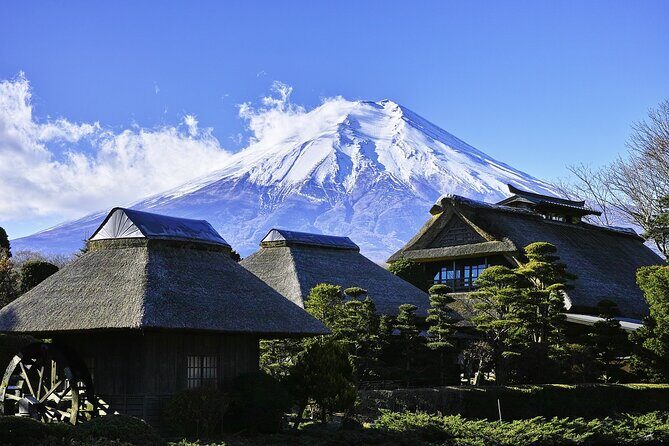
A Tokyo-to-Fuji day trip is really two things: travel time and decision time. Public transport is doable, but it turns a simple plan into a schedule puzzle, especially when you’re trying to catch a specific view. This private setup solves that first half by handling the driving and the timing for you, with air-conditioned transport and door-to-door pickup.
The second half is the bigger deal: how you respond when conditions aren’t perfect. Mount Fuji is famous for being dramatic. Sometimes you get a crisp, postcard peak. Other times, it hides behind clouds or haze. The value of a private day is that your driver can steer you toward better viewpoints and workable alternatives rather than watching your day shrink to disappointment.
You can also read our reviews of more private tours in Tokyo


Price and value for a group of up to 5
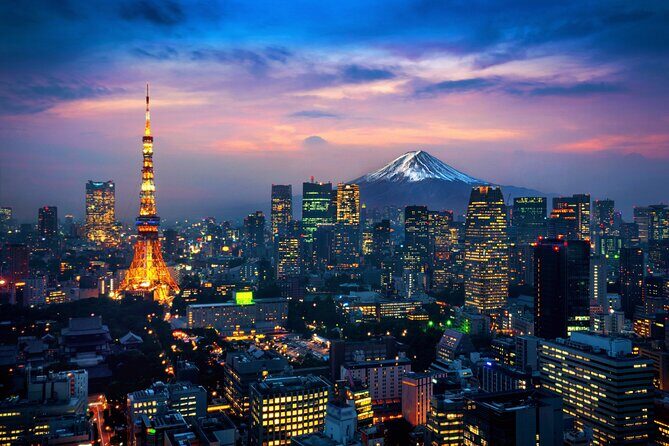
It’s listed at $499 per group (up to 5) for about 10 hours. That means your effective cost drops fast if you’re traveling with 2–4 people. If you’re solo, it’s still a convenient way to buy back time and reduce stress, but you’ll feel the private premium more.
What you’re paying for here is not just transportation. You’re paying for:
- Hotel pickup and drop-off (big when you’re staying in a busy area)
- No need to transfer trains or buses
- Driver tips on where to view Mount Fuji best on that day
- Route flexibility, including the mix of Fuji Five Lakes sights plus a Hakone connection
Also, this kind of trip is commonly booked about 13 days in advance, which is a good sign. If you’re going in peak season or on a weekend, I’d treat it like a plan you shouldn’t leave to the last minute.
Transport and comfort: what the day feels like in the car
This tour includes an air-conditioned vehicle and covers petrol/gas and highway tolls, so you’re not hunting down extra fees for getting out of Tokyo. That matters because Mt Fuji routes can be long, and your energy budget is real. A private car means you can sit, hydrate, and keep your mental energy for the views and walking.
One thing I’d still watch: your day includes several sightseeing stops. Even with a private vehicle, each stop is only about an hour in the itinerary. So your comfort in the car is only half the equation. The rest is how quickly you can move from viewpoint to viewpoint without dragging.
The English-speaking guide: helpful tips, varying depth
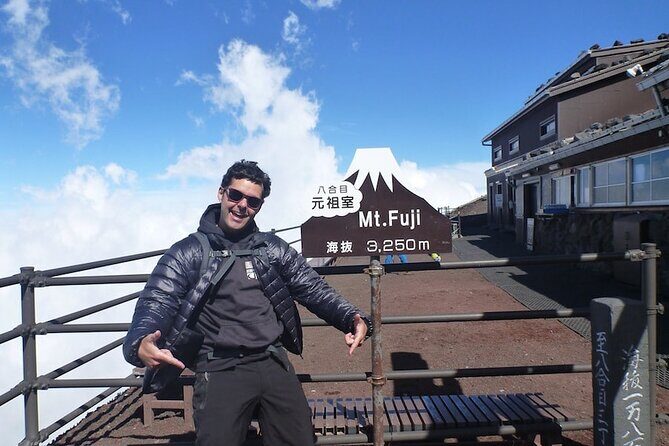
The experience includes an English-speaking guide. In practice, that usually means you’ll get clear explanations and practical guidance about where to look and what to do next.
In feedback from past outings, guides such as Zubi and Hayat were described as professional, punctual, and flexible—especially when weather blocked Mount Fuji views, leading the group to good alternative options around Hakone. That’s the kind of thing you want: not just directions, but a plan when the sky changes.
That said, there’s also a different viewpoint: some people felt the day leaned more toward “having a driver for the day” than an in-depth cultural tour. If you’re the type who wants deep storytelling at every stop, you’ll get more value by asking questions directly and staying engaged rather than expecting a lecture style.
Itinerary walkthrough: the Mt Fuji viewing plan
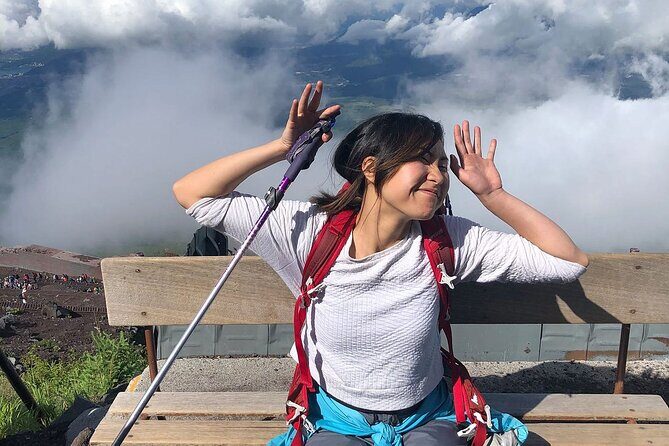
This day trip mixes classic Mount Fuji viewpoints with the Fuji Five Lakes area. The schedule is built around the idea that you’ll see the mountain from multiple angles—if the weather cooperates.
A few more Tokyo tours and experiences worth a look

Stop 1: Mount Fuji viewing locations (and a Hakone connection)
You start with a Mount Fuji viewing stop where the day’s route also includes Hakone on the same outing. The key here is perspective. Instead of focusing on one single view, you’re set up to check the mountain at least once early, then adjust as you go.
If you’re hoping for that iconic skyline look, earlier stops can help because visibility sometimes shifts throughout the day. Even when Fuji isn’t visible, this part of the drive gives you context for the region’s layout and the best places to look later.
Stop 2: Mt Fuji Subaru Line 5th Station (weather-dependent)
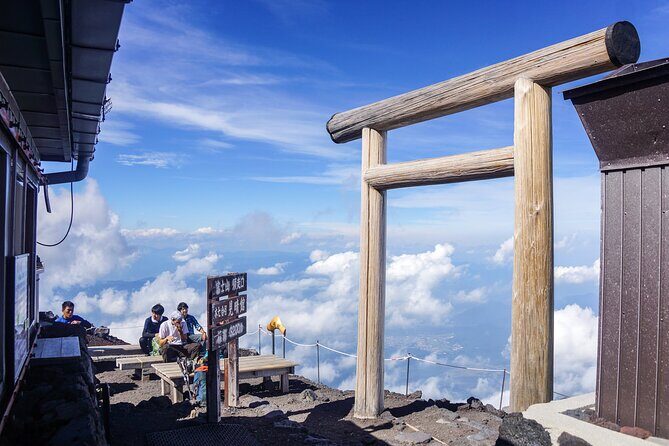
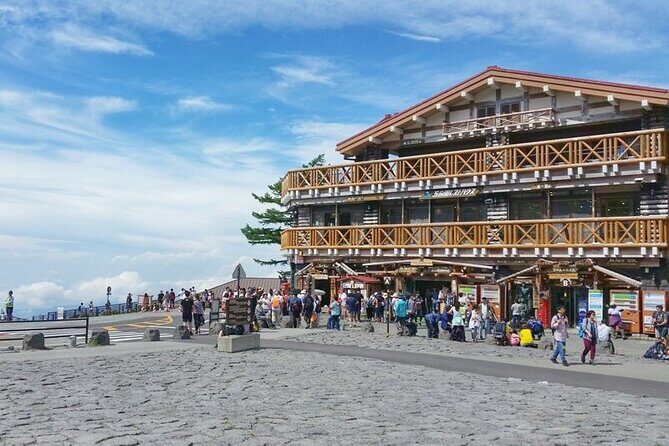
This is the go-to spot if you want to feel closer to the mountain. The itinerary notes it’s the last point reached by car, but access depends on weather conditions. During hiking season, it may not be possible to reach the 5th station by car, and you’ll need a shuttle bus (listed at 2,100 yen per person).
Practical tip: treat the 5th station as a bonus, not a guarantee. If you’re going in a period where access is limited, expect more time spent on viewpoints and the lakes instead.
Stop 3: Lake Kawaguchi Ohashi Bridge
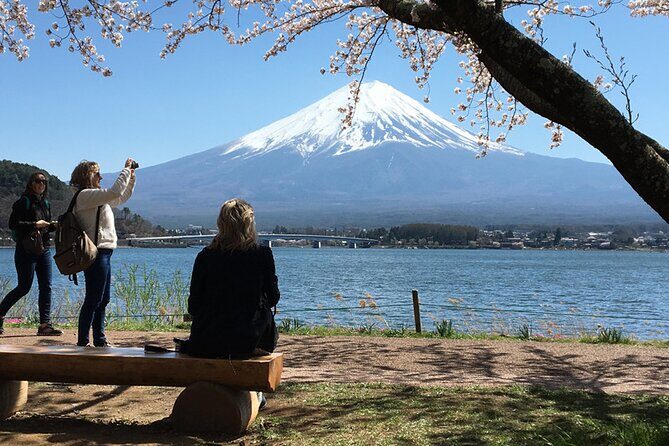
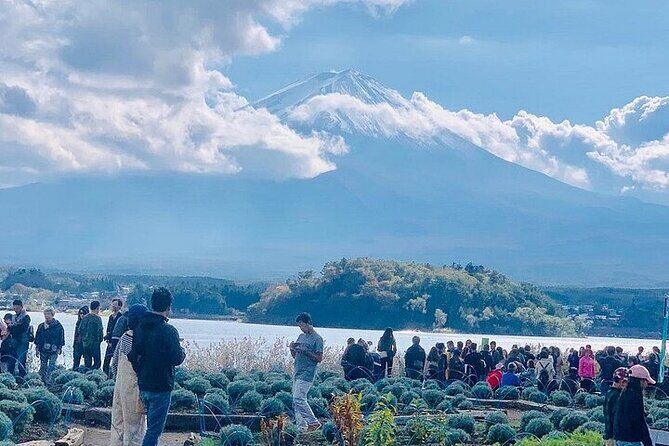
You’ll head to Lake Kawaguchi, one of the five lakes around Mount Fuji. The Ohashi Bridge area is popular because it frames the water and gives you classic photo lines.
This stop works best if you keep your walking short and move at a steady pace. It’s easy to get comfortable here, but the rest of the itinerary still needs your attention.
Stop 4: Oishi Park (lake and Fuji in one view)
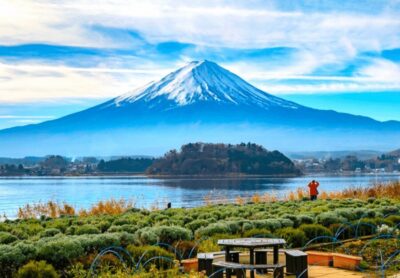
Oishi Park is known for delivering the view in a single glance: the lake and Mount Fuji together, when visibility allows. The promenade is also described as having seasonal flowers along the lakeside, so the experience can vary by month.
If your goal is photos, come ready to adjust quickly. Light changes fast around water, and your best angles may show up for only a short window.
Stop 5: Arakurayama Sengen Park (Chureito Pagoda area)
This is the Chureito Pagoda spot. The park overlooks Fujiyoshida, and the famous five-storied pagoda is the headline.
This stop is a great break from pure nature views because it adds a cultural landmark in the same region. It’s also a reminder that Fuji isn’t only a mountain—it’s a symbol that shows up in shrines and art.
Stop 6: Oshino Hakkai (eight ponds, traditional buildings)
Oshino Hakkai is described as having eight clear ponds and traditional thatched-roof buildings. It’s one of those places that can feel calm even when you’re surrounded by visitors.
The important practical angle: go at a gentle pace. This is not a “walk fast for photos” stop. The ponds and footpaths reward slower attention.
Stop 7: Kitaguchi Hongu Fuji Sengen Jinja Shrine
This shrine is also tied to Fuji worship. The itinerary describes it as the main Sengen Shrine on the north side of Mount Fuji, with an origin date noted as CE 100.
Even if you’re not a shrine person, it helps you understand why Fuji gets treated like more than scenery here. It’s also a nice contrast after the lakes.
Stop 8: Saiko Iyashi no Sato Nenba (only if you have time)
This stop is listed as conditional: if you have time during the 10-hour schedule, you can add Saiko Iyashi no Sato Nenba, a traditional village on the western shore of Lake Saiko. It’s an optional-feeling add-on, and the entry cost is listed at 500 yen per person.
If you’re tight on schedule, I’d think of this as a mood stop, not a must-see. You’ll get the biggest “wow” from the lakes and the region’s iconic viewpoints.
Fees and tickets: what’s included vs. what costs extra
The tour includes admission tickets for several stops as listed: Mount Fuji viewing stop, Lake Kawaguchi Ohashi Bridge, Oishi Park, Arakurayama Sengen Park, Oshino Hakkai, and Kitaguchi Hongu Fuji Sengen Jinja Shrine show as free in the itinerary.
Not included items you should budget for:
- Mt Fuji Subaru Line 5th Station shuttle: 2,100 yen per person (where applicable)
- Ropeway cruise: 500 yen per person (listed as optional/extra)
- Saiko Iyashi no Sato Nenba: 500 yen per person (if you add it)
Even though it’s a private tour, the day can still have a few add-ons. If you want the cleanest budget, decide in advance whether you’re interested in the ropeway cruise and whether the Saiko village fits your energy.
Weather reality: how to plan when Fuji hides
Fuji weather is the main risk, and it’s not the tour’s fault. The route is designed for flexibility: if visibility is poor, the driver can shift the day toward other viewpoints and the Hakone area. That idea shows up clearly in feedback about guides such as Zubi and Hayat, who reportedly suggested strong alternatives around Hakone when Fuji wasn’t visible.
What you can do:
- Go into the day with a “views first, miracle later” mindset.
- Wear layers. Temperature can swing when you’re near higher elevations or by water.
- Bring something simple for comfort if you spend a few extra minutes outside waiting for a better look.
If you’re only in Japan briefly, this kind of day tour is still worthwhile because you’re seeing the Fuji region either way. The mountain may be a guest of honor, but the lakes and shrine stops can still deliver a full day.
Pickup and meeting points: the part that can go wrong
This tour advertises pickup and drop-off from your Tokyo hotel, which is great. Still, one piece of real-world advice: be very clear about where the driver will meet you.
Some past guests noted pickup issues such as the driver not coming to the main entrance and drop-off happening mid-street rather than exactly where expected. That doesn’t mean the service is consistently messy. It does mean you should confirm the exact pickup location and building entrance, especially if your hotel has multiple gates or a busy curb.
Simple move: have your phone ready on the pickup time and be flexible if traffic forces a safe drop zone.
Who this tour is best for
This is a strong match if:
- You want Mount Fuji region sights without wrestling with public transport
- You’re traveling with family or friends and value small-group privacy
- You’d rather spend energy enjoying viewpoints than decoding transit schedules
- You want an English-speaking guide/driver who can adjust when conditions change
It might be less ideal if:
- You expect deep, every-stop historical commentary
- You’re on a strict budget and want the lowest-cost way to reach Fuji
- You’re going to be disappointed if Fuji is obscured (because that’s always possible)
Should you book the Mt Fuji private day tour from Tokyo?
I’d book it if you’re the type who hates logistical stress and wants your day outside Tokyo to feel efficient and flexible. For the price, the big win is that it’s designed around a full-day loop through the Fuji Five Lakes region plus a possible Hakone connection, with hotel pickup and an English-speaking guide handling the driving.
Skip it or reconsider if you need a guaranteed 5th station experience, or if you only want one specific photo of Fuji and nothing else. Weather can change fast, and access to higher viewpoints like the Subaru Line 5th Station is explicitly weather- and season-dependent.
If you’re booking, I’d also plan for extra time on the small “in-between” moments: restroom stops, quick walks, and waiting for better visibility. This tour gives you structure. You still control how quickly you move and how you react when the sky shifts.
FAQ
How long is the Mt Fuji private day tour from Tokyo?
The tour runs for about 10 hours.
How many people are in a group, and what is the price?
It’s priced at $499 per group for up to 5 people.
Does the tour include hotel pickup and drop-off?
Yes. The tour includes pickup and drop-off from your Tokyo hotel.
Is there an English-speaking guide?
Yes, the experience includes an English-speaking guide.
What are the main stops on the itinerary?
The day includes Mount Fuji viewing, Mt Fuji Subaru Line 5th Station (weather-dependent), Lake Kawaguchi Ohashi Bridge, Oishi Park, Arakurayama Sengen Park (Chureito pagoda area), Oshino Hakkai, Kitaguchi Hongu Fuji Sengen Jinja Shrine, and Saiko Iyashi no Sato Nenba if there is time.
Can we always reach Mt Fuji Subaru Line 5th Station by car?
The itinerary notes it’s the last point reached by car, but it depends on weather conditions. During hiking season, you may not be able to go to the 5th station by car and would need a shuttle bus (2,100 yen per person).
What costs are not included?
Not included items listed are ropeway cruise (500 yen per person), Subaro/Subaru Line 5th Station access via shuttle (2,100 yen), and Saiko Iyashi no Sato Nenba (500 yen per person).
Is Mount Fuji guaranteed to be visible?
Visibility depends on the weather. If Mount Fuji viewing isn’t possible, your guide can recommend alternative spots, including options around Hakone.
What is the cancellation policy?
The tour offers free cancellation up to 24 hours in advance for a full refund. If you cancel less than 24 hours before, the amount paid is not refunded.