REVIEW · KAGOSHIMA
Japanese Calligraphy or Karate Experience in Kagoshima
Book on GetYourGuide →Operated by H.I.S. Co Ltd(TIC) · Bookable on GetYourGuide
Brush ink is oddly calming. In Kagoshima, a small-group workshop in a tatami room teaches Japanese calligraphy with a professional instructor, starting with a quiet reset and the feel of traditional tools, often guided by Hitomi Sensei in English support.
I love the built-in slow start: a brief meditation that actually changes the whole mood, so the strokes feel less like an art class and more like focus practice with ink in the air. The pacing is gentle, and you’re shown what to do before you’re asked to copy it.
I also love the end result you can keep: after learning basics, you practice your name and learn simple kanji-style writing, then finish by making a take-home piece and even writing on a uchiwa/sensu fan. One thing to watch: calligraphy and karate are separate options, so if you want both you’ll need to plan your time carefully.
In This Review
- Key things to know before you go
- The tatami quiet: how Kagoshima calligraphy starts
- Inkstone + brush: the hands-on basics that matter
- Writing your name and learning kanji-style strokes
- From practice to take-home art: the fan and half-sheet work
- Instructor-led calm: what Hitomi Sensei’s coaching feels like
- Pairing it with karate in Kagoshima: etiquette plus focus
- Price and value: why this $29 class can be worth it
- Who this is for (and who should skip it)
- Should you book this Kagoshima calligraphy (or add karate)?
- FAQ
- How long is the experience?
- How many people are in the group?
- Is calligraphy equipment provided?
- Do I need to bring anything?
- What souvenirs do I take home?
- Is the instructor available in English?
- Can I book calligraphy and karate together?
- Is this experience suitable for young children?
- What’s the cancellation window?
Key things to know before you go
- Tatami-room calm sets the tone right away with a short meditation before any brushwork
- Inkstone practice teaches how ink gets prepared, not just how to swing a brush
- Write your name + kanji basics gives you something personal to bring home
- Fan souvenir (uchiwa or sensu) means you leave with a usable reminder, not only paper
- Very small group size keeps the instructor close for corrections
- English support makes the steps easier even if you know zero Japanese
The tatami quiet: how Kagoshima calligraphy starts
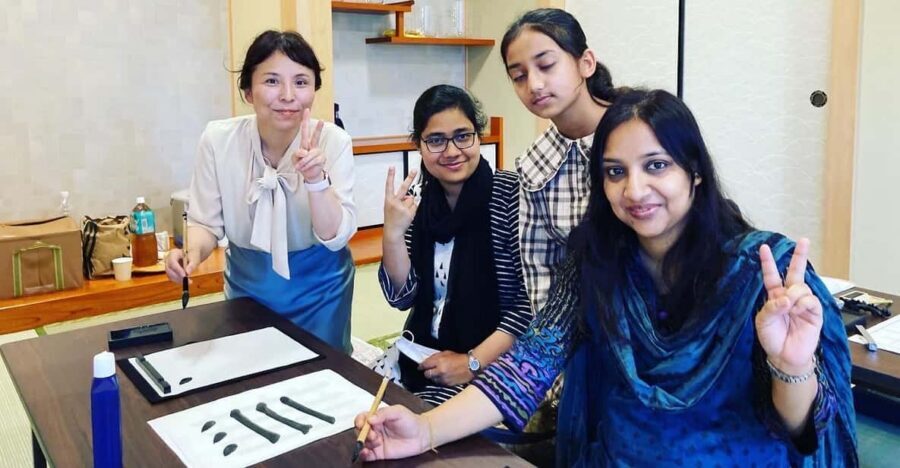
Japanese calligraphy sounds fancy until you’re sitting in that room. The session begins with a short meditation meant to settle your mind and slow your hands down. In practical terms, it helps you stop rushing. You’ll feel the difference when you start making brush strokes and realize calligraphy is about control more than talent.
You’re in a traditional tatami setting surrounded by the scent and sight of brush and ink tools. It’s not about performing for a crowd. It’s about learning how to make deliberate marks, one step at a time. If you like calm, focused activities on trips, you’ll probably find this more satisfying than a typical souvenir stop.
You can also read our reviews of more tours and experiences in Kagoshima.



Inkstone + brush: the hands-on basics that matter
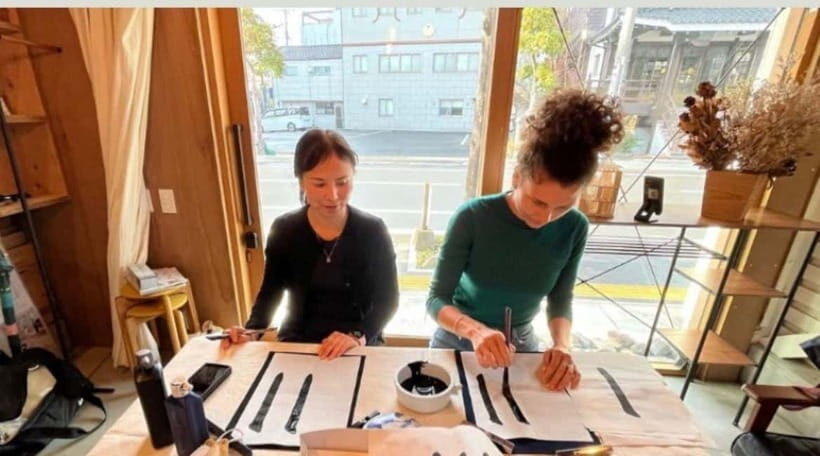
A big reason this workshop feels authentic is that it teaches the process, not just the final character. You’ll polish or prepare ink with an inkstone, then write with a brush. That matters because calligraphy isn’t just ink on paper—it’s friction, pressure, and consistency.
Here’s what you’ll take away that’s actually useful:
- How brush angle and pressure change the stroke
- How to pace yourself so your line stays steady
- How to correct your form before you waste paper
You don’t need to show up with calligraphy experience. The instructor’s job is to put you on the right path quickly—demonstrate first, then guide you through copying basics. The class format is also built for momentum: after a few practice sheets, you move toward a finished work instead of looping on the same exercise for the whole hour.
Writing your name and learning kanji-style strokes
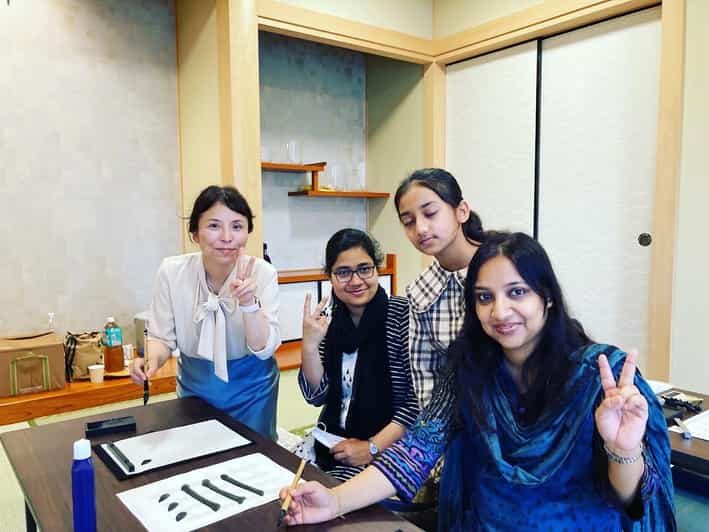
The core personal part is writing your name in Japanese. You’ll also get practice with how to form Japanese characters—especially getting an understanding of kanji writing basics at a beginner-friendly level.
Even if you don’t read kanji, you can learn this in a “shape and stroke order” way. That’s the practical value: you stop seeing characters as random symbols and start treating them like building blocks.
During the session, expect to:
- Try writing your name using the guidance you’re given
- Learn how strokes connect, end, and vary in thickness
- Build confidence by practicing more than once, not just copying one example
If you’re the type who likes to understand structure (rather than only making something pretty), you’ll enjoy the way the instructor breaks down strokes and helps you get them right.
From practice to take-home art: the fan and half-sheet work
The workshop culminates in creating your own special character. You’ll practice a few sheets, then tighten your focus at the end to complete a final piece on a half-sheet of paper.
But the most memorable part for many people is the fan writing. You’ll write on a uchiwa (flat fan) or a sensu (folding fan), designed as a take-home souvenir. This is smart for travel because:
- It feels personal and useful, not only decorative
- You can remember the feeling of the brush strokes long after the ink dries
- It gives you a second keepsake from the same workshop time
So you leave with both: a paper artwork and a fan you can actually keep with you. That’s a better value mix than workshops that only produce one fragile sheet.
Instructor-led calm: what Hitomi Sensei’s coaching feels like
One of the strongest points from the experience is how friendly and attentive the instruction feels. In particular, Hitomi Sensei’s sessions are described as calm and peaceful, with clear demonstrations of basic brush strokes and explanations that make the steps easy to follow.
You’ll get the kind of coaching that helps you adjust without feeling embarrassed. That’s important, because calligraphy demands small corrections—hand position, pressure, where you start, and where you finish.
Also, the instructors provide support in English (with Japanese as needed). That helps a lot if you’re traveling solo or you want to understand what you’re doing instead of guessing.


Pairing it with karate in Kagoshima: etiquette plus focus
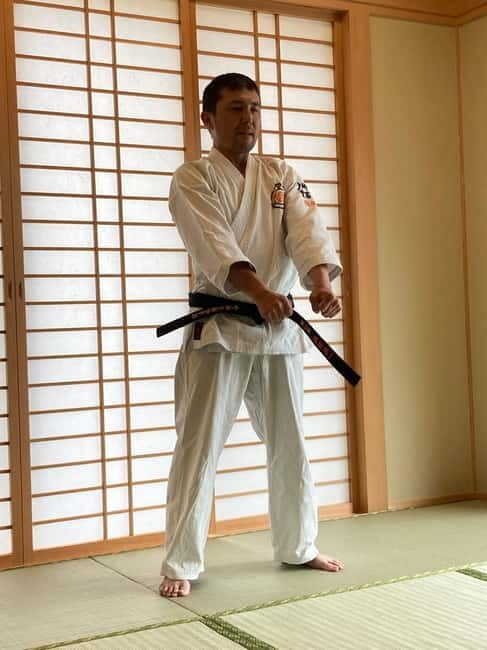
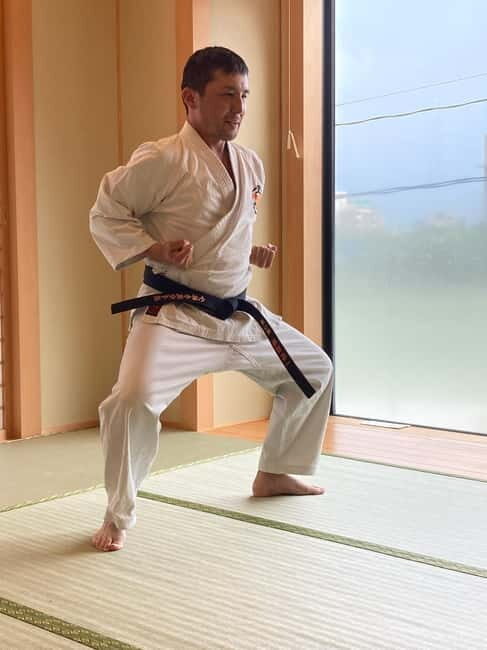
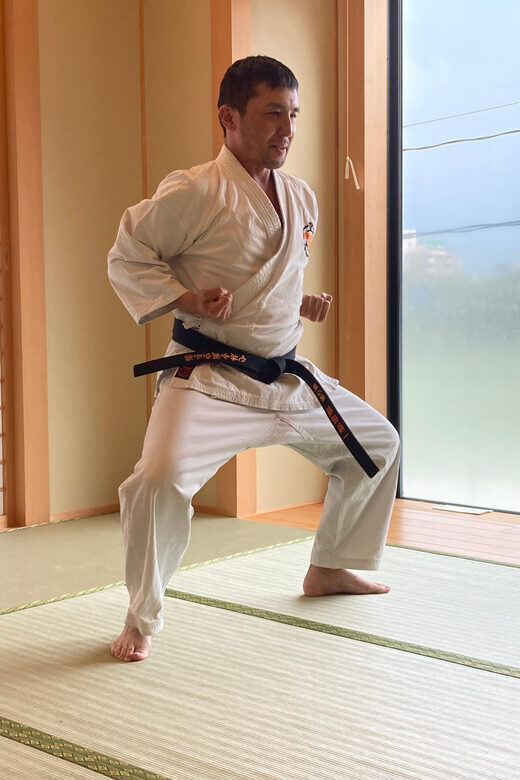
This activity comes in two separate versions: calligraphy or karate. If you’re doing both, you’ll likely spend a little extra time total because each option is its own session.
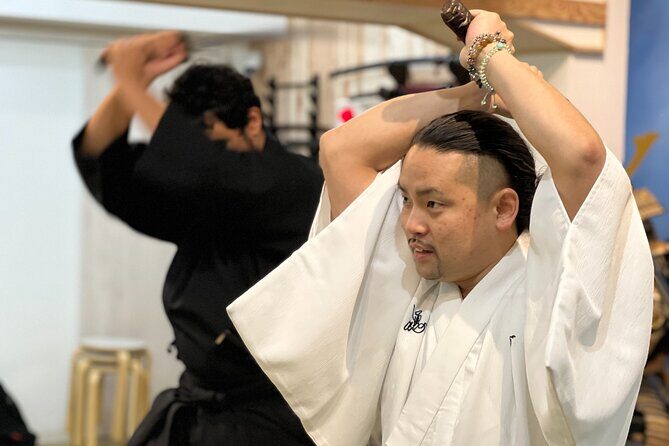
The karate side shifts from silence to movement, but it keeps a similar theme: control, focus, and respect for the form.
Expect a traditional dojo setup and a structured introduction:
- You change into a karate uniform
- You learn etiquette as part of the training flow
- You practice basic forms and movements
- You build focus and mental strength through repetition
If you’re a beginner, the training is designed to guide you through the basics in an easy, step-by-step way. If you’ve trained before, you might also find it’s a good opportunity to compare your approach with the instructor’s style and coaching focus.
A small but meaningful bonus: at the end, if you do both calligraphy and karate, you get a commemorative photo and a certificate of completion. That turns the workshops into a real milestone, not just two disconnected activities.
Price and value: why this $29 class can be worth it
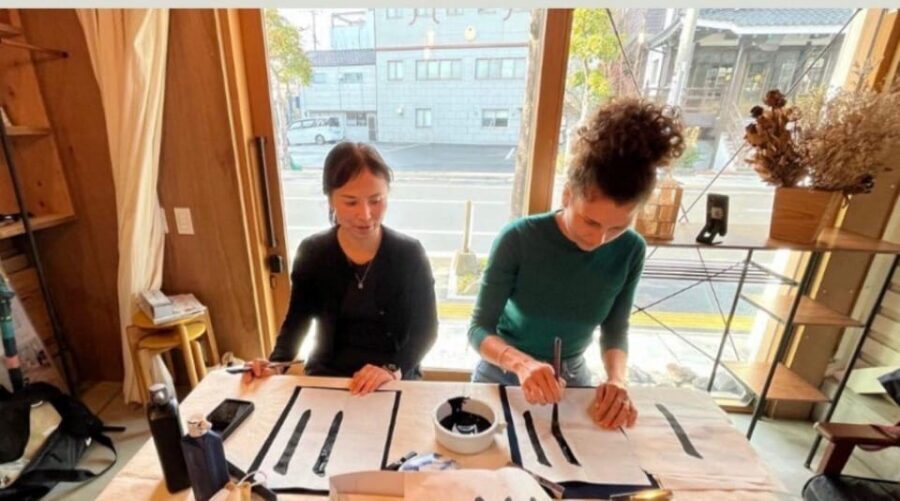
The price listed is about $29 per person, which aligns with the Japanese yen figure mentioned for the calligraphy workshop (8,000 yen). For a 1-hour, instructor-led session with tools and paper rental included, that’s fairly reasonable—especially because you’re not just watching. You’re making two take-home items: your paper character and your written fan.
The value equation here is simple:
- Short time commitment (1 hour)
- Small group attention (up to 4 people)
- Equipment provided (so you don’t need to buy supplies)
- Tangible souvenirs you’ll actually want to keep
If you’re thinking, I can just buy a calligraphy souvenir in town, you can—but a workshop is different. You’re paying for skill, guidance, and the personal connection of producing something with your own hand.
Who this is for (and who should skip it)
This workshop is a strong fit if you:
- Want a calm cultural experience that’s not based on long walking
- Like hands-on art where you leave with a finished product
- Enjoy learning with clear instructions, especially in English
- Want a unique souvenir that isn’t mass-produced
You should consider skipping if:
- You’re looking for a high-energy performance-style activity
- You need something that can be done quickly with no concentration at all
- You’re traveling with kids under 6, since it’s not suitable for that age group
And for clothes: wear comfortable shoes and comfortable clothing. That’s your main requirement. You’ll be sitting and moving your arms for brushwork, and for karate you’ll need freedom to practice basics in a uniform.
Should you book this Kagoshima calligraphy (or add karate)?
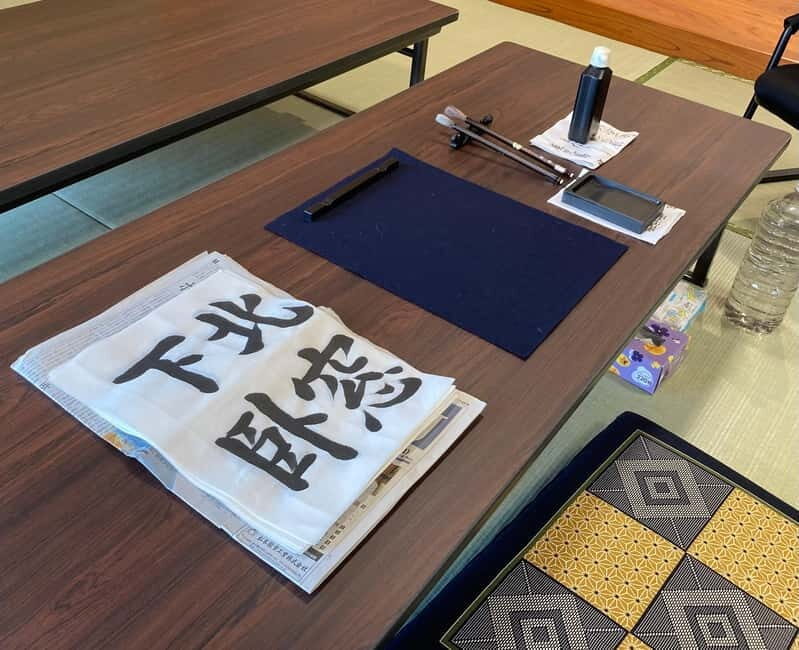
Yes, I’d book it if your trip needs one grounded, memorable cultural experience. Calligraphy in a tatami room with inkstone practice and a final fan souvenir is the kind of activity that feels genuinely Japanese without being intimidating. You’ll get structure, guidance, and a keepsake that’s tied to your own name and effort.
Book calligraphy only if you want calm, slow focus and an art you can keep on your wall or store carefully. Add karate if you want the contrast: the same attention to discipline, but expressed through movement and etiquette.
If your schedule is tight, pick one option and do it well. If you’ve got the time, doing both creates a fuller picture of Japanese culture in just a few hours—quiet hands, then strong steps, all led by instructors who explain the basics clearly.
FAQ
How long is the experience?
The calligraphy or karate experience is listed as 1 hour.
How many people are in the group?
It’s a small group, limited to 4 participants.
Is calligraphy equipment provided?
Yes. Calligraphy equipment and paper rental fees are included.
Do I need to bring anything?
Bring comfortable shoes and comfortable clothes.
What souvenirs do I take home?
For calligraphy, you create your own calligraphic work and also write on a uchiwa or sensu fan to take home.
Is the instructor available in English?
Yes. The instructor provides English and Japanese support.
Can I book calligraphy and karate together?
They are separate options, so you need to book each session separately if you want both.
Is this experience suitable for young children?
No. It’s not suitable for children under 6.
What’s the cancellation window?
You can cancel up to 2 days in advance for a full refund.