REVIEW · KAGOSHIMA
Sakurajima Century Lava Climb Journey with E-bike
Book on GetYourGuide →Operated by Volcano Life Journey · Bookable on GetYourGuide
Sakurajima feels volcanic and human at the same time. This 3-hour e-bike climb turns big eruption history into something you can experience up close, with stops that explain what you’re seeing on the ground. I love the small group pace and how the guide (often Rento) builds the story around real geology and real viewpoints. I also like that the e-bike makes the climb doable without turning it into a grind.
If there’s wet weather, the trip can get slippery in places. One rider even had trouble with wet black sand on the path, so bring the right grip and don’t rush the slick sections.
In This Review
- Key Highlights You’ll Actually Care About
- Why Sakurajima by E-bike Makes Sense
- Starting at the Sakurajima Visitor Center: Safety First, Then Fun
- How the E-bike Climb Really Feels (and Why Breaks Matter)
- Yunohira Observatory: The Best Reason to Come Up Here
- Learning Volcanic History at Eye Level: Eruptions and Taisho Lava
- The Route’s “Secret” Stops: Quiet Roads, Agriculture, and Less-Obvious Views
- Photo Stops Without the Forced Smiles
- The 3-Hour Timing: What You’ll Do, What You’ll Feel
- What Gear to Bring (Especially for Rain, Ash, or Wet Black Sand)
- Who This Tour Fits Best (and Who Should Skip It)
- Price and Value: Is $102 Worth It?
- Should You Book the Sakurajima Century Lava Climb by E-bike?
- FAQ
- How long is the Sakurajima Century Lava Climb Journey with E-bike?
- What does the tour cost?
- Where do I meet the guide?
- How many people are in the group?
- What languages are the guides?
- Is the e-bike and helmet included?
- What should I bring?
- What happens if the weather is bad?
- Do I need prior cycling experience?
Key Highlights You’ll Actually Care About
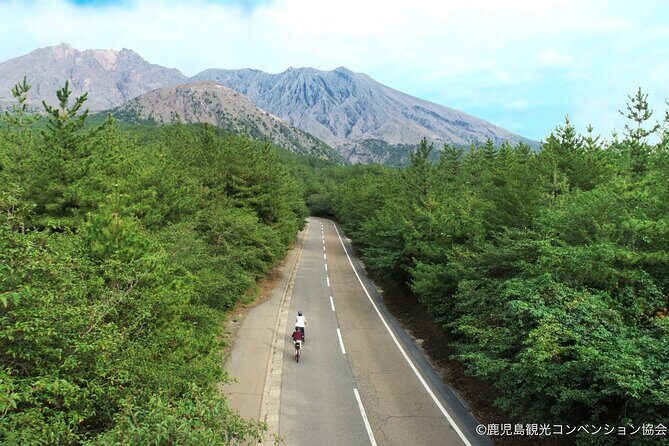
- E-bike assistance makes the steep parts manageable, even if you’re not a cycling person
- Yunohira Observatory delivers a true top-of-the-island panoramic payoff
- Eruption stories + Taisho lava traces connect history to what’s visible today
- Photo stops are built in, not tacked on at the end
- Small group size (max 6) keeps the tour from feeling like a factory line
Why Sakurajima by E-bike Makes Sense
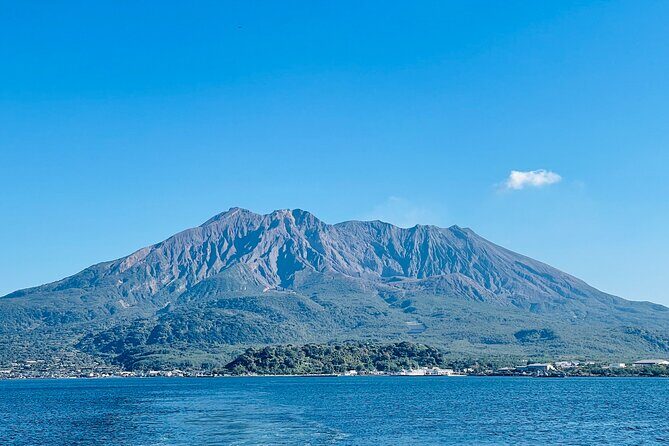
Sakurajima isn’t a place you want to only glance at from a bus window. Going by e-bike is a sweet middle ground: you get real movement around the island, but you’re not fighting every hill with pure leg power. And because you’re still outside the whole time, you feel the island’s “active” character in a way that’s hard to get from viewpoints alone.
I also like that this tour is built for understanding. You’re not just told facts; you’re guided to spots where those facts become obvious. The route focuses on eruption history and the physical evidence of past lava flows, including Taisho lava traces, so the island turns from background scenery into a living lesson.
The other big reason it works is time. In about 3 hours, you can reach the highest point area you’re aiming for and still have time for breaks, photos, and conversation. That’s a win if your Kagoshima schedule is tight and you still want something more personal than a standard sightseeing loop.
You can also read our reviews of more cycling tours in Kagoshima
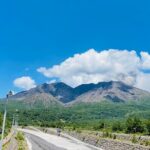
Starting at the Sakurajima Visitor Center: Safety First, Then Fun
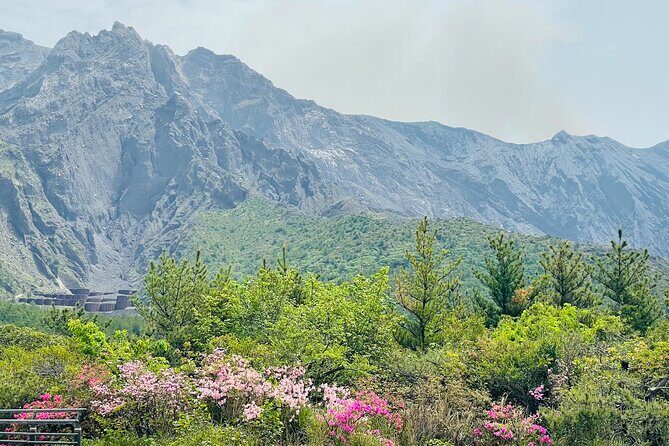
Your tour begins at the Sakurajima Visitor Center. Expect a focused safety briefing right up front (around 20 minutes), plus getting your helmet and e-bike set. This matters because the island conditions can change quickly, and you’ll be moving as a group on roads that may include rougher surfaces.
After that, there’s usually a short guided ride period to help you find your rhythm. Even if you’ve never used an e-bike before, you can learn fast. The best part is that the guide doesn’t make you feel rushed, and they keep the pace realistic for the group size.
One practical note: the tour includes snack and drink later, but I’d still bring your own water and wear shoes that can handle uneven ground. Comfortable shoes aren’t a cliché here; Sakurajima is active, and your feet will thank you.
How the E-bike Climb Really Feels (and Why Breaks Matter)
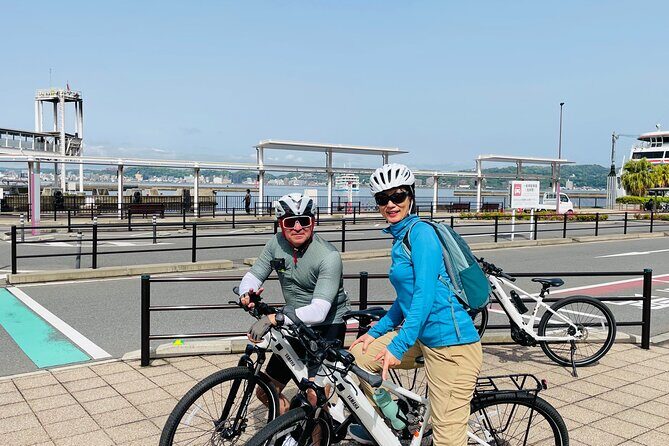
The climb up toward Yunohira Observatory is the heart of the experience. The e-bike helps with the steep parts, and in practice it turns what could be a tough workout into something more like a steady effort with lots of chances to stop and regroup.
You should plan on some uphill effort, especially if you’re not used to cycling. But the tour is designed for stops, so you won’t be stuck grinding while everyone else waits. In fact, several riders highlighted regular breaks and a guide who checks in on comfort and safety.
If you’re coming from a more relaxed travel style, you’ll still enjoy it. The trick is to treat the climb like a guided walk with wheels: go steady, use the assist, and take the photos when they happen rather than trying to “catch up” later.
Yunohira Observatory: The Best Reason to Come Up Here
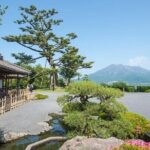
The Yunohira Observation Deck is where the trip pays you back. This is the highest point on Sakurajima for the route, and the view gives you the big-picture scale of Kagoshima and the surrounding area. It’s the kind of viewpoint where your brain stops and goes quiet, even if you’ve been traveling all day.
You’ll arrive for a photo stop, then get more guided explanation. There’s also time to breathe, look around, and shop for small snacks or local items if you want. Some tours add extra small comforts, and here you’ll have a moment to settle before heading back down.
In the best moments of the tour, the guide connects the view to the island’s eruption story. You start noticing patterns—where the land looks changed, where nature has reclaimed areas, and how the island’s history shows up in the physical clues. That’s why I think this stop is the key anchor of the whole experience.
Learning Volcanic History at Eye Level: Eruptions and Taisho Lava
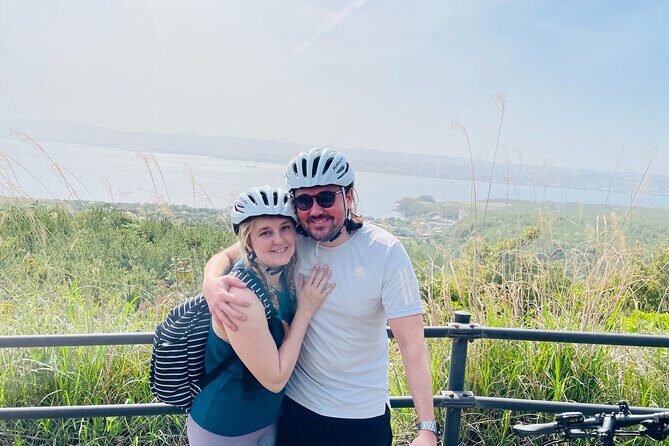
What I really like about this tour is that it keeps the geology grounded. You move between stops that illustrate how Sakurajima’s eruption shaped the island, including the traces of Taisho lava. It’s not just “volcano talk.” It’s you standing near the evidence and hearing what it means.
You also learn about stories tied to the island and its eruption history, including the impact of a major eruption in the 20th century. That context helps the places feel personal instead of abstract. When you understand what changed, you can better read what you’re seeing: scarred ground, recovery in progress, and the practical reality of living near an active volcano.
The guide’s style can make a huge difference here. Many participants praised how Rento explained the geology clearly and patiently, with multiple photo-worthy stops along the way. If you ask questions, you’ll likely get thoughtful answers, not rushed sound bites.
A few more Kagoshima tours and experiences worth a look
The Route’s “Secret” Stops: Quiet Roads, Agriculture, and Less-Obvious Views
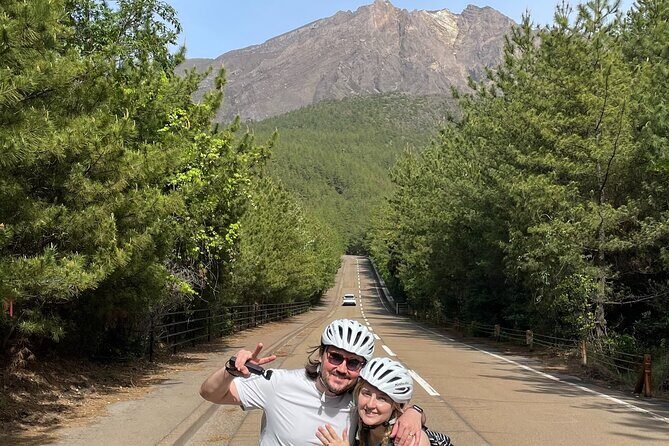
The tour includes extra stops beyond the headline viewpoints. These are often described as secret stops, and the vibe is quieter. You’re not just following a checklist; you’re getting small side moments where the island feels less staged and more lived-in.
You might see local agricultural areas and get explanations about how people make use of the island despite volcanic soil and conditions. That’s a valuable contrast to the dramatic volcanic imagery you might expect. Sakurajima isn’t only about eruptions—it’s about daily life, food, and adapting over generations.
These side stops are also where the tour’s pacing becomes comfortable. With a small group, you’re not constantly stepping around strangers or losing track of your guide. You get time to look, ask, and take photos without feeling like you’re getting pushed through.
Photo Stops Without the Forced Smiles
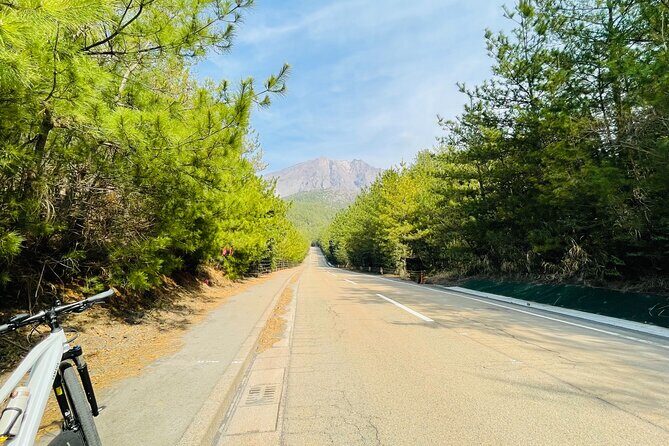
This tour is built around seeing and photographing. Expect multiple photo stops as you ride, plus scenic stops on the way up and down. The guide helps you find good angles and times when you can actually take a calm picture rather than snapping while rolling.
If you’re worried you’ll look like a tourist on a bike, don’t. One rider mentioned that the guide even took photos during the experience, which is great if you don’t want to hand your phone to strangers. Even if you’re fully comfortable self-photographing, the guide can help you choose the moment and spot.
The key is to remember that the best shots often happen right after the guide explains the “why.” When you understand what you’re pointing at, the photos turn from random landmarks into visual notes from your trip.
The 3-Hour Timing: What You’ll Do, What You’ll Feel
This experience is short enough to fit into a day without crushing your schedule. In practice, the timing is paced: safety briefing, short guided riding, breaks, photo stops, time at Yunohira, then the return ride. It doesn’t drag, but it also doesn’t feel like a sprint.
I like that you’ll have a free-time window at the main deck, so you can wander a bit on your own. That’s helpful if you want different angles or just need a minute to breathe after riding.
Also, the down-portion matters. E-bike riding can feel easier on the way back, so you can focus on scenery and questions instead of fatigue. If you’re the type who likes to hear explanations but also wants to enjoy without thinking too hard, this is a good match.
What Gear to Bring (Especially for Rain, Ash, or Wet Black Sand)
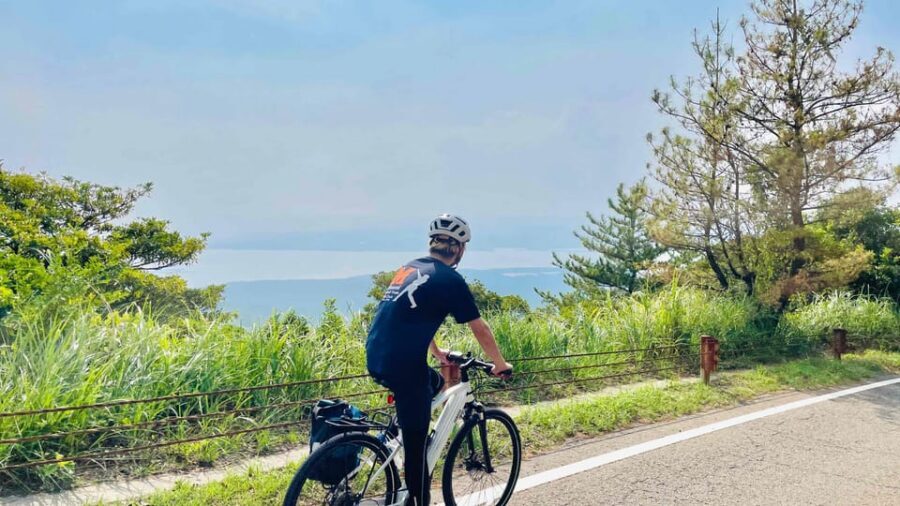
This tour doesn’t ask for fancy gear, but it does hint at the realities of weather on Sakurajima. You’ll want to prepare for sudden rain and wind, glare, and possible ash fall.
Bring:
- Comfortable shoes with grip
- Water
- Weather-appropriate clothing
- Passport or ID card
- Travel insurance
- A small backpack (bags can be attached to bicycles for valuables)
The tour also suggests extras like a window breaker (for rain/wind), slip-resistant gloves (helpful for cold too), and sunglasses (glare and ash protection). Even if conditions seem fine at the start, bring these. The island can change.
And here’s the one caution that sticks with me: wet black sand can make paths slippery. If rain is on the way, slow down. Keep a relaxed grip. Don’t force a turn on slick ground. That’s how you avoid the kind of fall that can happen even if you’re a confident cyclist.
Who This Tour Fits Best (and Who Should Skip It)
This is a great choice if you:
- Want a guided volcano-focused experience without a long day
- Like scenic rides with built-in story stops
- Are okay doing some uphill effort (the e-bike helps, but it’s still motion)
- Prefer a small group setting and space to ask questions
It’s not suitable if you can’t ride a bike, and there’s also a height limit of 145 cm (4 ft 8 in). And since it’s a safety-forward activity, alcohol and drugs are not allowed.
If you’re unsure about e-bikes, that’s still often fine. Multiple participants noted they were new to e-bikes and found the experience manageable with practice and patience from the guide.
Price and Value: Is $102 Worth It?
At $102 per person for about 3 hours, the value comes from what’s included and what you get out of it. You’re paying for a guided experience on a specific route to a high point, with an e-bike and helmet provided, plus a snack and drink. The small group size (up to 6) also helps keep the experience personal.
If you were to piece this together yourself, you’d still face the “how do I get a great route + explanations + safe timing” problem. Here, you’re getting the guide’s stop planning and eruption storytelling built into the ride, which is the real premium.
For people who want maximum freedom, you might feel limited by a set route. But if you’d rather spend your energy enjoying the views and learning what matters, this price is reasonable for what you receive.
Also, the guide’s attention shows up in the details: patient pacing, safety care, waiting when someone needs a moment, and photo help. That’s not just friendliness; it directly improves the experience.
Should You Book the Sakurajima Century Lava Climb by E-bike?
I’d book this if your heart wants volcano history tied to real places, and you want to reach Yunohira without making your vacation a leg-day event. The mix of eruption context, Taisho lava traces, and panoramic views is exactly the kind of experience that feels worth the short time commitment.
You should think twice if you hate cycling completely or expect perfect weather every minute. If rain is likely, treat the trip as “prepared mode,” especially for wet ground and slipperier sand areas.
If you do book, go in with a simple plan: wear grippy shoes, bring the suggested weather gear, and let the guide set the pace. You’ll come away with more than photos—you’ll understand what you looked at, which is what makes Sakurajima stick.
FAQ
How long is the Sakurajima Century Lava Climb Journey with E-bike?
The tour lasts 3 hours.
What does the tour cost?
The price is $102 per person.
Where do I meet the guide?
You meet at the Sakurajima Visitor Center, which is about an 8-minute walk from the Sakurajima Ferry Terminal.
How many people are in the group?
The tour is a small group limited to 6 participants.
What languages are the guides?
The live guide offers English and Japanese.
Is the e-bike and helmet included?
Yes. The tour includes guided e-bike riding, e-bike rental, and a helmet.
What should I bring?
Bring a passport or ID card, comfortable shoes, water, travel insurance, and weather-appropriate clothing.
What happens if the weather is bad?
The decision is made by the day before the experience. If it’s canceled due to bad weather, you’ll be notified and refunded.
Do I need prior cycling experience?
You need to be able to ride a bike. People who can’t ride a bike are not suitable for this tour, and participants must be at least 145 cm tall.