REVIEW · KAGOSHIMA
Private Day Tour in Kagoshima
Book on Viator →Operated by Private Tour in Japan · Bookable on Viator
Volcanoes, whisky, and samurai stories in one day. I like the private, English-speaking guide who keeps the route flexible, and I love that the day mixes big-name sights with quieter stops you’d miss on your own. One watch-out: the schedule runs 7 to 10 hours, and a few outdoor viewpoints really depend on the weather.
For value, this is one of those tours where the price starts making sense once you see what’s included: private transport, lunch, bottled water, air-conditioning, parking, and the admission/entrance fees for the major stops. The guide for this tour is often identified as Jon, and he’s known for planning around real-life needs, like keeping the pace comfortable if you’re traveling with a baby.
In This Review
- Key points before you go
- Why Kagoshima fits perfectly with a private day plan
- Price and logistics: what $975 per group really buys
- Your guide (Jon) and how flexibility shows up in real time
- Whisky on the coast: Kanosuke Distillery and Mars Tsunuki
- Kanosuke Distillery (about 1 hour)
- Mars Tsunuki Distillery (about 1 hour)
- Chiran Peace Museum: the quiet stop that leaves the longest mark
- Ibusuki’s Sunamushi Kaikan Saraku sand bath: comfort with a volcano twist
- What makes it worth your time
- A small reality check
- Kiyomizu Magaibutsu, Cape Nagasakibana, and Lake Ikeda: scenic stops that feel like a side story
- Kiyomizu Magaibutsu (about 40 minutes)
- Cape Nagasakibana (about 30 minutes)
- Lake Ikeda (about 30 minutes, free)
- Sakurajima without the hassle: Visitor Center and Yunohira Lookout
- Sakurajima Visitor Center (about 10 minutes)
- Yunohira Lookout (about 30 minutes)
- Sengan-en: Edo garden design with Shimazu power in the background
- Why this garden works in a volcano day
- Who should book this Kagoshima private tour
- Should you book Private Day Tour in Kagoshima?
- FAQ
- How many people can join this private day tour?
- How long is the Kagoshima private tour?
- What’s included in the $975 price?
- Are pickup and drop-off included?
- Do I need tickets for the attractions?
- What happens if the weather is bad?
Key points before you go
- A private group of up to 3 with pickup from Kagoshima Station and return back to the meeting point
- Two whisky stops in one day: Kanosuke Distillery and Mars Tsunuki Distillery
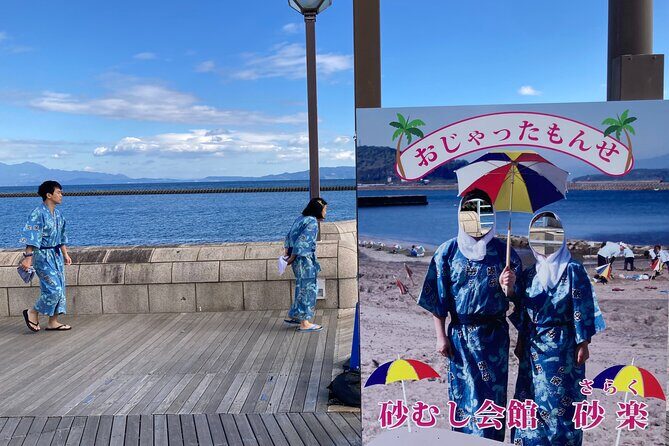
- Ibusuki’s volcanic sand bath experience at Sunamushi Kaikan Saraku
- Sakurajima views built around safety and timing with the Visitor Center and Yunohira Lookout
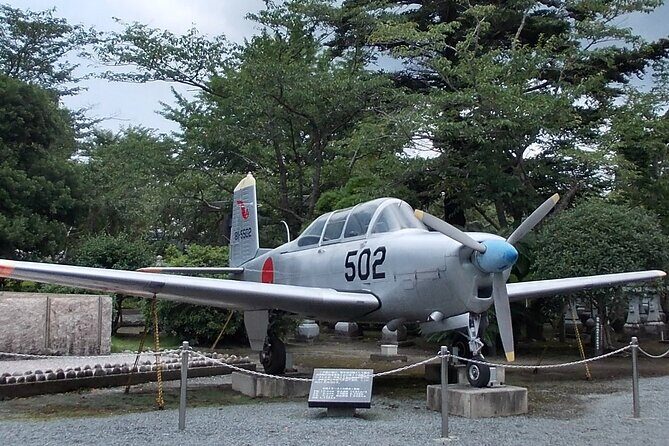
- Chiran Peace Museum adds weight beyond postcards about kamikaze pilots
- Sengan-en garden time with Shimazu family context and Sakurajima in the backdrop
Why Kagoshima fits perfectly with a private day plan
Kagoshima is one of those places where “just wing it” can work—but it’s not the easiest way to make the day feel smooth. You’re dealing with big geography (coast, hills, and the Sakurajima ferry area) and a lot of viewpoints that are best when you can arrive with the right timing. A private guide means you’re not fighting trains, buses, or transfer schedules while also trying to enjoy the scenery.
I also like the emotional balance of a good Kagoshima day. You get awe (Sakurajima), comfort (Ibusuki sand baths), and culture (Shimazu-era gardens). Then you also get the serious stop at Chiran, which gives context to modern Japan that goes beyond what you see in most travel photos.
You can also read our reviews of more private tours in Kagoshima


Price and logistics: what $975 per group really buys
This tour is $975 per group for up to 3 people. If you fill all spots, that’s about $325 per person, which is where the math starts to look reasonable for a day that includes more than just guiding.
Here’s what you should expect is covered in the price:
- private transportation in an air-conditioned vehicle
- lunch (included)
- bottled water
- admission/entrance fees for the listed sites
- parking fees
That list matters because Kagoshima day trips can get expensive fast once you add tickets, ferry time, and the costs of getting around efficiently. With private transport, you also gain control over pacing—huge if your day includes sensory experiences like the sand bath, or if you simply don’t want to rush through gardens and museums.
Your guide (Jon) and how flexibility shows up in real time
This is a private tour, so your guide can tailor the flow around what you care about most: volcano views, whisky tastings, memorial sites, or relaxing stops. The tour description also emphasizes a local English-speaking guide, and reviews commonly highlight Jon’s communication and planning.
In practical terms, flexibility looks like this:
- You can spend extra time where you’re genuinely interested (like a distillery tour or a longer garden moment)
- You’re less likely to feel trapped in a strict “photo line” schedule
- The pace can be adjusted if you’re traveling with an infant or need extra planning time
For me, that “human” part is where private tours win. The route includes iconic places, but what makes the day feel good is how the guide times stops and keeps the day from feeling like a checklist.
Whisky on the coast: Kanosuke Distillery and Mars Tsunuki
Whisky in Kagoshima is a smart move because it turns a scenic region into something you can taste and bring home as a story. This day includes two distilleries, both with a strong local identity.
Kanosuke Distillery (about 1 hour)
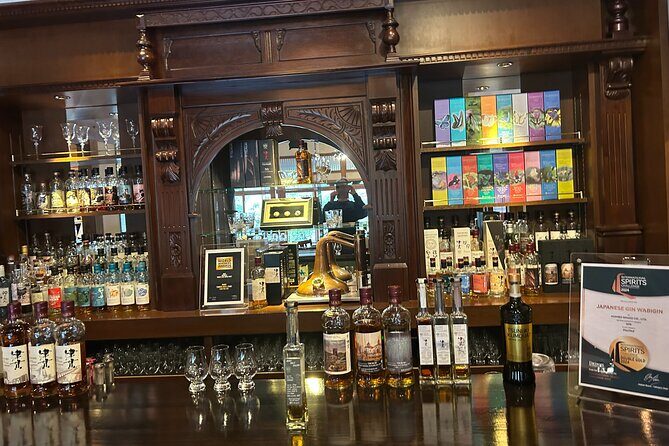
Kanosuke is along Kagoshima’s coast and leans modern in how it presents the experience. It’s known for small-batch Japanese whiskies aged in shochu casks, which is a distinctive link between whisky and the broader shochu culture of the region. Even if you’re not a hardcore whisky person, this stop works because you’re learning how local production choices shape flavors.
What to watch for: distillery days can make you thirsty fast. You’ll get bottled water on the tour, but if you’re also planning to drink at tasting, go into it with a calm mindset and don’t overload your stomach.

Mars Tsunuki Distillery (about 1 hour)
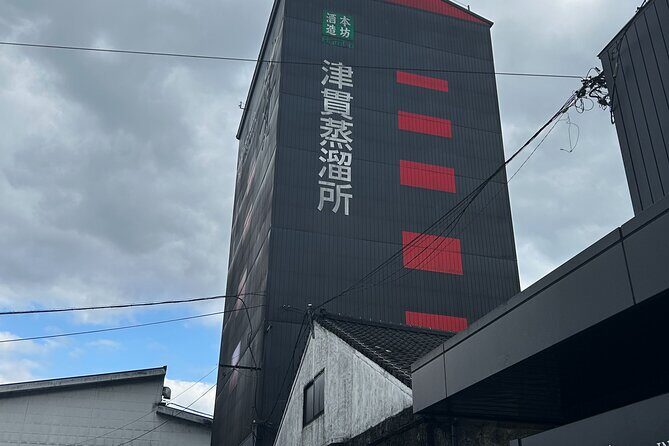
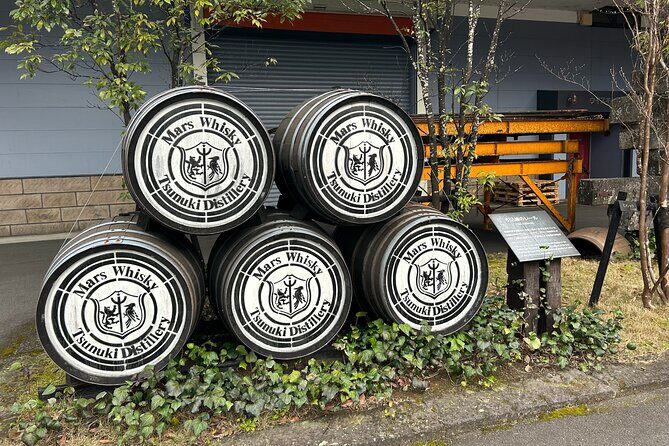
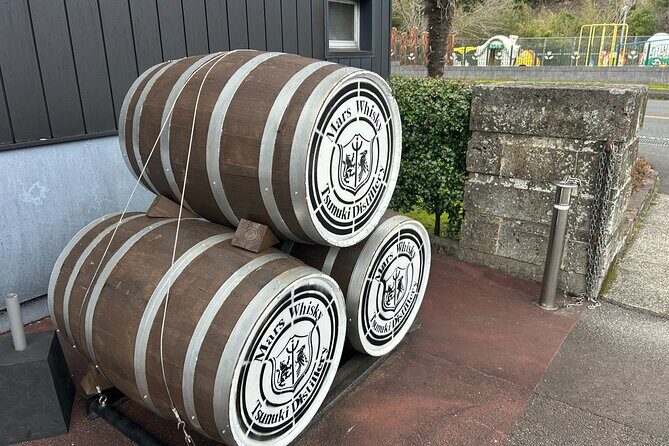
Mars Tsunuki is described as the southernmost whisky distillery in Japan, operated by Hombo Shuzo, a company with roots in shochu-making. That “southernmost” detail isn’t just trivia—it ties into why this location feels different. You’re seeing whisky production that’s clearly rooted in Satsuma-area traditions.
If you enjoy learning how places influence products, this second distillery stop is a satisfying payoff. You’ll likely notice differences in approach and how the region’s production heritage shows up.
Chiran Peace Museum: the quiet stop that leaves the longest mark
Not every day trip in Japan includes a memorial museum, and Chiran is one of the most impactful places you can visit in the Kagoshima area. The Chiran Peace Museum focuses on the memory of Japan’s young kamikaze pilots during World War II, using personal letters, photographs, and preserved artifacts.
This stop deserves your full attention, even if it’s not the kind of thing you planned for in a “happy sightseeing day.” It changes how you understand the region. The surrounding area feels calm, and that calm makes the museum’s subject matter hit harder.
Practical consideration: give yourself time. A 1-hour museum visit can feel short emotionally. If you’re traveling with kids, choose your pacing carefully and consider whether they’re ready for WWII themes.
Ibusuki’s Sunamushi Kaikan Saraku sand bath: comfort with a volcano twist
From a pure “wow” perspective, the volcanic sand bath in Ibusuki is one of the most memorable parts of a Kagoshima day. The treatment here happens at Sunamushi Kaikan Saraku at about 1 hour.
You’re gently buried in naturally heated volcanic sand while dressed in yukata robes. This is one of those Japan experiences that’s weird in the best way—equal parts spa and science, and very different from a typical hot spring routine.
What makes it worth your time
- You get direct contact with the volcanic theme of Kagoshima, not just a view of it
- It turns the day from sightseeing into something physical and relaxing
- It’s easy to understand on-site once you arrive, because the setting is purpose-built
A small reality check
Your day is already active, with longer drives and museum time. Sand bath experiences are fun, but don’t schedule another “must-do” right afterward that depends on you being fresh and energetic. Plan to feel mellow after this.
Kiyomizu Magaibutsu, Cape Nagasakibana, and Lake Ikeda: scenic stops that feel like a side story
Between volcano and culture, Kagoshima also gives you quieter visual breaks.
Kiyomizu Magaibutsu (about 40 minutes)
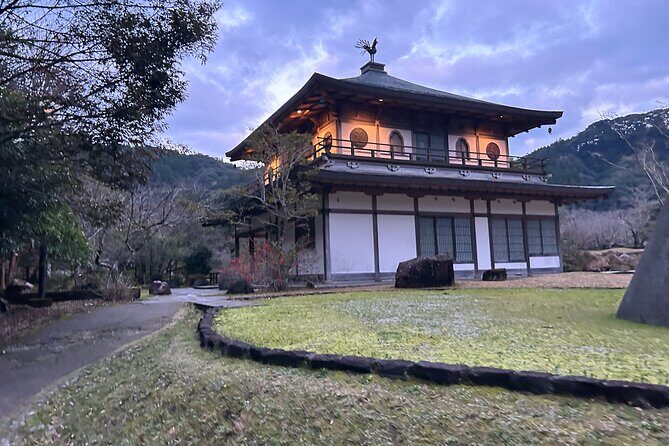
In Minamisatsuma’s hills, Kiyomizu Magaibutsu features Buddhist carvings carved directly into a cliffside. It’s believed to date back to the Kamakura period, which adds a “you’re standing in ancient time” factor—without needing a huge museum setting.
This stop is compact. That’s a good thing: you get the historical weight without a long time commitment.
Cape Nagasakibana (about 30 minutes)
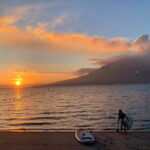
Cape Nagasakibana is the southernmost tip of the Satsuma Peninsula, with sweeping ocean views. You’ll also see the iconic Mt. Kaimon rising in the background, often nicknamed the Mt. Fuji of Satsuma. A lighthouse also anchors the scenery, making the stop feel very postcard-friendly.
What to watch for: if it’s windy or rainy, cape viewpoints can feel colder than you expect. Bring a layer mindset.
Lake Ikeda (about 30 minutes, free)
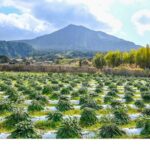
Lake Ikeda is described as the largest caldera lake in Kyushu, surrounded by greenery and with dramatic views of Mt. Kaimon. The atmosphere here is restful: you’re not rushing through a complex site, and you get a scenic pause between heavier stops.
This is the kind of stop that makes your day feel balanced. If your itinerary is heavy on museums and volcano centers, Lake Ikeda gives you a chance to breathe.
Sakurajima without the hassle: Visitor Center and Yunohira Lookout
Sakurajima is the big draw, and this day builds your volcano experience around places that help you understand what you’re seeing.
Sakurajima Visitor Center (about 10 minutes)
The Sakurajima Visitor Center sits by the ferry terminal area and acts like a quick on-ramp to the volcano. You get interactive displays and videos—useful even if you’ve seen volcanoes elsewhere—because Sakurajima is actively shaping daily life.
A short stop here pays off. It gives you context before you head toward closer viewing points.
Yunohira Lookout (about 30 minutes)
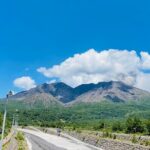
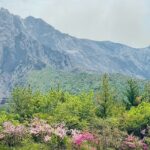
Yunohira Lookout is at roughly 373 meters above sea level and is described as one of the closest safe viewing points to Sakurajima’s active crater. The purpose of being “safe but close” is simple: you get stronger views without having to guess where the danger zones are.
Weather matters a lot. If visibility is poor, your photos and your sense of scale will be less satisfying. That said, even on a gray day, seeing the volcano’s presence in the environment can still feel powerful.
Sengan-en: Edo garden design with Shimazu power in the background
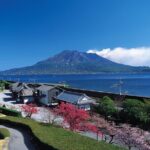
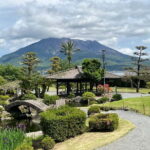
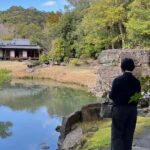
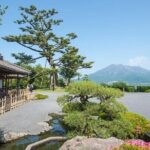
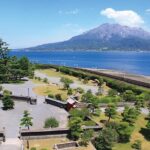
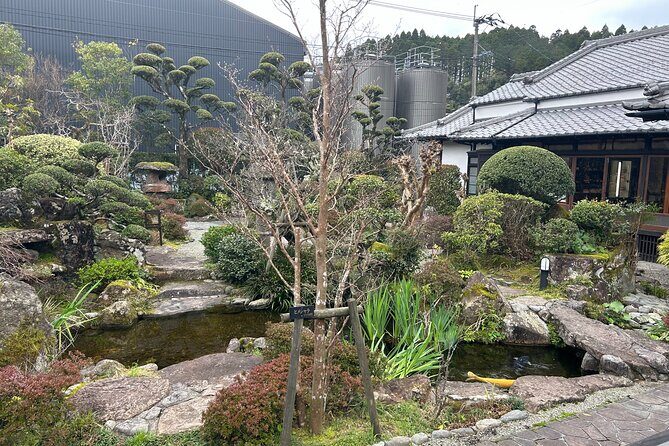
After the volcano drama, Sengan-en brings a totally different kind of atmosphere. It’s a preserved Edo-period garden and former residence of the powerful Shimazu clan, set against the backdrop of Sakurajima.
This stop is listed for about 1 hour, and that timing feels right. You’ll want a relaxed pace—slow enough to appreciate the garden’s layout, but not so long that the day feels like it’s stretching.
Why this garden works in a volcano day
Sengan-en doesn’t ignore Sakurajima. It frames it. That contrast—man-made design beside an active natural force—is part of what makes the stop meaningful. It also gives you a break from large crowds and a chance to enjoy Japan’s outdoor design traditions in a quiet way.
Who should book this Kagoshima private tour
This tour is a strong fit if you:
- want a private day without juggling local transit and ferries
- care about a mix of volcano sights, whisky production, and history
- prefer English guidance so you’re not missing details at each stop
- like the idea of doing two distilleries instead of just one
It might be less ideal if you:
- hate long days (the tour runs 7 to 10 hours)
- want a lighter, half-day pace
- are extremely dependent on good visibility for outdoor volcano viewing
Should you book Private Day Tour in Kagoshima?
Yes, if you want a single, well-paced day that hits the strongest Kagoshima themes—volcano, Ibusuki’s volcanic sand bath, whisky at Kanosuke and Mars Tsunuki, and Sengan-en—while keeping the logistics simple.
Before you book, do one quick reality check: this is priced for a private group. If you can travel with up to two friends or family members, the value gets much better. If you’re going solo, it’s still doable, but you’ll be paying more for the convenience of private transport and included admission.
If your goal is an efficient day with thoughtful pacing and a guide like Jon who knows how to adjust for real travel needs, this tour is the kind that makes Kagoshima feel both easy and memorable.
FAQ
How many people can join this private day tour?
It’s a private tour for your group of up to 3 people.
How long is the Kagoshima private tour?
The tour lasts about 7 to 10 hours.
What’s included in the $975 price?
The price includes private transportation, lunch, an air-conditioned vehicle, bottled water, admission fees/entrance fees, and parking fees.
Are pickup and drop-off included?
Pickup is offered, and the tour starts at Kagoshima Station (2-35 Hamamachi, Kagoshima) and ends back at the meeting point.
Do I need tickets for the attractions?
Admission and entrance fees for the stops are included, and the tour uses a mobile ticket.
What happens if the weather is bad?
The experience requires good weather. If it’s canceled due to poor weather, you’ll be offered a different date or a full refund.