REVIEW · KAGOSHIMA
Kagoshima Nature and Food Culture Private Tour
Book on Viator →Operated by JTB Global Marketing & Travel Inc. · Bookable on Viator
Volcano-grown food tastes different. This private Kagoshima day trip ties Sakurajima farming, a shochu distillery, and Satsuma ware tableware into one food-and-culture story you can actually see. You’ll ride to Sakurajima, meet people working the land at the foot of an active volcano, blend your own shochu, and then shop for dishes that fit how Kagoshima eats.
I love the human side of this tour: the time at the Sakurajima farm is built around talking with locals, not just taking photos. I also love the hands-on finale at Wakashio Shuzō, followed by picking Satsuma ware at a small shop next to a pottery studio. One drawback to plan for: lunch isn’t included, so you’ll want cash ready for a meal stop on your own.
In This Review
- Key things that make this Kagoshima tour worth your time
- Volcano-to-plate: what this day trip is really about
- Getting to Sakurajima: a short ferry ride with big mood
- Stop 2: Farmland Sakurajima and the daikon grown at the volcano’s edge
- The farm café moment: where snacks turn into stories
- Stop 3: Tarumizu Yuttarikan roadside station—easy break, plus eruption history
- Stop 4: Wakashio Shuzō and making shochu feel clear
- The finishing stop: RYUMONJIYAKI pottery and Satsuma ware for real meals
- How the private format works in practice (and what to expect)
- Price and value: where the $534.77 per person makes sense
- Timing reality: 9 hours in the calendar, 3.5 hours of activities
- Practical tips that will save you stress
- Who should book this Kagoshima tour
- Should you book this Kagoshima Nature and Food Culture tour?
- FAQ
- Where is the meeting point and what time does the tour start?
- How long is the tour, and why do the activity times look shorter?
- Is lunch included?
- What if the weather is bad during the Sakurajima farm stop?
- Can I take home the shochu I blend?
- Is this tour private?
- Can I bring suitcases on the tour?
- Can children join, and is it free?
- What’s the cancellation deadline for a full refund?
Key things that make this Kagoshima tour worth your time
- Sakurajima ferry + farm time: a short ride that sets context, then real interaction at the volcano’s doorstep
- Circular farming at Farmland Sakurajima: learning how crops are grown using the natural environment
- A shochu blending experience at Wakashio Shuzō: you leave with something you made
- Tarumizu Yuttarikan roadside station stop: an easy break point, and a place to buy lunch
- RYUMONJIYAKI Satsuma ware shopping: tableware is treated like part of the meal
Volcano-to-plate: what this day trip is really about
Kagoshima’s food culture isn’t just about what’s on a plate. It’s about why that food exists: volcanic soil, sea access, local farming methods, and the way people turned those ingredients into regional specialties like shochu and well-matched tableware.
This tour makes that connection in a very practical way. You start with the land (Sakurajima), move to production (shochu at a distillery), and end with the tools of eating (Satsuma ware). By the time you’re buying dishes, the story behind the taste feels less random and more personal.
It’s also private in the best sense: your group travels together by a private vehicle. But some experiences can be shared with other customers, so think of it as guided and focused, not sealed-off and isolating.
You can also read our reviews of more tours and experiences in Kagoshima.

Getting to Sakurajima: a short ferry ride with big mood
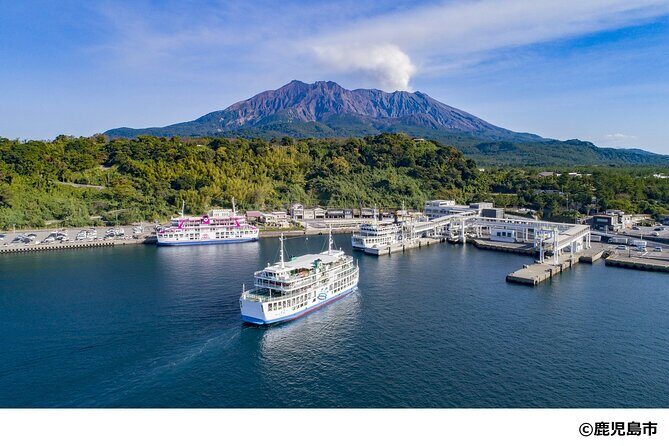
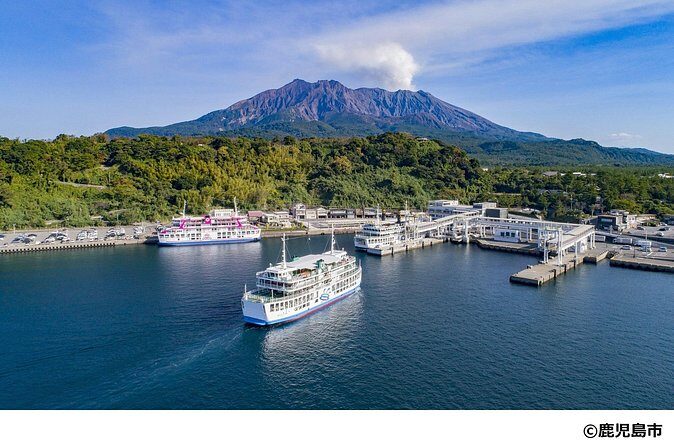
You begin at Kagoshima Chuo Station East Exit Station Square Tourist Information Center, with pickup/meet-up starting around 8:50 am. From there, the day kicks off with ferry boarding to Sakurajima, and that first leg is a quick one—about 20 minutes—with the ticket included.
Even if you’re not a “boat person,” the ferry matters here because it frames the rest of the day. You’ll see the coastline and the scale of the water that helped make Kagoshima a maritime trade hub, which is part of why food traditions traveled and mixed over time.
One practical point: since it’s a day trip built around multiple stops, you’ll want to dress for walking and keep your day bag light. The tour also notes that suitcases can’t be carried during the tour, so you’ll want to store them before you start.
Stop 2: Farmland Sakurajima and the daikon grown at the volcano’s edge
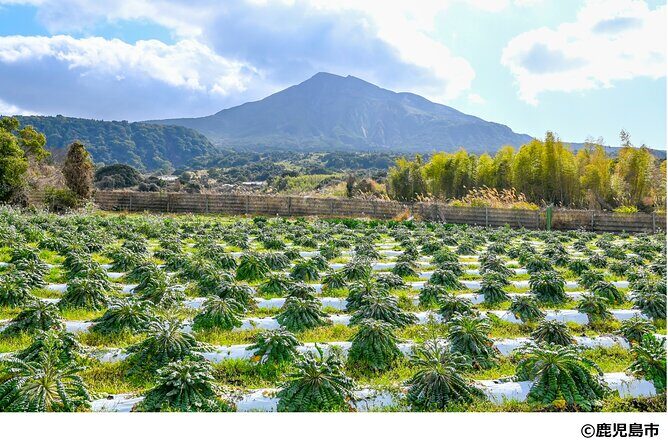
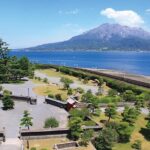
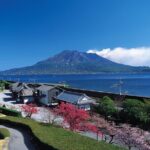
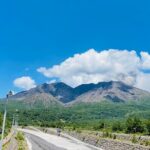
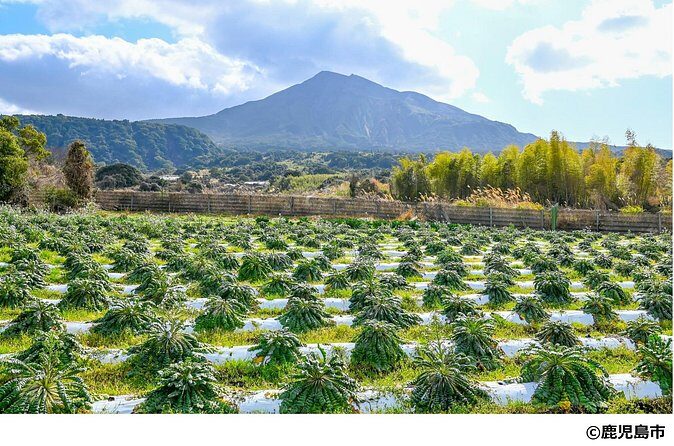
The heart of the experience is the time at Farmland Sakurajima, right at the foot of an active volcano. Plan on about 1 hour here, and the focus is the farm as a living system—especially the way the soil and natural environment are used for crop growth.
You’ll learn about a regional circular farming method that uses natural conditions. Translation for real life: you’re seeing a place where “farming” isn’t only about yield. It’s about working with local conditions and building a repeatable rhythm that fits the environment rather than fighting it.
There’s also a strong food-and-snacks element that shows up in the way the day is paced. People talk about tea and sweets during the farm café time, and there are mentions of radish-based treats. If you’re the type who likes to connect ingredients to the people growing them, this stop will click fast.
Weather can change how the farm experience is delivered. The tour specifically says that if conditions are rough, the farm activity may be held in the indoor café on the premises. That’s a plus: you still get the learning and the conversation without losing the day.
The farm café moment: where snacks turn into stories
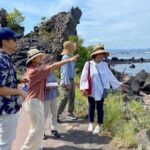
This tour doesn’t treat the café area like an afterthought. It’s part of the learning flow, and that’s where the tone becomes warm and human. In one set of experiences, staff kindness gets mentioned by name—Ms Muroya—and people describe chatting over tea while learning about how cultivation works.
That matters because agriculture can feel abstract when you’re reading about it. Sitting with someone who grows the ingredients turns those concepts into real examples: what they grow, how they think about the soil and seasons, and how local food tastes connect back to that work.
If you have dietary restrictions, you’ll want to ask on-site. The tour data confirms café availability and suggests snacks/tea are part of the vibe, but it doesn’t list exact items for everyone. Bring a calm, flexible attitude.
Stop 3: Tarumizu Yuttarikan roadside station—easy break, plus eruption history
Next you’ll head to Roadside Station Tarumizu Yuttarikan for about 45 minutes. This stop is free for the tour portion, and it’s placed for a reason: it gives you breathing room between the farm and the distillery.
Tarumizu is also connected to Sakurajima due to a past major eruption, which adds another layer to the day. You’re not just touring attractions—you’re seeing how one event shaped the geography and how people built routines around it.
This is a smart spot to buy lunch because the tour doesn’t include meals. You’re free to eat at the roadside station, and you’ll pay for it yourself. If you want less stress, decide early in the stop where you’ll eat and then use the rest of the time for snacks or a quick browse.


Stop 4: Wakashio Shuzō and making shochu feel clear
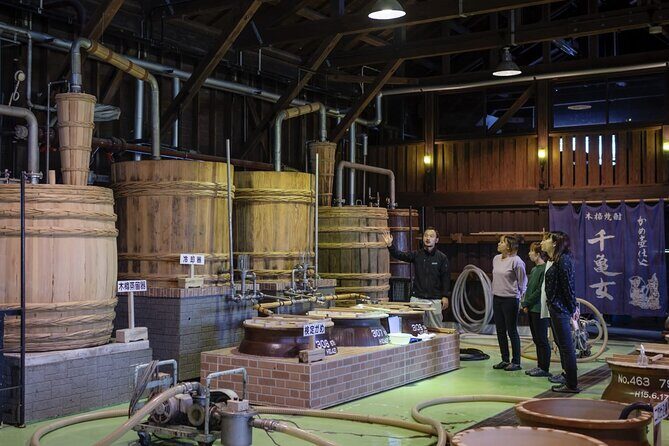
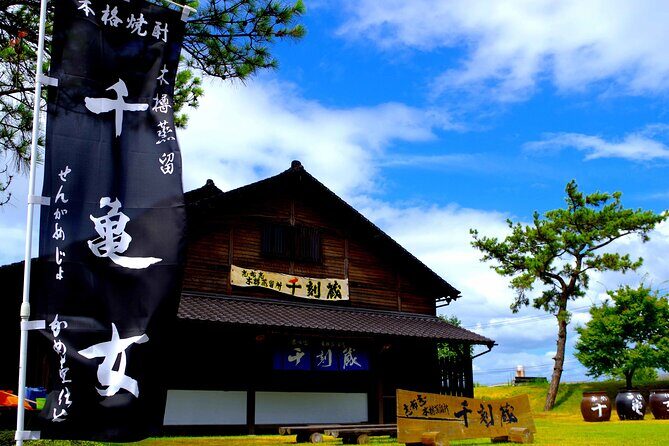
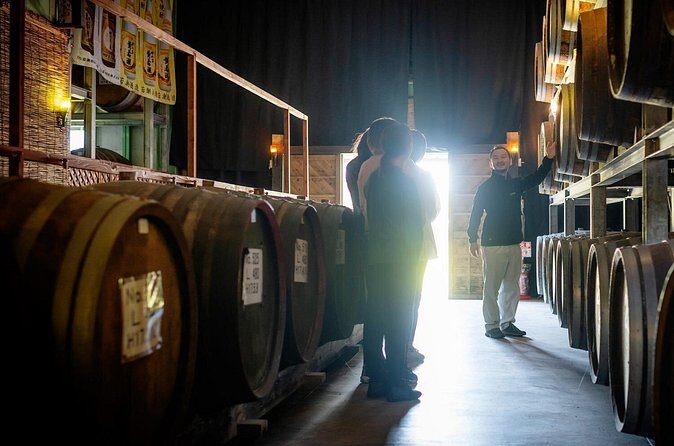
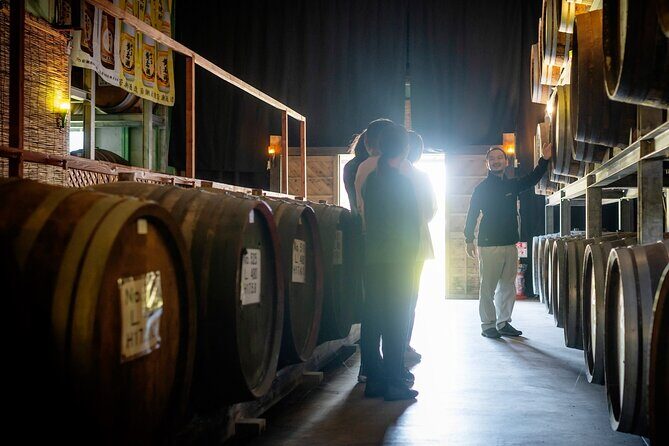
Then comes the distillery stop: Wakashio Shuzō, about 1 hour, with admission included. Kagoshima is widely known as a shochu region, and this part of the day is designed to demystify how the spirit fits into everyday culture.
The key experience here is a shochu blending activity. You’ll learn about the distillery process in a way that ties back to local ingredients and regional production, then blend your own original shochu.
People also talk about learning how alcohol is preserved in a distillery—basically, how the production world handles ingredients from start to finish. That kind of practical detail is often what turns a tour visit into real understanding.
Take-home rules are important. The tour notes that the shochu you blend may be taken home in a 720 ml bottle per person. Alcohol rules vary by country, so if you’re flying, check what your airline and destination allow before you buy into the idea.
The finishing stop: RYUMONJIYAKI pottery and Satsuma ware for real meals
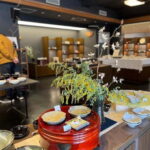
After shochu, you shift from making to choosing. The tour ends at RYUMONJIYAKI POTTERY, a direct sales shop next to a pottery studio, for about 20 minutes.
Kagoshima’s famous pottery is Satsuma ware, and this stop is about tableware that goes well with food. That’s a nice twist because it asks a question most tours ignore: what do you eat from, and how do those objects shape the meal experience?
If you’re buying souvenirs, this is also one of the safer bets. You’re purchasing something functional, not just decorative. Still, treat it like a decision: check weight, consider how you’ll carry it, and confirm packaging quality before you walk away.
Because the tour is only a half-hour visit here, don’t plan to “browse for an hour.” Go in with a couple of item ideas (small bowls, plates, something for sharing) and choose quickly.
How the private format works in practice (and what to expect)
This is a private tour/activity, meaning only your group participates. You’ll travel in a private vehicle per group, which usually helps timing and makes getting from Sakurajima to distillery stops smoother.
At the same time, the tour data is clear that specific experiences included in the itinerary may be shared with other customers. That’s common in Japan: you can be “private” on transport while still stepping into public-facing workshops or shop floors.
For you, this means the schedule stays guided and your group stays together, but you might not have the entire classroom, café, or shop space to yourselves. If you want quiet one-on-one attention for everything, you’ll probably need to choose a more specialized custom experience.
Price and value: where the $534.77 per person makes sense
This tour costs $534.77 per person for about 9 hours total. That’s not cheap, so here’s where the value actually comes from, based on what you get included.
First, admission and experience fees are included for the stops that matter most. Ferry boarding is included, Farmland Sakurajima is included, Wakashio Shuzō is included, and RYUMONJIYAKI is included for the stop time. So you’re not paying a pile of small add-ons mid-day.
Second, you get guided structure across three themes that normally require separate days: Sakurajima food culture (farm), shochu culture (distillery and blending), and Kagoshima tableware (Satsuma ware shopping). Doing those pieces alone could mean more transport time, more ticket juggling, and less context.
Third, you’re effectively buying time with explanations. The farm stop is designed around interaction and learning, and the blending at Wakashio Shuzō is active rather than just observational.
Where the cost won’t feel “worth it” is if you’re only interested in one element (like only the pottery, or only the distillery). If you love food culture as a connected story, the price starts to feel more reasonable.
Timing reality: 9 hours in the calendar, 3.5 hours of activities
You’ll see activity time totaling 3 hours 30 minutes, but the full day is listed at 9 hours. That extra time is travel and transition—especially because the stops cover multiple areas around Kagoshima and include the ferry crossing.
So don’t schedule a late dinner plan on the same day as your tour. You’ll likely end back at the meeting point when the day winds down, and you’ll want an easy evening after a long, full-content morning.
The order of stops can shift based on roads and congestion. The tour notes that arrival times can differ due to road conditions and congestion, so keep your day flexible and aim to be punctual at the start.
Practical tips that will save you stress
A few small things can make this day smoother:
- Leave luggage at a locker or your hotel before you go. The tour notes that suitcases can’t be brought during the tour.
- Bring a light jacket. Weather around Sakurajima can change, and you may spend time indoors at the farm café if conditions require it.
- Plan for lunch on your own. The tour explicitly says you can have lunch at Tarumizu Roadside Station and pay for it yourself.
- If you want the shochu bottle, consider how you’ll carry it. The tour allows a 720 ml bottle per person, but travel restrictions and packing matter.
Also, bring a simple attitude: you’re moving from place to place to build a story. Trying to “optimize” every minute can make the day feel rushed.
Who should book this Kagoshima tour
This is a great fit if you:
- want a food culture day that connects farming, shochu, and tableware
- enjoy hands-on experiences like shochu blending
- like learning from local voices rather than only looking at exhibits
- plan to buy small, useful souvenirs like Satsuma ware tableware
You might prefer a simpler or shorter option if you only care about one topic. For example, if pottery shopping is your top priority, the distillery and farming time may feel like extra.
Should you book this Kagoshima Nature and Food Culture tour?
If you want a day that feels like Kagoshima has a “why,” book it. The best part is how the stops connect: you see how ingredients are grown near the volcano, you make and understand shochu at Wakashio Shuzō, and you finish by choosing tableware designed to match the food culture you just learned about.
If the price feels high, anchor your decision to what’s included: ferry ticket, farm time, distillery blending experience, and the pottery stop. Add in a guide-led day that runs as a single storyline, and it becomes a pretty clean value for people who enjoy food and cultural craft.
FAQ
Where is the meeting point and what time does the tour start?
The meeting point is Kagoshima Chuo Station East Exit Station Square Tourist Information Center, and the start time is 8:50 am. The tour ends back at the meeting point.
How long is the tour, and why do the activity times look shorter?
The total tour duration is listed as about 9 hours. The itinerary activity time adds up to about 3 hours 30 minutes, with the remaining time used for travel between stops.
Is lunch included?
No. Lunch is not included in the tour price. You’re free to have lunch at Tarumizu Roadside Station and pay for it yourself.
What if the weather is bad during the Sakurajima farm stop?
The tour notes that the Farmland Sakurajima experience may be held in the indoor café on the premises due to inclement weather. That way, you still do the activity even if outdoor time changes.
Can I take home the shochu I blend?
Yes, the shochu you blend may be taken home in a 720 ml bottle per person. Alcohol import rules vary by country, so it’s smart to check what’s allowed where you’re going.
Is this tour private?
It’s a private tour/activity, so only your group participates. However, some included experiences may be shared with other customers.
Can I bring suitcases on the tour?
No. The tour notes that suitcases cannot be brought during the tour, so you should leave them in a locker or at your hotel before joining.
Can children join, and is it free?
Children up to 5 years old may join free of charge, but they won’t be provided vehicle seats or experience activities. If the child needs seats or experience activities, you should book under the child rate.
What’s the cancellation deadline for a full refund?
You can cancel up to 24 hours in advance of the experience for a full refund. If you cancel less than 24 hours before the start time, the amount paid is not refunded.