REVIEW · KAGOSHIMA
Sakurajima One Day Round Journey with E-bike
Book on Viator →Operated by Volcano Life Journey · Bookable on Viator
Pedal past active volcano sights without the stress. Sakurajima is a national park built around rare volcanic nature, and this e-bike round journey is the most practical way I can think of to see a lot without turning your day into a grind. I like the E-bike assist for rolling over island roads, and I also like how the guide, Rento-san, mixes clear English with real, island-level context about how people live here.
Before you book, one thing to keep in mind: this tour asks for strong physical fitness. It also runs only when conditions are right, so weather matters more than you might expect on an active-volcano island.
In This Review
- Key things I’d focus on before you go
- Sakurajima by E-bike: the practical way to see volcanic life
- Meet at Sakurajima Visitor Center, then get your ride dialed in
- Mount Sakurajima: the core ride where the island starts making sense
- Buried Shrine Gate: a short stop with a big emotional punch
- Arimura Lava Lookout: where you can read the island’s past
- International Volcano Sabō Center: understanding disaster planning up close
- Lunch break: time for noodles, coffee, and simple recovery
- E-bike comfort and storage: the details that keep the day smooth
- Price and value: what $194.15 gets you
- Who this tour suits best (and who should skip it)
- Should you book Volcano Life Journey’s Sakurajima one-day e-bike round trip?
- FAQ
- What time does the Sakurajima one-day round journey start?
- How long is the tour?
- Where does the tour start and end?
- Is this tour limited to a small group?
- What kind of ticket do I use?
- Is it an e-bike tour the whole time?
- Are admission tickets included for the stops?
- How physically demanding is it?
- What happens if the weather is poor?
- What is the cancellation policy?
Key things I’d focus on before you go
- Small group size (up to 6) means you’re not stuck watching a guide disappear into the distance
- Yamaha e-bikes with a storage bag make it easier to carry small essentials without feeling overloaded
- Rento-san’s stop choices focus on spots with islander-level meaning, not just the most obvious photo points
- A dedicated volcano education stop at the International Volcano Sabō Center shows why disaster planning is part of everyday life
- A built-in lunch break breaks up the ride so your day stays enjoyable, not just scenic
Sakurajima by E-bike: the practical way to see volcanic life
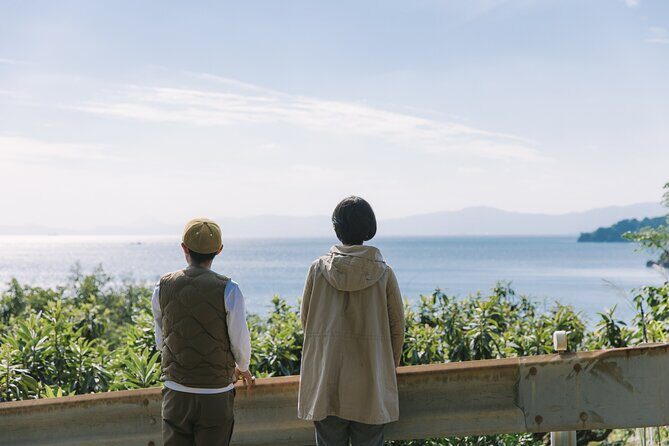
Sakurajima sits like a living classroom. It’s a national park known for rare nature, and the point of going around the island is to understand how the volcano shapes daily life at different areas of the island.
The e-bike format is what makes this feel doable. You’re not just taking in views from one spot; you’re moving through the island in a way that lets you actually connect geography to what you’re learning. In a setting like this, that matters. A quick walk only shows one slice of the picture, while a steady ride gives you “before and after” understanding as terrain changes.
The small group size (maximum 6) also changes the feel. You get time to ask questions, and the guide can adjust pacing so the ride stays comfortable for everyone.
You can also read our reviews of more cycling tours in Kagoshima
Meet at Sakurajima Visitor Center, then get your ride dialed in
You start at the Sakurajima Visitor Center (1722-29 Sakurimayokoyamachō, Kagoshima). It’s set up for visitors, and it’s near public transportation, which makes arrival less stressful than it can be on outer islands.
Check-in is handled with a mobile ticket, so plan on having your phone charged and ready. If you’ve ever missed a ticket QR code on a dead battery, you already know why that detail matters.
Once the group is together, the tour shifts into “cycling day” mode. This isn’t a stroller-friendly stroll. Even with e-bike assist, you’ll be riding for hours, and the tour is clear that it expects strong physical fitness.
Mount Sakurajima: the core ride where the island starts making sense
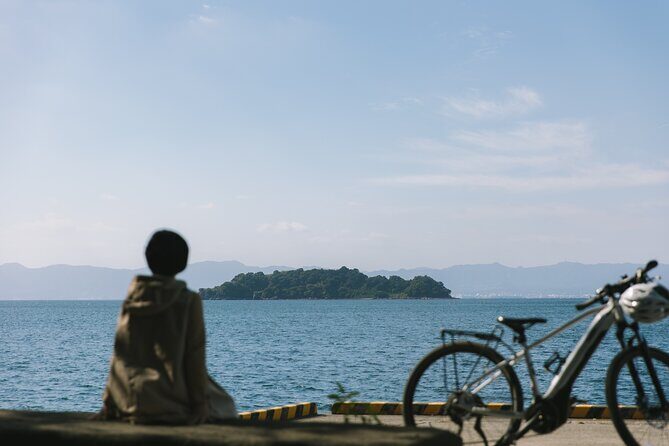
The heart of the day is your e-bike circuit around Mount Sakurajima. This segment runs about 5 hours and includes a one-hour break for lunch. In other words, you’re not rushing between stops. You’re actually riding long enough to notice changes in terrain and how viewpoints sit in relation to the coast.
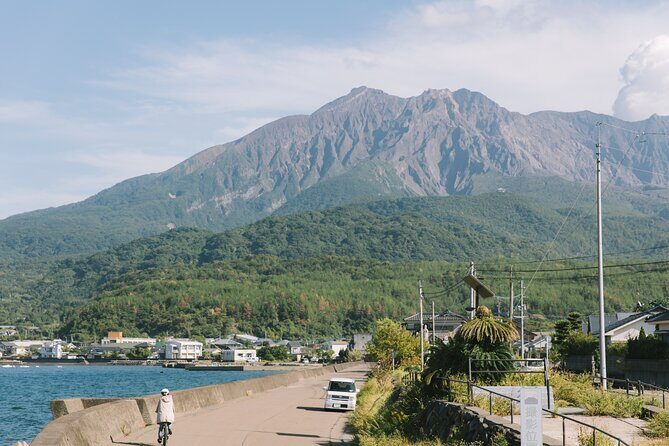
The guide steers you to sightseeing spots that feel more local than generic. That’s the value here. You’re not only seeing “a view,” you’re hearing what that view means—how lava paths, vegetation patterns, and the island’s volcanic activity connect together.
A nice bonus is that the guide uses tools to explain what you’re seeing. One traveler noted an iPad presentation used as support, which is exactly what you want for volcanic topics that can feel abstract until it’s pointed out in the right direction.
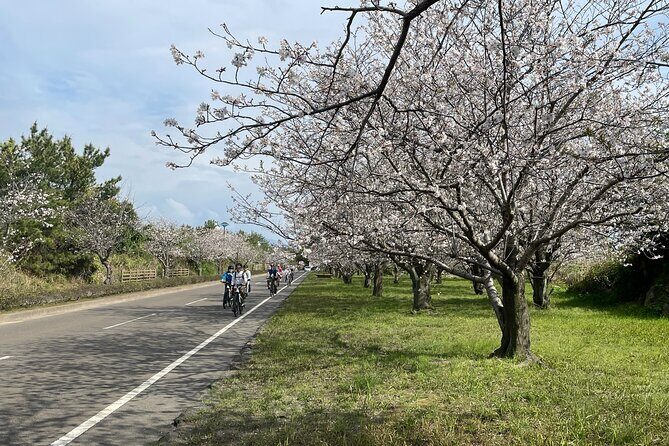
And yes, this portion is where the e-bike earns its keep. Hills that would drain a normal bike become manageable, so you keep your energy for photos, short walks at stops, and listening.
What to consider: even with assist, you’re still cycling. If you’re expecting a fully effortless ride, this is a mismatch. Treat it like a moderate activity day.
Buried Shrine Gate: a short stop with a big emotional punch
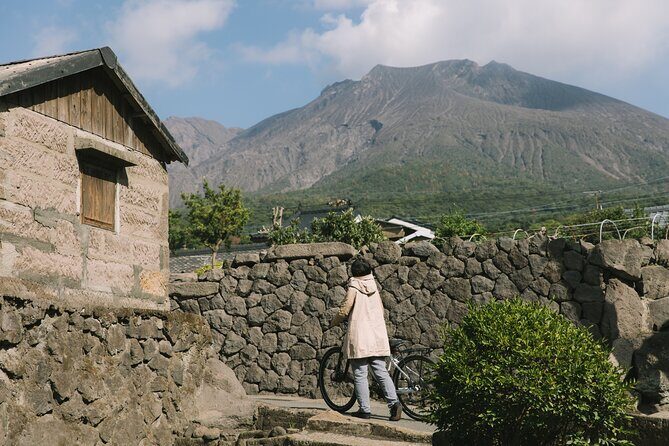
After the main ride, you’ll pause at the Buried Shrine Gate. This stop is only about 20 minutes, but the whole point is its meaning: it’s a gate tied to a volcano that has been active enough to bury parts of the island.
When you hit a place like this after hours on an e-bike, it lands harder. You’ve been seeing lava and vegetation patterns all day; now you’re seeing a physical reminder of what eruptions do to human structures.
Since this stop is brief, I’d treat it as a moment to slow down your pace mentally. Look, listen, then move on with a clearer picture of what you learned earlier.
Arimura Lava Lookout: where you can read the island’s past
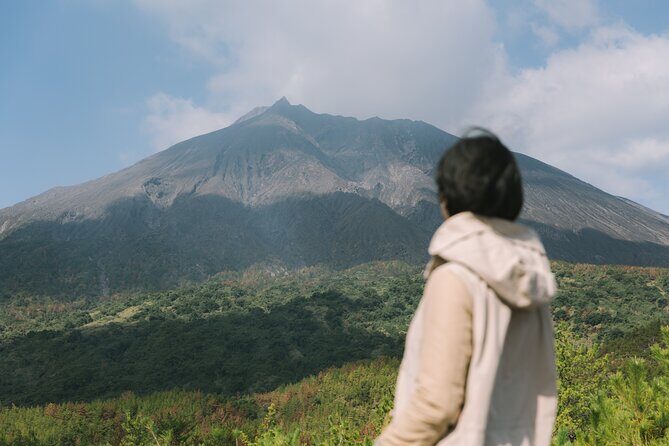
Next comes Arimura Lava Lookout. It’s another quick but focused stop, around 20 minutes, with time built in for the guide to explain what you’re looking at.
The key idea here is seeing historical lava and vegetation together. That combination matters because vegetation doesn’t grow on an empty stage. You’re watching how life returns—or adapts—over time on volcanic ground.
One traveler described the lookout with the same vibe I’d expect: enough time to take in the view and get it interpreted in plain language. This is the sort of stop that makes the long ride worth it. Without explanation, lava can look like random stone. With context, it becomes a timeline you can almost trace with your eyes.
A few more Kagoshima tours and experiences worth a look
International Volcano Sabō Center: understanding disaster planning up close
The final stop on your loop is the Sakizumi Sabō Office, also known as the International Volcano Sabō Center. Expect about 20 minutes here.
This is the “why this place exists” moment. You learn about the Sakurajima disaster and how a facility like this supports people before the next eruption arrives. The emphasis is on living with an active volcano, not just looking at one.
I like that the tour doesn’t stop at scenery. Volcano travel can turn into “cool photos.” This stop brings you back to real-world preparation, which feels grounded and practical—exactly the kind of context that turns a day trip into real understanding.
If you remember only one thing from this part, make it this: in Japan’s volcano regions, sabo planning is not theoretical. It’s part of how communities reduce risk while continuing daily life.
Lunch break: time for noodles, coffee, and simple recovery
During your Mount Sakurajima segment, you get about one hour for lunch. The tour doesn’t just treat this as downtime. It’s part of the flow, so you can reset and keep enjoying the ride rather than forcing yourself through.
In practice, the lunch choices can vary, but you’ll likely have time at local spots the guide recommends. One traveler specifically mentioned a noodle shop and a coffee break, and another highlighted a meal approach that worked well for vegetarians.
That matters because food can make or break a half-day on the move. If you have dietary needs, this tour is the kind where the guide can help you handle it by steering you toward suitable options.
What to consider: lunch time is built into the schedule, but meals are not described as guaranteed-included in the data you have. Budget for paying for your own lunch or any drinks you want.
E-bike comfort and storage: the details that keep the day smooth
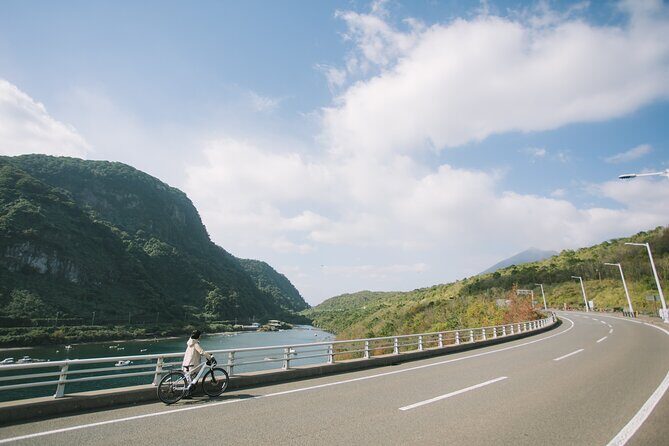
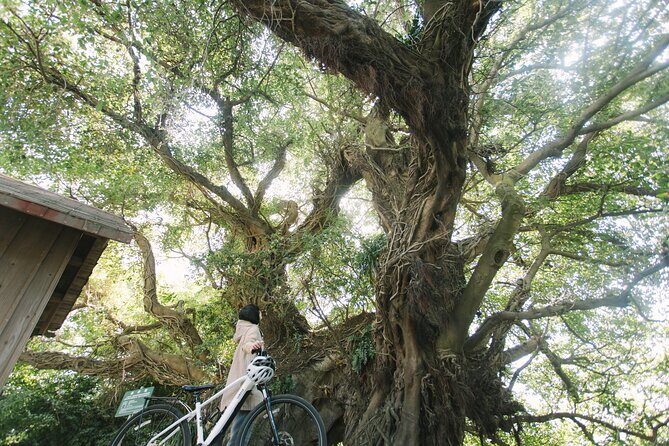
The e-bikes are a real part of the value. Multiple travelers called out that the bikes were in great condition, and one noted Yamaha e-bikes that were new enough to make hills feel like a breeze.
You’ll also have a storage bag attached to the bike. One traveler described it as about the size of a small backpack. That’s perfect for the stuff you actually need during a ride: a layer, small snacks, or a camera.
This matters because it reduces friction. Without storage, you end up carrying everything in your hands, or you spend the day thinking about where to put things. With the bag, you can focus on the ride and the stops.
Price and value: what $194.15 gets you
At $194.15 per person for about 6 hours, this isn’t a “cheap and cheerful” activity. But it also isn’t just a ride. You’re paying for:
- a guided circuit around Sakurajima
- e-bike use
- a small group experience (max 6)
- and admission-free access at the listed stops
In fact, the schedule shows admission tickets as free for the stops included. That doesn’t mean you’ll never spend on food, but it does mean you’re not paying extra entrance fees layered on top of the price of the tour.
The other hidden value is time. Getting around Sakurajima efficiently on your own can be a planning headache. A guided loop gives you structure: you arrive, ride, stop, learn, eat, and return—without turning the day into logistics work.
Who this tour suits best (and who should skip it)
This tour fits best if you want a mix of active sightseeing and volcano education.
You’ll enjoy it if:
- you’re comfortable riding for hours (the tour explicitly expects strong fitness)
- you want more than one viewpoint, with stops that connect to the island’s volcanic reality
- you like learning that has practical grounding, not just “look at this mountain”
You might want to rethink it if:
- you don’t feel confident cycling for a long stretch, even with e-bike assist
- you’re sensitive to outdoor time and the day could be derailed by weather
- you prefer very slow walking tours with minimal riding time
Also, if you’re traveling alone or as a couple, the small group format can feel personal rather than crowded.
Should you book Volcano Life Journey’s Sakurajima one-day e-bike round trip?
If your main goal is to see Sakurajima efficiently while learning how the volcano affects real life, I think this is a strong pick. The e-bike keeps the ride enjoyable, and the guide adds meaning to each stop, especially at the Arimura Lookout and the International Volcano Sabō Center.
Book it if you can meet the fitness requirement and you’re traveling during weather you can rely on. Skip or choose a different option if you know cycling for hours is going to be stressful for you.
FAQ
What time does the Sakurajima one-day round journey start?
The tour starts at 9:30 am.
How long is the tour?
It runs for about 6 hours.
Where does the tour start and end?
It starts at Sakurajima Visitor Center (1722-29 Sakurimayokoyamachō, Kagoshima, 891-1419, Japan) and ends back at the meeting point.
Is this tour limited to a small group?
Yes. The maximum group size is 6 travelers.
What kind of ticket do I use?
You’ll receive a mobile ticket.
Is it an e-bike tour the whole time?
Yes, it’s an e-bike cycling tour around Sakurajima, with stops along the way.
Are admission tickets included for the stops?
The experience information lists admission tickets as free for the listed stops.
How physically demanding is it?
The tour requires strong physical fitness level.
What happens if the weather is poor?
The tour requires good weather. If it’s canceled due to poor weather, you’ll be offered a different date or a full refund.
What is the cancellation policy?
You can cancel for a full refund up to 24 hours in advance of the experience start time. If you cancel less than 24 hours before, the amount paid will not be refunded.