REVIEW · KAGOSHIMA
Discover the Wonder of Sakurajima Half Day Tour in Kagoshima
Book on GetYourGuide →Operated by H.I.S. Co Ltd(TIC) · Bookable on GetYourGuide
Volcano views beat the usual sightseeing routine. You’ll spend a half day circling Sakurajima with a guide, ferry, and bus, all designed for maximum payoff. I especially love the combination of big volcanic scenery plus hands-on volcanic ash art that feels very local. One thing to consider: this is a shared tour, so the pace and timing are set for the group.
My favorite part is how fast the tour gets you around without you wrestling with local transit. The Sakurajima Island View Bus ties together the best viewpoints and stops, and the ferry ride gives you a front-row look at an active volcano. The walking pieces are short, which helps when you’re dealing with heat, wind, or lingering ash.
If you’re picky about schedule changes, plan to stay flexible. There are multiple starting options, and the tour involves transfers plus a taxi step for cruise-ship arrivals, so the whole day works best when you’re not counting on being exactly minute-perfect.
In This Review
- Key things to know before you go
- A half-day on Sakurajima that actually feels like Sakurajima
- Getting to the start: Kagoshima port vs. ferry terminal
- The ferry ride: your first real look at a live volcano
- Yunohira Observatory (373 m): the high point you’ll remember
- The short walk and Tsukiyomi Jinja: a quiet pause
- Ash art at Ougaku Toge Sakurajima-yaki: hands-on and genuinely local
- Sakurajima Visitor Center: turning visuals into understanding
- Time near Sakurajima Port: the island’s practical center
- Nagisa Park Footbath: relaxing at the base of an active volcano
- Price and value: what $98 gets you in a half day
- Group size and the pace you should expect
- Should you book the Sakurajima Half Day Tour?
- FAQ
- How long is the Sakurajima Half Day Tour?
- How much does the tour cost?
- What’s included in the tour price?
- Is lunch included?
- Where does the tour start and end?
- Does the tour use an English-speaking guide?
- Is it a private tour?
- What’s the group size limit?
- What should I bring?
- Are there any restrictions during the tour?
- What if I’m arriving by cruise ship?
Key things to know before you go
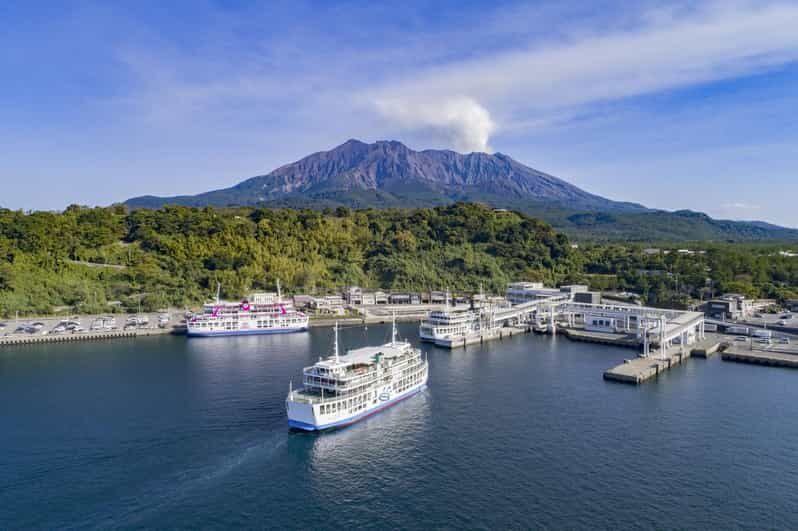
- Ferry-first perspective: You see Sakurajima from the water on the way in and out, not just from a bus stop.
- Yunohira Observatory views (373 m): You get to the highest public overlook for a close look at the smoking South Peak area.
- Volcanic ash pottery in Ougaku Toge Sakurajima-yaki: You don’t just watch pottery—you get to make artwork using volcanic ash (included).
- Sakurajima Visitor Center context: The exhibits connect eruptions, vegetation, tourism, and disaster prevention into one clear story.
- Nagisa Park footbath: A long, relaxing foot soak at the base of the active volcano that feels oddly appropriate.
- Short, well-timed stops: The itinerary squeezes in multiple highlights in about 4.5 hours.
A half-day on Sakurajima that actually feels like Sakurajima
Kagoshima is a great launching point because Sakurajima is close enough to do in a single morning or afternoon. But the island can feel intimidating if you’re trying to plan everything yourself while also dealing with ferry schedules, bus routes, and the reality that this volcano is active. This tour handles the hard parts for you.
You’re not just getting a view and leaving. You’ll get a rhythm: ferry ride, high viewpoint, a pottery/ash art stop, an educational visitor center, time near the port, and a footbath before heading back. It’s the kind of itinerary that helps you understand what you’re seeing, instead of just collecting photos.
And the guiding matters. In the English-language tours, you may hear from guides such as Yoshi or Kuni. Their common thread is simple: they clearly love the island and explain it in a way that makes the whole experience feel grounded, not just scenic.
You can also read our reviews of more tours and experiences in Kagoshima.

Getting to the start: Kagoshima port vs. ferry terminal
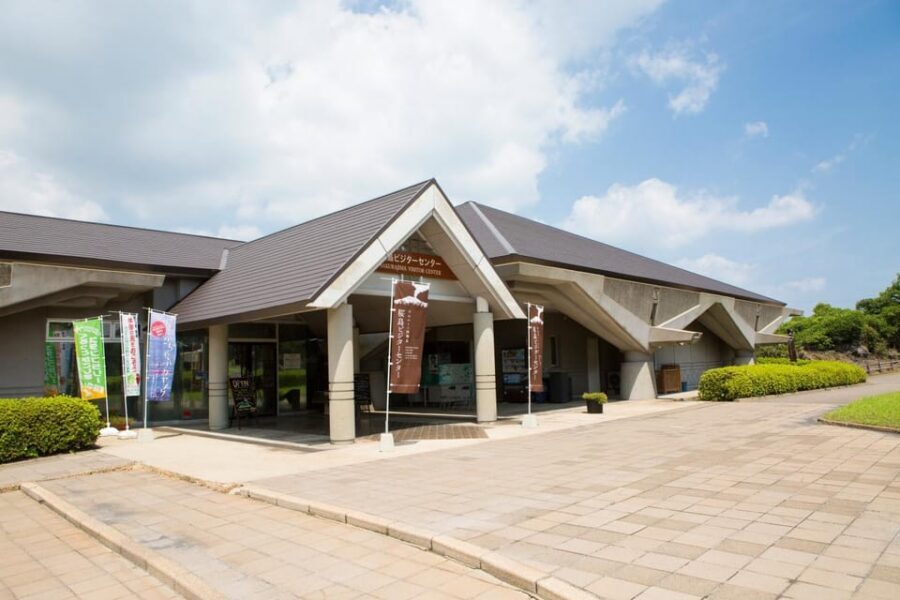
Your meeting point can vary depending on which option you book. You’ll typically start either at Marine Port Kagoshima or at the Kagoshima ferry terminal area (桜島フェリー鹿児島港発着所). The good news is that the tour is built around ferry access, so you’re not stuck figuring out how to get to the dock.
Here’s the practical snag to plan for: if you’re arriving by cruise ship, the cruise arrives at Marine Port Kagoshima Port, and it takes about 20 minutes by taxi from there to the Sakurajima ferry terminal. That transfer is explicitly part of the day’s logic, so don’t assume you can walk it in five minutes and still be relaxed.
If you’re staying in Kagoshima on your own, you’ll likely find it easier to coordinate with the tour’s ferry timing. Either way, I recommend building a little buffer into your arrival. Volcano days can involve small delays, and being calm helps you enjoy the ride instead of watching the clock.
The ferry ride: your first real look at a live volcano
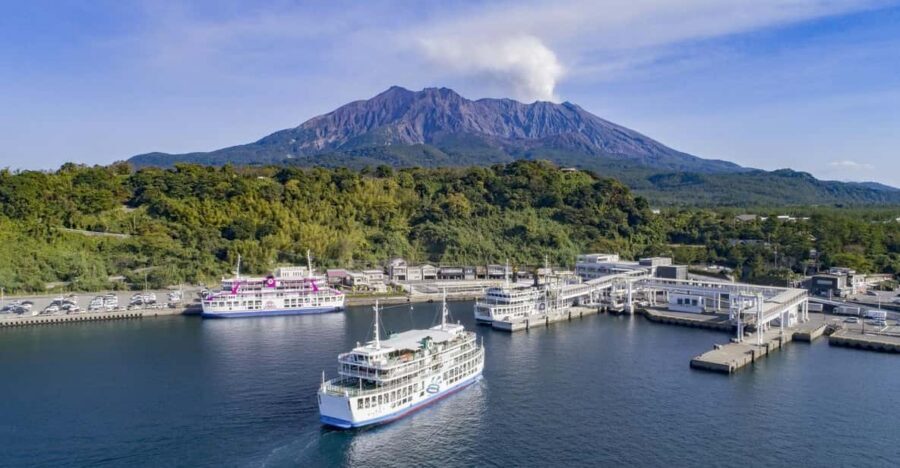
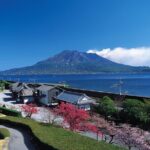
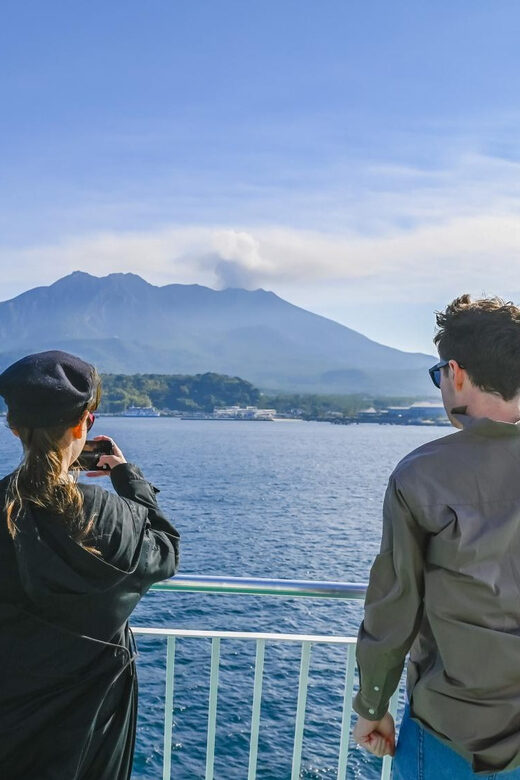
The tour’s rhythm starts with the Sakurajima ferry, about 15 minutes each way. This is more than a transfer. It’s where Sakurajima first hits you—the scale, the smoke, and the sense that nature here is still very much at work.
From the water, you get a direct connection between what you’re seeing and what the island is doing right now. If you’ve only seen photos of Sakurajima, this is where your brain recalibrates. You stop thinking of it as scenery and start thinking of it as a living system.
One practical tip: dress for wind and cool-to-chilly ferry deck conditions. Even when the rest of the day feels warm, sea air can surprise you. And bring a towel if you’re the type who hates damp surprises.
Yunohira Observatory (373 m): the high point you’ll remember
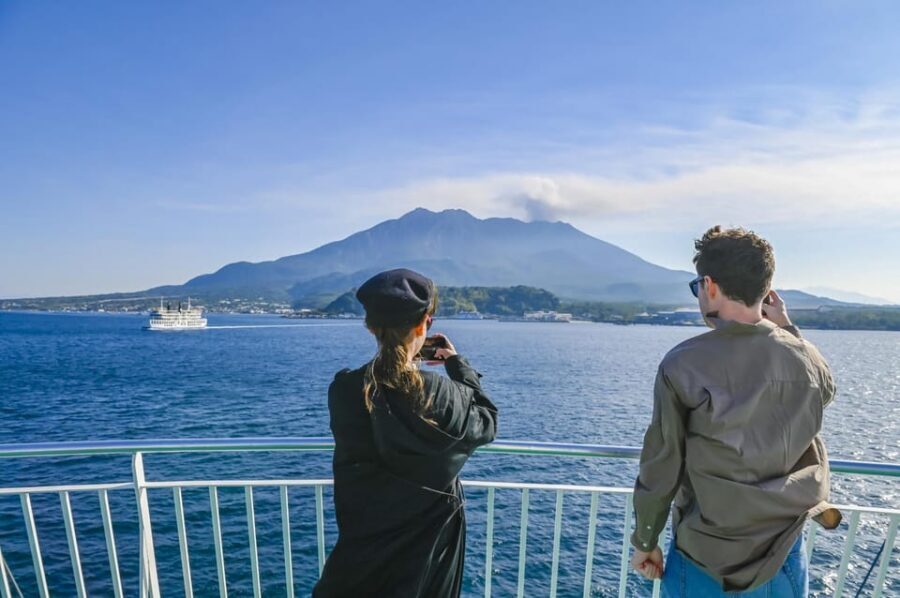
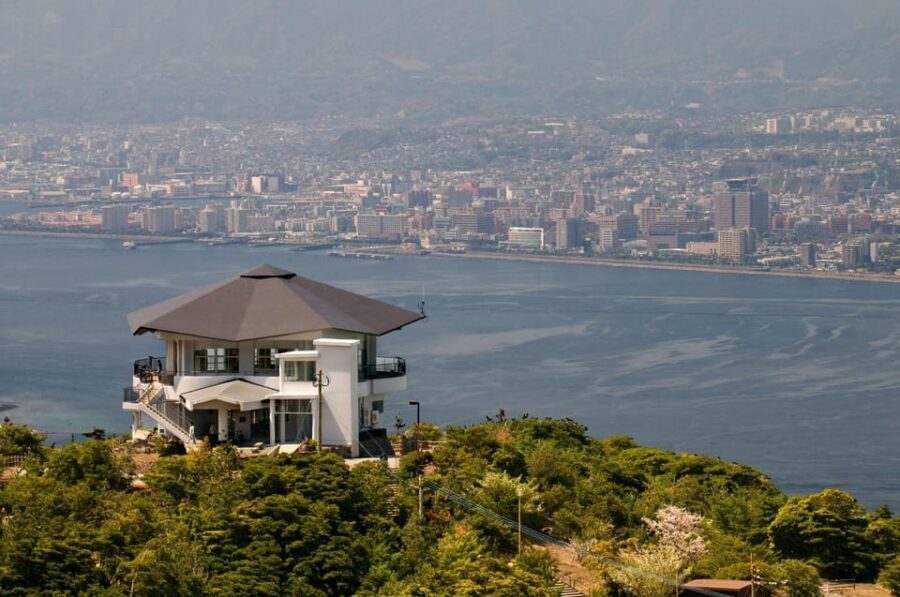
After the ferry, you go to Yunohira Observatory, the highest point of Sakurajima accessible to the public at altitude 373 meters. You’ll spend around 20 minutes at first, and later the tour returns for another stretch of time (about 30 minutes the second visit).
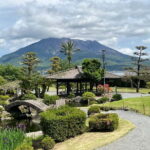
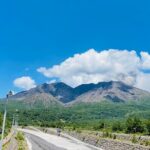
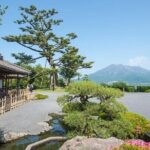
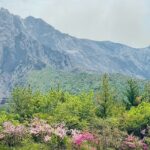
This viewpoint is a big deal because it changes the angle of everything. From above, the terrain doesn’t look smooth or gentle—it looks rough and shaped by activity. You’ll have a view toward the smoking South Peak area, and you’ll understand why this place is both dramatic and practical for locals who live with the volcano.
What I like about doing Yunohira on a timed tour is that you don’t have to worry about how long lines might be or whether you’re getting the right spot. You just show up, look around, and let the guide help connect the dots.
Potential drawback: if weather is cloudy, you’ll still get the experience of the observatory, but your view may be less dramatic. If it’s a clear day, you’ll be glad this is built into the tour.
The short walk and Tsukiyomi Jinja: a quiet pause
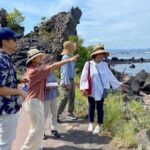
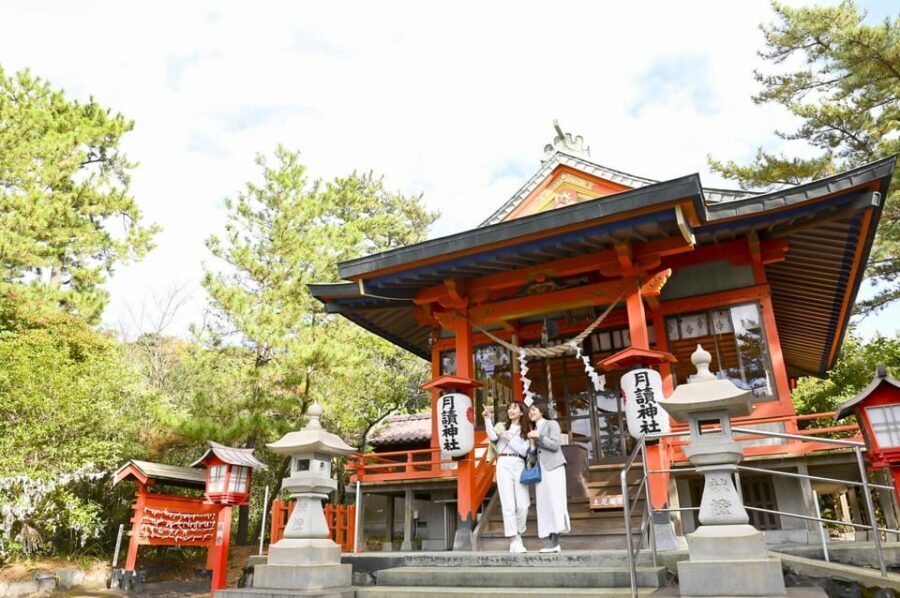
Sakurajima is about big geological forces, but Japanese sites often balance that with quiet places to reflect. The tour includes a short on-foot segment (around 10 minutes) that lines up well with time at Tsukiyomi Jinjya—the shrine mentioned as part of the experience.
You don’t need long for a shrine stop to work. In fact, a brief visit can feel like a reset after the bus and ferry. It’s a moment where you can notice the island’s living details—ground textures, plants, and the way people keep ritual and daily life moving even in a place that’s constantly changing.
If you’re traveling with knee issues, keep it in mind that this is short. You still might want comfortable shoes, especially if the path is uneven or if ash dust is present.


Ash art at Ougaku Toge Sakurajima-yaki: hands-on and genuinely local
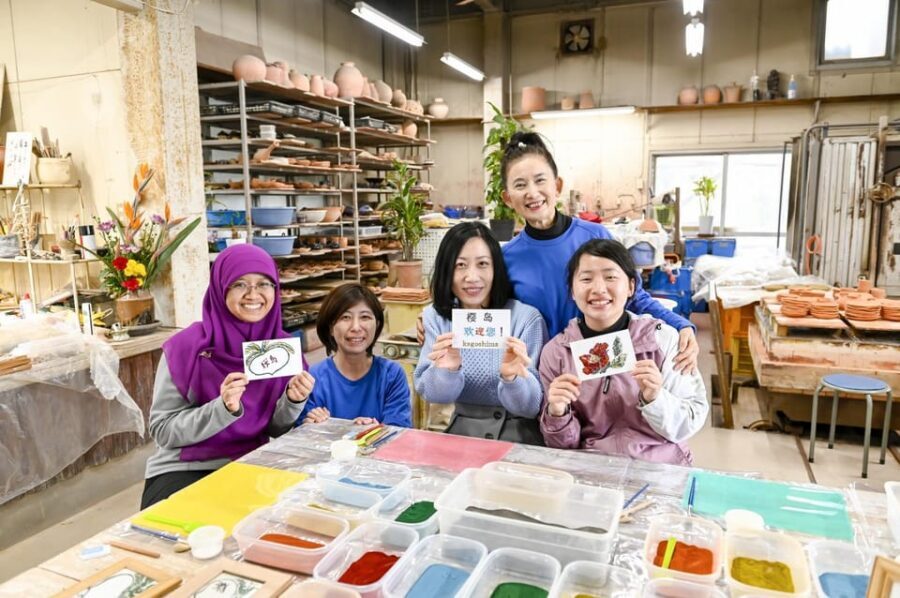
This is the stop that makes the tour feel like more than transport and viewpoints. At Ougaku Toge Sakurajima-yaki you’ll connect with a practice rooted in Sakurajima’s volcanic identity.
You’ll visit for about 20 minutes, and the highlight is an ash art experience where you try making artwork using natural volcanic ash. The good part: the art experience fee is included in the tour price.
Why this matters for value: most “half-day” tours give you photos and a souvenir shop. Here, you get something you participated in, not just purchased. And it’s a very Sakurajima-specific activity. You can’t fake this with a generic craft stop.
What to expect practically: you’ll likely want a towel and clothes you don’t mind getting dusty. Even if the workshop uses controlled materials, volcanic ash comes with the vibe of real-world grit. Wear something comfortable and plan to wipe your hands and tools at the end like a pro.
Sakurajima Visitor Center: turning visuals into understanding
Next up is the Sakurajima Visitor Center (about 20 minutes). This stop is valuable because it explains what you’re seeing, instead of leaving you guessing.
The exhibits cover:
- records of past eruptions
- how the volcano was formed
- local vegetation
- the way tourism fits into disaster prevention and daily life
This is where the island becomes more than a photo backdrop. You start noticing how people plan, prepare, and adapt. When you later look at the smoking peaks from Yunohira, the images connect to real context.
A small caution: 20 minutes is short for a visitor center, so you’ll want to listen to the guide and catch the main themes rather than trying to read every panel. If you’re a slow reader, you may wish you had more time here. Still, as a structured half-day, it does its job.
Time near Sakurajima Port: the island’s practical center
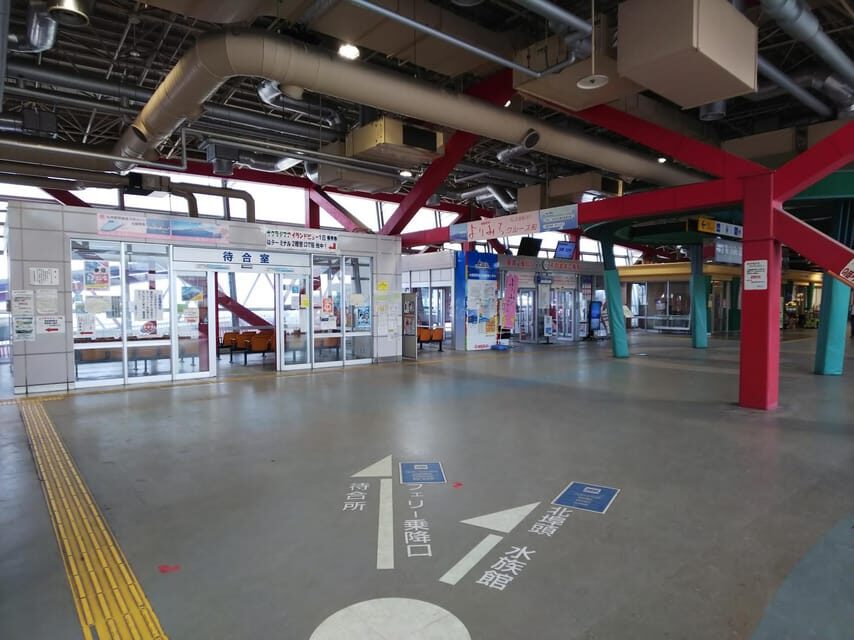
You’ll spend about 1 hour around Sakurajima Port. This is a nice balance point. Views are great, but ports are where you feel the island’s day-to-day reality.
You’ll also likely use some of this time to soak up atmosphere: the boat world, the foot traffic, the way locals and visitors move around the volcano’s daily presence. If you want to grab a snack or check out the immediate area, this is the best window—since lunch isn’t included in the tour.
One practical note: you’ll also have bus and public transport legs before and after this port time. The tour is designed to reduce your planning burden, but it still means you should keep your phone charged and your plans simple.
Nagisa Park Footbath: relaxing at the base of an active volcano
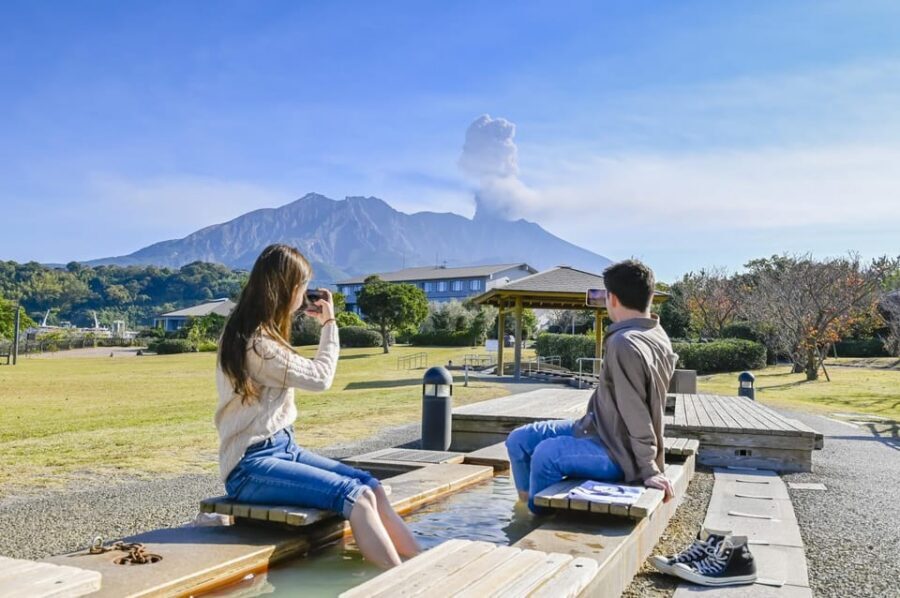
Near the end, you’ll visit Sakurajima Nagisa Park Footbath for about 10 minutes. It’s described as one of Japan’s longest footbaths at the foot of the active volcano, and the tour frames it as a soothing, restorative stop after the higher viewpoints.
This works because it’s a change of pace. You’ve spent time looking up, riding around, and walking briefly. A warm foot soak brings you back down to your body and helps you feel like you’ve earned rest.
Also, the concept is oddly satisfying: take in the volcano, then relax your feet with the sense that the island’s heat is part of the experience. It’s not a typical sightseeing gimmick. It feels like the local version of winding down.
Price and value: what $98 gets you in a half day
At $98 per person, this is not the cheapest “see a few things” tour. But it’s priced like a tour that’s doing actual logistics work for you: round-trip ferry tickets, a Sakurajima Island View Bus ticket, an English-speaking guide, and the ash art experience fee.
That’s the value equation. If you tried to piece this together yourself, the ferry and timed transportation would likely cost time and stress. Here, you pay for someone to line it up, translate it, and guide you through the meaningful stops.
Two things not included matter:
- Lunch is not included, so budget for a meal or plan a snack stop.
- You’ll want to bring your own towel and wear comfortable clothes, since those basics aren’t provided.
Overall, for a half-day format, I think the included ash art plus the structured island coverage makes the price feel fair—especially if it prevents you from spending your limited time in Kagoshima on trial-and-error transit.
Group size and the pace you should expect
This isn’t a private tour by default. It’s not private, and you’ll share the guide with other guests. The group is capped at about 25 travelers, with a minimum of 2 people for the tour to run.
The pace is brisk but not frantic. You get short, focused visits: ferry timing, observatory time, pottery workshop time, visitor center time, port time, then footbath and return ferry. That structure helps keep the experience within about 4.5 hours, but it does mean you shouldn’t expect long lingering or deep reading at every stop.
If you’re the type who likes to sit and absorb for hours, you might wish you had a longer stay on the island. If you’re the type who wants the essentials done well, this schedule fits nicely.
Should you book the Sakurajima Half Day Tour?
Book it if you want a smart, time-efficient Sakurajima experience with real local touches. I’d especially recommend it if you care about:
- getting to Yunohira Observatory without fuss
- doing the ash art activity (included in the price)
- understanding the volcano through the visitor center, not just seeing it
Skip it (or plan differently) if you hate shared group timing, or if you want long, unstructured wandering. Also, if you’re arriving from a cruise and your day is tightly scheduled, make sure you’re comfortable with the taxi connection from Marine Port Kagoshima to the ferry terminal area.
FAQ
How long is the Sakurajima Half Day Tour?
The tour lasts about 4.5 hours.
How much does the tour cost?
The price is $98 per person.
What’s included in the tour price?
You get an English guide, round-trip Sakurajima ferry tickets, a Sakurajima Island View Bus ticket, and the ash art experience fee.
Is lunch included?
No, lunch is not included.
Where does the tour start and end?
The meeting point can vary by option. The tour ends back at the meeting point you chose, with drop-off options including Marine Port Kagoshima and the Kagoshima ferry terminal area.
Does the tour use an English-speaking guide?
Yes, the tour includes a live English guide.
Is it a private tour?
A private group is available, but the standard tour is not private and you’ll share the guide with other guests.
What’s the group size limit?
The tour has a maximum of 25 travelers and a minimum of 2 people.
What should I bring?
Bring a towel and wear comfortable clothes.
Are there any restrictions during the tour?
You should avoid smoking indoors, and food is not allowed in the vehicle.
What if I’m arriving by cruise ship?
Cruise ships arrive at Marine Port Kagoshima Port. It takes about 20 minutes by taxi from there to the Sakurajima ferry terminal.