REVIEW · OSAKA
Beautiful Wagashi (Japanese Sweet) Making Class
Book on Viator →Operated by Sakura Cook · Bookable on Viator
One bite of wagashi and you get why Japanese sweets are treated like an art form. This class in Osaka teaches you how to shape nerikiri using simple ingredients, then lets you finish with your own flower-style design. You also get recipes so you can recreate the sweets later, not just snack on them for an hour.
What I like most is the hands-on rhythm: you learn dough from scratch, color it carefully, and then build decorative shapes step by step. The small group size means you’re not stuck watching from the sidelines, and the guidance stays clear even if you’ve never made wagashi before. Bonus for food lovers: nerikiri is typically associated with the tea ceremony, so you’re making something with real cultural context.
One thing to consider: the process takes a bit of skill and patience. If you rush, you’ll feel it in the dough, and the workshop location can be a little tricky to spot at first—having a good photo reference helps.
In This Review
- Key things to know before you go
- Osaka Wagashi Making Class: more than a dessert workshop
- Price and timing: why $45.53 can feel fair
- Where you meet: Banix 北堀江 and how to avoid stress
- What the class actually teaches: nerikiri from dough to finish
- 1) Make the dough from scratch
- 2) Color the dough in delicate tones
- 3) Shape and garnish with decorative flowers
- 4) Photo time, then enjoy
- Why the small group matters (and you’ll feel it)
- Creative freedom: customizing wagashi without losing structure
- Matcha moment: the extra tea detail you might enjoy
- How long you’ll feel in your hands: what to expect from the pace
- Take-home recipes: the real way this class keeps paying off
- Who should book this Osaka wagashi class
- Should you book Beautiful Wagashi in Osaka?
- FAQ
- How long is the Beautiful Wagashi making class in Osaka?
- How many people are in the class?
- What wagashi will I learn to make?
- Can vegans and vegetarians join?
- Can I take my wagashi home?
- Is there free cancellation?
Key things to know before you go
- Small group (max 8): enough attention without feeling crowded
- Nerikiri focus: a top-tier wagashi made with white bean paste and glutinous rice flour
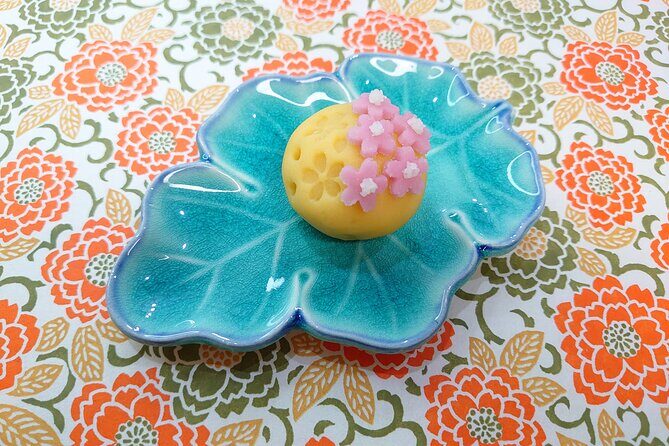
- You’ll customize the look: color and decorative flowers are part of the fun
- Take-home recipes: you get instructions to make wagashi at home
- Photos + eating time: you can take photos before you enjoy your sweets
Osaka Wagashi Making Class: more than a dessert workshop
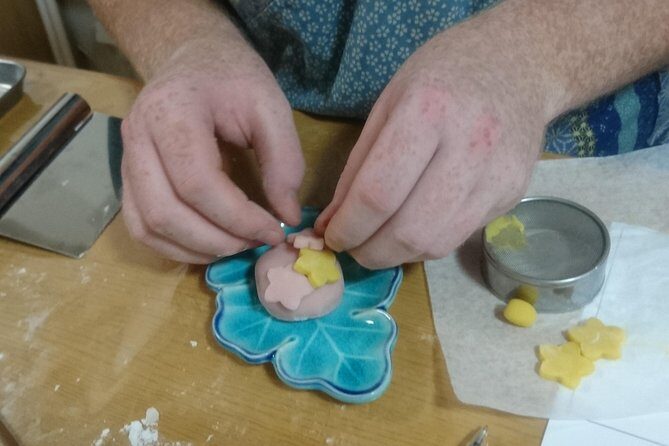
This class is basically a shortcut into Japanese sweet-making thinking. Wagashi aren’t just about being sweet. They’re about texture, form, and restraint—using ingredients like rice flour and beans to create something delicate and intentional.
You’ll make nerikiri, which is one of the higher-quality wagashi styles and is commonly used in the tea ceremony. That matters because it explains the level of care in the technique. When you shape those decorative flowers, you’re not just playing; you’re learning why wagashi are crafted slowly, with attention to shape and finish.
And since the ingredients are plant-based (white bean paste and glutinous rice flour), the class is described as suitable for vegans and vegetarians. If you’ve ever felt locked out of cooking experiences because of ingredient restrictions, this is a nice change.
A few more Osaka tours and experiences worth a look

Price and timing: why $45.53 can feel fair
At $45.53 per person for about 1 hour, it’s not a huge time investment—and that’s a big part of why it can be good value. You’re paying for three things at once:
- Instruction in a technique that’s hard to guess from a recipe
- Ingredients and guided setup (so you’re not stuck sourcing everything first)
- A take-home recipe so the class extends beyond the one-hour session
Yes, $45.53 is still money. But if you’re the type who enjoys food with craft behind it—rather than just eating a finished product—it tends to make sense. The small group also helps. With up to 8 people, you’re more likely to get real feedback on shaping and coloring instead of doing a rough “follow the leader” routine.
One practical note: this is often booked about 24 days in advance on average. If you’re traveling in peak season or want a specific day, don’t wait until the last minute.
Where you meet: Banix 北堀江 and how to avoid stress
The class meets at Banix 北堀江 Japan, in Osaka’s Nishi Ward, Kitahorie area, at 3-chōme 6-2, システマギャラリー. It ends back at the same spot.
You’ll be near public transportation, which helps. Still, one review point sticks out: the entrance can be a little difficult to find. The fix is simple—use any updated pictures provided for the meeting location, and take a moment to get your bearings before class time.
If you like arriving early (even 10 minutes early), you’ll have less pressure when you’re hunting the exact door or building entrance. This kind of class depends on timing because you start the dough work early.
What the class actually teaches: nerikiri from dough to finish
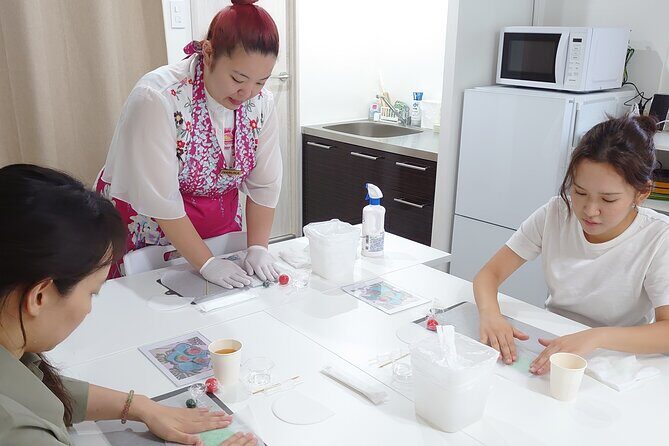
Here’s the core of what you’ll do during your 1-hour session:
1) Make the dough from scratch
You start with the dough. The process is described as beginning from scratch, not just mixing a pre-made base. Nerikiri dough uses white bean paste and glutinous rice flour. That combination is why the dough behaves the way it does when you shape it.
This is also the part where your instructor’s guidance matters most. Glutinous rice flour can be forgiving, but it still requires attention. If you don’t get the texture right, the next steps—color and shaping—will feel harder.





2) Color the dough in delicate tones
After the dough is made, you color it. The class description highlights delicate colors and customization, and that’s exactly where the creative side comes in. You’re not just making one standard sweet. You’re making it yours.
If you’re thinking this will be messy, don’t worry. The workshop approach is organized and easy to follow, and the goal is clean, controlled work. You’ll want to treat coloring like you’d treat cake decorating: slow hands, careful amounts, and patience.
3) Shape and garnish with decorative flowers
Then comes the fun, slightly challenging part: shaping the dough into balls and adding decorative flower garnish. The workshop description makes it clear this takes some skill, but it also promises that the finished sweets feel very satisfying.
This is where the class stands apart from a basic cooking demo. The outcome looks intricate because the technique is. Even if you don’t nail every detail, you’ll understand what makes wagashi styling work—where texture matters, and how the pieces fit together visually.
4) Photo time, then enjoy
Don’t skip the photo moment. The class specifically notes you can take photos before eating. When your sweet is shaped like a little flower piece, that’s half the joy.
You can also eat your wagashi there or take it away. That flexibility is great if you want to pair it with a walk afterward in Osaka.
Why the small group matters (and you’ll feel it)
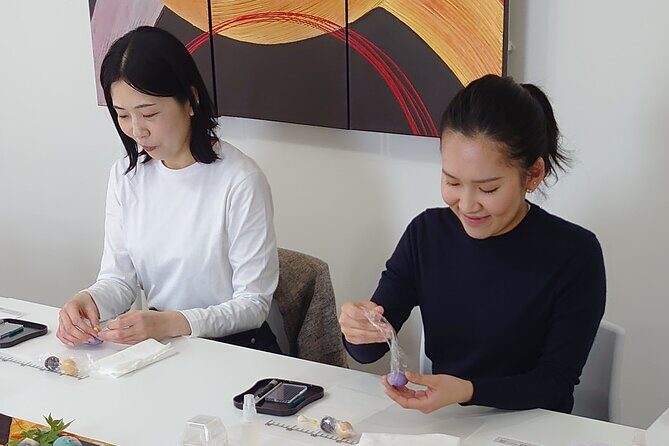
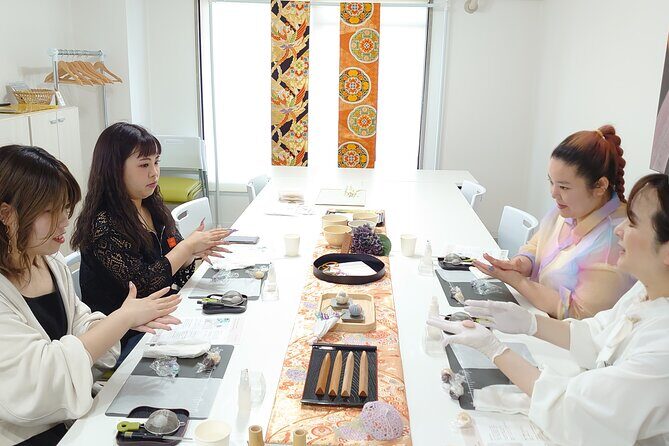
A maximum group size of 8 travelers is ideal for this kind of hands-on craft. Wagashi-making isn’t like assembling something with step-by-step packaging. It’s tactile. Your instructor needs to see what your dough is doing, and you need feedback fast.
From the class style described in reviews, you’ll likely notice clear instructions and personal attention. One standout detail is that the instructor’s English translation was described as strong, and the class leader was named Fumi in a review. That’s a real comfort if you don’t speak Japanese—good translation is the difference between learning and just copying.
Also, small group work tends to make it easier to ask questions without feeling like you’re slowing everyone down. If you like talking to the person teaching you, this class gives you that space.
Creative freedom: customizing wagashi without losing structure
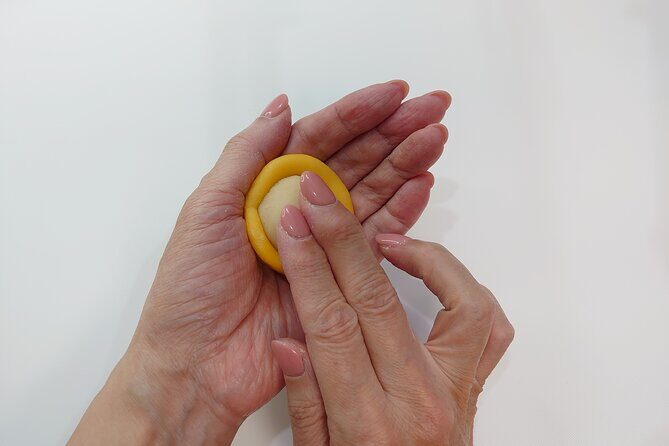
One of the most praised parts is creativity—specifically that you can shape and color your sweets in a way that feels personal. But it doesn’t sound like you’re thrown into chaos.
Instead, the structure is built around the nerikiri method: dough first, then color, then shape and garnish. Within that structure, you get room to make choices. That’s how you get the best of both worlds:
- You learn a technique that has cultural meaning
- You still leave with a finished sweet that looks like you made it
If you’re the kind of person who enjoys decorating, you’ll probably love this part. And if you’re more of a practical eater than an artist, you’ll still get a strong result because the steps are guided.
Matcha moment: the extra tea detail you might enjoy
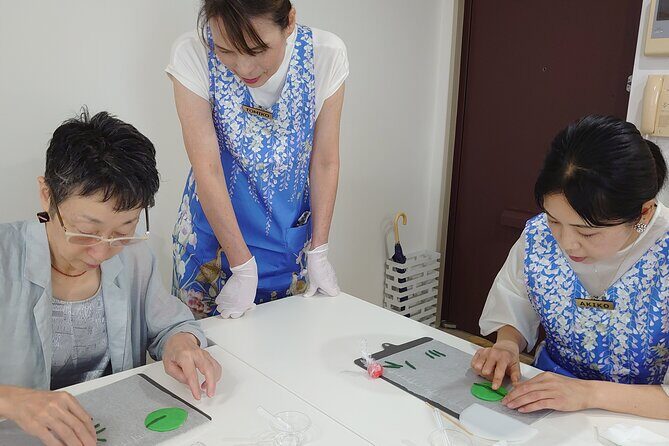
One review mentions a bonus experience: making matcha tea using Japanese instruments. The class summary doesn’t spell this out, but it’s clearly part of what some groups experience.
If matcha tea is included in your session, consider it a neat pairing. Wagashi are often served with tea, and nerikiri is linked to tea ceremony culture. Even if you’re not doing a formal ceremony, that small addition helps the experience click into place.
It’s also one of those details that makes the class feel more like a cultural activity and less like a standalone snack.
How long you’ll feel in your hands: what to expect from the pace
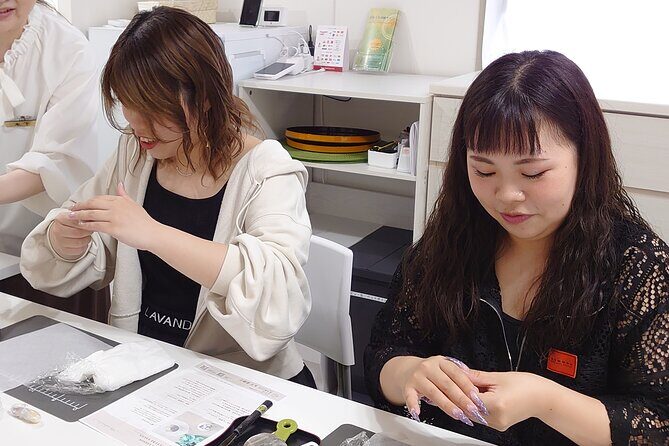
This is about 1 hour, so you’ll move through the full arc quickly—dough, color, shaping, garnish, and eating. That pace is good because you don’t get stuck doing one step forever.
Still, keep expectations realistic. The workshop description calls out that shaping requires skill. That doesn’t mean you need experience, just that you should go in ready to take your time when it comes to the dough texture and the decorative parts.
If you’re used to quick cooking, this may feel slower in the hands even though the clock doesn’t last long. The payoff is a finished wagashi that looks like something from a shop window.
Take-home recipes: the real way this class keeps paying off
The class includes recipes so you can make Japanese sweets at home. That’s huge for value because it turns your paid hour into a skill you can practice.
If you want to try this again, the takeaway recipe can help you:
- Understand the dough base (white bean paste + glutinous rice flour)
- Recreate the coloring approach
- Follow the shaping and garnish steps without guessing
One review also emphasizes that sweets were delicious and described as easy to make with clear instructions. That’s exactly what you want from a take-home recipe: something you can actually run again instead of a paper souvenir.
Who should book this Osaka wagashi class
This class is a strong fit if you:
- Love food that involves technique, not just flavor
- Enjoy baking or candy craft and want a cultural version of it
- Want a small-group experience with personal guidance
It’s also a good choice if you care about dietary fit. The class description says wagashi made from these ingredients can be enjoyed by vegans and vegetarians, which makes it easier to plan meals and experiences around your needs.
You might skip it if you:
- Want something totally hands-off (this is hands-on shaping work)
- Get stressed by precision tasks where rushing can affect results
- Prefer a location that’s always instantly obvious—because the entrance can be tricky without the reference images
Should you book Beautiful Wagashi in Osaka?
I’d book it if you want a compact, memorable activity that gives you both a cultural craft lesson and an edible result. For about $45.53 and roughly 1 hour, you’re getting technique instruction, personalized support in a group of up to 8, and recipes to keep going at home.
It’s especially worth your time if you care about Japanese aesthetics—shape, detail, and the idea that sweets can be both food and visual art. And if you like the idea of enjoying what you make (or taking it with you), the class is built for that.
My only caution is to arrive a little early and use any meeting-point photos. Once you’re inside, everything else sounds organized, clear, and genuinely fun—creative, teachable, and tasty.
FAQ
How long is the Beautiful Wagashi making class in Osaka?
It runs for about 1 hour.
How many people are in the class?
The class is limited to a maximum of 8 travelers.
What wagashi will I learn to make?
You’ll learn to make nerikiri wagashi, using dough made from white bean paste and glutinous rice flour.
Can vegans and vegetarians join?
The class notes that wagashi made with these ingredients can be enjoyed by vegans and vegetarians alike.
Can I take my wagashi home?
Yes. You can eat the sweets during class or take them away.
Is there free cancellation?
Yes. You can cancel for a full refund up to 24 hours before the experience starts.