REVIEW · HIROSHIMA
The Peace Memorial and Beyond: A Half-Day around Hiroshima
Book on GetYourGuide →Operated by Pinpoint Traveler · Bookable on GetYourGuide
Hiroshima hits hard, then somehow breathes again. This half-day route strings together the big ideas of the city’s past and the day-to-day pace you’ll see on the streets, with guided time at the Peace Memorial Park and Museum. I especially like how the tour gives you context right where you’re standing, not in a distant lecture.
Another standout is the mix of places: the lively shotengais for normal life, then the calmer ending at Shukkeien Garden with room to slow down. The only real drawback is pacing: it’s a walking tour with limited sit-down time, so hot weather or low stamina can make the day feel busy.
In This Review
- Key Points I’d Prioritize Before You Go
- Why This 4-Hour Hiroshima Loop Works
- Hiroshima Peace Memorial Park: Atomic Bomb Dome and Museum Time
- Transition to the Shotengais: See Hiroshima Between Thoughts
- Hiroshima Castle: Ruins, Reconstruction, and a Park Break
- Shukkeien Garden: The Calm Ending You’ll Be Ready For
- Price and Pacing: Worth It, If You Match the Walking Style
- Who Should Book This Tour (and Who Might Need More Time)
- Final Call: Should You Book This Hiroshima Half-Day?
- FAQ
- How long is the Hiroshima Peace Memorial and Beyond tour?
- Where does the tour start?
- Is this tour guided in English?
- What’s included in the price?
- Are meals and transportation included?
- Can I cancel for a refund?
Key Points I’d Prioritize Before You Go
- Peace Memorial Park + Museum, timed with a guide so you understand what you’re seeing, including museum areas that go beyond the obvious
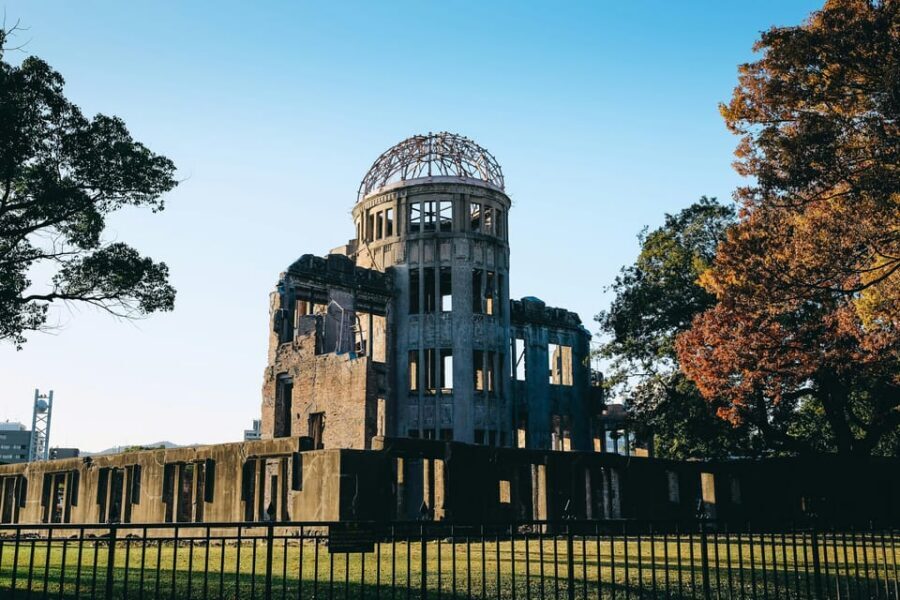
- Atomic Bomb Dome context paired with thoughtful discussion, not just photos and facts
- Shotengai walking that shows Hiroshima’s everyday rhythm in between heavier sites
- Hiroshima Castle visit that balances reconstructed structures with peaceful park surroundings
- Shukkeien Garden as a quiet reset, where the pacing finally eases for reflection
- English live guides (you may meet guides like Ken or Alex) and small-group options
Why This 4-Hour Hiroshima Loop Works
This tour is built for people who want the core of Hiroshima without feeling lost or overwhelmed. In just four hours, you get three very different sides of the city: memory and meaning at the Peace Memorial, local life on traditional shopping streets, and a calmer, curated pause at Shukkeien.
The value here is the guidance. At places like the Atomic Bomb Dome and the Peace Museum, the details matter. With an English-speaking guide, you get help connecting the history to what the spaces are trying to communicate.
The other smart piece: the route doesn’t only go heavy. After the memorial sites, you’ll transition into Hiroshima’s shotengai scene—busy streets, everyday snacks, and storefront energy. Then you finish somewhere quiet enough to let your brain catch up.
A few more Hiroshima tours and experiences worth a look
Hiroshima Peace Memorial Park: Atomic Bomb Dome and Museum Time
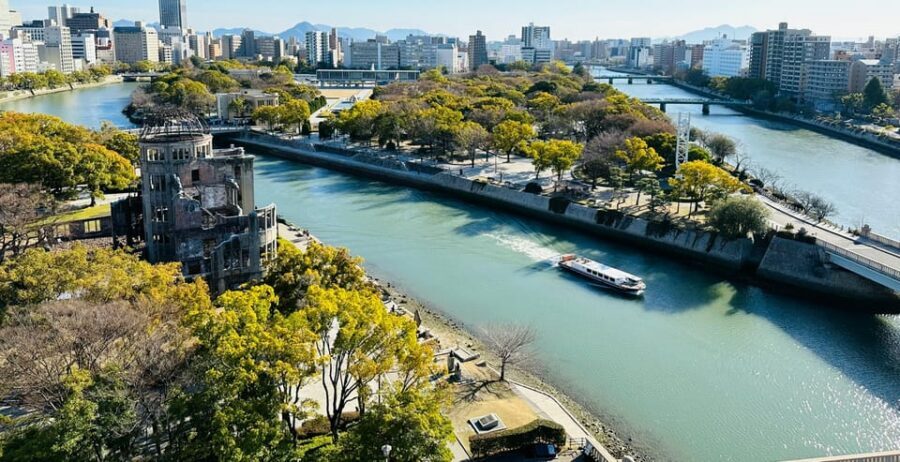
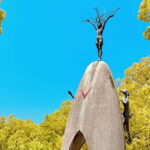
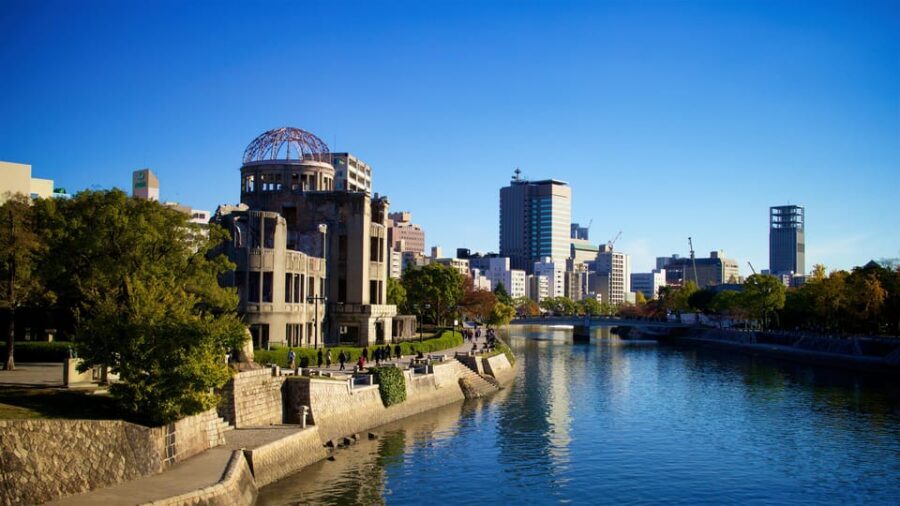
The tour starts at the Hiroshima Peace Memorial area and moves through the parts that shape how visitors understand the city. You’ll spend guided time at the Peace Memorial Park, including time around the Atomic Bomb Dome, which remains one of the most recognizable symbols connected to the bombing.
What I like most about starting here is the clarity. When you look at the dome and surrounding exhibits in the right sequence, the story becomes easier to grasp. The guide’s explanations help you understand why certain details were preserved and how the park communicates its message of peace.
You’ll also visit the Hiroshima Peace Memorial Museum with guided time. One helpful detail from past experiences: people often appreciate that the museum experience isn’t only surface-level. There’s mention of informative time in a basement area, which can add depth to what you see above ground.
Practical heads-up: memorial sites ask for respectful behavior, and you’ll want your mindset to match that. This is not the place for rushing. Give yourself permission to slow down, especially around exhibits connected to the human cost.
Transition to the Shotengais: See Hiroshima Between Thoughts
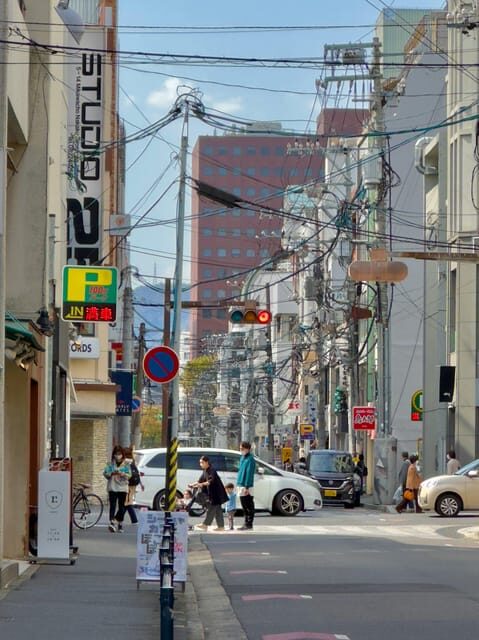
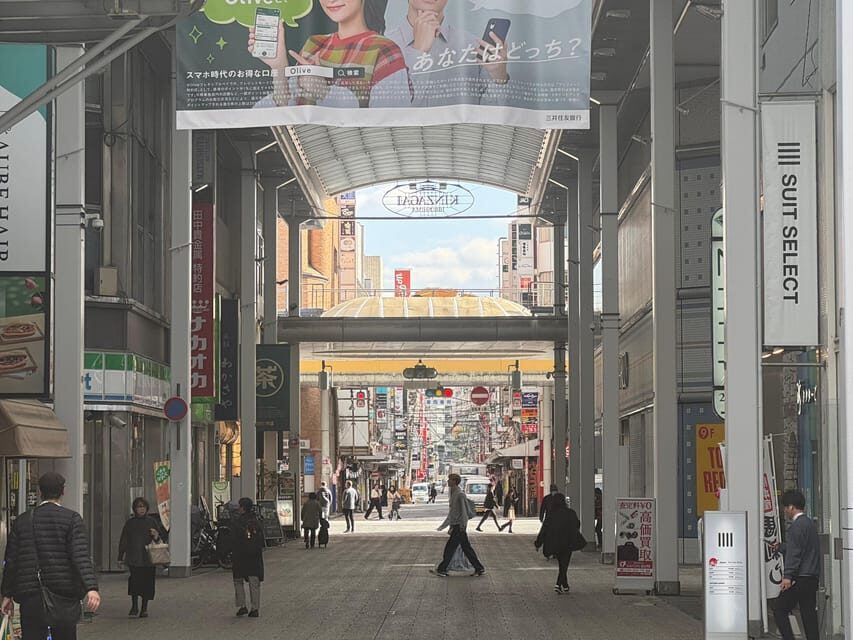
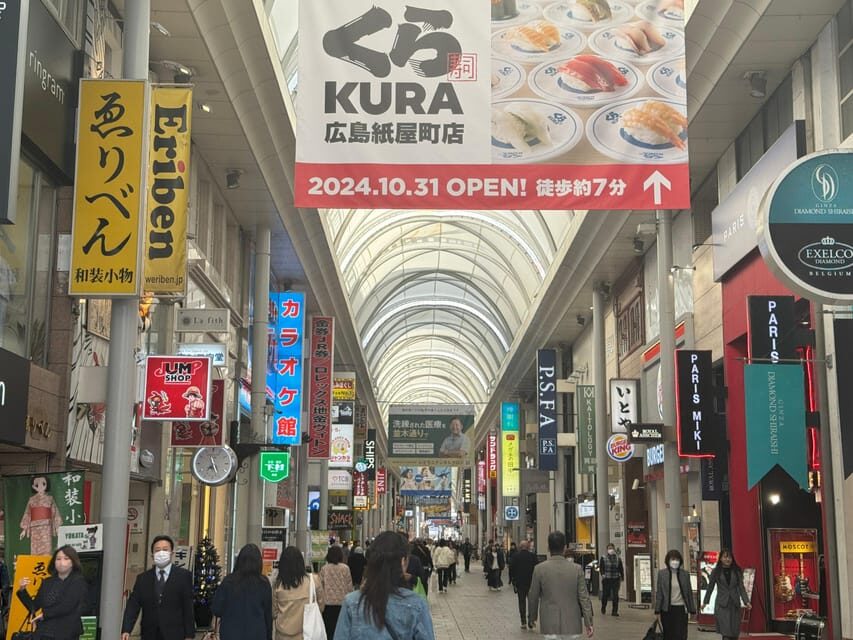
After the Peace Memorial area, you move into Hiroshima’s shotengais—traditional shopping streets where daily life continues. This is a big deal, because it changes the emotional tempo of the day.
At Hondōri and other shotengai stretches you’ll walk at a relaxed sightseeing pace. You’re not going shopping for a “haul” here as much as you’re watching how the city functions. It’s where you’ll notice things like how people move through the streets, where they stop, and what kind of everyday choices are normal.
This part also helps with logistics. After museum and memorial time, your legs get a chance to stretch while your mind has a break from heavy context. If you’ve been to memorial sites elsewhere, you know how common it is to feel drained. The shotengai segment gives you a gentle reset.
If you’re the type who hates crowds, this might not feel quiet—but it’s not chaotic. It’s lively in a very “Japan street life” way.
Hiroshima Castle: Ruins, Reconstruction, and a Park Break
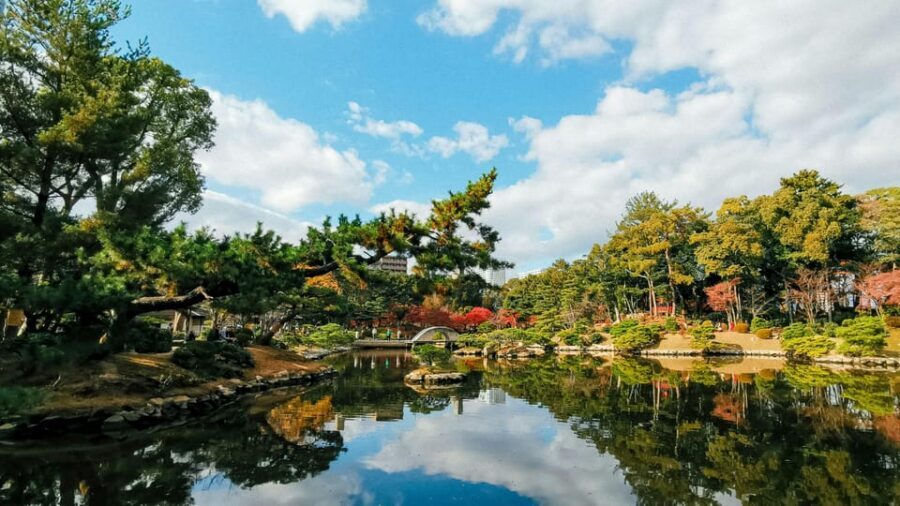
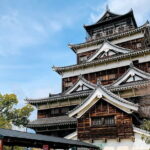
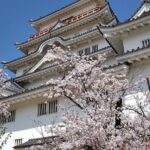
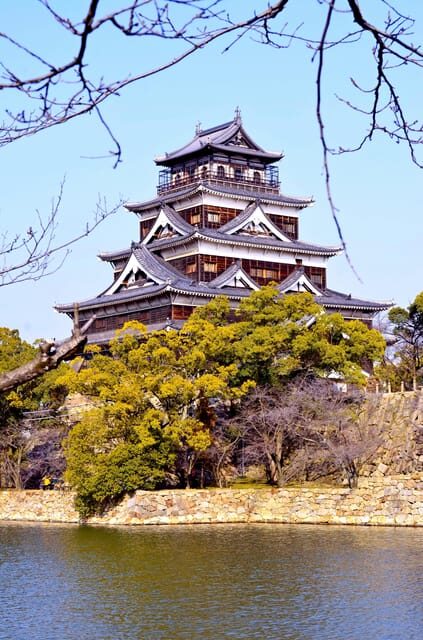
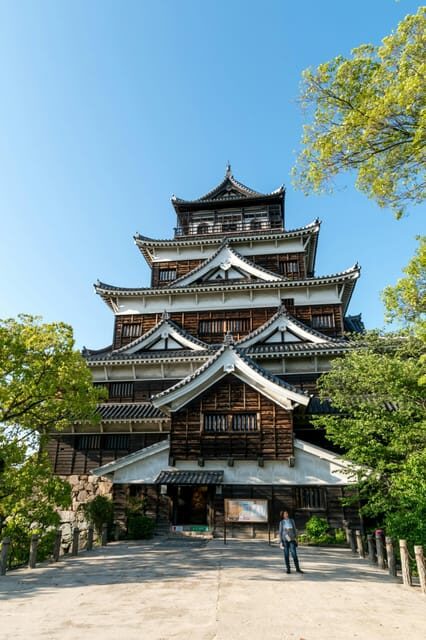
Next up is Hiroshima Castle. The big draw is that it sits in a peaceful park setting while still connecting to the city’s dramatic modern history.
The castle visit is described as a mix of historical ruins and modern reconstruction. That combination matters for two reasons. First, it shows how Hiroshima rebuilt itself physically after devastation. Second, it lets you experience the site as a place to wander, not only a monument you stand beside for ten minutes.
The guided component helps you read what you’re looking at—what’s original-feeling, what’s reconstructed, and how the layout fits the city’s story. Even if you’re not a castle superfan, a good guide turns the visit from “photos and facts” into a sense of place.
Time-wise, expect a focused block for sightseeing. You’ll walk some, but it’s not a long hike. This stop works as a bridge between the emotional weight of the morning and the quiet close at Shukkeien.
Shukkeien Garden: The Calm Ending You’ll Be Ready For
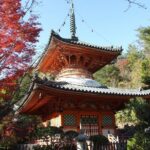
The tour’s final stop is Shukkeien Garden, starting from the ticket gates area in front of the garden. This is the payoff if you like Japanese gardens—careful design, controlled views, and a slower rhythm.
Shukkeien is described as a tranquil retreat designed with meticulous care. That phrase can sound abstract until you’re actually in the space and notice how the paths and sightlines encourage you to keep moving gently, then pause.
This ending is smart because your brain will be full. After Peace Park and the museum, your thoughts can keep looping. After shotengais and the castle, your legs might be tired. Shukkeien gives you a place where the pace matches how you feel—slower walking, less noise, more time to reflect.
If you want a moment for photos, this is also where you’ll get them without the pressure of a memorial crowd mood. Just keep it respectful and steady—this is still a garden, not a theme park.


Price and Pacing: Worth It, If You Match the Walking Style
The tour runs about 4 hours and costs $66 per person. For that price, you’re getting guided time at the Peace Memorial Park and Museum, a visit to Hiroshima Castle, entrance fees included, and guided exploration through the shotengais plus a stroll through Shukkeien.
Is it “cheap”? Not really. But it’s also not trying to be a full-day tour with meals and transportation. You’re paying for a tight route and an English guide who can explain what you’re seeing in context—especially at the Peace sites, where interpretation changes everything.
The biggest pacing consideration is that it’s a walking tour with limited sit-down time. One review noted the heat and that there wasn’t much time to sit during the 4 hours. If you visit in summer or you’re sensitive to warm weather, you’ll want to plan carefully.
Here’s what I’d do to make it comfortable:
- Wear comfortable walking shoes you can rely on for steady city strolling.
- Bring a water bottle and drink before you feel thirsty.
- Check the weather and dress in layers if it changes quickly.
Meals and drinks aren’t included, and transportation to and from the starting point isn’t included either. That means you’ll want to eat before or plan a simple post-tour meal near where you’re staying.
Who Should Book This Tour (and Who Might Need More Time)
This tour is a strong fit if you want a focused introduction to Hiroshima in one half-day. It’s also ideal if you like having your questions answered while you’re still in the right place to ask them—especially around the Atomic Bomb Dome and museum exhibits.
You’ll likely enjoy it most if:
- You want guided time rather than self-guided wandering
- You can handle a steady walking pace
- You want a balance of memorial sites, city life, and a calm garden ending
If you need lots of quiet time in the museum or you prefer longer stops for photos and independent reading, you might feel slightly rushed. In that case, consider combining this with extra time on your own later, especially around the museum.
Also, if you’re traveling solo: the tour’s pricing is designed to avoid extra solo fees, but there are options if the minimum group requirement isn’t met. The tour provider may offer an alternate date, a solo supplement of 4000 yen, or a full refund.
Final Call: Should You Book This Hiroshima Half-Day?
I’d book this if you want the essentials of Hiroshima without turning your trip into a checklist. The Peace Memorial Park and Museum portion is the core, and the guide support is what turns the visit from “seeing sites” into understanding what the city wants you to carry home.
I’d skip it or pair it differently if you’re heat-sensitive, exhausted easily, or you want long museum reading sessions. The route is tight by design, and it rewards visitors who can flow from one mood to the next.
If you’re ready for thoughtful walking with a clear ending in Shukkeien, this half-day is a good deal for both time and meaning.
FAQ
How long is the Hiroshima Peace Memorial and Beyond tour?
It lasts about 4 hours.
Where does the tour start?
Meet at the ticket gates in front of Shukkeien Garden.
Is this tour guided in English?
Yes. The tour offers an English live guide.
What’s included in the price?
You get guided visits to the Hiroshima Peace Memorial Park and Museum, a visit to Hiroshima Castle, exploration of Hiroshima’s shotengais, entrance fees, and a stroll through Shukkeien Garden.
Are meals and transportation included?
No. Meals and drinks are not included, and transportation to and from the starting point is not included.
Can I cancel for a refund?
Yes. Free cancellation is available up to 24 hours in advance for a full refund.