REVIEW · TOKYO
Dive into Tsukiji Fish Market Walking Friendly Food Tour
Book on GetYourGuide →Operated by Washoku club city and food tours · Bookable on GetYourGuide
Tsukiji’s food is the real star of Tokyo. This 4-hour walking tour pairs classic seafood stops with temple and shrine sightseeing, so you’re not just eating, you’re also learning what you’re looking at. I like that it’s a small group of up to 10, which keeps the pace friendly and makes it easier to ask questions as you go.
Two things I’d put at the top: you get a guided route through Tsukiji Hongwanji Temple and the Outer Market, and the tasting list is substantial—sushi, grilled tuna and salmon, tamagoyaki, grilled oysters, and fresh sashimi, plus desserts and snacks. One consideration: the menu is seafood-heavy, so if you don’t eat seafood, this tour may not feel like the best fit.
In This Review
- Why This Tsukiji Tour Works So Well in 4 Hours
- Key Moments You’ll Remember
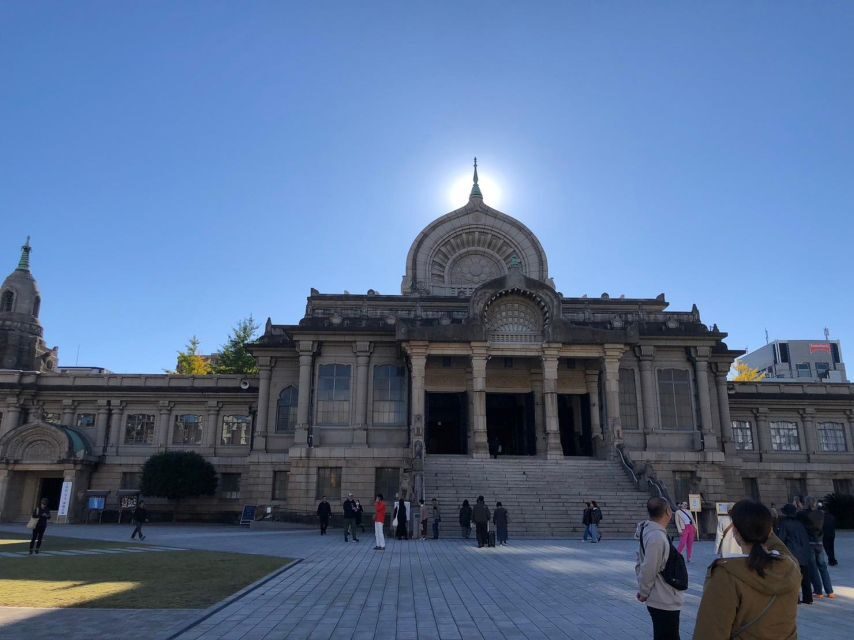
- Starting at Tsukiji Hongwanji Temple: Get Your Bearings First
- Tsukiji Outer Market: The Real Lesson Is How You Look
- The Included Tastings: A Plan That Teaches Through Contrast
- Kachidoki Bridge: A Change of Pace Mid-Route
- Namiyoke Inari Jinja: Adding Local Culture to the Food Story
- Small Group Size: Why Up to 10 People Changes Everything
- Price and Value: Is $173 Reasonable?
- Best Fit: Who Should Book This Tsukiji Tour
- Should You Book This Tsukiji Fish Market Walking Friendly Food Tour?
- FAQ
- How long is the Tsukiji Fish Market walking food tour?
- How big is the group?
- Where do I meet the tour guide?
- What languages are the guides available in?
- What’s included in the food and drinks?
- Is alcohol included?
- What stops are included on the route?
- Is there free cancellation?
- Can I reserve now and pay later?
- Who runs the tour?
Why This Tsukiji Tour Works So Well in 4 Hours
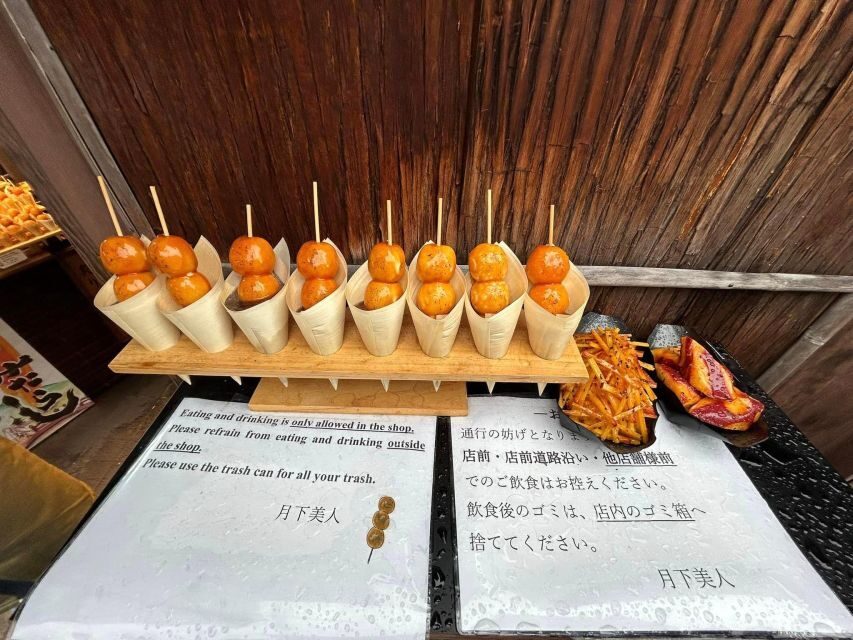
Tsukiji can feel like sensory overload if you go alone. The streets are lined with food and kitchen-related shops, and it’s easy to wander without knowing what to look for or why certain items matter in Japanese cooking. With a live guide, you get a map for both your eyes and your appetite.
The tour is also built around pacing. After a guided orientation at Hongwanji, you get timed structure in the Outer Market: a guided pass first, then extra shopping time where you can slow down, compare, and pick what you want to take home (or sample on the spot if available).
The food side is handled well too. You’re not just offered one bite here and there. Included tastings cover a range of seafood styles—raw (fresh sashimi), grilled (tuna, salmon, oysters), and cooked (sushi and tamagoyaki). That variety helps you understand Japanese seafood culture beyond taste alone.
Key Moments You’ll Remember
- Tsukiji Hongwanji Temple as your first stop, so you start with context before the market noise.
- Outer Market guided + shopping time, letting you learn first and then browse with confidence.
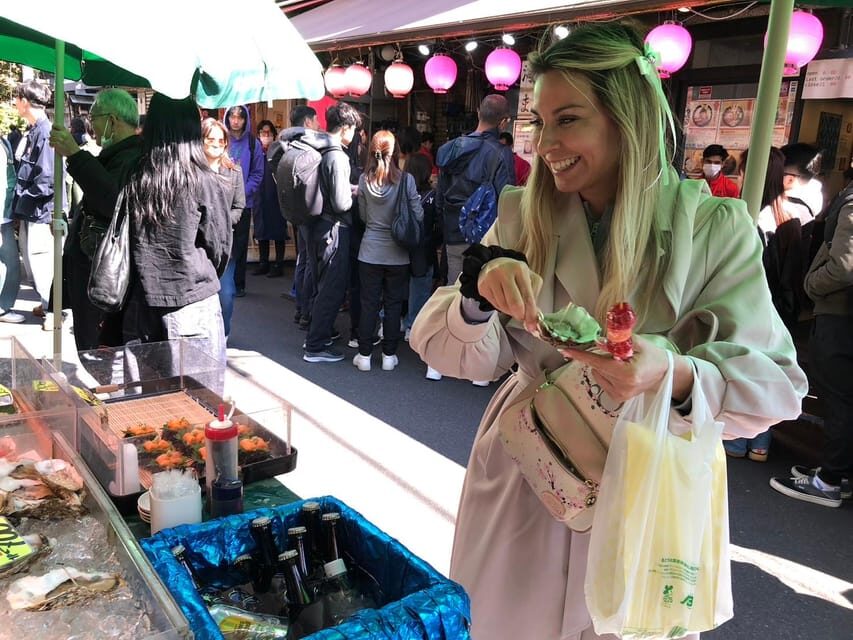
- A serious seafood tasting lineup, including sashimi, grilled tuna and salmon, grilled oysters, and tamagoyaki.
- Kachidoki Bridge on the route, adding a change of scenery from stalls and shop fronts.
- Namiyoke Inari Jinja for a classic shrine stop that rounds out the area’s culture.
- Guides like Amber and Akira are known for explaining what you’re seeing and adapting when plans need to change.
You can also read our reviews of more walking tours in Tokyo
Starting at Tsukiji Hongwanji Temple: Get Your Bearings First
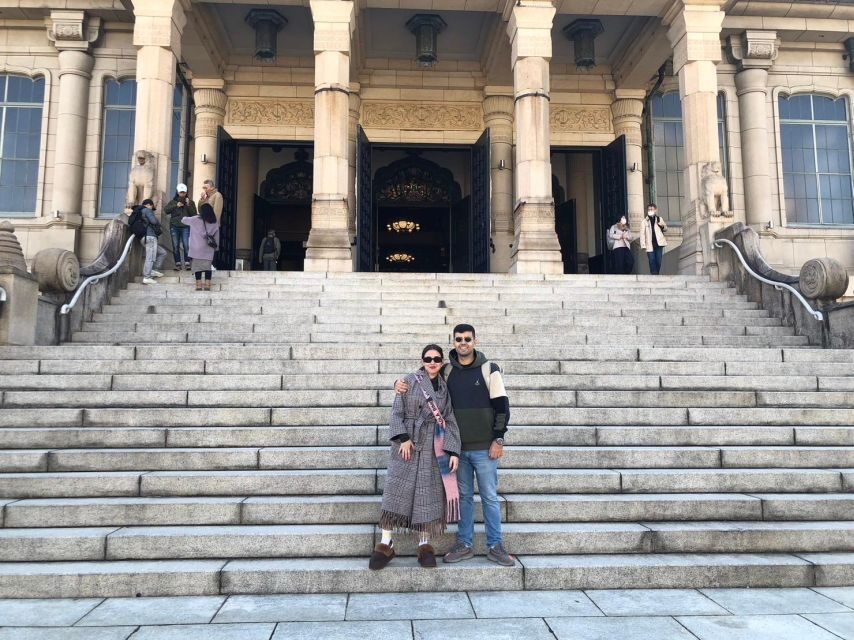
You meet in front of Tsukiji Hongwanji Temple, and the tour begins with a guided visit there. I like this choice because it prevents the trip from turning into pure food-hunting. You’re in central Tokyo and surrounded by a market environment, yet you start with a place of worship that helps you understand how the area’s daily life is shaped by more than commerce.
The temple stop is guided for about 30 minutes. That means you’re not stuck in sightseeing mode for an hour while your stomach waits in suspense. It’s enough time to learn what matters about the setting and to notice details you might otherwise overlook when you’re moving fast.
Practical vibe check: because this portion is scheduled and guided, it’s easier for everyone in the group to stay together—especially helpful with a maximum of 10 people.
Tsukiji Outer Market: The Real Lesson Is How You Look
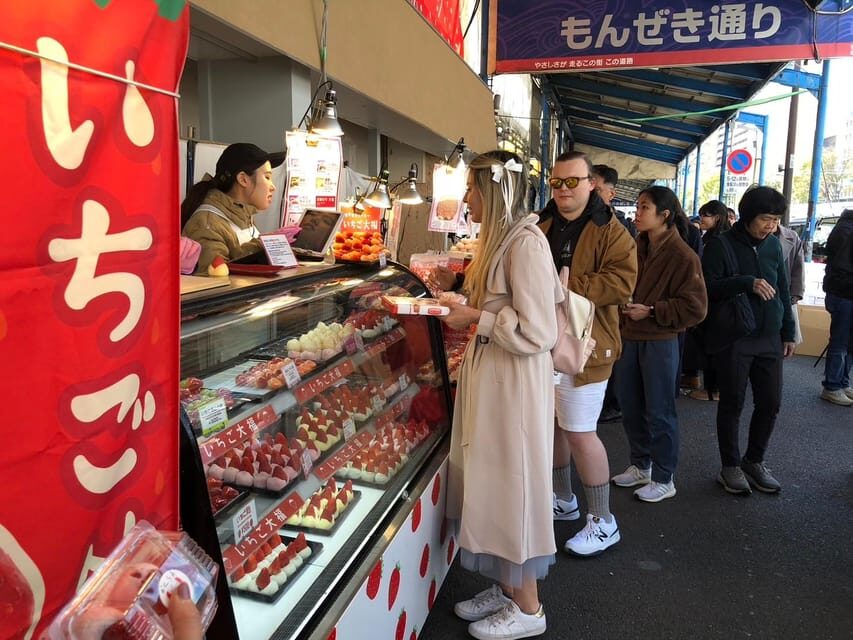
After the temple, you move into the Tsukiji Outer Market, where the energy shifts from quiet observation to ingredient-level curiosity. Tsukiji is one of Japan’s biggest fish markets, and in this outer area you’ll find roughly 400 shops along the streets selling fresh foods and kitchen utensils. That mix is important: seafood culture includes the cooking tools as much as the fish.
The tour gives you two separate Outer Market segments:
- a guided walkthrough with shopping time (about 30 minutes)
- then another shopping block (about 30 minutes)
That structure is great for decision-making. In the first guided portion, you’re learning what to target and how to think about quality and variety. In the second portion, you can act on that new perspective without feeling rushed.
The tour also mentions the possibility of seeing Michelin-starred chefs shopping for ingredients. Even if you don’t spot anyone famous, the whole environment is aimed at serious sourcing. You’re walking through a market built for professionals as well as visitors, which is exactly why it feels different from a typical tourist market.
The Included Tastings: A Plan That Teaches Through Contrast
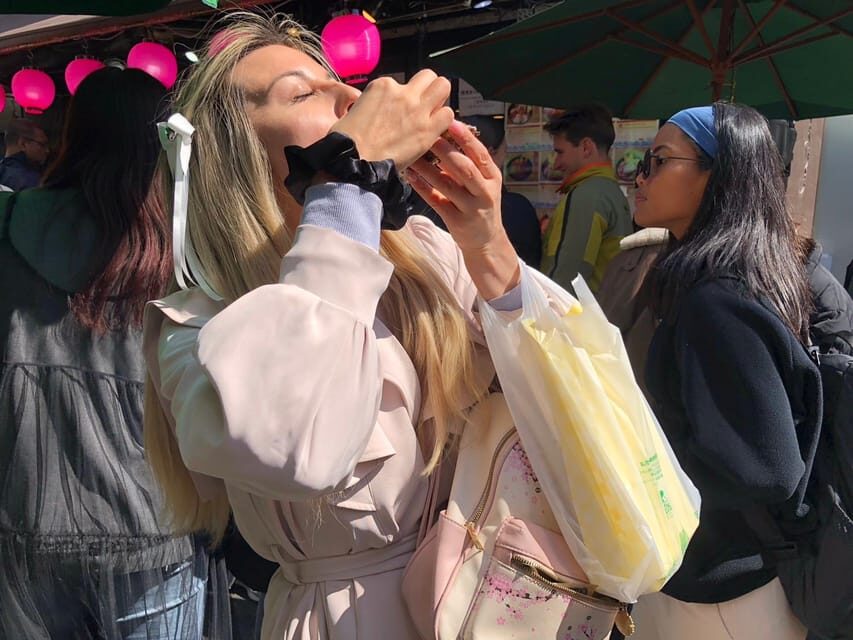
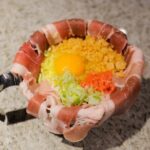
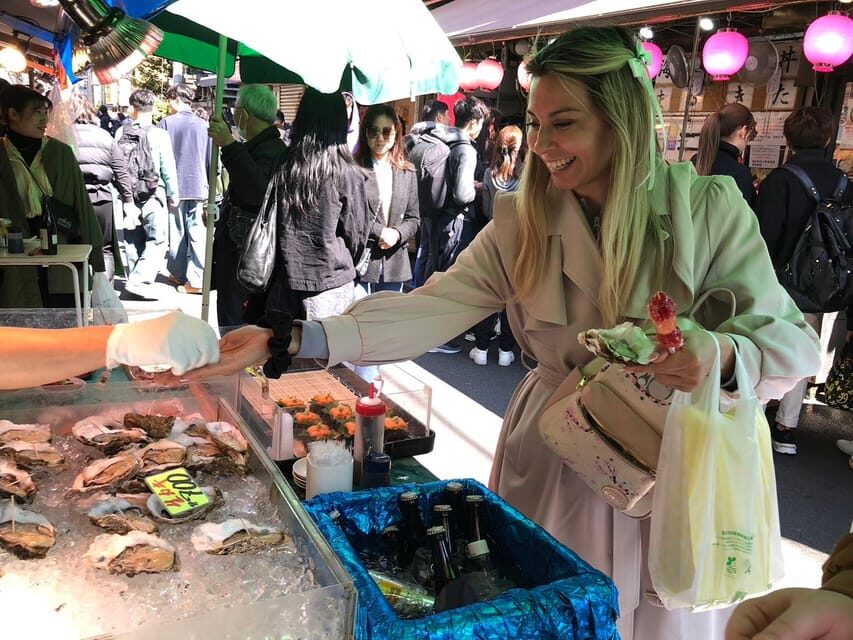
Here’s what’s included in the tasting portion: sushi, grilled tuna and salmon, tamagoyaki, grilled oysters, fresh sashimi, plus desserts and snacks. You’ll also get two soft drinks and water. Alcohol is not included, but alcoholic drinks are available to purchase.
This lineup works because it shows multiple ways seafood is presented in Japanese cuisine:
- Fresh sashimi helps you taste fish in its most direct form.
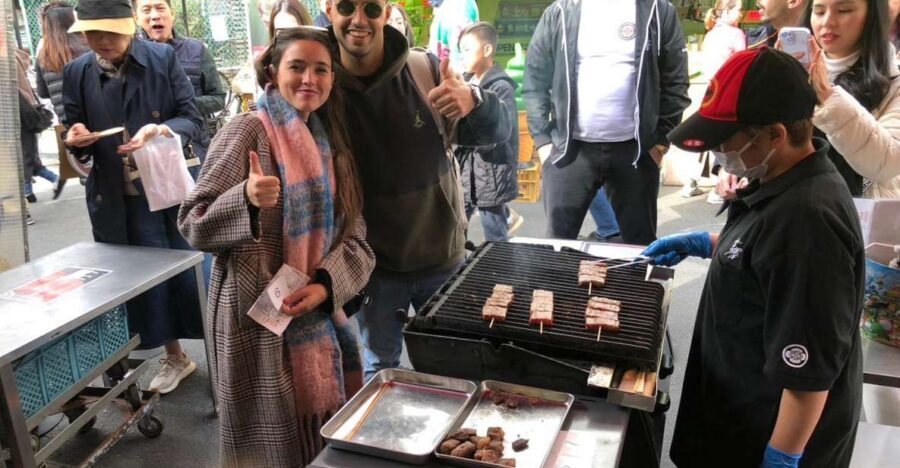
- Grilled tuna and salmon lets you experience how heat changes flavor and texture.
- Grilled oysters add a briny, smoky edge that’s hard to replicate elsewhere.
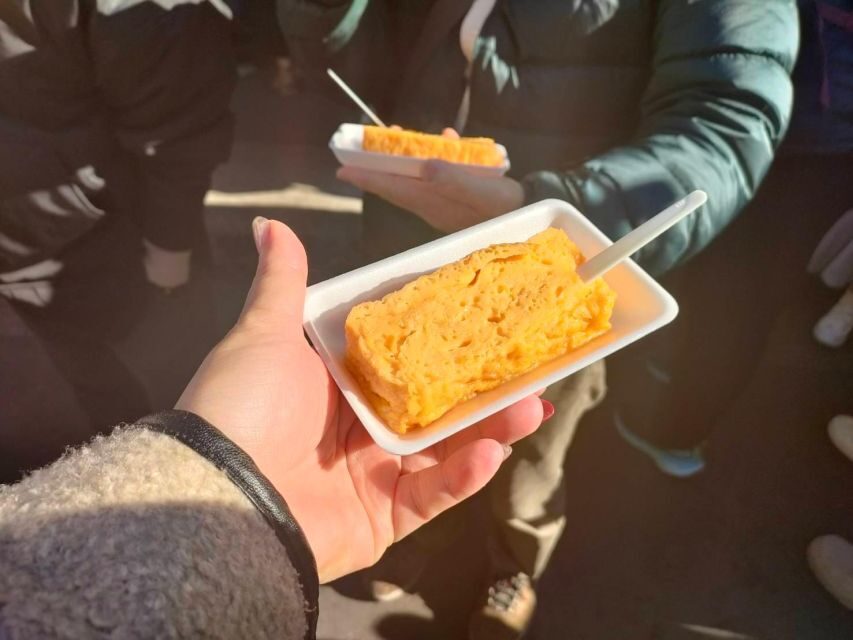
- Tamagoyaki gives you a cooked egg counterpoint, which balances the seafood richness.
- Sushi ties it all together into a bite-sized format you can compare.
If you’re food-curious, this is more useful than a single “best bite” stop. You can actually start thinking like a cook: raw versus grilled, fish versus egg, and how seasoning and preparation affect what you perceive.
One consideration: since this is seafood-forward, you’ll want to be comfortable eating fish and shellfish. If you have a seafood allergy or strict dietary limits, double-check before booking.
Kachidoki Bridge: A Change of Pace Mid-Route
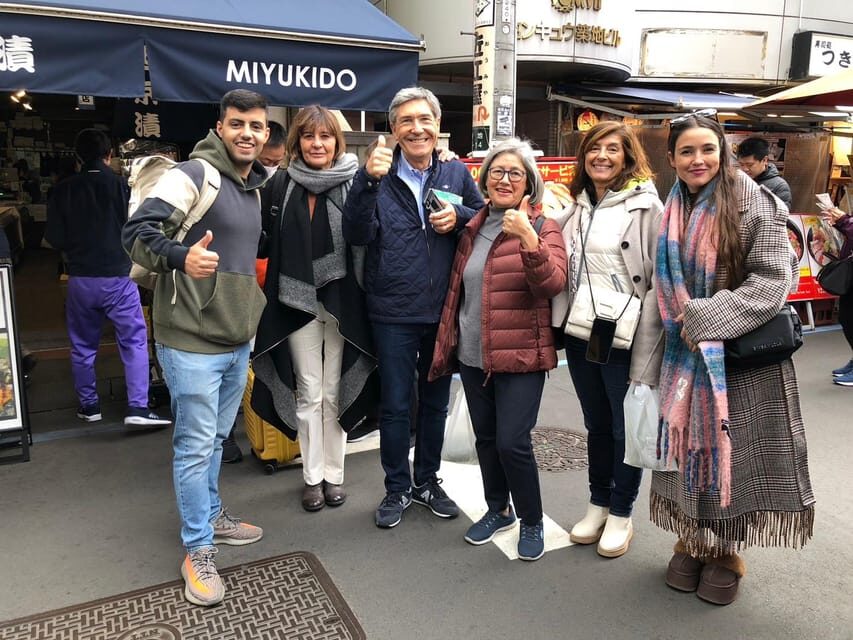
About halfway through, the tour includes a guided stop at Kachidoki Bridge (around 30 minutes). I appreciate this kind of intermission. Market walking can flatten your attention—you see so many stalls that everything blurs together. A bridge stop gives your brain a rest and resets your sense of direction in the area.
You’re still in the Tsukiji orbit, but the environment changes. Instead of focusing only on shop displays and food counters, you get a different angle on the surrounding district and the flow of the neighborhood.
Even if you’re not a “photo every second” person, it’s a smart tempo move inside a 4-hour experience.
You can also read our reviews of more food & drink experiences in Tokyo

Namiyoke Inari Jinja: Adding Local Culture to the Food Story
Next up is Namiyoke Inari Jinja with another guided segment (about 30 minutes). Inari shrines are closely tied to Japanese religious life, and they show up all over Tokyo for a reason: they’re part of how locals frame everyday spaces.
This stop matters because it adds cultural context. Food markets aren’t only about eating; they exist inside a broader community rhythm. When you layer a shrine visit onto a food-and-sourcing tour, you end up with a more complete picture of the area.
It also gives your group a clean break before the final return. After tasting and browsing, a shrine stop feels like a natural reset rather than a distraction.
Small Group Size: Why Up to 10 People Changes Everything
The tour caps the group at 10 participants, and that matters more than it sounds. With a smaller group, you’re less likely to get swept along like a line item in a schedule. You can ask practical questions while your guide is still talking about what you’re tasting.
The reviews highlight guide skills that pair well with this format. Guides like Amber are noted for being thoughtful and flexible with a teenage son, which suggests the experience can adapt to different comfort levels. Akira is described as exceptional at giving context while you walk and eat, which is exactly what you want in a market like Tsukiji where “what you see” is only half the story.
I’d expect this size to be especially helpful if you’re traveling as a couple, a small family, or with a friend who likes food but also wants the history and meaning behind it.
Price and Value: Is $173 Reasonable?
At $173 per person for a 4-hour guided walking tour, the value comes down to two things: how much you eat and how much context you receive. This isn’t a short tasting walk with one sample and a sales pitch. The included food list is full and varied, and you’re also getting guided time across multiple landmark stops: Hongwanji Temple, Outer Market (guided plus shopping), Kachidoki Bridge, and Namiyoke Inari Jinja.
You’re also not handling the heavy lifting of figuring out what to buy, what to prioritize, or how to navigate a market area with lots of shop choices. With a professional guide and a small group, you pay for speed with meaning.
Alcohol isn’t included, so if you plan on drinking, you’ll want to budget extra. But with soft drinks and water included, you can still keep your costs predictable while tasting everything on the list.
If you’re the type of traveler who likes markets but hates feeling lost, the pricing starts to make sense fast.
Best Fit: Who Should Book This Tsukiji Tour
This tour is a strong match if you:
- want to eat a structured seafood tasting menu rather than randomly sampling
- like food tours that also explain what you’re seeing
- prefer smaller groups for questions and pacing
- want a route that mixes market sights with temple and shrine culture
It may be less ideal if you:
- don’t eat seafood or avoid shellfish
- want a completely self-guided experience with no scheduled stops
Should You Book This Tsukiji Fish Market Walking Friendly Food Tour?
I’d book it if your goal is to get the Tsukiji experience in a way that’s practical and guided. Four hours is long enough to learn and eat properly, and the mix of Hongwanji Temple, Outer Market time, and shrine sightseeing makes it feel like more than a food run.
If you’re on the fence, ask yourself this: do you want help choosing and understanding what you’re tasting? If yes, this is the kind of tour that saves time and turns a market into a story you can actually remember.
FAQ
How long is the Tsukiji Fish Market walking food tour?
The tour lasts 4 hours.
How big is the group?
It’s a small group with a maximum of 10 participants.
Where do I meet the tour guide?
Meet in front of Tsukiji Hongwanji Temple. From Tsukiji Station (Hibiya Line) take Exit A1 and turn left; the temple entrance is about 50 meters from the station.
What languages are the guides available in?
The tour offers live guides in English and Japanese.
What’s included in the food and drinks?
Included items are sushi, grilled tuna and salmon, tamagoyaki, grilled oysters, fresh sashimi, plus desserts and snacks. You’ll also get 2 soft drinks and water.
Is alcohol included?
Alcoholic drinks are not included, but they are available to purchase.
What stops are included on the route?
The tour includes Tsukiji Hongwanji Temple, Tsukiji Outer Market (guided and shopping time), Kachidoki Bridge, and Namiyoke Inari Jinja. It returns to Tsukiji Hongwanji Temple.
Is there free cancellation?
Yes. You can cancel up to 24 hours in advance for a full refund.
Can I reserve now and pay later?
Yes. The tour offers reserve now & pay later, so you can book your spot and pay nothing today.
Who runs the tour?
The experience provider is Washoku club city and food tours.