REVIEW · TOKYO
Tokyo Sumo Morning Practice Tour w/ Ring-Side Seat + Photo Shoot
Book on Viator →Operated by MagicalTrip Inc. · Bookable on Viator
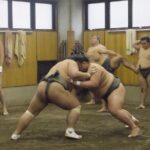
Sumo training starts before most of Tokyo wakes. This tour is a rare chance to watch real Sumo practice up close in a working stable, not a staged show. I love the way the guide helps you decode what you’re seeing, so the session feels meaningful instead of confusing.
My other favorite piece is the included photo shoot with the wrestlers, plus the chance to see them train with serious focus. The guide can be named Marie, and her passion for the sport really shows in how she explains the routines. One key consideration: photo rules vary by stable, and seating can be affected by timing because access inside is limited to tatami areas.
In This Review
- Key highlights you’ll feel on the day
- Why a Sumo stable morning beats watching from afar
- Meeting at Kiyosumi Shirakawa and starting on time
- Inside the stable: what you actually see in 90 minutes
- Ring-side viewing and the photo shoot: the good and the tricky
- Kiyosumi Gardens: a calm ending after the intensity
- Price and value: what $99.10 is really buying
- Small-group advantages you’ll notice right away
- Weather, clothing, and the morning reality check
- Rules inside the stable: how to avoid problems
- Who should book this Sumo practice tour
- Should you book it or not?
- FAQ
- Is the tour about 2 hours long?
- What time does the tour start?
- Where do I meet for the Tokyo Sumo morning practice tour?
- Is there an admission fee to watch practice?
- Is the photo shoot included?
- Can children under 12 join?
- What areas are accessible inside the stable?
- What if I’m late to the meeting point?
- What happens if the stable cancels the practice?
Key highlights you’ll feel on the day
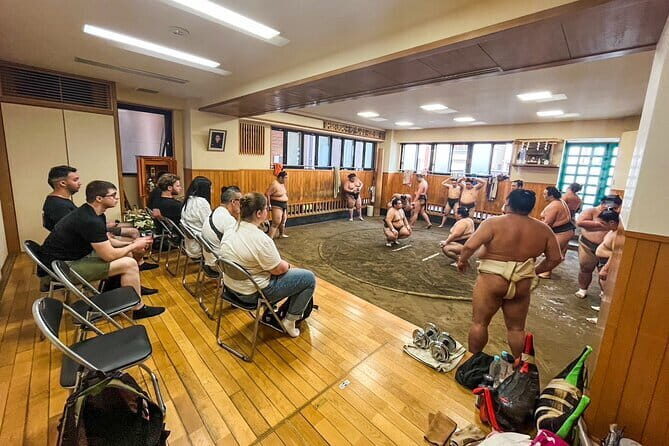
- Max 10 travelers keeps the experience personal and easy to follow
- Morning practice at a Tokyo stable shows how Sumo actually trains
- Guide commentary helps you understand the drills and the culture
- Ring-side style viewing depends on first-come seating once inside
- Photo shoot included, but what’s allowed can vary by stable rules
- Kiyosumi Gardens stop gives you a calm cooldown after the intensity
Why a Sumo stable morning beats watching from afar
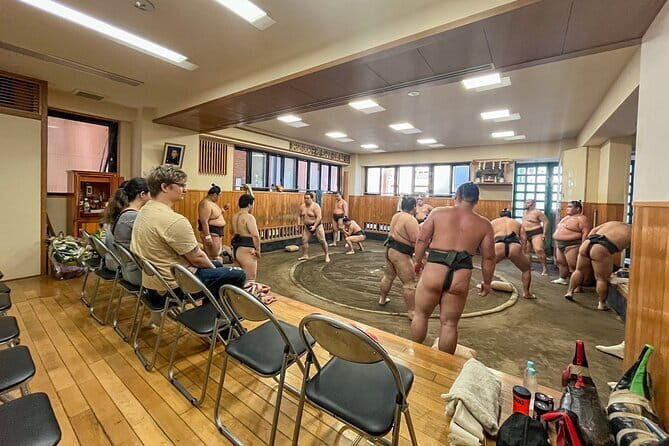
If you only know Sumo from tournaments on TV, this is your fix. A morning practice session is different in a very good way: it’s less about spectacle and more about repetition, discipline, and getting bodies ready for work. You’re not just looking at big men in costumes. You’re watching training that feels deliberate and physical.
What makes this tour especially attractive is the timing and the format. You go early, the group is capped at 10, and a guide stays with you through the experience with commentary. That matters, because Sumo has a lot of small signals—how wrestlers warm up, how they move in controlled bursts, how they reset after drills—that you’d miss if you walked in cold.
Also, this is aimed at people who want the authentic version of Sumo. The setup avoids the typical tourist traps that turn everything into a gimmick. Instead, you’re there to watch practice as practice.
A few more Tokyo tours and experiences worth a look


Meeting at Kiyosumi Shirakawa and starting on time
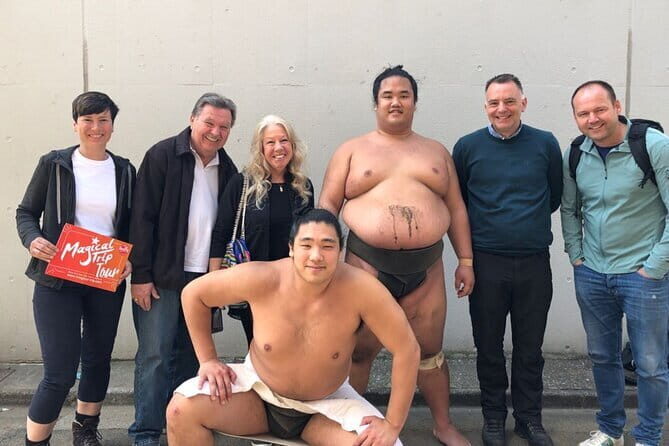
You meet at 3-chōme-11-1 Kiyosumi, Koto City, with a start time of 8:30 am. You’ll then be guided on a short walk to the Sumo stable. The location being near public transportation is a plus, since you don’t want your morning ruined by transit puzzles.
The biggest practical tip: show up early. The tour starts promptly, and if you’re late, you won’t be able to join—no refunds or rescheduling for missed tours. Since you’re stepping into a training space with rules, the group needs to be ready to move when the guide says go.
Once you’re together, expect a direct flow to practice rather than a long preamble. Reviews describe it as smooth and efficient, with a guide already waiting and the transition handled quickly.
Inside the stable: what you actually see in 90 minutes
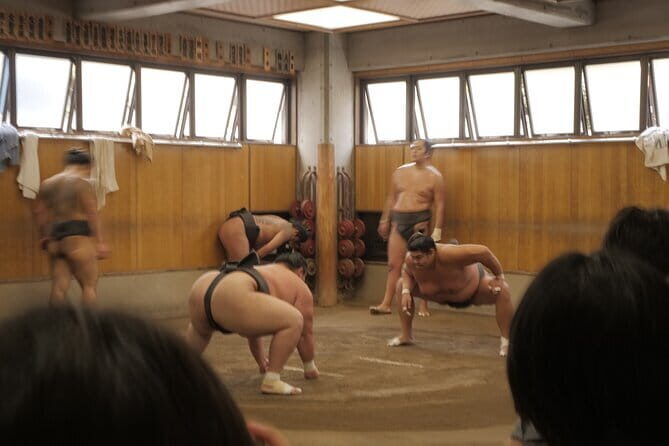
The first major stop is at 3-chōme-6-2 Kiyosumi, where you watch the practice session. The session runs about 1 hour 30 minutes, and there’s no separate admission fee for attending.
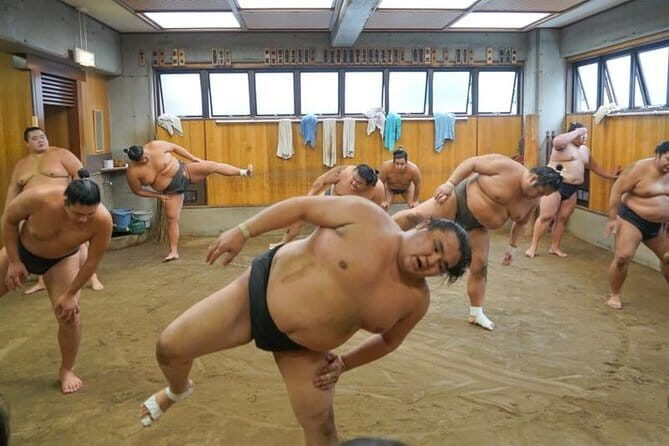
Here’s what “up close” really means in this kind of experience. You’re not in a stadium with wide sightlines. You’re in a stable environment, and your access is controlled. You’ll be limited to tatami areas inside, and other areas are off-limits. So yes, you may feel a little constrained—but that’s part of why this feels real. You’re not treated like a customer in a theme park; you’re treated like someone visiting a working training space.
Also note: based on participant numbers, the group may be divided and assigned to different stables. That can affect your exact experience, including where you sit. Seating is first-come, first-served inside, so arriving early on the day matters for visibility.
During practice, you’ll see a mix of warmups and repetitive training, plus practice bouts. One reviewer specifically highlighted the “real deal” feel—no silly ring-instructor show—just serious training. Another noted a strong sense of reverence in how wrestlers and trainers move around the space.
And because the athletes are focused, the presence of a small audience typically doesn’t seem to disrupt things. That’s a good thing for you: you get a more natural look at how they work.
Ring-side viewing and the photo shoot: the good and the tricky
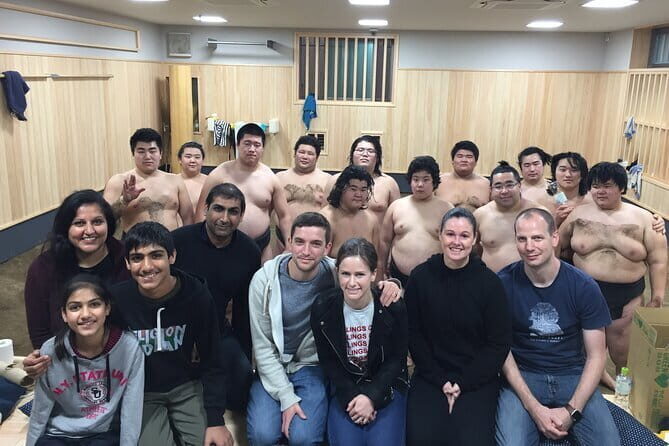
This is the headline attraction, so let’s keep it honest. The tour includes ring-side-style viewing and a photo shoot, but what you can do with cameras and how the photos work depend on the stable’s policies.
Why that matters: photography during the practice is not guaranteed in every moment. The stable may allow photos, restrict photos, or limit photos to certain parts of the session. Some days, even taking photos with the wrestlers might not be allowed.
That said, the photo shoot being included is still a big value move. It turns the day into more than just a watch-only experience. You get a structured moment to capture the day, even if the exact rules about camera use can vary.
For the best shot (literally), come prepared for quick instructions and changing conditions. If the guide tells you where to stand or when to raise your camera, follow it fast. In stable settings, timing is everything.
One more practical detail: if you leave the stable before the practice ends, you may not be able to re-enter. So if you need a bathroom break or you’re adjusting clothing, do it before you go in.
Kiyosumi Gardens: a calm ending after the intensity
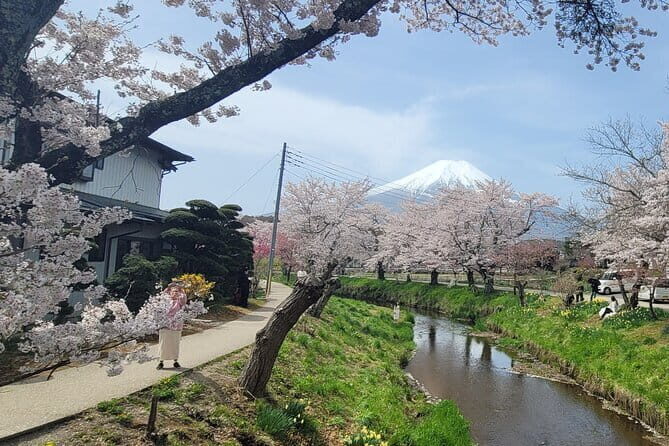
After practice, the tour shifts to Kiyosumi Gardens for about 30 minutes. This stop is not about more Sumo action. It’s about reset time—cool down, take photos, and let the morning settle.
I like this kind of ending because it keeps you from turning the whole trip into one long adrenaline hit. You go from controlled, physical training inside a stable to quiet space outside. For many people, that’s when the experience starts to feel real in a different way—you can reflect, not just observe.
If you’re the type who gets mentally full after intense cultural moments, this garden stop gives you breathing room without dragging your day into something complicated.






Price and value: what $99.10 is really buying
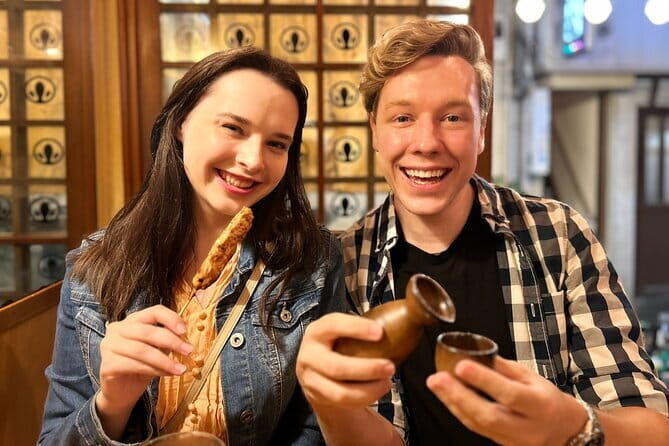
At $99.10 per person, you’re paying for access, interpretation, and a bit of “make it memorable” value.
What’s included that drives the price:
- Small-group format (maximum 10 travelers)
- A guide who stays with you and explains what you’re seeing
- Practice viewing inside a real stable (with no separate admission fee)
- Photo shoot included
Where value lands for you depends on what you want. If you’re a Sumo fan, especially one who missed the tournament or doesn’t want only TV highlights, the experience is unusually direct. You’re not just learning history; you’re watching training in a working environment.
If you’re a casual visitor, the price may feel steep compared to “look from outside” options. But the guide and photo shoot typically make it feel like more than a walk-by. The key is to match your expectations: this tour is designed for people who want the authentic practice session feel.
Small-group advantages you’ll notice right away
A group capped at 10 can sound like marketing—until you feel it.
First, you get easier guidance. In a small setting, it’s practical for a guide to answer questions and point out what matters. Reviews repeatedly mention guides who were passionate and helpful, with Marie in particular being credited for making the experience click.
Second, the small audience likely helps the wrestlers. More space and less crowding inside a stable means the session stays focused. If you’re worried about being in the way, this format reduces that stress.
Finally, when you return to meet-up and wrap up at the same place, the whole day feels simple. There’s less waiting around and fewer people to manage.
Weather, clothing, and the morning reality check

Morning in Tokyo can be tricky, and the weather has been getting more extreme in recent years. That means you should dress for temperature swings—hot summers can reach up to 40°C (110°F), and winters can drop to around -5°C (20°F).
Wear layers. Plan for walking a little between meeting and the stable. And don’t forget that restrooms may not be available during practice, so use the bathroom before you go in.
This is one of those tours where being comfortable helps you focus on what you came for.
Rules inside the stable: how to avoid problems
This tour includes rules for a reason: stables run on tradition and strict space boundaries.
You must:
- Follow the stable’s regulations closely
- Stay in permitted areas (tatami areas only inside)
- Avoid disruptive behavior; entry can be refused without refund if someone doesn’t respect the rules
- Be ready for the stable to adjust the practice schedule at the last minute based on wrestlers’ condition or tournament commitments
One more constraint that affects planning: this tour is only for guests aged 12 and over. If a guest under 12 is found, participation may be denied without refund. So if you’re bringing kids, double-check ages before booking.
Also remember: changes on the day of the tour can’t be accommodated. If your plans are flexible, still try to keep the morning free.
Who should book this Sumo practice tour
I think you should book if:
- You’re a Sumo fan, or you want to see why people take the sport so seriously
- You want practice sessions, not a gimmick
- You like guided context so the drills make sense
- You want a small-group experience with a real photo moment
You might skip it if:
- You hate rules or tight spaces
- You want guaranteed photos with wrestlers every minute (policies can vary)
- You’re traveling with a child under 12
- You can’t commit to arriving on time, because late arrivals can miss the tour entirely
Should you book it or not?
I’d book this tour if your goal is understanding Sumo as a sport, not just collecting a Japan “tick-box.” The best part is that it gives you a front-row style look at training while a guide explains the logic behind what you’re seeing. Add the included photo shoot and the small-group limit, and the cost starts to make sense.
One final way to make your decision: if you’re in Tokyo and you’re not catching tournament days, this is a strong alternative. It’s an actual training environment, and that authenticity is exactly what Sumo fans hunt for.
If you want a short rule of thumb: show up early, follow stable rules, and treat it like a morning of training—because that’s what it is.
FAQ
Is the tour about 2 hours long?
The duration is listed as about 2 hours.
What time does the tour start?
The start time is 8:30 am.
Where do I meet for the Tokyo Sumo morning practice tour?
You meet at 3-chōme-11-1 Kiyosumi, Koto City, Tokyo 135-0024, Japan.
Is there an admission fee to watch practice?
No. There’s no separate entrance fee, and admission for the practice is listed as free.
Is the photo shoot included?
Yes, a photo session is included. However, photography rules can vary by stable.
Can children under 12 join?
No. The tour is only available to guests aged 12 and over. Guests under 12 are not permitted inside the stable.
What areas are accessible inside the stable?
You can access only the tatami areas inside the stable. Other areas are off-limits.
What if I’m late to the meeting point?
The tour starts promptly. Late arrivals will not be able to join, and there’s no refund or rescheduling for missed tours.
What happens if the stable cancels the practice?
If the stable cancels, you receive a full refund promptly.